





What the New Edit Window Actually Does
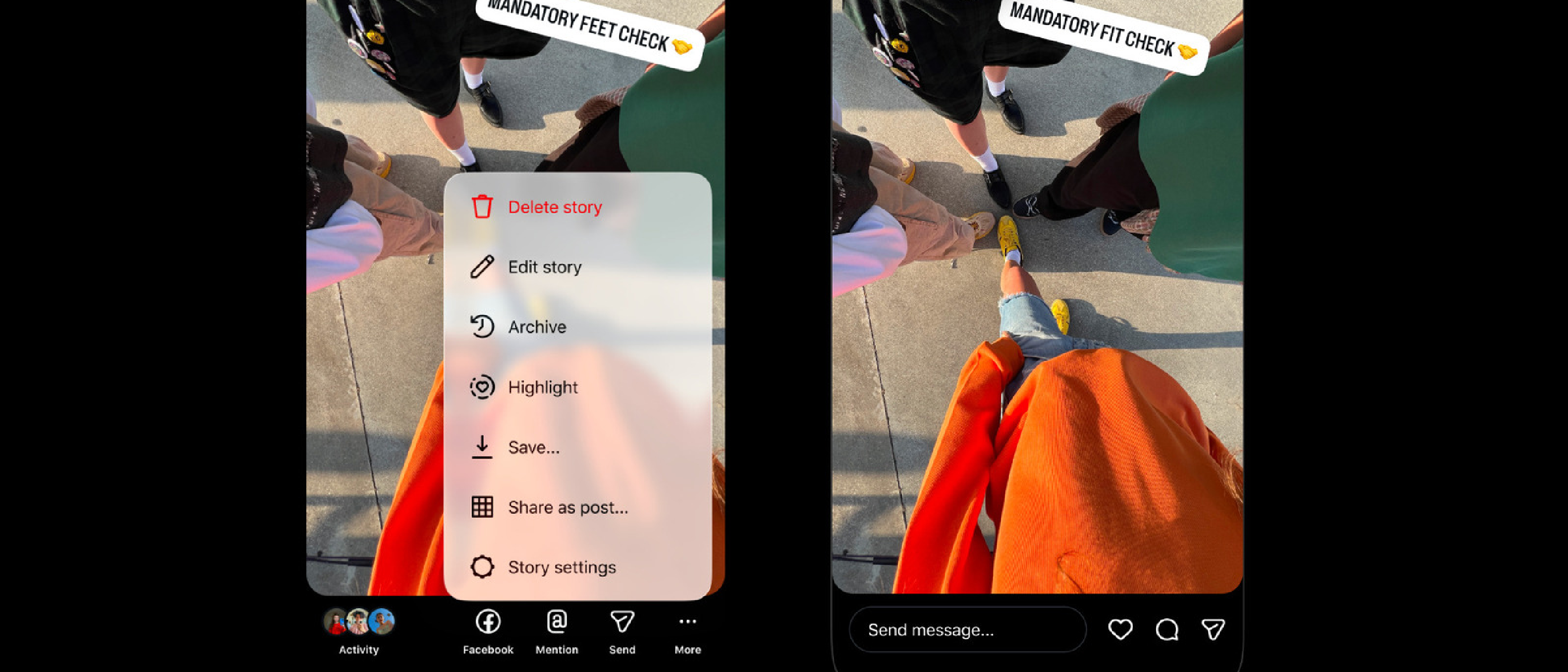
Meta’s latest rollout gives Instagram users a 15‑minute window after publishing a Story to make changes without having to delete the original post. The edit flow is accessed through the “more” (⋮) menu on a live Story and offers three core actions:
- Correct typos or adjust captions – a single tap opens a text field that preserves the original font and style.
- Swap or edit music – creators can replace the soundtrack or trim the audio segment.
- Change stickers, tags, or location stickers – all interactive elements can be repositioned or removed.
Once edited, the Story retains its original view count, replies, and any poll or question responses. Viewers see a subtle “Edited” label, ensuring transparency while protecting the creator’s engagement metrics.
Why It Matters for Creators and Brands
Reducing Friction for Professional Use
Social‑media managers and influencers often schedule Stories in advance, using third‑party tools to batch‑publish content. A single typo or a mismatched song can cost hours of re‑editing or, worse, force a complete delete that erases accumulated metrics. The new window eliminates that pain point, aligning Instagram with the editing flexibility already available for feed posts and Reels.
Preserving Algorithmic Signals
Instagram’s recommendation engine heavily weighs early engagement signals—views, replies, and sticker interactions. Deleting a Story resets those signals, potentially hurting discoverability in the “Explore” tab. By allowing in‑place edits, the platform preserves the original algorithmic weight, which is especially valuable for time‑sensitive campaigns (e.g., product launches, flash sales).
Competitive Parity
Snapchat introduced Story editing back in 2020, and TikTok’s “Quick Edit” for short‑form videos arrived in 2022. Meta’s delayed entry has been a frequent criticism from creators. Adam Mosseri’s quote, “A lot of people have been asking for this, so I’m excited to get this one out there,” underscores the strategic need to stay competitive in the fleeting‑content market.
Technical Breakdown of the Implementation
Backend Adjustments
- Mutable Story Objects – Previously, a Story’s metadata was immutable after publishing. The new API introduces a
mutableflag that permits updates within a 900‑second TTL (time‑to‑live). After the window expires, the object reverts to read‑only. - Versioning Layer – Each edit creates a lightweight version entry stored in a separate
story_editstable. This design avoids rewriting the entire media file; only the JSON payload for captions, stickers, and music references is updated. - Audit Trail – The “Edited” badge is generated from an audit log that records the editor’s user ID, timestamp, and changed fields. This log is also exposed to compliance tools for content moderation.
Front‑End Workflow
- Optimistic UI – When a user taps “Edit Story,” the client immediately shows the editable overlay while the server validates the 15‑minute window. If the window has closed, the UI falls back to a “cannot edit” toast.
- Cache Invalidation – Instagram’s CDN caches Story thumbnails for up to 24 hours. The edit flow triggers a cache‑purge request for the specific Story ID, ensuring that viewers see the updated overlay without stale assets.
- Accessibility Considerations – The edit interface respects screen‑reader labels and offers high‑contrast toggle options, aligning with Meta’s broader accessibility roadmap.
Interaction with Existing Features
- Polls & Questions – These interactive stickers retain their response data after an edit. The only mutable elements are visual placements and text.
- Story Highlights – Edited Stories that have already been added to Highlights inherit the “Edited” label in the Highlight view, preserving consistency across the profile.
Industry Impact and Market Reaction
Immediate Reception
Early adopters on Twitter and Reddit have praised the feature, noting a 30 % reduction in “delete‑and‑repost” incidents during live events. Brands running multi‑day campaigns reported smoother execution, especially when real‑time data (e.g., sales numbers) required on‑the‑fly caption tweaks.
Advertising Implications
Instagram’s ad‑supported Stories now benefit from the same edit flexibility. Advertisers can correct a mis‑spelled brand name or swap a call‑to‑action without losing the ad’s spend data. This could lead to higher ROI for short‑run promotions, as the risk of a costly mistake is mitigated.
Ripple Effects on Competing Platforms
Snapchat and TikTok may feel pressure to extend similar edit windows to their own Story‑like formats. Both platforms have hinted at “more creator‑friendly tools” in recent earnings calls, suggesting that Meta’s move could accelerate a broader industry shift toward editable ephemeral content.
Related Technological Trends
The rollout dovetails with advances in on‑device AI for content moderation. By preserving the original media while allowing metadata changes, Instagram can continue to run AI‑based compliance checks on the unchanged video/audio stream, reducing false positives that often arise when a post is deleted and re‑uploaded.
For a deeper look at how software platforms balance AI and user experience, see our coverage of Microsoft Copilot’s integration into everyday workflows: Copilot Is The New Os For Work And Now Office Runs Inside Of It
Similarly, the rise of AR filters on Instagram shares a technical lineage with the Xreal Aura XR headset’s approach to real‑time visual effects: Xreal Aura Review Solid Ar Glasses Hampered By Googles Half Baked Android Xr
Future Outlook: What’s Next for Instagram Stories?
Potential Extension of the Edit Window
User feedback suggests that a 15‑minute limit is helpful but still restrictive for longer campaigns. Meta may experiment with a “flex edit” tier for verified creators or business accounts, granting a 60‑minute window in exchange for a small subscription fee.
Integration with Third‑Party Scheduling Tools
Current scheduling platforms (e.g., Later, Buffer) rely on Instagram’s API, which does not yet expose the edit endpoint. An API update could allow scheduled Stories to be edited post‑publish without manual intervention, further streamlining content pipelines.
Cross‑Platform Consistency
Meta’s broader ecosystem—Facebook Stories, WhatsApp Status, and the upcoming Threads visual updates—could adopt the same edit logic, delivering a unified creator experience across all its social apps.
Funding and Innovation Landscape
The continued investment in creator tools aligns with the broader venture capital focus on social‑media infrastructure. For instance, Yvonne Bajela’s €17 M fund targeting EU AI startups underscores the appetite for AI‑driven moderation and analytics that could power future Instagram features: Yvonne Bajela Is Bringing 17M In Fresh Capital To Europes Startup Scene
Frequently Asked Questions
Q1: Can I edit a Story after the 15‑minute window? A: No. Once the window expires, the Story becomes read‑only. You would need to delete and repost, which also resets engagement metrics.
Q2: Does editing affect the Story’s view count? A: No. Views, replies, and sticker interactions remain intact. Only the visual or textual elements change.
Q3: Will my followers be notified of the edit? A: Followers see an “Edited” label on the Story. No push notification is sent.
Q4: Are ads in Stories subject to the same edit rules? A: Yes. Advertisers can edit captions, call‑to‑action text, and music within the window, preserving spend data.
Q5: Does the edit feature work on all devices? A: The edit UI is available on iOS, Android, and the web version of Instagram, provided the app is updated to the latest version.
Conclusion
Meta’s introduction of a 15‑minute edit window for Instagram Stories marks a pivotal shift in how creators manage fleeting content. By preserving engagement data, offering a transparent “Edited” badge, and aligning the Stories experience with the flexibility already present in feed posts, Instagram reduces friction for both individual users and brands. The technical underpinnings—mutable story objects, versioned edits, and smart cache invalidation—demonstrate a mature engineering approach that balances user freedom with platform stability.
As the social‑media landscape continues to prioritize real‑time interaction, tools that enable quick, low‑risk corrections will become a baseline expectation. Instagram’s move not only answers a long‑standing user demand but also sets a new standard that competitors will likely follow. For marketers, influencers, and everyday users, the ability to fine‑tune a Story without losing hard‑earned metrics is a game‑changer that reinforces Instagram’s position as a premier venue for short‑form visual storytelling.
Source: Original Article