






The LeapPad Phenomenon
When the first LeapPad hit the shelves, it felt like a toy‑turned‑tablet for a generation that still remembered floppy disks and CD‑ROMs. Marketed as a “smart book,” the device combined a sturdy, child‑friendly form factor with a suite of interactive features: tap‑responsive pages, built‑in speakers, and a stylus that could trigger narration, sound effects, and phonics cues. Parents were drawn to the promise of a screen that didn’t look like a screen—pages that felt like paper but behaved like software.
The product’s success was not a flash in the pan. For several consecutive years, sales charts showed the LeapPad as the top‑selling children’s educational toy in the United States. Its appeal rested on three pillars:
- Multisensory Learning – Audio narration synced to text reinforced reading skills.
- Durable Design – A rugged plastic shell survived drops that would have shattered a tablet.
- Parental Control – No open web browser, no ads, and a curated library of licensed content.
The hype was amplified by coverage from tech outlets, including a deep‑dive episode of Version History hosted by David Pierce, where journalists Andru Marino and Jennifer Pattison Tuohy unpacked the device’s rise and fall.
Technical Architecture of the Smart Book
At its core, the LeapPad was a hybrid of a dedicated e‑reader and a handheld game console. Understanding its architecture helps explain both its early brilliance and its eventual obsolescence.
Hardware Foundations
- Processor & Memory – A low‑power ARM‑based CPU paired with a few megabytes of RAM kept the device responsive while preserving battery life.
- Touch‑Sensitive Pages – Conductive ink printed on each page created a capacitive grid. When a child tapped a word, the grid registered the location and sent a signal to the processor.
- Audio Subsystem – A small speaker and a mono headphone jack delivered narration and sound effects. Audio files were stored in compressed formats to conserve space.
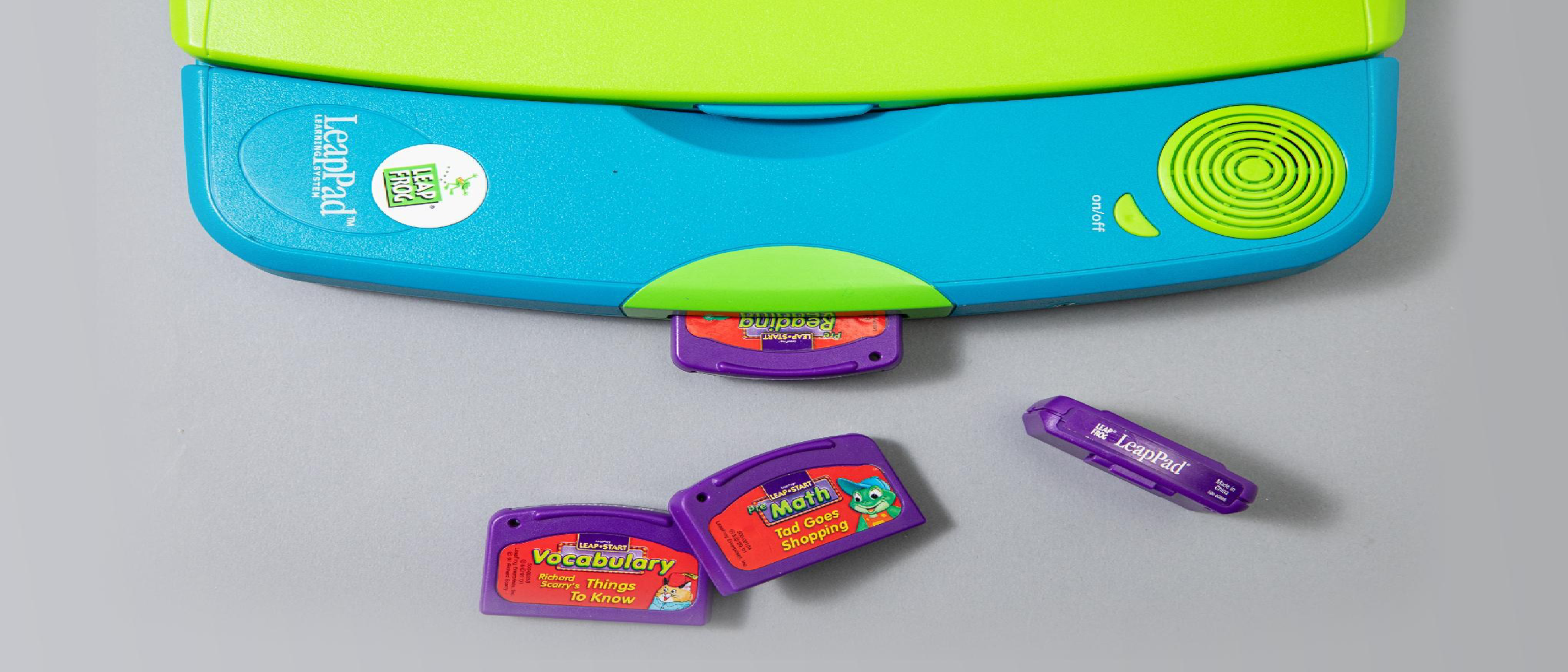
- Cartridge System – Content arrived on proprietary ROM cartridges. Each cartridge contained a set of interactive pages, audio assets, and a tiny manifest that the LeapPad read at launch.
Software Stack
- Operating System – A stripped‑down real‑time OS managed input, audio playback, and power management. It was not a general‑purpose OS; it ran a single application at a time.
- Content Engine – The engine interpreted the manifest, mapped touch coordinates to audio cues, and handled simple animations. Because the engine was closed‑source, developers were limited to the tools provided by LeapFrog.
- Security Model – The cartridge system acted as a sandbox. No external code could be installed, which reassured parents but also prevented third‑party innovation.
The combination of these components created a seamless experience: a child opened a book, tapped a word, and heard it spoken aloud instantly. The latency was low enough to feel natural, a technical achievement given the limited hardware budget.
Why Parents Loved It—and Worried
The LeapPad’s design philosophy centered on guided discovery. Parents praised several aspects:
- Screen‑Time Management – The device turned reading time into an interactive session without the distractions of internet ads or notifications.
- Educational Credibility – Content was developed in partnership with educators and publishers, giving it a curriculum‑aligned reputation.
- Physical Interaction – The tactile feel of pages encouraged fine‑motor development, something pure glass tablets lacked.
However, the same features that attracted families also sparked debate:
- High Price Point – The base unit, plus additional cartridges, often cost several hundred dollars, putting it out of reach for many households.
- Closed Ecosystem – Parents could not repurpose the device for non‑educational apps, leading some to view it as a “single‑purpose” gadget.
- Data Privacy Concerns – Even though the LeapPad did not connect to the internet, the parent portal collected usage statistics, raising questions about data handling in children’s products.
These tensions foreshadowed the broader conversation about technology in early childhood education—a conversation that continues today.
Market Forces That Stifled Growth
The LeapPad’s decline cannot be attributed to a single misstep; it was the convergence of several industry dynamics.
Rising Competition from General‑Purpose Tablets
When Apple introduced the iPad, the market’s perception of tablets shifted dramatically. Consumers began to expect:
- App Stores – A vast ecosystem of third‑party applications.
- Multimedia Capabilities – Video streaming, web browsing, and gaming.
- Lower Price Points – Over time, tablets became more affordable, eroding the price advantage of dedicated educational devices.
The LeapPad’s closed platform could not compete with the flexibility of a general‑purpose tablet, even though it excelled at its niche.
Shifts in Content Distribution
Cartridges required physical manufacturing, inventory management, and retail shelf space. Meanwhile, digital distribution models—downloadable apps and cloud‑based libraries—reduced costs and allowed instant updates. LeapFrog’s reliance on physical media made it slower to adapt.
Strategic Missteps
LeapFrog attempted to modernize the product line with later iterations that incorporated Wi‑Fi and larger screens. However, these upgrades arrived after the market had already embraced iOS and Android ecosystems. The company’s legacy hardware constraints limited how quickly it could pivot.
For readers interested in how hardware evolution can reshape a market, see the recent coverage of Apple’s hardware announcements: Apple’s ‘Welcome Home’ Event: New Hub, TV & Mini .
Security and Software Lessons
While the LeapPad itself was a closed system, the broader lesson about device security resonates with modern platforms. Recent vulnerabilities in popular communication tools illustrate how even well‑intentioned software can expose users to risk. For example, the Zoom annotation flaw highlighted the importance of rigorous code review in seemingly innocuous features: Zoom Annotation Flaw Patched After AI‑Prompt Exploit . Similarly, the Zoom zero‑day exploit underscores that any connected device—educational or otherwise—must prioritize security from day one: Zoom Zero‑Day Exploit: Remote Takeover of iPhone & Mac .
These cases reinforce why the LeapPad’s offline, sandboxed approach was initially praised, yet also why future EdTech must balance openness with robust security.
Legacy and Lessons for Modern EdTech
The LeapPad’s story is more than a nostalgic footnote; it offers a blueprint for today’s developers of learning technology.
- Focus on Pedagogy First – The device succeeded because its content was designed by educators, not just engineers. Modern platforms should embed curriculum standards at the core of product design.
- Hybrid Physical‑Digital Experiences – Children still crave tangible interaction. Combining physical books with AR overlays, for instance, can capture the best of both worlds.
- Scalable Content Delivery – Moving from cartridges to cloud‑based libraries reduces cost and accelerates updates. LeapFrog’s later products attempted this, but the transition came too late.
- Open Yet Secure Ecosystem – Allowing third‑party developers fuels innovation, but strict vetting and sandboxing protect young users. The balance struck by platforms like Apple’s App Store provides a useful model.
- Affordability and Accessibility – Pricing remains a barrier. Subscription models, device‑bundling with schools, or low‑cost hardware can broaden reach.
By internalizing these takeaways, the next generation of “smart books” can avoid the pitfalls that trapped the LeapPad.
FAQ
Q: What made the LeapPad’s touch‑sensitive pages unique?
A: Conductive ink created a capacitive grid on each page, allowing the device to detect precise tap locations without a full touchscreen.
Q: Could parents add their own content to the LeapPad?
A: No. The system only accepted proprietary cartridges, which limited customization but ensured content quality and safety.
Q: How does the LeapPad compare to today’s tablet‑based learning apps?
A: The LeapPad offered a focused, ad‑free environment with tactile pages, whereas modern tablets provide broader functionality, richer media, and instant content updates.
Q: Is LeapFrog still producing hardware for kids?
A: Yes, the company has shifted toward tablet‑style devices and subscription‑based content, learning from the LeapPad era.
Q: What can developers learn about security from the LeapPad’s closed model?
A: A sandboxed architecture reduces attack surface, but it also limits flexibility. Modern EdTech should adopt secure APIs and regular audits while allowing safe third‑party extensions.
The LeapPad remains a case study in how a well‑engineered, education‑first product can dominate a market—yet also how quickly that dominance can erode when technology, pricing, and consumer expectations evolve. By dissecting its technical merits, parental reception, and market challenges, we gain a clearer roadmap for building the next wave of learning tools that are both innovative and resilient.
Source: Original Article