



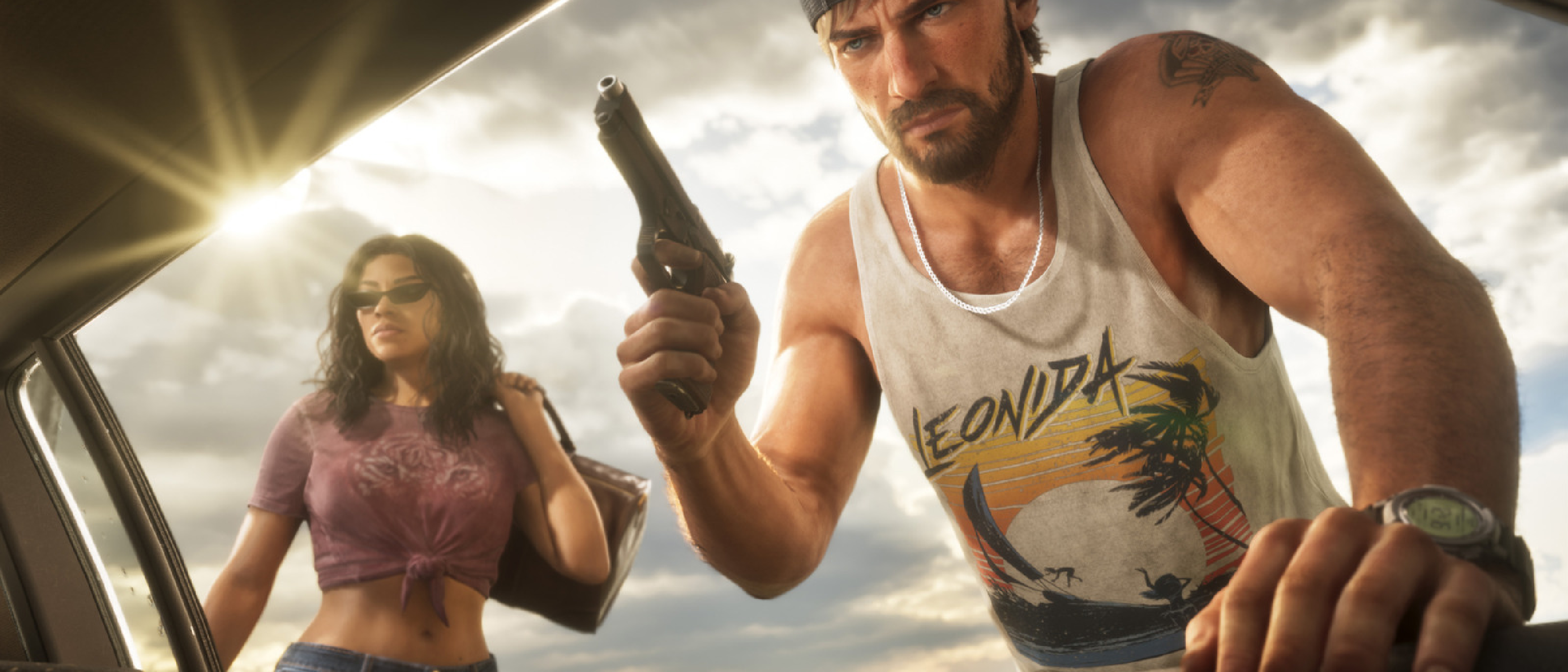
The 30 FPS Conundrum: Why Rockstar’s Choice Matters
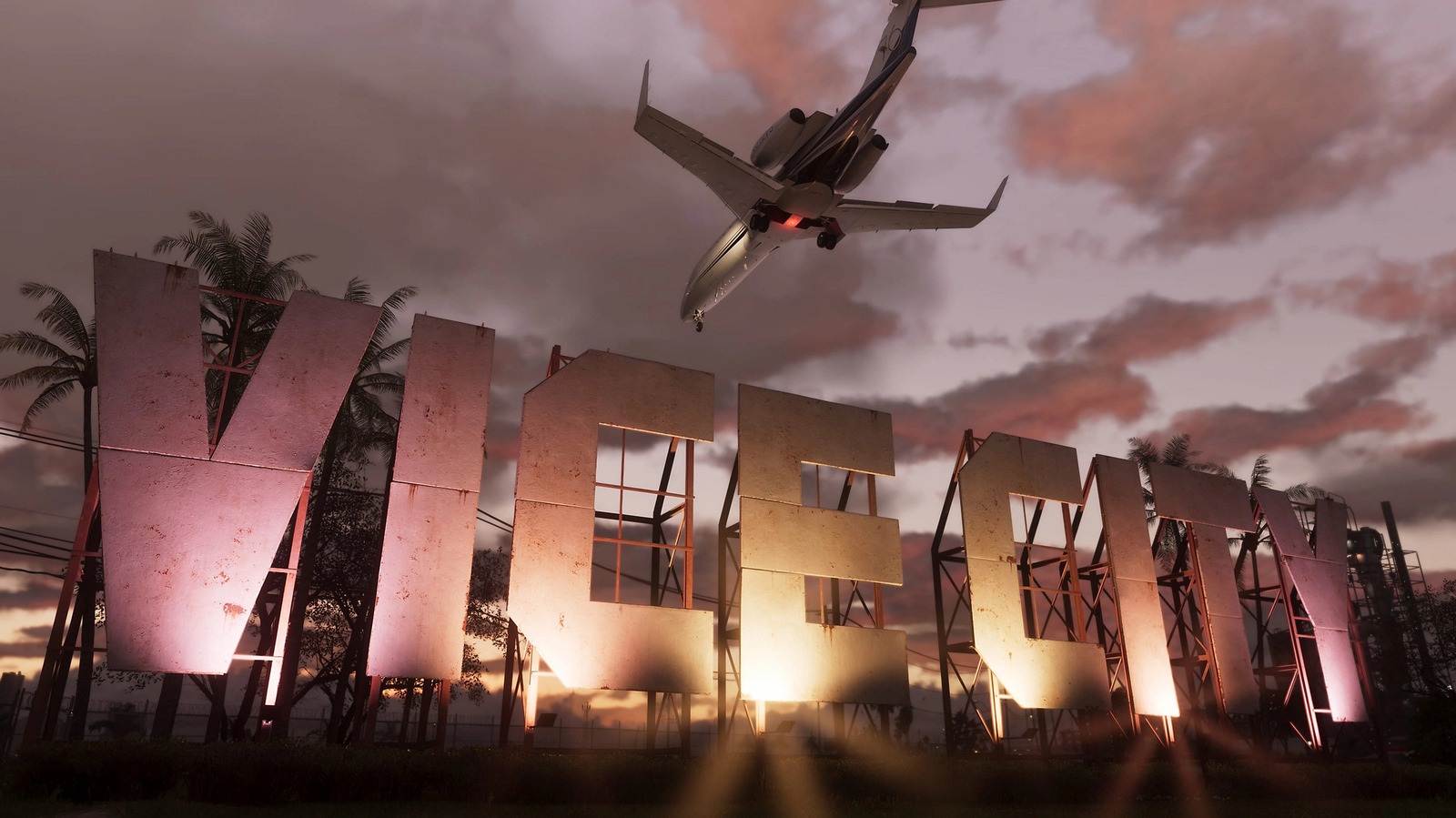
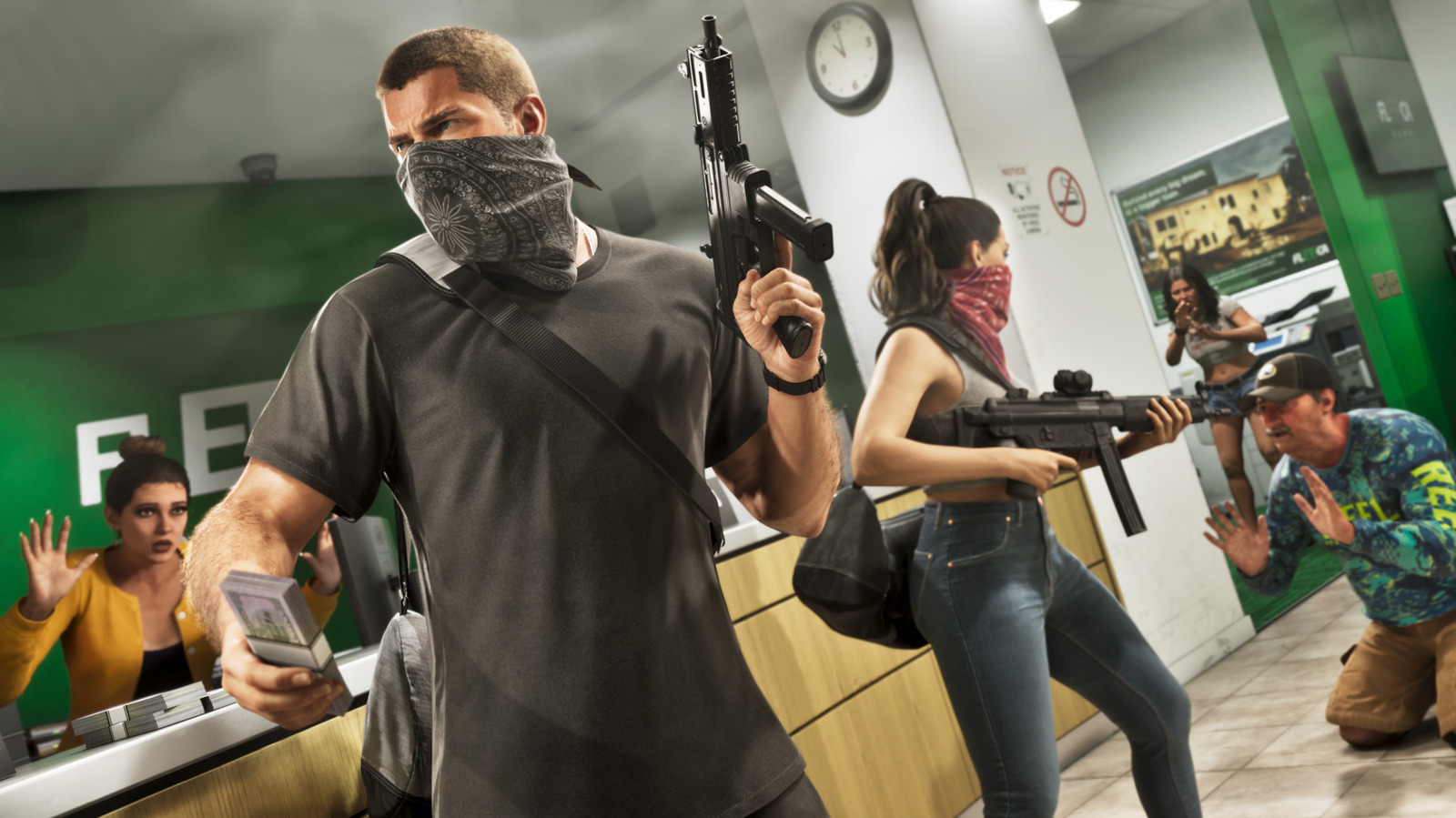
The gaming world is abuzz with anticipation for Grand Theft Auto 6, a title many are calling “the most important code in a box in the history of the medium.” Yet, amidst the hype, a significant detail has emerged that has sparked considerable debate: GTA 6 will target a 30 frames per second (fps) performance mode at launch on current-generation consoles, specifically the PlayStation 5 and Xbox Series X/S. This decision positions GTA 6 as a notable outlier in an era where most big-budget console titles strive to offer a 60 fps mode, if not as a default, then as an optional performance setting.
Rockstar Games has a long-standing history of prioritizing visual fidelity and expansive open worlds over higher frame rates at console launch. Their track record, with the sole exception of Rockstar Games Presents Table Tennis in 2006, consistently shows a 30 fps target for their flagship console releases, including monumental titles like GTA 5 and Red Dead Redemption 2. This consistency, however, doesn’t diminish the surprise or the discussion it generates, especially when considering the advancements in console hardware and player expectations. For a deeper dive into the game’s initial impact, you can refer to our GTA 6 Launch Day Live Updates: Technical Deep Dive & Impact article.
Technical Deep Dive: Unpacking Console Limitations
The decision to target 30 fps on consoles is not arbitrary; it’s a complex technical trade-off. Modern open-world games, particularly those from Rockstar, are renowned for their unparalleled scale, intricate detail, dynamic environments, and dense populations. Achieving this level of fidelity requires immense processing power from both the CPU and GPU.
The Demands of an Open World
Unlike more linear experiences, an open-world game like GTA 6 must constantly render vast distances, manage thousands of AI routines for pedestrians and traffic, simulate complex physics, and stream high-resolution assets seamlessly. Pushing these boundaries while maintaining a stable 60 fps on current console hardware (PS5, Xbox Series X) presents significant challenges. The consoles, while powerful, have finite resources. Doubling the frame rate from 30 fps to 60 fps effectively halves the time available for the console to render each frame, demanding a substantial increase in computational efficiency across all subsystems.
Resolution and Upscaling Technologies
The game is expected to render at around 1440p on the PlayStation 5 and Xbox Series X. This resolution, while not native 4K, is a common target for current-gen titles balancing visual quality and performance. Sony’s PlayStation 5 Pro, rumored to be on the horizon, is anticipated to leverage enhanced visuals through its proprietary Play Station Spectral Super Resolution (PSSR) upscaling technology. PSSR, similar to NVIDIA’s DLSS or AMD’s FSR, uses AI and temporal data to reconstruct a higher-resolution image from a lower-resolution render, effectively delivering a sharper image without the full rendering cost. While PSSR could enhance visual clarity, it doesn’t fundamentally solve the core performance bottleneck for achieving 60 fps if the base render resolution and complexity remain too high.
Xbox Series S: Further Compromises
The Xbox Series S, with its less powerful GPU and CPU compared to the Series X and PS5, faces even greater challenges. For GTA 6, it’s confirmed that the Series S version will feature cutbacks, including reduced crowds, draw distances, and traffic density. These adjustments are necessary to maintain the 30 fps target, highlighting the scalability issues across different console tiers within the same generation.
The Input Lag Factor
Beyond visual fluidity, frame rate directly impacts input lag. At 60 fps, the input lag is approximately 16.7 milliseconds (ms), meaning there’s a minimal delay between a player’s action and its on-screen representation. At 30 fps, this delay doubles to 33.3 ms. While this difference might seem small on paper, it can significantly affect the responsiveness and feel of gameplay, particularly in fast-paced action sequences or precise driving mechanics. Many players, as evidenced by the quote, “I’d happily take an upscaled 1080p or 1440p title at 60 fps over a full-fat 4K game running at 30 fps,” prioritize this responsiveness.
The PC Perspective: A Glimpse into Future Fidelity
While console players grapple with the 30 fps target, the PC gaming community looks forward to a potentially uncompromised experience. The PC port of GTA 6 is rumored for early 2027, a typical delay for Rockstar titles. This extended development time allows for significant optimization and the integration of cutting-edge PC technologies.
A high-end PC setup, featuring components like the NVIDIA GeForce RTX 5090, the fastest gaming CPU available, and 64GB of DDR5 RAM, is expected to deliver an optimal GTA 6 experience. The RTX 5090, with an official price of $1,999, is projected to be a powerhouse, potentially supporting 4K resolution at 120 fps. This level of performance would be further enhanced by technologies such as NVIDIA DLSS 4.5 Multi Frame Generation and Variable Refresh Rate (VRR) tech. DLSS (Deep Learning Super Sampling) uses AI to render frames at a lower resolution and then intelligently upscales them, providing near-native image quality with significantly improved performance. Multi Frame Generation takes this a step further by generating entirely new frames between rendered frames, effectively boosting frame rates. VRR technology, available on compatible monitors and TVs, synchronizes the display’s refresh rate with the GPU’s output, eliminating screen tearing and reducing stutter, resulting in a much smoother visual experience.
For context, even GTA 5: Enhanced Edition is playable at 4K/120 fps with ray tracing on high-end PCs, demonstrating the scalability and potential of the platform. The rumored PC port of GTA 6 promises to push these boundaries even further.
Industry Impact and Future Outlook
Rockstar’s decision to launch GTA 6 at 30 fps on consoles, while consistent with their past, sends a clear message about their priorities: visual fidelity and the sheer scale of their virtual worlds take precedence. This approach could influence other developers, particularly those working on similarly ambitious open-world titles, to consider similar trade-offs. It also highlights the ongoing challenge of balancing artistic vision with the technical capabilities of fixed-hardware consoles.
The existence of a PS5 Pro, with its PSSR upscaling capabilities, suggests that console manufacturers are aware of the demand for enhanced visuals and performance. However, even with mid-generation refreshes, the fundamental architectural differences and cost constraints mean that PC will likely remain the platform for the absolute bleeding edge of graphical fidelity and frame rates.
Ultimately, the success of GTA 6 will hinge on its gameplay, narrative, and the immersive quality of its world. While the 30 fps target is a point of contention, Rockstar’s history suggests they are confident that the overall experience will transcend frame rate discussions. Players will also be interested in other design choices, such as the decision to lock certain features, as discussed in our article on GTA 6 Cheat Codes Locked Until Story Finish – Impact.
Frequently Asked Questions
Why is GTA 6 targeting 30 fps on consoles?
Rockstar Games is prioritizing visual fidelity, expansive open-world detail, and complex simulations over a higher frame rate at launch. Achieving 60 fps with the game’s expected graphical intensity on current console hardware would likely necessitate significant compromises in other areas.
Will there be a 60 fps mode for GTA 6 on consoles later?
The current information indicates a 30 fps target at launch. While Rockstar has
Will there be a 60 fps mode for GTA 6 on consoles later?
The current information indicates a 30 fps target at launch. While Rockstar has rarely issued post‑launch performance patches for its flagship open‑world games—GTA 5 and Red Dead Redemption 2 have remained locked at 30 fps on consoles—the company isn’t completely closed off to the idea. In the past, Rockstar has released “next‑gen” updates for Red Dead Redemption 2 that added ray tracing and higher resolution, but those updates still kept the 30 fps ceiling.
If community pressure mounts or if a mid‑generation console refresh (e.g., a PS5 Pro or Xbox Series X S upgrade) provides enough headroom, Rockstar could consider a performance‑oriented patch. However, any such move would likely require a substantial re‑engineering effort to shave CPU‑bound workloads (AI, traffic, physics) without sacrificing the world‑scale ambition that defines the series. As of now, no official roadmap has been disclosed.
Additional Frequently Asked Questions
When can we expect the PC version of GTA 6, and what will its performance ceiling be?
Rumors point to an early‑2027 launch for the PC port, aligning with Rockstar’s typical 12‑month post‑console window. Given the hardware‑agnostic nature of PC, the game will likely support a dynamic resolution scaling pipeline, allowing players to target 4K/120 fps on top‑tier rigs (e.g., RTX 5090 + DDR5‑6000) while scaling down gracefully on mid‑range builds. Expect support for NVIDIA DLSS 4.5, AMD FSR 3, and variable refresh rate (VRR) out of the box.
How will the upcoming PS5 Pro affect GTA 6’s visual fidelity?
The PS5 Pro is expected to ship with a more powerful GPU and a dedicated AI‑accelerator for PlayStation Spectral Super Resolution (PSSR). PSSR can upscale a 1080p or 1440p render to near‑4K quality with minimal performance hit. If Rockstar releases a post‑launch update that leverages PSSR, PS5 Pro owners could see a sharper image and possibly a modest frame‑rate bump, though the core 30 fps lock is likely to remain unless the engine is re‑tuned.
Will the Xbox Series S version be a “downgraded” experience?
Yes, the Series S will run a scaled‑down version of GTA 6. In addition to the universal 30 fps cap, the title will feature reduced crowd densities, shorter draw distances, and fewer on‑screen vehicles. These compromises are necessary to keep the game within the memory (10 GB GDDR6) and compute limits of the Series S while preserving the core narrative and gameplay loops.
Does the 30 fps target impact visual quality beyond input lag?
A lower frame rate gives developers more budget per frame for expensive rendering passes—such as global illumination, high‑resolution textures, and complex shader effects. Consequently, the 30 fps mode can afford richer lighting, denser foliage, and more detailed character models than a 60 fps counterpart on the same hardware. The trade‑off is a perceptible increase in input latency (≈33 ms vs. 16.7 ms) and slightly less fluid motion, especially in high‑speed chase sequences.
What is the practical difference between DLSS 4.5 Multi‑Frame Generation and traditional upscaling?
Traditional DLSS (e.g., 2.0/3.0) renders at a lower resolution and then upscales a single frame using AI. DLSS 4.5 Multi‑Frame Generation (MFG) goes a step further: it synthesizes entirely new intermediate frames between rendered frames, effectively doubling or even tripling the perceived frame rate without additional rasterization work. When combined with VRR, this can make a 30 fps game feel closer to 60 fps on capable displays, though the underlying game logic still updates at the original tick rate.
Conclusion
Grand Theft Auto 6’s decision to lock the launch console experience at 30 fps is a calculated gamble that leans heavily on Rockstar’s historic strength: delivering sprawling, detail‑rich worlds that feel alive. By allocating the majority of the console’s GPU and CPU cycles to visual fidelity, AI density, and world simulation, Rockstar ensures that the core experience remains true to the series’ legacy, even if it means sacrificing the buttery‑smooth responsiveness that many modern titles now offer.
The trade‑off is not lost on the community. Competitive players and speed‑run enthusiasts will feel the extra 33 ms of input lag, while visual purists will appreciate the richer lighting, higher texture fidelity, and denser traffic that a 30 fps budget permits. The upcoming PS5 Pro and Xbox Series S variants illustrate how hardware tiers will further differentiate the experience, and the rumored early‑2027 PC port promises a playground where the performance ceiling can finally be pushed to 4K/120 fps with AI‑driven upscaling.
Ultimately, GTA 6 will be judged not solely on its frame‑rate number but on the holistic immersion it delivers—storytelling, world‑building, and the sheer joy of exploring a living, breathing city. If Rockstar’s track record is any indication, the title will likely transcend the fps debate and cement its place as a cultural milestone, regardless of whether you’re playing at 30 fps on a console or 120 fps on a high‑end PC.
Source: Original Article