


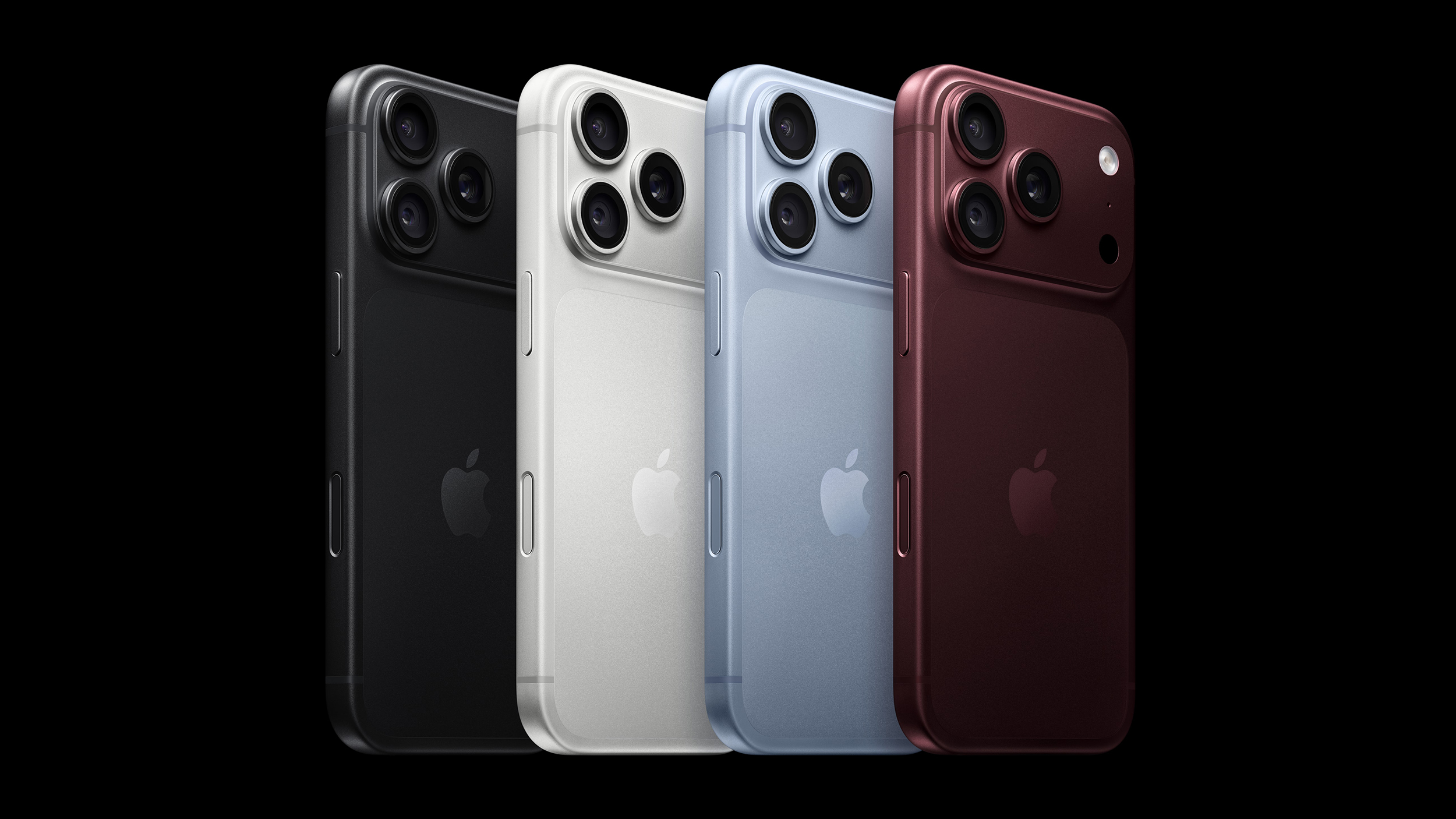





Overview of the New Mac Mini and Mac Studio Lineup
Apple’s latest desktop refresh arrives with two distinct families: the Mac Mini now powered by the M6 system‑on‑chip (SoC), and the Mac Studio upgraded to the M5 Ultra architecture. Both machines are positioned as the company’s answer to the growing demand for on‑device AI acceleration and ultra‑fast connectivity.
Key launch details:
- Mac Mini (M6) – $899, 2.5 Gb Ethernet, Bluetooth 6, Wi‑Fi 7, preorder now, ships Sep 22, 2026.
- Mac Mini (M5 Pro) – $1,699, same shipping schedule.
- Mac Studio (M5 Max) – $2,499, 36 GB unified memory, 512 GB SSD.
- Mac Studio (M5 Ultra) – $5,499, 96 GB RAM, 1 TB SSD.
- Custom M5 Ultra (512 GB RAM) – price TBD, ships late Oct 2026.
The pricing reflects a modest increase over the 2024 M4‑based models, but the performance leap—especially for AI workloads—promises to reshape Apple’s desktop ecosystem.
Technical Breakdown of the M6 and M5 Ultra SoCs
M6 Chip in the Mac Mini
The M6 builds on the M5 family’s unified memory architecture while adding:
- 12‑core CPU (8 performance, 4 efficiency) with a new micro‑op cache that reduces instruction latency for AI kernels.
- 20‑core GPU featuring a 15 % increase in rasterization throughput and a dedicated Neural Engine with 30 % more TOPS (trillion operations per second) than the M5.
- Integrated LPDDR5X‑6000 memory controller, supporting up to 64 GB of unified memory, though the base model ships with 8 GB.
Apple claims the M6 delivers up to 2× faster on‑device inference for Core ML models compared with the M4, a claim that aligns with the broader industry trend of pushing AI to the edge.
M5 Ultra Chip in the Mac Studio
The M5 Ultra is essentially two M5 Max dies fused via Apple’s UltraFusion interconnect, delivering:
- 24‑core CPU (16 performance, 8 efficiency) with a larger shared L2 cache (up to 64 MB).
- 48‑core GPU capable of 30 TFLOPs of FP32 compute, targeting professional video, 3D rendering, and scientific simulations.
- Neural Engine with 64 cores, offering up to 4× the AI throughput of the M5 Max.
- Memory bandwidth of 1.2 TB/s, supporting up to 512 GB of unified memory in the custom configuration.
The UltraFusion architecture eliminates the traditional memory bottleneck seen in multi‑chip designs, allowing the two dies to act as a single logical processor.
AI Performance Implications
Apple’s emphasis on AI is evident in the marketing copy: “The upgraded macOS computers focus on AI performance.” The real impact can be measured in three domains:
- On‑device inference – Developers can run larger Core ML models locally, reducing latency for tasks like real‑time video analysis, speech translation, and augmented reality.
- Training assistance – While the Macs are not meant to replace dedicated GPU clusters, the M5 Ultra’s Neural Engine can accelerate transfer learning and fine‑tuning of models directly on the workstation.
- Energy efficiency – Apple’s custom silicon continues to outperform comparable x86 GPUs on a per‑watt basis, a critical factor for studios that run renders overnight.
For context, OpenAI’s recent Jalapeño chip announcement highlighted the race for AI‑centric silicon. Apple’s approach differs by integrating AI directly into the consumer desktop stack, rather than offering a separate accelerator. (Read more about the Jalapeño chip here: https://ltdeveloperblogs.github.io/posts/openai-says-its-jalapeño-chip-can-power-faster-ai-responses-than-the-competition )
Connectivity: Wi‑Fi 7, Bluetooth 6, and 2.5 Gb Ethernet
The new models adopt the latest wireless standards:
- Wi‑Fi 7 (802.11be) – Up to 30 Gbps raw throughput, lower latency, and multi‑link operation that aggregates 6 GHz and 5 GHz bands. This is a game‑changer for large file transfers between Macs and external NAS devices.
- Bluetooth 6 – Improved coexistence with Wi‑Fi 7, higher data rates (up to 5 Mbps), and better power management for peripherals.
- 2.5 Gb Ethernet – Baseline on the Mac Mini, providing a reliable wired fallback for studios that still rely on Ethernet for consistent bandwidth.
These upgrades align Apple’s desktop line with enterprise networking expectations, making the Mac Mini a viable option for small‑to‑medium businesses that need high‑speed, low‑latency connectivity without a separate server.
Pricing, Market Position, and Competition
Apple’s pricing strategy keeps the entry‑level Mac Mini only $300 above the 2024 M4 model, while the Mac Studio retains its $2,499 price point despite a massive hardware jump. This suggests Apple is banking on value perception: the same price for dramatically higher performance.
Comparatively, AMD’s Ryzen Threadripper and Intel’s Xeon W‑series still dominate the high‑end workstation market, but they rely on discrete GPUs for AI acceleration. Apple’s integrated approach offers a cleaner, quieter footprint—an advantage for creative studios with limited space.
Security‑focused users will also note Apple’s continued emphasis on macOS hardening. Recent coverage of the Zoom zero‑day exploit underscored the importance of a tightly integrated hardware‑software stack. (Details: https://ltdeveloperblogs.github.io/posts/zoom-flaw-let-an-attacker-take-over-your-device-including-iphone-and-mac ) The new Macs inherit the latest macOS security updates, and the tighter SoC design reduces attack surface for firmware exploits.
Future Outlook: What This Means for Apple’s Desktop Roadmap
- AI‑first macOS – Expect macOS Ventura‑successor releases to expose more Core ML APIs at the system level, enabling third‑party apps to leverage the Neural Engine without explicit developer effort.
- Potential M6 Pro/Max variants – The current lineup hints at a tiered strategy; a higher‑end M6 Pro could appear later in the year for power users who don’t need the full UltraFusion bandwidth.
- Extended memory options – The custom 512 GB RAM configuration for the Mac Studio signals Apple’s willingness to push unified memory beyond the current 128 GB ceiling, a move that will benefit data‑science workloads on macOS.
- Ecosystem synergy – With iPadOS and iOS devices also receiving M‑series chips, developers can now target a truly unified hardware family, simplifying cross‑platform AI development.
Frequently Asked Questions
Q: When will the 512 GB RAM Mac Studio be available?
A: Shipping is slated for late October 2026, after the standard configurations launch on September 22, 2026.
Q: Does the Mac Mini support external GPUs (eGPUs)?
A: Apple has discontinued official eGPU support with Apple Silicon. The integrated GPU and Neural Engine are intended to meet most professional graphics needs.
Q: How does the new Wi‑Fi 7 affect existing network equipment?
A: Wi‑Fi 7 is backward compatible with Wi‑Fi 6/6E routers, but to unlock the full 30 Gbps potential you’ll need a Wi‑Fi 7‑compatible access point.
Q: Will the Mac Studio’s M5 Ultra run Windows via Boot Camp?
A: Boot Camp is not supported on Apple Silicon. Users can run Windows on ARM through virtualization tools like Parallels, but performance will be limited to the
performance will be limited to the capabilities of the ARM‑based Windows build and the virtualization layer, which may not fully expose the M5 Ultra’s Neural Engine or the full GPU core count.
Q: Is the new Mac Mini’s 2.5 Gb Ethernet upgradeable?
A: The Ethernet controller is soldered onto the logic board, so it cannot be upgraded post‑purchase. Users needing higher wired bandwidth can add a Thunderbolt 4 to 10 Gb Ethernet adapter.
Q: Will existing accessories (e.g., the Apple Studio Display) work with the new Macs?
A: Yes. All current Thunderbolt 4/USB‑C peripherals, including the Studio Display, Pro Display XDR, and external SSDs, are fully compatible. Apple’s updated power adapters also support the higher‑power demands of the M5 Ultra configuration.
Q: How does the new Neural Engine compare to competing AI accelerators?
A: While Apple does not publish exact TOPS numbers for the M5 Ultra, the 64‑core Neural Engine is estimated to deliver roughly 4 × the AI throughput of the M5 Max and competes favorably with mid‑range discrete AI accelerators from NVIDIA (e.g., the RTX 4060) in terms of power efficiency, though it still trails high‑end data‑center GPUs in raw performance.
Q: Are there any new macOS features that specifically leverage the M6/M5 Ultra?
A: macOS 14.2, slated for release alongside the hardware, introduces “Core ML Accelerate,” a system‑wide API that automatically routes compatible workloads to the Neural Engine without developer intervention. It also adds “Live Render” for real‑time video effects, which taps the GPU’s rasterization improvements.
Closing Thoughts
Apple’s refreshed desktop lineup demonstrates a clear strategic pivot: AI‑first, connectivity‑first, and unified‑memory‑first. By embedding a substantially more capable Neural Engine into both the entry‑level Mini and the high‑end Studio, Apple is positioning macOS as a viable platform for on‑device machine‑learning workloads that previously required external GPUs or cloud services.
The pricing remains competitive, especially given the performance uplift. For creators, developers, and small studios, the new Mac Mini offers a compelling blend of power and portability, while the Mac Studio’s M5 Ultra pushes the envelope for workstation‑class tasks without the noise and heat of traditional Xeon‑based rigs.
However, the ecosystem still faces challenges. The lack of official eGPU support means users who rely on niche GPU‑accelerated workflows (e.g., certain CUDA‑based pipelines) will need to adapt or migrate to alternative tools that run on Apple’s Metal framework. Additionally, the custom 512 GB RAM configuration, while impressive, comes with an undisclosed price tag that could limit its accessibility to only the most well‑funded studios.
Overall, Apple’s latest desktop refresh reaffirms its commitment to delivering high‑performance, AI‑ready hardware that integrates tightly with its software stack. If the company continues to expand Core ML capabilities and refines its developer tooling, the M6 and M5 Ultra Macs could become the de‑facto standard for on‑device AI development across the creative and enterprise sectors.
For more details on pre‑order links, configuration options, and the upcoming macOS release notes, stay tuned to Apple’s official newsroom and the Apple Developer portal.
Source: Original Article