




Why It Matters
The automotive infotainment landscape is shifting from phone‑mirroring solutions like Android Auto and Apple CarPlay to fully native, cloud‑connected systems. Google’s Android Automotive Operating System (AAOS) and its newer Google Built‑In suite are at the heart of this transition. For manufacturers, the choice between a fully open‑source stack and a curated set of Google‑branded apps determines everything from user experience to data ownership. For drivers, it translates into how seamlessly maps, media, and vehicle controls integrate into the cockpit. Understanding this distinction is essential for anyone following the future of connected cars.
Technical Breakdown: Android Automotive vs Google Built‑In
Android Automotive Operating System (AAOS)
AAOS is a complete, open‑source platform that runs directly on a vehicle’s hardware. Unlike Android Auto, which merely mirrors a smartphone, AAOS controls the entire in‑vehicle infotainment (IVI) ecosystem:
- Hardware integration: radio, climate control, cameras, mirrors, lighting, seat adjustments, and instrument clusters.
- Customizability: manufacturers can tailor the UI, add proprietary features, and maintain brand identity.
- Open source: developers can modify core components, ensuring long‑term flexibility and avoiding vendor lock‑in.
A notable example is Rivian’s OS, which leverages AAOS but removes Google branding, allowing the company to present a distinct user interface while still benefiting from Google’s underlying architecture.
Google Built‑In
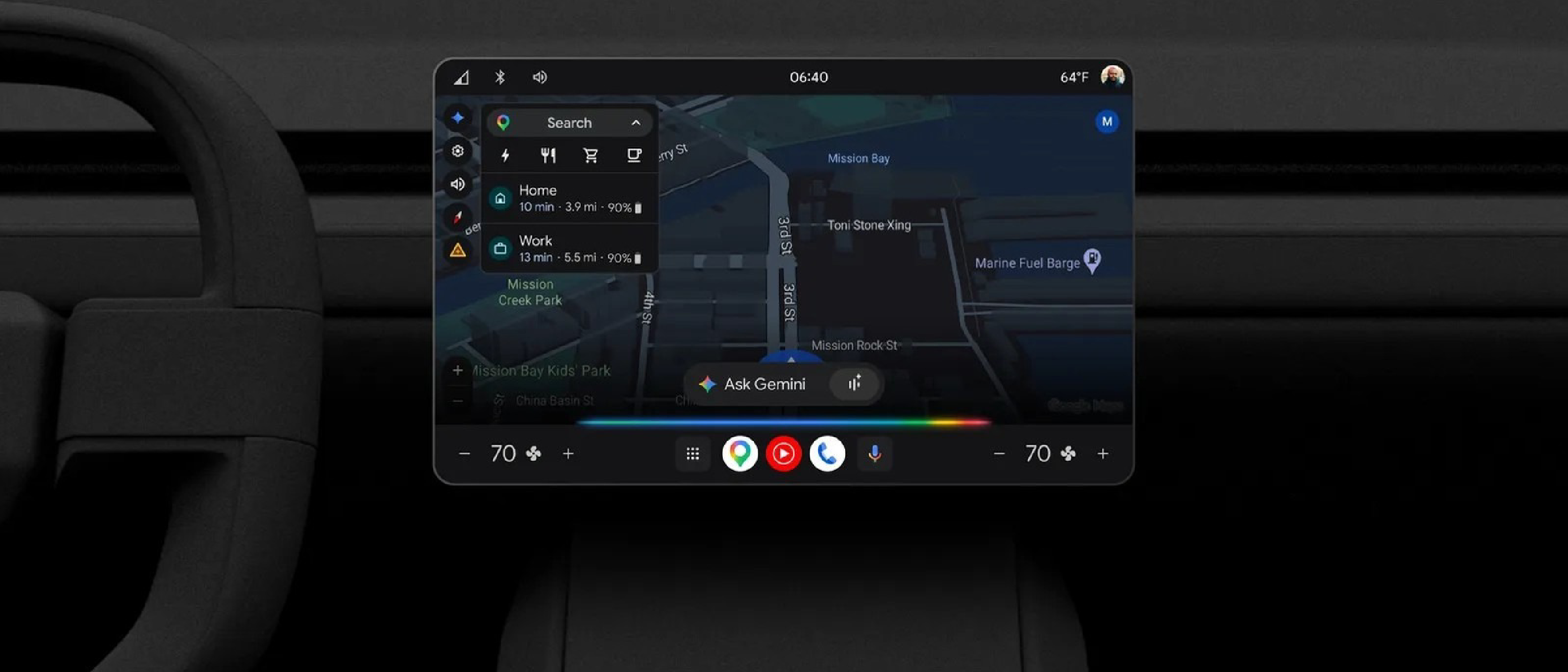
Google Built‑In is a curated collection of licensed Google applications that sit atop AAOS. It debuted in 2020 and is available in 16 car brands, including Honda, Volvo, Chevy, Nissan, Ford, BYD, and Renault. Key characteristics include:
- Pre‑installed apps: Google Maps, Gemini, Google Play Store, Spotify, YouTube, and other media services.
- Unified experience: The interface is consistent across brands, reducing driver confusion.
- No phone requirement: Drivers can use the system without an Android phone, a significant advantage over Android Auto.
While Built‑In offers a polished, ready‑to‑use experience, it also introduces a layer of Google control over the user interface and data flows.
Gemini: The AI Shift
Google’s Gemini chatbot has become the linchpin of the Built‑In experience. Replacing the traditional Google Assistant, Gemini brings AI‑driven capabilities directly into the vehicle:
- Real‑time traffic and navigation: Gemini integrates with Google Maps to provide up‑to‑date routing, including EV‑specific routes that consider charging stops.
- Voice‑activated tasks: Users can ask Gemini to check emails, create playlists, or order dinner, all while the car’s front‑facing camera supplies contextual information.
- Vehicle‑aware adjustments: Gemini can tweak climate settings, adjust seat positions, and monitor battery performance, leveraging data from the car’s sensors.
The Gemini Live feature allows drivers to converse with the chatbot about destinations, with the car’s camera feeding visual context to improve relevance. This level of integration marks a departure from generic voice assistants toward a vehicle‑centric AI that understands both the environment and the driver’s intent.
Industry Impact and Manufacturer Strategies
Dual‑Track Approach
Many automakers are adopting a dual‑track strategy: integrating Google’s AI while developing proprietary assistants. Ford and Rivian are building their own AI systems, whereas GM is leveraging its OnStar intelligence combined with GM vehicle knowledge. This approach offers several benefits:
- Competitive differentiation: Proprietary assistants can be tailored to brand values and customer expectations.
- Data sovereignty: Companies can control how vehicle data is collected, stored, and monetized.
- Future flexibility: A hybrid stack allows manufacturers to pivot between Google’s ecosystem and their own solutions as market demands evolve.
Customer Perception
Some drivers have expressed frustration and confusion over built‑in systems, fearing subscription fees or data exploitation. Transparency about data usage and clear opt‑in mechanisms are becoming essential to maintain consumer trust. Manufacturers must balance the allure of advanced AI features with the need for privacy and affordability.
Revenue Models
While the article does not detail specific pricing, the shift toward native systems opens new revenue streams:
- Subscription services: Premium navigation, music, or AI features could be offered on a monthly basis.
- Data partnerships: Aggregated anonymized data may be sold to third parties for traffic analysis or marketing.
- Hardware sales: Enhanced infotainment modules could be sold as upgrades in later model years.
Future Outlook
The move away from phone mirroring is already underway, but the pace of adoption will depend on several factors:
- Regulatory environment: Data privacy laws may dictate how much vehicle data can be shared with Google or third parties.
- Consumer demand: As drivers become accustomed to seamless AI interactions, expectations for in‑car intelligence will rise.
- Technological evolution: Continued improvements in AI, such as more sophisticated contextual understanding, will drive deeper integration.
Manufacturers that can deliver a cohesive, privacy‑respecting, and feature‑rich experience will likely capture the growing market for connected vehicles. The competition between Google’s Built‑In and proprietary solutions will shape the next generation of in‑car software.
FAQ
Q: Does Android Automotive require an Android phone?
A: No. AAOS runs natively on the vehicle’s hardware, so drivers can use the system without a smartphone.
Q: What is the difference between Android Automotive and Android Auto?
A: Android Auto mirrors a phone’s interface onto the car’s display, whereas Android Automotive is a full operating system that controls hardware and runs native apps.
Q: How does Gemini differ from Google Assistant?
A: Gemini is a chatbot designed specifically for in‑vehicle use, offering real‑time navigation, vehicle‑aware adjustments, and contextual interactions that go beyond the general‑purpose Google Assistant.
Q: Are there subscription costs for Google Built‑In?
A: The article does not specify subscription fees, but manufacturers may introduce premium services in the future.
Q: Can I install third‑party apps on Built‑In?
A: Built‑In includes access to the Google Play Store, allowing users to download compatible media and utility apps, but core vehicle controls remain managed by the manufacturer.
Related Reads
- Local AI on My Desktop: Cost, Speed, and Privacy – A deeper look at AI deployment on personal devices, offering context for how AI is integrated into everyday tech.
- Apple Rumors: ADT Partnership & New Smart Home Hub – Insights into how major tech firms are expanding AI into home ecosystems, paralleling automotive trends.
- Zoom Annotation Flaw Patched After AI‑Prompt Exploit – Highlights security concerns surrounding AI, relevant to data handling in connected cars.
Source: Original Article