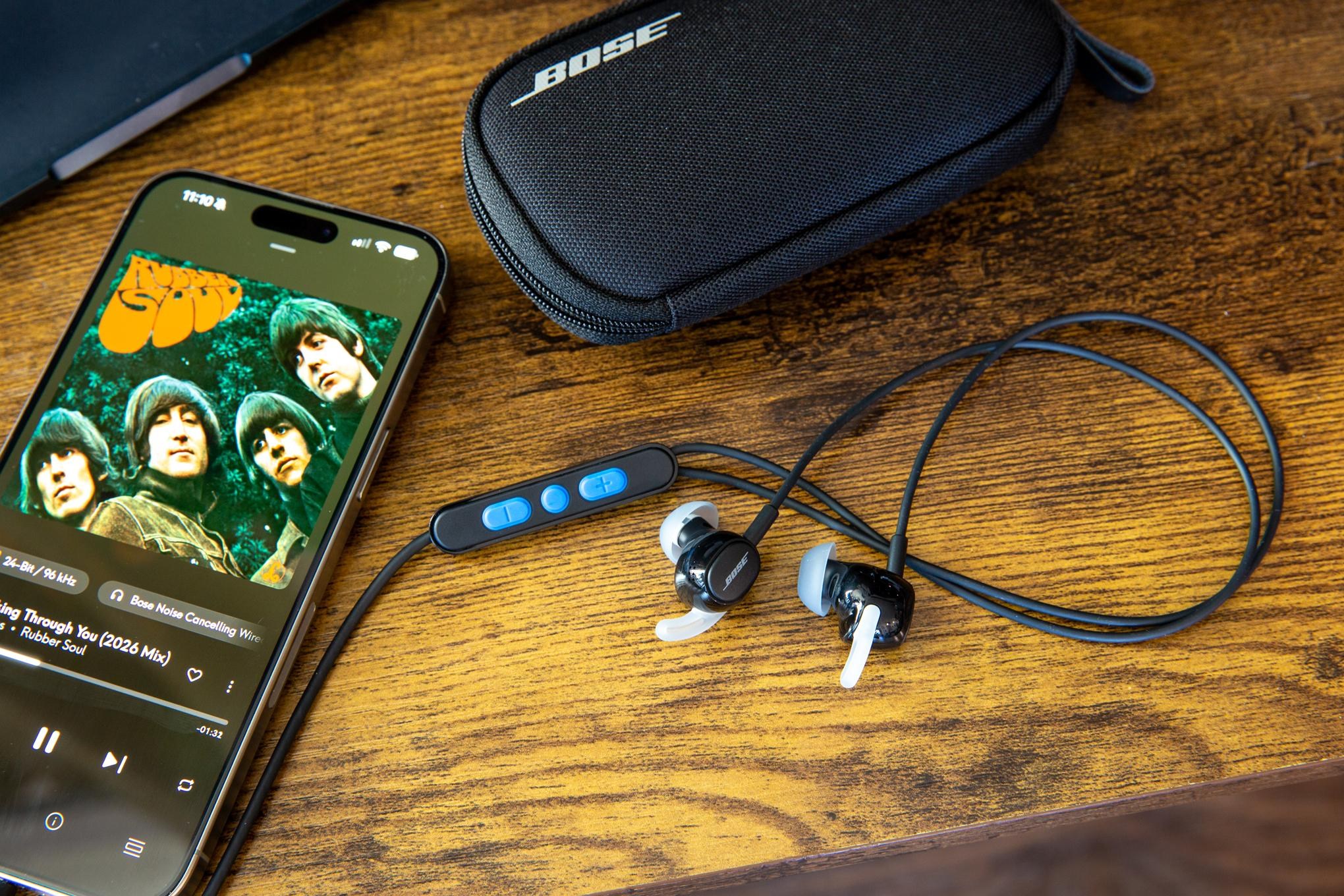







Introduction to Noise Canceling Technologies
The world around us is full of noise, and sometimes we just want to tune it out. As Max Miller says, “The world around us is way too noisy and we’d rather not hear it.” This is where noise canceling technologies come in, specifically active noise canceling (ANC) and passive noise canceling (PNC). In this article, we will delve into the differences between these two technologies and explore how they work.
Passive Noise Canceling (PNC)
PNC uses physical objects to block noise from reaching the ears. This can be as simple as putting your hands over your ears or wearing earmuffs or earplugs. In the context of headphones and earbuds, PNC refers to the physical design of the device that helps to block out external noise. For example, over-ear headphones can provide a high level of PNC due to their design, which covers the entire ear. You can learn more about the importance of a good Dual Monitor Setup Upgrade for an immersive audio experience.
Active Noise Canceling (ANC) Technology
ANC, on the other hand, uses a computer algorithm to cancel out noise. This technology requires microphones to analyze the ambient environment and create anti-noise, which is an out-of-phase version of the sound from outside. When this anti-noise is combined with the original noise, it effectively cancels it out. As Max Miller explains, “It’s like adding a negative number to the positive of that number and getting zero.” However, ANC has its limitations, including limited accuracy in capturing the original noise and a delay in reacting to noise. For a deeper understanding of how ANC works, you can explore the Wooting 60HE v2 Review , which discusses the nuances of audio technology.
Limitations of ANC
ANC is not without its limitations. It can’t attenuate noise at the same level as competing over-ear headphones, and sticking something inside the ear doesn’t passively block as much sound as covering them entirely. Additionally, ANC works better when attenuating constant, low-frequency noises. Despite these limitations, ANC can be an effective tool for reducing noise in certain environments. The Valve’s Steam Machine: Price, Specs & Lottery Explained article discusses the importance of audio quality in gaming, where ANC can be particularly useful.
Relationship between PNC and ANC
PNC and ANC work hand-in-hand to provide the best possible noise canceling experience. The more noise you can physically block out of a listener’s ears, the less noise you need to run through an ANC processor. This is why many ANC headphones also incorporate PNC design elements, such as over-ear designs or ear tips that fit snugly in the ear canal. The Mac Antivirus Intego One article highlights the importance of a comprehensive approach to noise canceling, much like how a comprehensive approach to cybersecurity is essential for protecting your devices.
Products and Features
There are many products on the market that incorporate ANC and PNC technologies. For example, the Apple Air Pods Pro and Sony WH-1000XM6 headphones both use ANC to cancel out noise. The Sony WH-1000XM6 also features a 12-microphone array, which helps to improve the accuracy of the ANC. On the other hand, the Shokz Open Dots 2 earbuds use a unique open-ear design that provides a high level of PNC. Open-back headphones, such as those designed for studio or Hi-Fi listening settings, can also provide a high level of PNC due to their design.
FAQ
- What is the difference between active noise canceling (ANC) and passive noise canceling (PNC)?
- ANC uses a computer algorithm to cancel out noise, while PNC uses physical objects to block noise.
- How do ANC and PNC work together?
- ANC and PNC work hand-in-hand to provide the best possible noise canceling experience. The more noise you can physically block out of a listener’s ears, the less noise you need to run through an ANC processor.
- What are some examples of products that use ANC and PNC?
- The Apple Air Pods Pro, Sony WH-1000XM6, and Shokz Open Dots 2 are all examples of products that use ANC and PNC technologies.
Source: Original Article