



Overview of the “Welcome Home” Launch
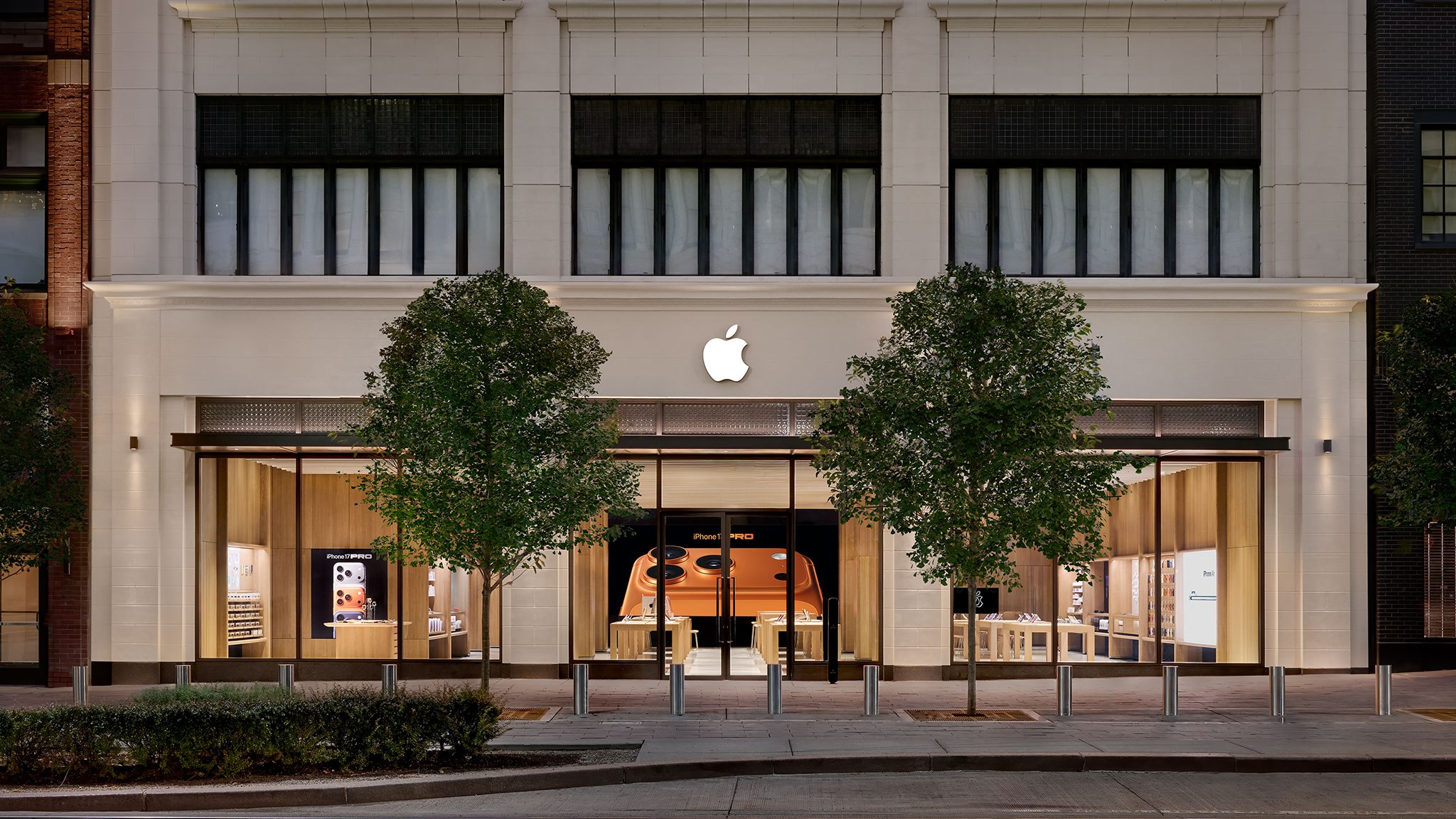
Apple has scheduled its next major product reveal for October 13 th at 9 AM ET, branding the occasion “Welcome Home.” The event will be streamed from New York and is positioned as the company’s first dedicated smart‑home showcase since the introduction of HomeKit. According to the official announcement, the lineup includes:
- A brand‑new smart‑home hub that will serve as the central brain for Apple’s expanding ecosystem.
- Apple TV and HomePod mini refreshes, signaling the company’s intent to keep its living‑room hardware competitive.
- A preview of partner devices from LG, hinting at deeper cross‑brand integration.
Notably, the long‑rumored touchscreen MacBook will not appear at this event. Veteran Apple analyst Mark Gurman confirmed the device is slated for a later launch later this month. This timing decision underscores Apple’s strategy of separating its core hardware refreshes from experimental form‑factor announcements.
The New Smart‑Home Hub: What We Know
Apple has been tight‑lipped about specifications, but the hub is expected to run a dedicated home OS platform. The following technical expectations are grounded in Apple’s recent software trends and the broader smart‑home market:
Matter Compatibility – Apple has already
Matter Compatibility – Apple has already joined the Connectivity Standards Alliance, so the hub will act as a certified Matter controller, allowing seamless pairing with devices from other manufacturers without requiring separate bridges.
Thread Support – Expect a built‑in Thread radio, giving low‑latency, low‑power mesh networking for battery‑operated sensors and lights.
Siri Integration – The hub will likely embed an always‑on Siri instance, enabling voice‑first control of scenes, automations, and HomeKit Secure Video storage without needing an iPhone nearby.
Local Processing – Following Apple’s push for on‑device intelligence, the hub should run core automations locally, reducing reliance on cloud services and improving privacy.
Home OS Features – A stripped‑down version of iOS/iPadOS tailored for home use, possibly offering a widget‑style dashboard on a companion iPhone or Apple TV, as well as a “Home App” redesign that mirrors the hub’s UI.
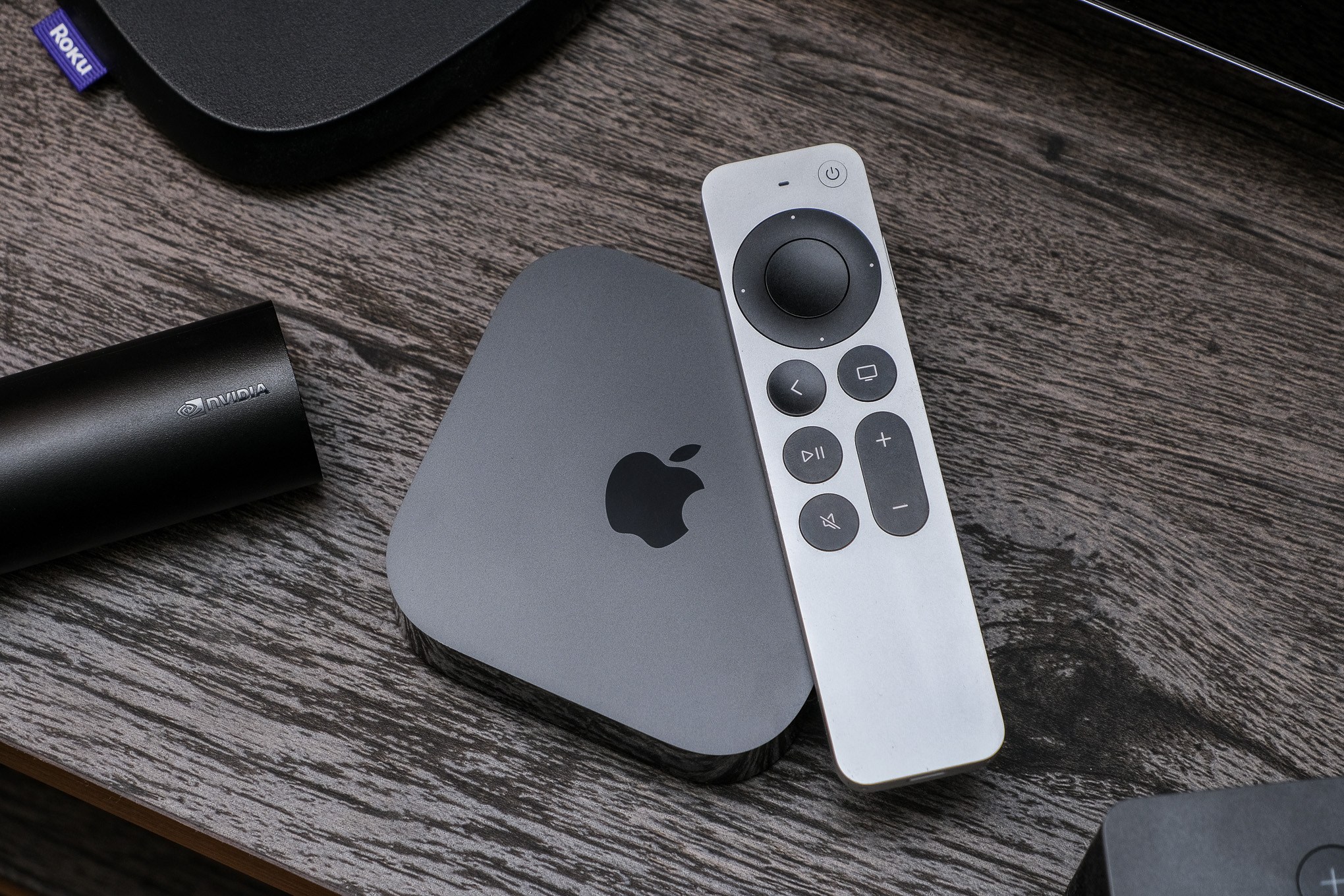
Apple TV Refresh: What to Anticipate
Apple TV has been due for a hardware bump since the 2022 4K model. The upcoming iteration is rumored to include:
- A‑15 Bionic Chip – Providing smoother UI transitions, better gaming performance via Apple Arcade, and enhanced HDR rendering.
- HDMI 2.1 Support – Enabling 4K @ 120 Hz and Variable Refresh Rate for next‑gen consoles and high‑frame‑rate streaming.
- Improved Remote – A redesigned Siri Remote with a tactile clickpad, longer battery life, and a built‑in temperature sensor for ambient‑aware playback.
- Expanded Storage Options – 128 GB base model, with a 256 GB variant for users with large media libraries.
Software‑wise, Apple TV will debut home OS 1.0 as a secondary platform, allowing users to control their smart‑home devices directly from the TV interface, set up automations, and view HomeKit Secure Video feeds on the big screen.
HomePod mini Refresh: Minor but Meaningful
The HomePod mini is expected to receive a modest hardware refresh that aligns it with the new hub:
- S7 Chip – A step up from the current S5, delivering faster voice processing and better multi‑room audio synchronization.
- UWB Enhancements – Improved Ultra‑Wideband for more precise hand‑off between iPhone and HomePod mini when moving between rooms.
- Temperature & Humidity Sensors – Adding environmental data to the HomeKit ecosystem, enabling automations like “turn on the fan when humidity exceeds 70 %.”
- New Color Options – Likely a matte black finish alongside the classic white, catering to broader interior design tastes.
LG Partner Devices: A Glimpse of the Ecosystem
Apple’s partnership with LG is expected to showcase a handful of LG appliances that will ship with native HomeKit support out of the box:
- Smart Refrigerators – Featuring a built‑in HomeKit hub, allowing temperature adjustments via Siri and integration with Home Kit automations (e.g., “notify me when the door is left open”).
- OLED TVs – LG’s latest OLED line will support Matter and Thread, enabling voice‑controlled power and picture‑mode changes through the Apple hub.
- Air Purifiers – Integrated air‑quality sensors that can trigger HomePod mini alerts or adjust HVAC settings automatically.
These collaborations hint at Apple’s broader strategy: positioning the hub as the central command center for both Apple‑made and third‑party devices.
Timeline & Pricing Speculation
| Product | Expected Release | Anticipated Price (USD) |
|---|---|---|
| Apple TV (4K) | Oct 13 2026 (pre‑order) | $149 (base) / $199 (256 GB) |
| HomePod mini (2nd gen) | Oct 13 2026 (pre‑order) | $99 |
| Apple Smart‑Home Hub | Oct 13 2026 (pre‑order) | $199‑$249 |
| LG Smart Appliances (selected) | Q4 2026 | Varies by model |
Pre‑orders are likely to open immediately after the livestream, with shipments beginning in late November, aligning with the holiday shopping window.
Why Apple Is Splitting the Touchscreen MacBook
Mark Gurman’s note that the touchscreen MacBook will debut later this month underscores Apple’s desire to keep the “Welcome Home” narrative focused on the living‑room ecosystem. By separating the experimental MacBook launch, Apple can:
- Maintain Event Cohesion – A single theme (smart home) makes the messaging clearer for consumers and investors.
- Avoid Diluting Hype – The MacBook’s radical form factor will generate its own buzz, deserving a dedicated stage.
- Stagger Revenue Peaks – Staggered launches help smooth out quarterly earnings, giving Apple multiple sales spikes in a short period.
Conclusion
Apple’s “Welcome Home” event marks a pivotal moment for the company’s smart‑home ambitions. By introducing a dedicated hub running a purpose‑built home OS, refreshing core living‑room hardware, and deepening ties with partners like LG, Apple is positioning itself as the connective tissue of modern households. While the hub’s exact specs remain under wraps, the outlined expectations—Matter and Thread support, on‑device processing, and tight Siri integration—suggest a device that will both simplify and expand the Apple ecosystem.
The decision to hold back the touchscreen MacBook until later this month further highlights Apple’s strategic pacing, ensuring each major announcement receives the spotlight it deserves. Consumers can look forward to a more unified, privacy‑first smart‑home experience that leverages Apple’s hardware polish and software ecosystem.
FAQ
Q: Will the new hub replace the HomePod mini as the primary HomeKit controller?
A: Not entirely. The hub will act as the central brain, but HomePod mini will continue to serve as a secondary controller and speaker, especially for voice interactions in individual rooms.
Q: Is the hub compatible with existing HomeKit accessories?
A: Yes. All current HomeKit‑compatible devices will work, and the hub adds Matter and Thread support for a broader range of third‑party products.
Q: Can I control the hub without an iPhone?
A: The hub includes a small touch‑screen interface for basic status checks and quick scene activation, but full configuration still requires an iPhone, iPad, or Mac.
Q: Will the new Apple TV support gaming consoles?
A: With HDMI 2.1 and Variable Refresh Rate, the Apple TV will be ready for next‑gen consoles like the PlayStation 6 and Xbox Series Z, as well as Apple Arcade titles.
Q: When will the LG devices be available?
A: Selected LG appliances are slated for launch in Q4 2026, with pre‑orders opening shortly after the Apple event.
Q: How does the new HomePod mini improve on the original?
A: The refresh adds a faster S7 chip, UWB enhancements, environmental sensors, and new color options, while retaining the compact form factor and price point.
Q: Will the hub support third‑party voice assistants?
A: Apple’s focus remains on Siri for privacy reasons, but the hub’s Matter compliance means it can interoperate with other assistants at the device level (e.g., Alexa‑enabled lights will still work, though voice commands will route through Siri).
Q: Is there a chance the hub will be sold as a standalone device or bundled with Apple TV?
A: Apple has hinted at both options. A standalone hub priced around $199‑$249 is expected, with possible bundle discounts when purchased with Apple TV or HomePod mini.
Source: Original Article