



The Setting – A Red‑Brick Courtyard in Pasadena
The story begins on a quiet street in Pasadena, California, where a red‑brick courtyard houses a cluster of storefronts. One of those storefronts stands out: its glass doors swing open onto a sparse industrial hallway that feels more like a gallery than a traditional office lobby. The hallway leads to a sun‑lit foyer dominated by a striking spiral staircase, a design cue that suggests the space is meant for creative collaboration.
Beyond the foyer lies a typical coworking floor: rows of open desks, a modest pantry stocked with healthy snacks, and glass‑walled meeting rooms that can be booked on demand. The vibe is modern, flexible, and deliberately low‑cost—exactly the kind of environment many early‑stage hardware startups gravitate toward when they need to conserve cash while still attracting talent.
Office 18 – The “Headquarters” That Isn’t
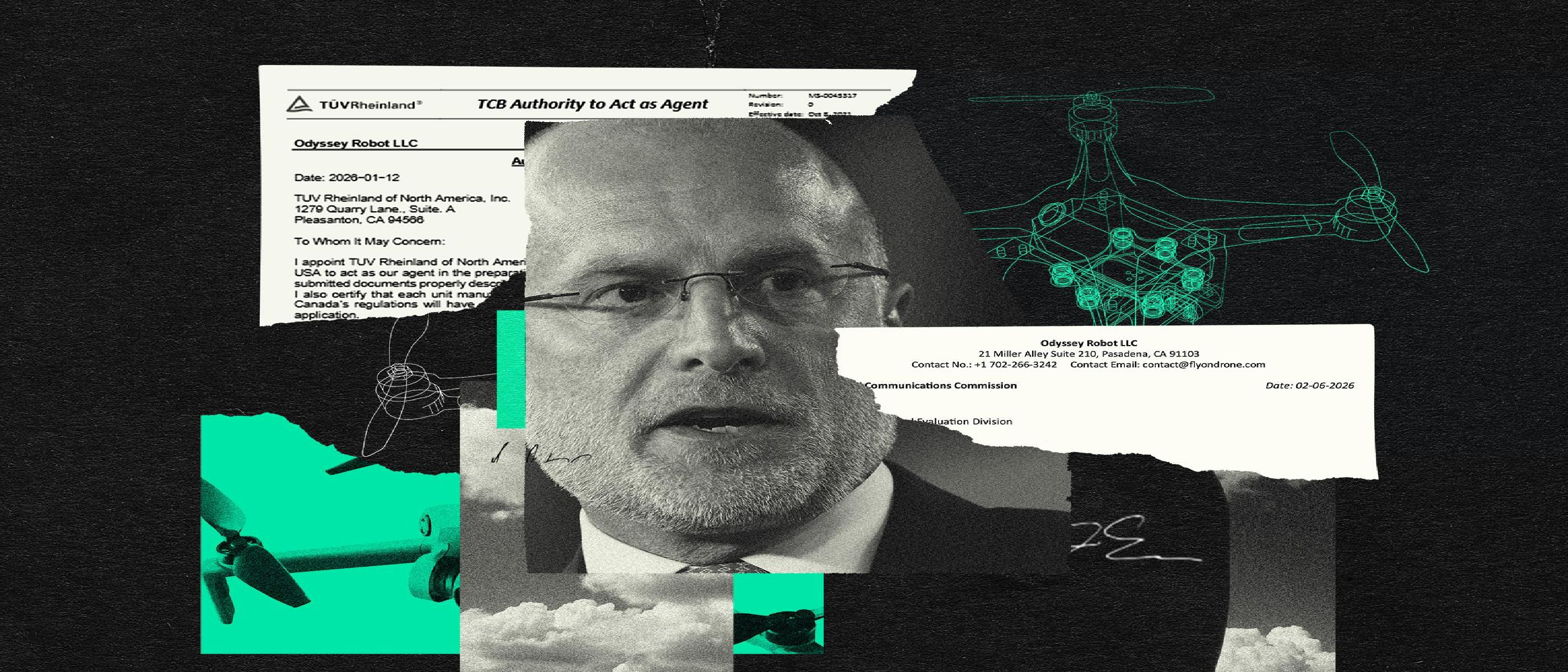
Tucked away down a secondary hallway that loops back toward the entrance is Office 18. According to signage and a brief note on the building’s directory, this tiny private office is supposed to serve as the headquarters for Odyssey Robot, a U.S.‑based drone startup that has been quietly mentioned in a few industry newsletters.
A quick visual audit of Office 18 tells a different story:
- Three small desks and matching chairs – no ergonomic chairs, no standing desks.
- No power strips, monitors, keyboards, or chargers – the space looks like a showroom rather than a functional workstation.
- No personal items, whiteboards, or prototype hardware – the walls are bare, and the only visible equipment is a small potted plant.
The absence of any obvious work‑related gear raises the question: why would a drone company claim a headquarters that looks more like a placeholder?
Why an Empty Office Matters for a Drone Startup
1. Capital Allocation Signals
Hardware startups, especially those building UAVs, burn cash at a rapid pace. The decision to occupy a minimalist office could indicate that Odyssey Robot is deliberately conserving capital for research, development, and flight testing rather than spending on office aesthetics. In the broader context of venture‑backed hardware, this is a familiar pattern: SpaceX’s early days were marked by a similar “bare‑bones” approach, focusing funds on rockets rather than office perks.
2. Remote‑First or Distributed Teams
The modern tech workforce increasingly embraces remote work. An empty office may simply be a legal address for incorporation, while engineers and designers collaborate from home, labs, or partner facilities. This model reduces overhead and can accelerate product cycles, but it also makes it harder for outsiders to gauge a company’s operational health.
3. Regulatory and Safety Constraints
UAV development is heavily regulated by the FAA and other agencies. Companies often need dedicated test ranges, secure labs, and compliance offices that are not visible to the public. The lack of visible equipment could be intentional, keeping sensitive prototype work away from prying eyes.
4. Market Perception and Investor Confidence
Investors watch for tangible signs of progress: prototype flights, patents, or at least a bustling office. An empty headquarters can be a red flag, prompting deeper due‑diligence. Conversely, it could be a strategic move to avoid premature hype while the team finalizes a breakthrough technology.
Industry Impact – The UAV Landscape in 2026
The UAV market has matured dramatically over the past five years. Commercial drone usage now spans:
- Last‑mile delivery – companies like Amazon Prime Air and Zipline have scaled operations.
- Infrastructure inspection – utilities and telecoms rely on drones for hard‑to‑reach assets.
- Agricultural monitoring – precision farming uses multispectral imaging for crop health.
Odyssey Robot’s silence may reflect broader market pressures:
- Supply‑chain bottlenecks for high‑density batteries and lightweight composites.
- Increasing competition from well‑funded players such as SpaceX Starfall Launch , which is extending its orbital cargo expertise to high‑altitude UAVs.
- Regulatory tightening after several high‑profile incidents, prompting startups to invest heavily in compliance rather than rapid product roll‑outs.
Comparative Insight
The recent Robotaxi Recall highlighted how autonomous vehicle firms must prioritize safety over speed to market. Drone startups face a similar dilemma: pushing innovative flight capabilities while ensuring they meet stringent safety standards.
Funding Landscape
While venture capital remains abundant for AI‑driven software, hardware‑centric UAV firms often need larger rounds to cover prototyping, testing, and certification. The Venus Aerospace’s $90M RDRE funding round illustrates that investors are still willing to back ambitious aerospace hardware, but they expect clear milestones and demonstrable progress.
Technical Breakdown – What Might Odyssey Robot Be Building?
Even without a visible prototype, we can infer possible technical directions based on industry trends and the company’s name.
1. Autonomous Navigation Stack
Most modern drones integrate computer vision, SLAM (Simultaneous Localization and Mapping), and AI‑based obstacle avoidance. A “Robot” moniker suggests a focus on autonomy rather than remote piloting.
- Sensors: LiDAR, stereo cameras, and ultrasonic rangefinders.
- Processing: Edge AI chips (e.g., NVIDIA Jetson, Qualcomm Snapdragon Flight) for real‑time inference.
- Software: Open‑source frameworks like ROS 2, possibly customized for low‑latency flight control.
2. Payload Specialization
UAVs can be categorized by payload: delivery, inspection, or data collection. The lack of visible hardware could mean Odyssey is still in the design phase, selecting a niche that differentiates them from commodity drone manufacturers.
3. Energy Efficiency
Battery technology remains a limiting factor. Companies are experimenting with:
- Hybrid powertrains (combustion + electric) for extended range.
- High‑energy‑density cells (solid‑state prototypes) that are still in early testing.
If Odyssey is pursuing a novel power solution, they may be keeping prototypes under wraps until they achieve a reliable flight envelope.
4. Regulatory‑Ready Design
Compliance with Part 107 (U.S. commercial drone rules) and upcoming Remote ID mandates requires built‑in transponders and secure communication links. Early design decisions around these features can dictate the overall architecture.
Future Outlook – What Could Be Next for Odyssey Robot?
Short‑Term (6‑12 months)
- Prototype Reveal – Expect a public flight demonstration at a local tech event or a live‑streamed test flight. This would validate the autonomous stack and attract seed or Series A funding.
- Partnerships – Collaboration with logistics firms or municipal agencies could provide a real‑world use case and accelerate certification.
Mid‑Term (1‑2 years)
- Regulatory Certification – Securing FAA waivers for beyond‑visual‑line‑of‑sight (BVLOS) operations would be a major milestone.
- Scale‑Up Manufacturing – Transition from hand‑built prototypes to low‑volume production, possibly leveraging contract manufacturers in the Pacific Northwest.
Long‑Term (3‑5 years)
- Market Entry – Competing in niche markets such as high‑altitude, long‑duration surveillance or specialized delivery (e.g., medical supplies to remote clinics).
- Acquisition Potential – Larger aerospace firms may view a proven autonomous UAV platform as an attractive acquisition target, similar to how SpaceX Starfall Launch acquired smaller payload specialists.
Frequently Asked Questions
Q: Does an empty office mean Odyssey Robot is failing?
A: Not necessarily. Many hardware startups operate with minimal office space while focusing resources on R&D and testing. However, the lack of visible activity does warrant closer scrutiny from investors and partners.
Q: What regulatory hurdles do UAV startups face in the U.S.?
A: Key challenges include obtaining FAA Part 107 waivers for BVLOS flights, complying with Remote ID requirements, and meeting safety standards for commercial operations.
Q: How does Odyssey Robot’s situation compare to other autonomous vehicle companies?
A: Similar to the Robotaxi Recall incident, UAV firms must balance rapid innovation with rigorous safety testing. An empty office may simply reflect a strategic pause to address these concerns.
Q: Could Odyssey Robot be working on a technology related to space launch?
A: While speculative, the convergence of UAV and small‑sat launch technologies is an emerging field. Companies like SpaceX Starfall Launch
are exploring high‑altitude platforms that blur the line between drones and rockets.
Q: What should investors look for when evaluating a hardware startup with limited visible assets?
A: Focus on the team’s expertise, patents filed, prototype flight data, and clear regulatory pathways. Financial burn‑rate and runway are also critical indicators.
Conclusion
The quiet, almost sterile Office 18 in Pasadena offers a compelling snapshot of the challenges facing modern UAV startups. Whether Odyssey Robot is conserving cash, operating remotely, or shielding a breakthrough prototype, the empty space forces observers to look beyond surface appearances and evaluate the deeper technical and market forces at play. As the drone ecosystem continues to mature—driven by logistics, inspection, and emerging aerial services—the ability to navigate regulatory hurdles, secure funding, and demonstrate tangible progress will determine which companies rise from empty offices to dominate the skies.
Source: Original Article