






Why Singapore Is a Strategic First International Market
Singapore has long been a proving ground for cutting‑edge mobility solutions. Its compact geography, high‑density urban core, and tech‑savvy population create an ideal sandbox for autonomous‑vehicle (AV) pilots. Several factors make the city‑state especially attractive for Waymo’s next big rollout:
- Regulatory Clarity – The Land Transport Authority (LTA) has published a detailed framework for AV safety assessments, giving companies a predictable path to market entry.
- Infrastructure Readiness – Singapore’s road network is equipped with high‑resolution LiDAR‑compatible signage, 5G coverage, and extensive digital mapping initiatives that align with Waymo’s sensor suite.
- Public Acceptance – Surveys consistently show Singaporeans are more open to shared autonomous mobility than many other regions, reducing the social friction often encountered in early deployments.
By targeting Singapore, Waymo can validate its Ojai platform in a real‑world environment that mirrors the complexities of larger Asian megacities, while also building a brand presence in a market that values safety and innovation.
Technical Breakdown of the Waymo Ojai Platform
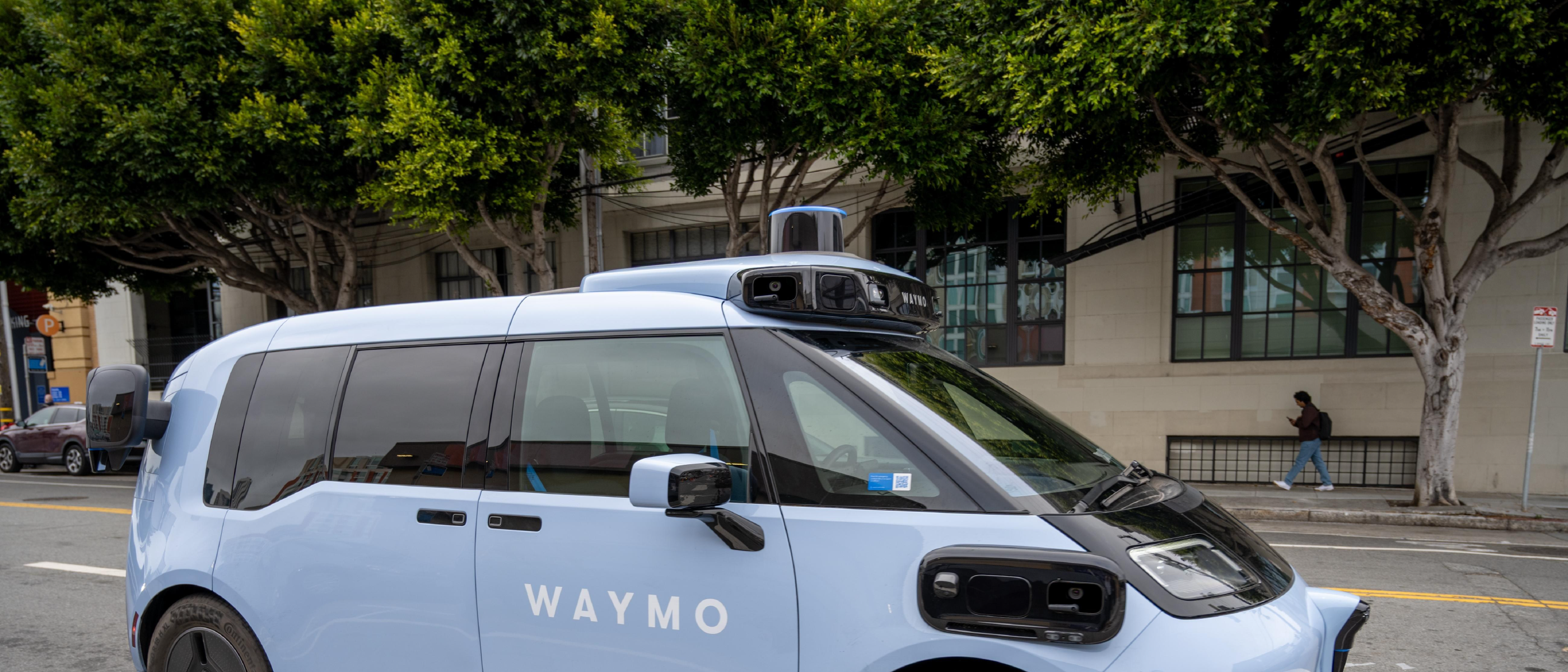
Waymo’s Ojai vehicle, first spotted on San Francisco streets in August 2026, represents the culmination of years of sensor fusion, AI decision‑making, and vehicle‑to‑infrastructure (V2I) integration. While Alphabet has kept many specifics proprietary, the publicly disclosed capabilities include:
- Sensor Suite: A combination of 32 high‑definition LiDAR units, eight 4K cameras, and a radar array that provides 360° perception up to 200 meters.
- Compute Architecture: Dual custom ASICs delivering 2 petaflops of AI processing power, enabling real‑time object classification and trajectory prediction.
- Redundant Safety Systems: Independent braking, steering, and power‑train controls that can take over if the primary system fails.
- Mapping & Localization: Waymo’s high‑definition maps are continuously updated via fleet‑wide data collection, allowing the Ojai to achieve centimeter‑level positioning even in dense urban canyons.
These technical pillars will be put to the test during the 2027 mapping and testing phase in Singapore. The vehicles will operate with human safety drivers initially, gathering localized data to fine‑tune the perception stack for Singapore’s unique road markings, weather patterns, and traffic behaviors.
Connectivity Considerations
A reliable data link is essential for fleet management and over‑the‑air updates. Waymo plans to leverage Singapore’s nationwide
network of 5G cells and the government‑run Singapore‑wide Intelligent Transport System (ITS) to stream high‑bandwidth sensor data back to its cloud‑based training clusters. By tapping into the city’s low‑latency edge‑computing nodes, Waymo can offload heavy perception workloads in real time, enabling rapid over‑the‑air (OTA) model updates during the 2027 pilot. The partnership also gives the company access to Singapore’s Traffic Management Data Hub, which aggregates anonymized vehicle trajectories, traffic signal timings, and incident reports—critical inputs for refining the Ojai’s predictive planning algorithms.
2027 Mapping & Testing Roadmap
| Quarter | Milestone | Details |
|---|---|---|
| Q1 2027 | Vehicle Arrival & Depot Setup | First batch of Ojai units shipped from California, assembled at Waymo’s Singapore test depot near the Jurong Innovation District. |
| Q2 2027 | Initial Mapping Runs | Human‑safety‑driver‑operated Oajis conduct high‑resolution LiDAR sweeps of the Central Business District, Marina Bay, and residential zones to create Singapore‑specific HD maps. |
| Q3 2027 | Safety‑Driver Trials | Expanded fleet (≈30 vehicles) runs passenger‑free trips on pre‑approved routes, testing V2I communication with LTA’s Smart Traffic Lights. |
| Q4 2027 | Limited Public Pilot | Up to 5 % of trips on selected routes (e.g., Orchard‑Raffles Place corridor) open to invited riders with a Waymo safety driver on board, gathering rider feedback and performance metrics. |
| Early 2028 | Full‑Scale Autonomous Service | After LTA sign‑off, Oajis operate driver‑less on the full network of approved routes, offering on‑demand ride‑hailing via the Waymo app. |
The roadmap is deliberately staged to satisfy LTA’s “Safety Assessment” requirement, which mandates a minimum of 10 000 km of supervised autonomous operation and a documented safety case before any driver‑less service can be launched.
Regulatory Hurdles & LTA Approval Process
Singapore’s Land Transport Authority has outlined a three‑phase assessment for AV operators:
- Design Review – Submission of vehicle architecture, safety‑critical redundancy plans, and cybersecurity protocols. Waymo’s dual‑ASIC compute stack and independent braking/steering subsystems are already aligned with LTA’s “Fail‑Safe” criteria.
- Operational Test – Demonstration of at least 5 000 km of supervised autonomous driving on public roads, with a safety driver ready to intervene within 0.5 seconds. Waymo’s 2027 safety‑driver trials are designed to exceed this threshold.
- Safety Case & Certification – A comprehensive risk analysis, including scenario‑based testing (e.g., sudden lane closures, heavy rain, pedestrian‑dense zones). Successful completion results in a “Level 4 Autonomous Vehicle Permit,” the final green light for driver‑less service.
Waymo has already engaged in pre‑submission workshops with LTA, indicating confidence that the Ojai platform meets or surpasses the authority’s safety benchmarks.
Anticipated Pricing & Business Model
While Waymo has not disclosed exact fare structures, industry analysts project a tiered pricing model:
- Base Fare – SGD 3.00 per trip (covers vehicle dispatch and insurance).
- Distance Rate – SGD 0.80 per kilometre, competitive with existing ride‑hailing services.
- Dynamic Surge – Adjustments during peak hours or high‑demand events, capped at 1.5× the standard rate to maintain affordability.
Waymo is also expected to bundle a subscription option for frequent commuters, offering a fixed monthly fee (≈SGD 120) for unlimited rides within designated zones. Revenue sharing with local partners (e.g., telecom providers for connectivity) will likely follow a 70/30 split in Waymo’s favour, mirroring its U.S. market arrangements.
Potential Impact on Singapore’s Mobility Landscape
- Reduced Congestion – Autonomous ride‑hailing can improve vehicle occupancy rates, potentially lowering the number of privately owned cars on the road.
- Lower Emissions – The Ojai fleet will be built on an electric chassis, aligning with Singapore’s “Zero‑Emission Vehicle” target for 2030.
- Job Creation – While driver‑less fleets may reduce traditional taxi jobs, Waymo’s local operations (maintenance, data analysis, V2I integration) are expected to generate ~250 skilled positions.
- Data‑Driven Urban Planning – Aggregated, anonymized trip data will feed into LTA’s traffic optimisation models, helping to fine‑tune signal timings and road‑use policies.
Conclusion
Waymo’s Singapore rollout represents a pivotal moment for both the company and the broader autonomous‑vehicle ecosystem. By leveraging the Ojai platform’s advanced sensor suite, high‑performance compute, and robust safety redundancies, Waymo is poised to meet Singapore’s exacting LTA standards. The staged 2027 mapping and testing phase, coupled with a clear regulatory pathway, sets the stage for a fully driver‑less robotaxi service by 2028. If successful, the deployment will not only cement Singapore’s reputation as a global testbed for mobility innovation but also provide a replicable blueprint for Waymo’s expansion into other Asian megacities.
FAQ
Q: When will the first Waymo Ojai vehicles physically arrive in Singapore?
A: Waymo has confirmed that the initial batch will be shipped in the “coming months,” targeting a Q1 2027 depot installation.
Q: Will passengers be able to hail a Waymo robotaxi today via an app?
A: Not yet. The public‑facing Waymo app will be launched after LTA grants the Level 4 permit, expected in early 2028.
Q: How does Waymo ensure passenger safety without a human driver?
A: The Ojai incorporates redundant braking, steering, and power‑train controls, real‑time sensor fusion, and a cloud‑based safety monitoring system that can intervene remotely if anomalies are detected.
Q: Will the service be limited to certain districts initially?
A: Yes. The pilot phase will focus on high‑density corridors such as Orchard‑Raffles Place and the Marina Bay area before expanding city‑wide.
Q: How does Waymo handle data privacy in Singapore?
A: All collected data is anonymized at the edge before transmission, complying with Singapore’s Personal Data Protection Act (PDPA). LTA also conducts periodic audits of Waymo’s data handling practices.
Q: What happens if the 5G network experiences an outage?
A: Ojai’s onboard compute can operate autonomously for up to 30 seconds without external data, after which the vehicle will execute a safe stop and request human assistance.
Q: Are there plans for a shared‑fleet subscription model?
A: Industry speculation suggests a monthly unlimited‑ride pass could be introduced in 2029, once the fleet scales beyond 500 vehicles.
Source: Original Article