





Background and Timeline
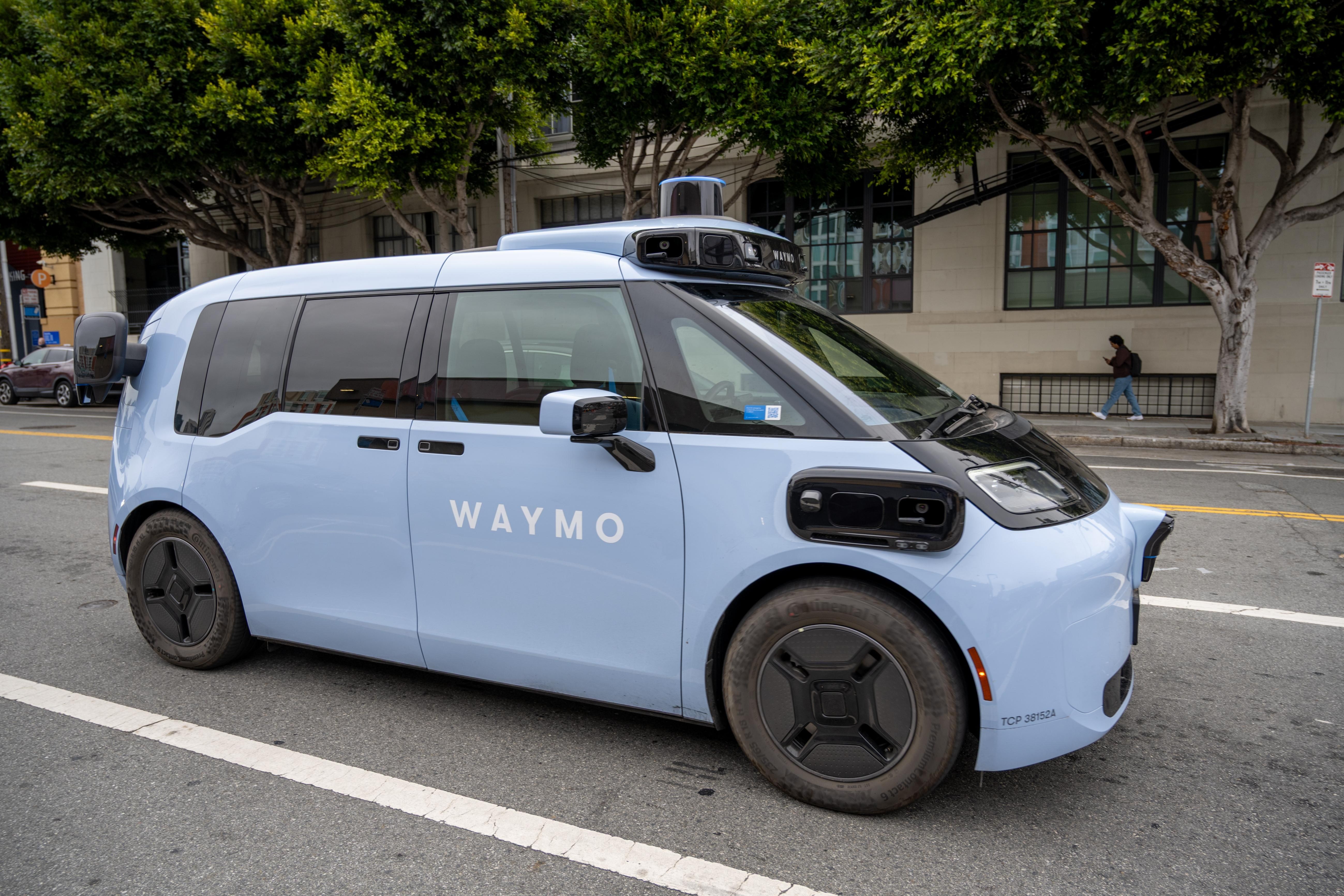
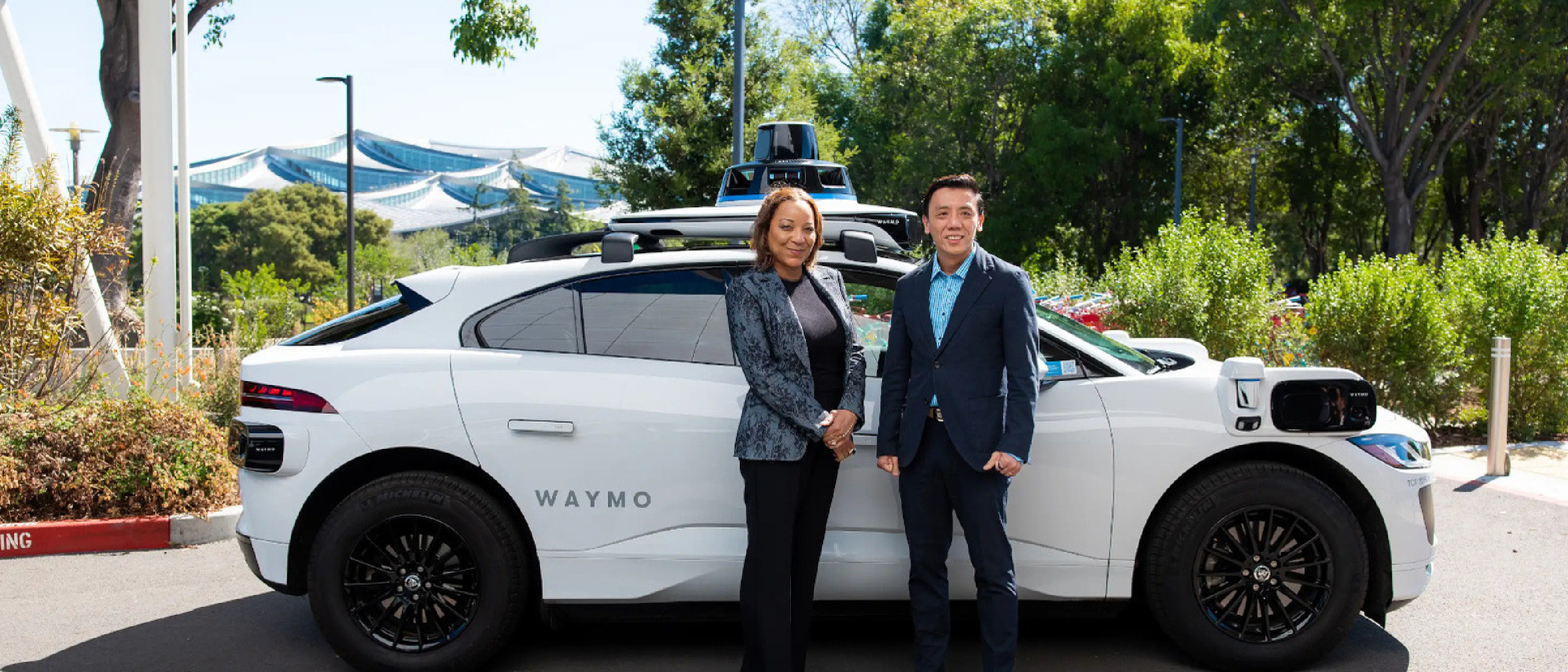
Waymo, Alphabet’s autonomous‑driving subsidiary, has spent more than a decade refining its self‑driving technology in the United States. After achieving a commercial foothold in Phoenix and San Francisco, the company turned its attention to international markets. Tokyo became Waymo’s first overseas testbed in 2025, where driver‑less Jaguar I‑PACE prototypes have been gathering data under dense urban conditions. The Japanese rollout is slated for commercial availability in 2027.
The Singapore expansion follows a similar phased approach:
- Coming months (2024‑2025): The first Jaguar I‑PACE vehicles arrive on the island.
- Throughout 2027: Waymo engineers manually drive the fleet to create high‑definition maps, calibrate perception sensors for local weather (tropical rain, high humidity) and adapt to Singapore’s unique road geometry, such as the extensive network of expressway slip‑roads and left‑hand traffic.
- 2028: Public ride‑hailing via the Waymo app launches, initially covering high‑density corridors and later expanding to suburban neighborhoods.
This timeline mirrors Waymo’s “map‑first, drive‑later” philosophy, where a detailed, centimeter‑accurate map is the foundation for safe autonomous operation.
Technical Architecture of Waymo’s Autonomous Stack
Waymo’s self‑driving system is a layered architecture that combines hardware, perception algorithms, planning modules, and a cloud‑based fleet management platform.
Sensors and Vehicle Platform
- Jaguar I‑PACE serves as the hardware platform. The electric SUV provides ample payload capacity for Waymo’s sensor suite, which includes LiDAR (four 64‑beam units), high‑resolution cameras (six forward‑facing, two rear‑facing), and a 360° radar ring.
- Redundant computing: Two NVIDIA Drive Orin processors run Waymo’s perception and planning software in parallel, ensuring fail‑over capability.
Perception and Localization
Waymo’s perception stack fuses LiDAR point clouds, camera imagery, and radar returns to detect dynamic agents (vehicles, cyclists, pedestrians) and static infrastructure (traffic signs, lane markings). In Singapore, the system must handle:
- Heat‑induced sensor drift caused by high ambient temperatures.
- Heavy rain attenuation, which reduces LiDAR range; Waymo compensates with radar‑enhanced detection.
- Complex lane markings on expressways that differ from U.S. standards.
Localization relies on a high‑definition map stored both on‑vehicle and in the cloud. The map encodes lane geometry, traffic signal timing, and even curb heights—critical for first‑and‑last‑mile routing.
Planning and Control
The planning module evaluates multiple candidate trajectories in real time, scoring them against safety, comfort, and efficiency criteria. Singapore’s dense traffic and frequent lane changes demand rapid replanning. Waymo’s control layer translates the chosen trajectory into throttle, brake, and steering commands, with built‑in redundancy to handle actuator failures.
Cloud Fleet Management
All vehicles stream telemetry to Waymo’s cloud platform, where machine‑learning models are continuously retrained using the aggregated data. This feedback loop accelerates improvements across the fleet and is essential for adapting to Singapore’s evolving traffic patterns.
Why Singapore? Strategic Rationale
Singapore offers a uniquely supportive environment for autonomous mobility:
- Regulatory clarity: The Land Transport Authority (LTA) has published a clear framework for autonomous vehicle testing and deployment, including a dedicated “Autonomous Vehicle Test Bed” that simplifies permitting.
- Compact urban layout: With a land area of just 728 km², Singapore’s road network is dense yet well‑maintained, allowing Waymo to achieve high coverage with a relatively small fleet.
- Public‑transport integration: The city‑state’s MRT and bus systems already enjoy high ridership. Waymo’s first‑and‑last‑mile focus aims to bridge the gap between residential districts and transit hubs, reducing reliance on private cars.
- Data‑rich environment: Singapore’s pervasive 5G rollout and city‑wide sensor infrastructure (e.g., traffic cameras) provide additional data streams that can augment Waymo’s perception stack.
These factors make Singapore an ideal proving ground before scaling to other Asian megacities.
Impact on Urban Mobility and First‑and‑Last‑Mile Connectivity
Waymo’s entry is poised to reshape how commuters think about mobility:
- Reduced “door‑to‑door” travel time: By offering on‑demand rides that connect directly to MRT stations, commuters can shave minutes off their journeys, especially in peripheral neighborhoods where bus frequencies are lower.
- Lower emissions: The Jaguar I‑PACE is fully electric. When combined with Waymo’s optimized routing, the service can achieve higher occupancy rates than traditional taxis, cutting per‑passenger emissions.
- Accessibility: The Waymo app includes features for riders with reduced mobility, such as voice‑guided booking and wheelchair‑compatible vehicle configurations.
- Economic stimulus: Autonomous ride‑hailing creates new jobs in fleet maintenance, data annotation, and local mapping, while also attracting ancillary services (e.g., charging infrastructure providers).
Challenges and Calibration Process
Deploying driverless cars in a tropical city presents technical and operational hurdles:
- Weather‑induced sensor degradation: Persistent humidity can fog camera lenses and corrode LiDAR housings. Waymo mitigates this with heated sensor enclosures and regular automated cleaning cycles.
- Dynamic road geometry: Singapore frequently updates lane configurations for construction or traffic‑flow optimization. Waymo’s mapping team conducts weekly “road‑watch” drives to capture changes, then pushes updates to the fleet over the air.
- Cultural driving nuances: Local drivers may exhibit different gap‑acceptance behavior at intersections. Waymo’s simulation environment incorporates these patterns, derived from the GO Taxi app data used in Tokyo, to fine‑tune the planner’s aggressiveness.
- Cybersecurity: Autonomous vehicles are high‑value targets for attackers. Waymo follows a “defense‑in‑depth” model, similar to the security practices discussed in the Zoom Zero‑Day Exploit analysis ([Zoom Zero‑Day Exploit: Remote Takeover of iPhone
—like the one detailed in the Zoom Zero‑Day Exploit analysis ( Zoom Zero‑Day Exploit: Remote Takeover of iPhone OS 15 – Technical Deep‑Dive ). Waymo’s stack employs hardware‑rooted trust, encrypted over‑the‑air (OTA) updates, and continuous intrusion‑detection monitoring to safeguard both the vehicle and the cloud services that coordinate the fleet.
Regulatory and Partnership Landscape
Waymo’s Singapore rollout is underpinned by a collaborative framework with the Land Transport Authority (LTA) and several local stakeholders:
| Partner | Role | Key Contributions |
|---|---|---|
| Land Transport Authority (LTA) | regulator | Issued a Level 4 autonomous vehicle licence, defined safety performance metrics, and allocated dedicated test‑bed zones on the Central Expressway (CTE) and Jurong East corridor. |
| Singapore Economic Development Board (EDB) | government agency | Provided grants covering up to 30 % of the initial capital expenditure for vehicle procurement and local mapping activities. |
| SP Group | utility provider | Installed high‑capacity DC fast‑charging stations at strategic depots (e.g., Changi Business Park, Tuas) to ensure the Jaguar I‑PACE fleet can maintain a 95 % charge state during peak operation hours. |
| Grab | mobility platform | Integrated the Waymo service into Grab’s “GrabPay” wallet, allowing seamless payment and multi‑modal trip planning that combines Grab rides, MRT, and Waymo shuttles. |
| NTU’s Autonomous Systems Lab | research partner | Supplies ongoing validation of perception algorithms against Singapore‑specific edge cases, such as the “double‑decker bus” blind‑spot scenario. |
The LTA’s “Autonomous Vehicle Test Bed” policy mandates that any Level 4 operator must submit a Safety Assurance Case before public deployment. Waymo’s submission includes:
- Functional Safety Analysis (ISO 26262) – Demonstrating that all safety‑critical software components meet ASIL‑D requirements.
- Operational Design Domain (ODD) Definition – Specifying permissible weather conditions (up to 80 mm/h rainfall, 35 °C ambient temperature) and road types (expressways, arterial roads, and selected residential streets).
- Redundancy Verification – Proving that sensor, compute, and actuation subsystems can tolerate single‑point failures without loss of safe stop capability.
The LTA has granted Waymo a “Conditional Public Service Licence” for a pilot period of 12 months, after which performance data will be reviewed for a full commercial licence.
Business Model and Pricing
Waymo’s revenue model in Singapore mirrors its U.S. operations but incorporates local market nuances:
- Dynamic Pricing Engine – Utilises real‑time demand, traffic congestion, and energy costs to adjust fares per kilometre. Early‑stage pricing is expected to be competitive with traditional taxis (approximately SGD 1.80 /km) to encourage adoption.
- Subscription Tier – “Waymo Plus” – For frequent commuters, a monthly subscription (SGD 199) offers unlimited rides within the core service area, priority dispatch, and a guaranteed vehicle occupancy of at least two passengers to improve fleet efficiency.
- Corporate Partnerships – Companies can purchase bulk ride credits for employee commuting, with discounts scaling from 5 % (100 rides) to 20 % (1,000 rides).
- Data Services – Waymo plans to monetize anonymized traffic‑flow data to the LTA and private logistics firms, providing insights into congestion patterns and road‑usage trends.
Future Outlook and Expansion Roadmap
Waymo’s Singapore entry is a stepping stone toward broader Asian penetration:
| Year | Milestone | Target Region |
|---|---|---|
| 2028 Q3 | Full‑city coverage in Singapore (including North‑East and West regions) | Singapore |
| 2029 | Launch of Level 4 autonomous shuttles on the Sentosa Island tourist circuit | Singapore |
| 2030 | Pilot of autonomous freight delivery vans in collaboration with DHL | Southeast Asia |
| 2031 | Expansion to Kuala Lumpur, leveraging the same Jaguar I‑PACE platform adapted for right‑hand traffic | Malaysia |
| 2032 | Introduction of autonomous “micro‑mobility hubs” integrating Waymo pods with e‑scooter docks | Regional |
Waymo’s long‑term vision includes a “Mobility‑as‑a‑Service (MaaS) ecosystem” where the Waymo app becomes a one‑stop portal for all transport modes—public transit, ride‑hailing, bike‑share, and even autonomous freight. Singapore’s Smart Nation initiatives, especially the nationwide 5G network and the “Data.gov.sg” open‑data platform, provide the digital backbone needed for such integration.
Conclusion
Waymo’s expansion into Singapore marks a pivotal moment for autonomous mobility in Asia. By leveraging a proven hardware platform (Jaguar I‑PACE), a robust perception‑planning stack, and a collaborative regulatory environment, Waymo is poised to deliver safe, efficient, and environmentally friendly first‑and‑last‑mile connectivity. The phased rollout—starting with meticulous high‑definition mapping, followed by rigorous safety validation, and culminating in a public launch—exemplifies the company’s “map‑first, drive‑later” philosophy. If the pilot meets its safety and performance targets, Singapore could become the launchpad for a network of Level 4 autonomous services across the region, reshaping urban transport and setting new standards for autonomous vehicle deployment worldwide.
Frequently Asked Questions (FAQ)
1. When can the public expect to book a Waymo ride in Singapore?
The public launch via the Waymo app is scheduled for early 2028, initially covering high‑density corridors such as the Central Business District to Orchard MRT and the Marina Bay area.
2. Will the Jaguar I‑PACE fleet be driver‑less from day one?
During the 2027 mapping and calibration phase, safety drivers will be on board to intervene if necessary. Full driver‑less operation is planned for the 2028 public rollout.
3. How does Waymo ensure passenger safety in heavy rain?
Waymo’s sensor suite includes heated LiDAR and radar that are less affected by rain. The perception algorithms dynamically adjust confidence thresholds, and the planning module adopts more conservative trajectories when visibility drops below predefined limits.
4. Is the Waymo service compatible with existing payment methods?
Yes. Riders can pay via the Waymo app using credit/debit cards, Apple Pay, Google Pay, or through the integrated GrabPay wallet.
5. What accessibility features are available?
The Waymo app supports voice‑guided booking, screen‑reader compatibility, and the fleet includes wheelchair‑compatible I‑PACE variants equipped with ramps and secure tie‑down points.
6. How does Waymo handle data privacy?
All telemetry and sensor data are anonymized at the edge before transmission. Waymo complies with Singapore’s Personal Data Protection Act (PDPA) and stores data in regional data centres to meet data‑sovereignty requirements.
7. Will there be charging stations dedicated to Waymo vehicles?
SP Group, in partnership with Waymo, is installing fast‑charging stations at key depots and high‑traffic nodes. These stations are exclusive to the Waymo fleet during the pilot phase but may be opened to other electric vehicles later.
8. Can businesses partner with Waymo for employee transport?
Yes. Waymo offers corporate ride‑credit packages and can integrate with enterprise mobility platforms for seamless employee commuting solutions.
9. How does Waymo address cybersecurity threats?
The platform uses hardware‑rooted trust, end‑to‑end encryption, OTA security patches, and continuous intrusion‑detection monitoring. Independent third‑party audits are conducted annually to validate the security posture.
10. What happens if a Waymo vehicle encounters a situation it cannot handle?
The system is designed to execute a safe‑stop maneuver and alert a remote operations center. A human safety driver can then take remote control or dispatch a backup vehicle if needed.
Source: Original Article