




Background and Timeline
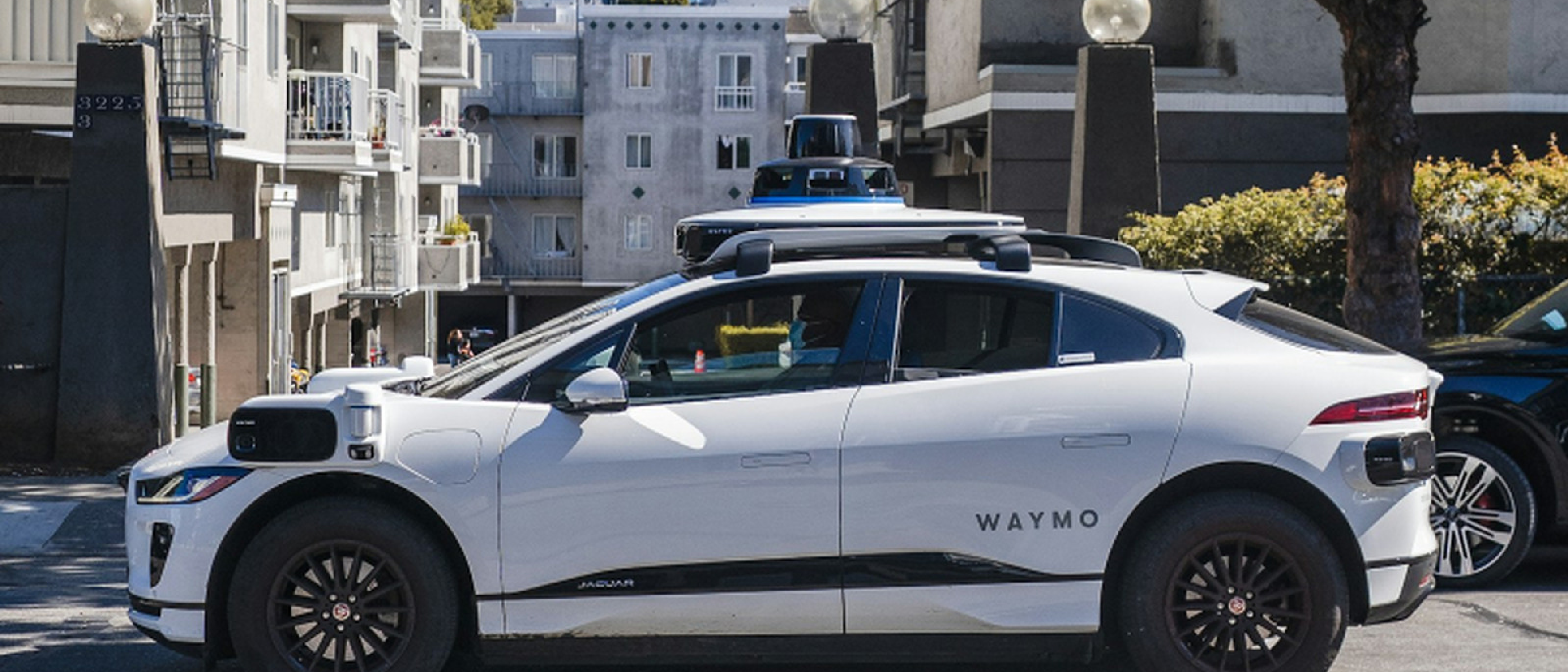
Waymo, Alphabet’s autonomous‑vehicle subsidiary, has confirmed that Munich will become the first European city to host a fully commercial robotaxi service. The company plans to begin street‑level mapping and on‑road testing with safety drivers within weeks, aiming for a public launch by the end of 2027.
The Munich rollout follows a rapid succession of European moves:
| Country | Milestone | Date |
|---|---|---|
| United Kingdom (London) | Public rides expected | As early as next month |
| France, Spain, Netherlands, Germany | Subsidiaries incorporated | June 2024 |
| Switzerland | Subsidiary registration confirmed | September 2024 |
These coordinated actions illustrate Waymo’s ambition to secure a pan‑European footprint before competitors can scale similarly.
Technical Approach: Mapping and Safety‑Driver Testing
High‑Definition Mapping
Waymo’s first step in Munich is to generate a high‑definition (HD) map of the city’s road network. HD maps capture lane geometry, traffic‑sign semantics, and static obstacles at centimeter‑level precision. The process involves:
- LiDAR sweeps from fleet vehicles to capture 3‑D point clouds.
- Camera imagery for color and texture data, essential for traffic‑sign recognition.
- Fusion algorithms that merge sensor streams into a unified, georeferenced map.
These maps become the baseline for Waymo’s perception stack, allowing the vehicle to predict road curvature and anticipate complex interactions at intersections.
Safety‑Driver Phase
Before removing the driver, Waymo will conduct a safety‑driver program where a trained operator sits in the front seat, ready to intervene. This phase serves three purposes:
- Real‑world validation of perception and planning modules against Munich‑specific traffic behavior.
- Data collection for edge‑case scenarios (e.g., Oktoberfest crowds, tram‑track crossings).
- Regulatory confidence—local authorities can observe the system’s response to unexpected events.
The safety‑driver model mirrors the approach used in Phoenix and Austin, where Waymo accumulated millions of miles before transitioning to driver‑less operation.
Regulatory Landscape in Germany
Germany’s autonomous‑vehicle framework is among the most mature in Europe. Key regulatory pillars include:
- StVZO (Road Traffic Licensing Regulations) – defines permissible levels of automation (SAE Levels 3‑5) and mandates a “technical safety concept.”
- Data‑privacy compliance – strict GDPR adherence for any video or sensor data that could identify pedestrians.
- Federal Motor Transport Authority (KBA) – issues the “Autonomous Driving Permit” after a thorough audit of the vehicle’s functional safety (ISO 26262) and cybersecurity (ISO/SAE 21434).
Waymo is actively engaging with municipal, state, and federal bodies to align its testing protocol with these standards. The company’s experience in the United States, where it has already secured driver‑less permits in Arizona and California, provides a strong precedent for navigating German bureaucracy.
Strategic Significance for Waymo and Europe
Market Penetration
Munich is Germany’s third‑largest city, home to a robust tech ecosystem and a high‑income population that is receptive to mobility‑as‑a‑service (MaaS) solutions. By establishing a foothold here, Waymo gains:
- Brand visibility in a market traditionally dominated by German automakers.
- Data diversity – German traffic patterns differ markedly from U.S. cities, enriching Waymo’s global learning models.
- Partnership opportunities with local transit agencies and ride‑hailing platforms.
Competitive Positioning
European rivals such as Cruise, Baidu Apollo, and Mercedes‑Benz’s Drive Pilot are also racing toward driver‑less deployment. Waymo’s early entry into Munich could force competitors to accelerate their own testing timelines, potentially leading to a “first‑to‑market” advantage in revenue‑generating robotaxi services.
AI and Hardware Synergy
The autonomous stack relies heavily on AI inference at the edge. Waymo’s custom‑designed Tensor Processing Units (TPUs) echo the high‑performance silicon discussed in the recent Apple M6 launch, highlighting a broader industry trend toward specialized AI chips for real‑time perception. For readers interested in the hardware side of AI, see the coverage of Apple’s new chips here: https://ltdeveloperblogs.github.io/posts/apples-new-desktop-computers-are-designed-specifically-for-local-ai-development
Security Considerations
Vehicle‑to‑cloud communication opens a surface for cyber‑attacks. Waymo’s security architecture incorporates end‑to‑end encryption, secure boot, and over‑the‑air (OTA) update verification—principles also emphasized in the Mac‑focused security article: https://ltdeveloperblogs.github.io/posts/your-mac-isnt-immune-to-viruses-surveillance-tools-intego-one-is-here-to-help
Future Outlook and Competitive Landscape
Timeline to Full Autonomy
- 2025 – Completion of safety‑driver testing, submission of a Level‑4 permit request to the KBA.
- 2026 – Limited driver‑less pilot in designated low‑traffic zones (e.g., university campuses, business districts).
- Late 2027 – Full commercial rollout across Munich’s central districts, with a fleet of up to 200 Waymo One vehicles.
Expansion Beyond Munich
Waymo’s German subsidiary will likely replicate the Munich model in other major cities such as Berlin and Frankfurt, leveraging the same HD‑map infrastructure. The company’s European subsidiaries in France, Spain, and the Netherlands, established in June, are poised to benefit from shared data pipelines, reducing the time needed to launch in each market.
Industry Ripple Effects
- Policy harmonization – As more jurisdictions adopt Level‑4 frameworks, a pan‑EU standard may emerge, simplifying cross‑border deployments.
- Supply‑chain shifts – Demand for LiDAR, high‑resolution cameras, and automotive‑grade AI chips will accelerate, influencing semiconductor roadmaps.
- Consumer perception – Early success in Munich could shift public opinion in Europe from cautious skepticism to enthusiastic adoption, mirroring the rapid acceptance seen in U.S. pilot cities.
Frequently Asked Questions
Q1: When will Waymo’s driver‑less vehicles be allowed on German roads without a safety driver?
A: Waymo aims to secure a Level‑4 autonomous driving permit by 2025, with full driver‑less service expected by the end of 2027.
Q2: How does Waymo ensure passenger safety during the testing phase?
A: Every test vehicle is equipped with a trained safety driver, redundant sensor suites, and a real‑time monitoring center that can intervene remotely if needed.
Q3: Will the robotaxi service be integrated with existing public transport in Munich?
A: Waymo has expressed interest in multimodal partnerships, potentially offering first‑mile/last‑mile connections to U-Bahn and S-Bahn stations.
**Q4: How does
Q4: How does Waymo handle data privacy in Germany?
Waymo’s data‑processing pipeline is fully GDPR‑compliant. Sensor footage that could identify individuals is automatically blurred at the edge before it leaves the vehicle. All retained datasets are stored on encrypted servers located within the EU, and Waymo’s privacy‑impact assessments are reviewed by the Bavarian Data Protection Authority on a quarterly basis.
Q5: What will the pricing model look like for Munich riders?
While exact fares have not been disclosed, Waymo has indicated that its robotaxi service will adopt a dynamic pricing structure similar to existing ride‑hailing platforms, with base rates comparable to premium taxi services and discounts for shared rides or off‑peak travel. The company also plans to integrate a subscription tier for frequent commuters, offering a set number of rides per month at a reduced per‑trip cost.
Q6: Will Waymo’s fleet be electric‑only?
Yes. All Waymo One vehicles slated for Munich are built on a fully electric chassis, aligning with Germany’s climate‑neutral mobility goals. The fleet will draw power from a mix of renewable sources, and Waymo is partnering with local utilities to install fast‑charging stations at strategic hubs throughout the city.
Conclusion
Waymo’s imminent Munich rollout marks a pivotal moment for autonomous mobility in Europe. By coupling rigorous safety‑driver testing with high‑definition mapping and a proactive regulatory strategy, the company is positioning itself to capture early market share in a region where automotive heritage runs deep. If the projected timeline holds, Munich could become the continent’s first city where passengers regularly board driverless robotaxis without a human behind the wheel—a milestone that would not only validate Waymo’s technology but also accelerate the broader shift toward fully autonomous, electric transportation across Europe.
For ongoing updates on Waymo’s European expansion and related autonomous‑vehicle developments, stay tuned to our Robotics section.
Source: Original Article