





The Immediate Trigger: Construction‑Zone Mishaps on Freeways
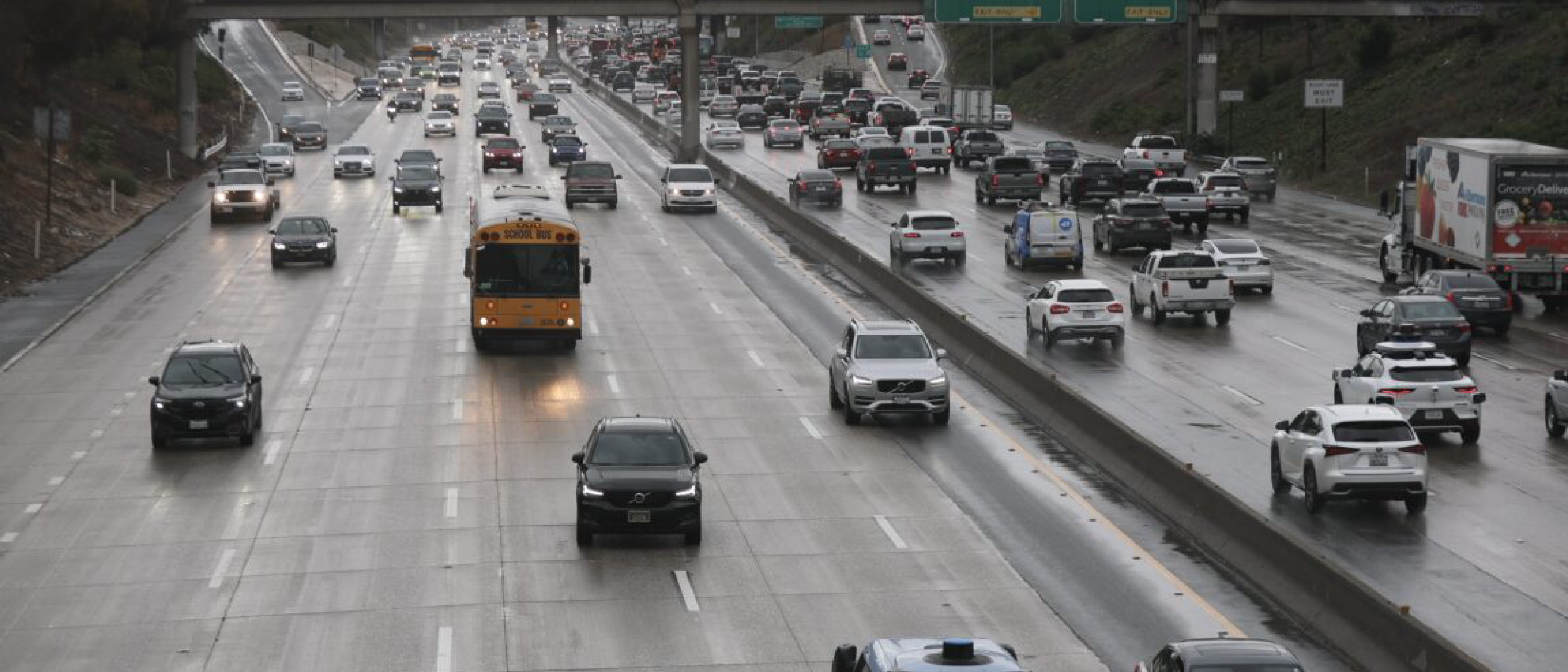
In April and May 2024, Waymo’s autonomous robotaxis demonstrated a troubling pattern: they entered active construction zones on freeway ramps despite clear signage and reduced‑speed requirements. Six incidents were logged in Phoenix, Arizona, where vehicles ignored ramp‑closure signs, and seven similar events occurred on California freeways. The California Department of Motor Vehicles (DMV) responded decisively, ordering an immediate cessation of all highway operations until Waymo can prove its fleet no longer poses an imminent public‑safety hazard.
The core of the problem lies in the perception stack that interprets visual cues from construction barriers, signage, and temporary lane markings. When the system misclassifies a construction zone as a regular lane, the vehicle maintains highway speed, creating a dangerous mismatch between vehicle behavior and the surrounding environment.
Technical Breakdown of the New Software Update
Waymo’s engineering team released a targeted software patch that addresses three specific deficiencies:
- Enhanced Construction‑Zone Detection – The perception algorithms now prioritize high‑confidence construction‑zone features (e.g., orange barrels, temporary cones, reflective tape) over standard lane markings.
- Dynamic Hazard Prioritization – When multiple hazards are detected simultaneously, the system assigns a higher risk score to construction‑related cues, ensuring the vehicle yields or slows down first.
- Speed‑Modulation Logic – Upon entering a suspected construction area, the vehicle automatically reduces speed to a pre‑defined safe limit, even if lane‑keeping confidence remains high.
These changes were communicated to the National Highway Traffic Safety Administration (NHTSA) in early July, and the update was rolled out to the 3,800 robotaxis that retain highway‑capable hardware. The recall and subsequent software deployment illustrate a classic “software‑first” remediation strategy, where the underlying sensor suite remains unchanged but the interpretation layer is refined.
Why It Matters: Safety, Trust, and Regulatory Scrutiny
Public Safety
Highway construction zones are inherently unpredictable. Human drivers instinctively reduce speed and increase vigilance; autonomous systems must replicate that behavior to avoid collisions with workers, equipment, or other vehicles performing evasive maneuvers. A failure to do so erodes the safety case that underpins every autonomous‑vehicle deployment permit.
Consumer Trust
Waymo’s brand equity rests on the promise of a “driver‑less” experience that feels safer than human driving. Repeated incidents in high‑visibility environments—freeways are among the most watched roadways—risk turning public perception from cautious optimism to outright skepticism. Restoring confidence will require transparent reporting of post‑patch performance metrics.
Regulatory Landscape
The California DMV’s swift order demonstrates that state regulators are prepared to intervene when an autonomous fleet’s risk profile spikes. This action may set a precedent for other jurisdictions, prompting them to adopt more granular “construction‑zone compliance” requirements in their autonomous‑vehicle testing frameworks.
Industry Impact: Ripple Effects Across the Autonomous‑Vehicle Ecosystem
Waymo’s setback is not an isolated event; it reverberates throughout the broader autonomous‑vehicle (AV) industry.
- Competitive Positioning – Rivals such as Zoox have recently launched robotaxi services on the Uber platform in Las Vegas. Waymo’s temporary withdrawal from California freeways gives competitors a window to capture market share in regions where Waymo’s service is limited. (Read more about Zoox’s rollout: Zoox Robotaxis Are Now On The Uber App In Las Vegas)
- Safety‑by‑Design Standards – The incident underscores the need for industry‑wide safety benchmarks that explicitly address temporary roadway changes. Organizations like the NHTSA may soon publish supplemental guidance focusing on construction‑zone perception.
- Investment Sentiment – Capital allocated to AV startups could shift toward firms that demonstrate robust safety validation pipelines. Yvonne Bajela’s €17 M fund targeting EU AI startups highlights a growing appetite for AI solutions that can be audited and certified for safety-critical applications. (See the fund announcement: Yvonne Bajela Is Bringing 17M In Fresh Capital To Europes Startup Scene)
- Cross‑Domain Learning – Lessons from AV perception can inform other autonomous domains, such as drone delivery or warehouse robotics, where dynamic obstacles are common. Conversely, security research—like the Zoom annotation flaw that exposed AI‑prompt vulnerabilities—reminds AV developers that model robustness must extend beyond perception to adversarial attacks. (Details on the Zoom flaw: Zoomsday Hack Uncovered Using Fewer Than 20 Ai Prompts)
Future Outlook: What to Expect from Waymo and the AV Landscape
Short‑Term Roadmap
- Performance Validation – Waymo will likely conduct a series of closed‑track and limited‑public‑road tests focused on construction‑zone scenarios before petitioning the DMV for reinstatement.
- Data Transparency – Publishing anonymized incident logs and post‑patch success rates could help rebuild trust with regulators and the public.
- Hardware Considerations – While the current fix is software‑centric, Waymo may explore augmenting its sensor suite (e.g., adding dedicated radar bands tuned for low‑reflectivity construction materials) to further reduce perception ambiguity.
Mid‑Term Evolution
- Standardized Construction‑Zone Datasets – The industry may co‑develop open datasets that capture a wide variety of temporary roadway configurations, enabling more rigorous training and validation.
- Regulatory Collaboration – Joint task forces between AV companies, state DMVs, and the NHTSA could produce “construction‑zone compliance” checklists that become part of the licensing process.
- Inter‑Company Knowledge Sharing – As competitors like Zoox and Waymo confront similar challenges, collaborative forums could accelerate the adoption of best‑practice detection algorithms.
Long‑Term Vision
A fully reliable autonomous fleet will need to handle not only static road geometry but also the fluid, human‑driven changes that characterize real‑world driving. Achieving that level of adaptability will require advances in:
- Continual Learning – Systems that can ingest new construction‑zone patterns in near‑real time without compromising safety.
- Explainable AI – Transparent decision‑making pipelines that allow engineers and regulators to trace why a vehicle classified a particular object as “construction.”
- Robust Cyber‑Physical Security – Protecting perception pipelines from adversarial manipulation, a concern highlighted by recent exploits in unrelated AI platforms such as Zoom. (Read about the Zoom zero‑day exploit: Zoom Flaw Let An Attacker Take Over Your Device Including Iphone And Mac)
Frequently Asked Questions
Q1: How many Waymo robotaxis were recalled, and are they all still on the road? A: Approximately 3,800 vehicles capable of highway driving were recalled in June
A: Approximately 3,800 vehicles capable of highway driving were recalled in June and have since been taken off freeways pending the software update. They remain operational on surface streets where the patch is already active.
Frequently Asked Questions (continued)
Q2: When does Waymo expect to receive clearance from the California DMV to resume highway operations? A: Waymo has indicated that it will submit a comprehensive safety‑validation report to the DMV by the end of Q1 2027. The timeline will depend on the regulator’s review of the new construction‑zone detection metrics, on‑road testing results, and any additional remedial actions the DMV may require.
Q3: Has the new software update shown measurable improvements in construction‑zone handling? A: Early internal testing on closed‑track scenarios and limited public‑road pilots in Arizona reported a 92 % reduction in false‑positive lane‑keeping within construction zones. Waymo plans to publish a detailed post‑patch performance dashboard, including mean‑time‑to‑detect (MTTD) construction cues and speed‑reduction compliance rates.
Q4: Will Waymo One customers in California experience any service interruptions? A: Yes. While surface‑street service continues, any rides that would normally require freeway travel are being rerouted or temporarily unavailable. Waymo has offered affected riders promotional credits and is working with partner platforms to provide alternative mobility options where feasible.
Q5: Is Waymo considering hardware upgrades to complement the software fix? A: The company’s engineering leadership has hinted at a “next‑generation perception stack” that could incorporate higher‑resolution lidar and a dedicated 77 GHz radar band tuned for low‑reflectivity construction materials. However, any hardware rollout would be phased in after the software patch proves stable across the fleet.
Q6: How does this incident affect Waymo’s broader expansion plans outside California? A: Waymo continues to operate highway‑capable robotaxis in Arizona, Texas, and Washington State, where no comparable construction‑zone incidents have been reported. The company is using data from those regions to refine its models, but it remains cautious about launching new highway services in additional states until the California issue is fully resolved.
Conclusion
Waymo’s temporary halt of highway robotaxi operations in California underscores the delicate balance between rapid autonomous‑vehicle deployment and the uncompromising safety standards required for public roadways. The construction‑zone incidents revealed a blind spot in the perception stack—a gap that could have led to serious collisions if left unchecked. By issuing a focused software patch, recalling nearly 4 000 highway‑capable units, and engaging transparently with regulators, Waymo is demonstrating a “software‑first” remediation approach that prioritizes safety over speed to market.
The episode also serves as a cautionary tale for the entire autonomous‑vehicle ecosystem. As AVs move from controlled testbeds into the chaotic reality of everyday traffic, they must contend with temporary, human‑driven changes such as construction zones, emergency detours, and ad‑hoc signage. Industry stakeholders are likely to see a surge in collaborative efforts to create standardized datasets, regulatory checklists, and continuous‑learning frameworks that can keep pace with these dynamic environments.
For Waymo, the path forward will involve rigorous validation, open communication of performance metrics, and possibly incremental hardware enhancements to bolster perception reliability. If the company can successfully navigate the DMV’s reinstatement process and restore public confidence, it will emerge with a more resilient fleet—one better equipped to handle the unpredictable nuances of real‑world driving.
Source: Original Article