
watchOS 273 Beta Overview
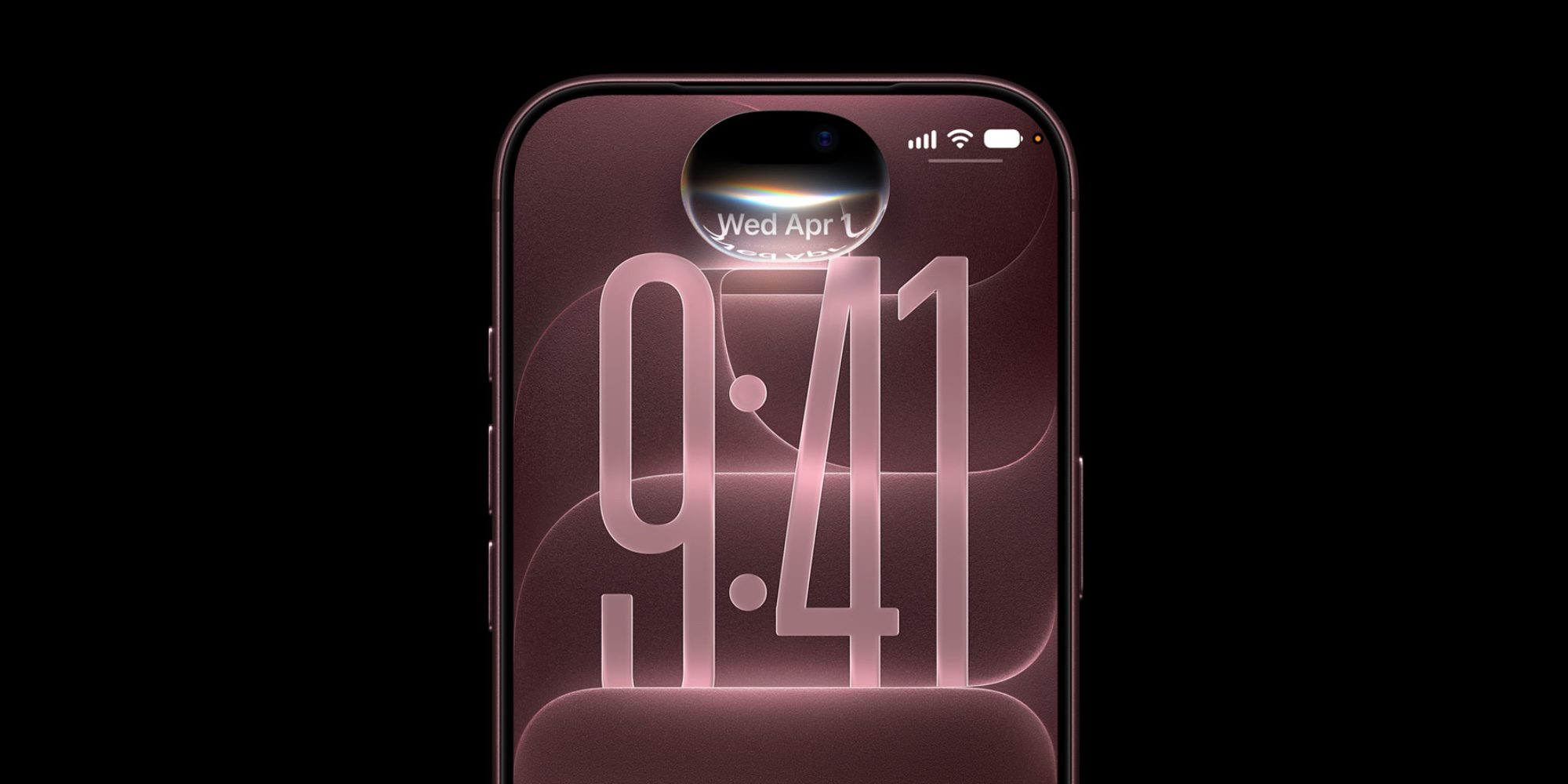
Apple’s latest wearable operating system, watchOS 273, entered public beta this month, bringing two headline‑grabbing capabilities: Siri Recap and Live Rewind. Both features are positioned as extensions of Apple’s broader AI strategy that has been unfolding across iOS 27.3, where Siri received a major expansion of app‑level skills Ios 273 Expands Siri Ai With Many New Capabilities Across Apple Apps.
The beta also retains the incremental performance improvements and battery‑optimizations that Apple typically ships with each watchOS iteration. Early adopters report smoother animation pipelines, reduced latency when launching third‑party complications, and a more responsive haptic engine. While the core UI remains familiar, the new AI‑centric interactions signal a shift from the watch as a passive notification hub to an active conversational assistant.
Siri Recap: Enhancing AI Interaction on the Wrist
Siri Recap is designed to surface contextual summaries of a user’s recent activity, health data, and app interactions directly on the watch face. Rather than requiring a manual query, the feature pushes concise, voice‑driven narratives at appropriate moments—such as after a workout, a calendar event, or a significant health metric change.
Core Use Cases
- Health Summaries – After a run, Siri can say, “You completed a 5 km run in 28 minutes, burning 350 kcal.” This aligns with the health‑app redesign introduced in iOS 27.3 Beta 1 Everything New In Ios 273 Beta 1 So Far.
- Calendar Highlights – At the start of a day, Siri may recap upcoming meetings, travel time, and any prep material stored in Notes.
- App Skill Prompts – For developers who have enabled Siri app skills, the Recap can surface actionable suggestions, a capability opened up by Apple’s new developer framework Developers Can Now Create Advanced App Skills For Siri Ai.
Interaction Model
The Recap appears as a compact overlay on the watch face, triggered either by a timed schedule or by contextual cues (e.g., heart‑rate spikes). Users can tap the overlay to expand the summary, ask follow‑up questions, or dismiss it with a long‑press gesture. The voice engine runs locally where possible, preserving privacy and reducing reliance on cellular data.
Live Rewind: New Playback Capabilities for Apple Watch
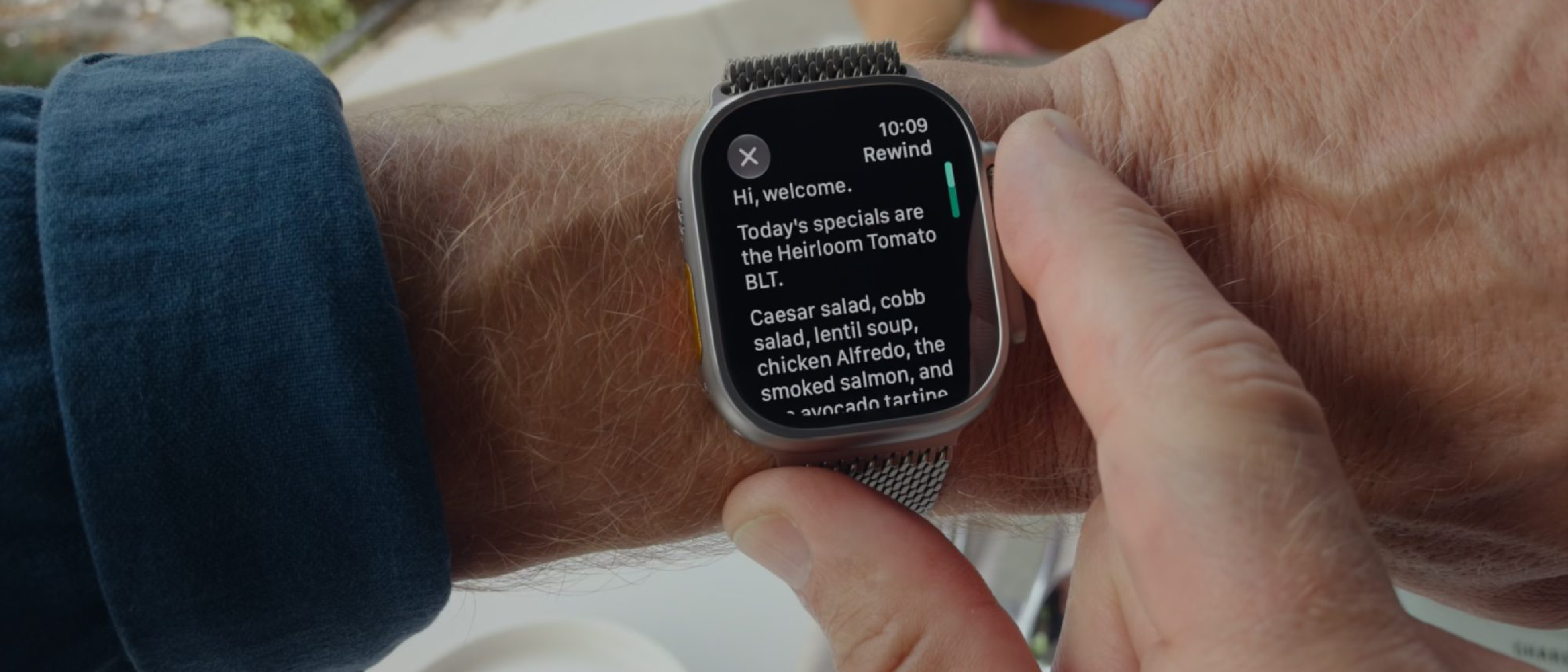
Live Rewind brings a familiar media‑control paradigm to the wrist: the ability to instantly replay the last few seconds of audio, video, or even sensor‑driven data streams. While the feature is most visible in music and podcast apps, Apple has also exposed an API for developers to integrate rewind into custom experiences such as guided meditation or real‑time coaching.
How It Works
- Gesture‑Based Activation – A double‑tap on the Digital Crown initiates a 10‑second rewind, with subsequent taps extending the window in 5‑second increments.
- Visual Timeline – A subtle progress bar appears at the top of the screen, indicating the rewind window and allowing fine‑grained scrubbing via the Crown.
- Cross‑App Consistency – The system‑level implementation ensures that any app adopting the standard MediaPlayer framework automatically inherits Live Rewind without additional code.
Immediate Benefits
- Error Recovery – Missed a crucial instruction during a workout? Rewind and hear it again without pulling out the iPhone.
- Content Discovery – Users can preview the tail end of a podcast episode to decide whether to continue listening.
- Developer Flexibility – By exposing a unified API, Apple encourages third‑party apps to innovate around instant replay, potentially spawning new categories of “micro‑learning” experiences.
Technical Architecture and Integration
Both Siri Recap and Live Rewind rely on watchOS’s tightly coupled AI and media subsystems. Understanding the underlying stack helps developers anticipate performance implications and privacy considerations.
Siri Recap Stack
- On‑Device Neural Engine (NNE) – Executes lightweight language models for summarization, keeping most processing offline.
- Contextual Data Aggregator – Pulls data from HealthKit, Calendar, and third‑party app extensions via the new
SiriRecapProviderprotocol. - Voice Synthesis Layer – Utilizes the same text‑to‑speech engine introduced in iOS 27.3, now optimized for the watch’s speaker profile.
- Privacy Guard – All data stays encrypted in the Secure Enclave; only anonymized embeddings are sent to Apple’s cloud for optional improvement of models, and this is opt‑in.
Live Rewind Stack
- Media Buffer Manager – Maintains a rolling 30‑second circular buffer for any active audio/video stream.
- Crown Input Mapper – Translates hardware gestures into buffer offset commands with sub‑millisecond latency.
- Audio/Video Renderer – Re‑plays the buffered segment using the existing
AVFoundationpipeline, ensuring synchronization with haptic feedback. - Developer API (
WatchRewindable) – Exposes methods likeenableRewind(duration:)andhandleRewindAction()for custom integration.
Performance Optimizations
- Energy Budgeting – Both features are throttled when the watch is in low‑power mode, preserving battery life.
- Memory Footprint – The circular buffer for Live Rewind caps at 8 MB for audio and 12 MB for video, fitting comfortably within the watch’s RAM constraints.
- Thread Management – Summarization runs on a low‑priority background queue, preventing UI jank during active interactions.
Industry Impact and Future Outlook
The introduction of AI‑driven recaps and instant replay on a wrist‑sized device underscores a broader industry trend: contextual intelligence at the edge. Competitors such as Samsung and Google have experimented with on‑device voice assistants, but Apple’s integration is distinguished by its seamless hand‑off between iOS and watchOS.
Competitive Landscape
- Google Wear OS – Offers basic voice commands but lacks a native summarization engine comparable to Siri Recap.
- Samsung Galaxy Watch – Provides media rewind for music but does not expose a unified API for third‑party developers.
- Emerging Wearables – New entrants are focusing on health metrics; Apple’s dual focus on AI and media positions it ahead of the curve.
Business Implications
- Developer Ecosystem Growth – By opening Recap data through a standardized provider, Apple encourages developers to craft richer, AI‑enhanced experiences, potentially increasing App Store revenue from watch‑specific apps.
- User Retention – Features that reduce friction—instant replay of missed instructions, proactive health summaries—are proven drivers of daily active usage.
- Data Privacy Leadership – Maintaining on‑device processing aligns with regulatory expectations worldwide, reinforcing Apple’s brand narrative.
Future Directions
While watchOS 273 beta stops short of full‑blown conversational AI, the groundwork suggests future releases could incorporate:
- Multimodal Summaries – Combining text, voice, and haptic cues for richer recaps.
- Extended Buffer Lengths – Allowing longer rewind windows for video‑centric apps.
- Cross‑Device Continuity – Seamlessly transferring a recap from watch to Mac or iPad for deeper analysis.
Frequently Asked Questions
Q1: Do I need an Apple Watch Series 8 or newer to use Siri Recap? A: Siri Recap is available on all devices running watchOS 273, which includes Series 5 and later. Older hardware may experience reduced performance due to limited NNE capacity.
Q2: Can I disable Live Rewind for privacy reasons? A: Yes. The setting resides under Settings → Accessibility → Media Controls → Live Rewind where you can toggle the feature off entirely.
Q3: How does Siri Recap handle sensitive health data? A: All health information used for Recap stays encrypted on the device. Summaries are generated locally, and no raw data is transmitted unless you opt into Apple’s improvement program.
Q4: Will third‑party apps need to update to support Live Rewind?
A: Apps that already use the standard AVPlayer framework will automatically inherit the rewind capability. For custom playback pipelines, developers should adopt the new WatchRewindable protocol.
Q5: Is there a way to customize the voice used in Siri Recap? A: Apple provides a small set of voice options in Settings → Siri & Search → Siri Voice. Changes apply globally across iOS and watchOS.
The watchOS 273 beta marks a decisive step toward making the Apple Watch a truly conversational, context‑aware companion. By marrying on‑device AI summarization with instant media replay, Apple not only enriches the user experience but also opens fresh avenues for developers to innovate on a platform that has traditionally been limited to
a platform that has traditionally been limited to glance‑able notifications and basic fitness tracking. By embedding sophisticated AI and media‑control primitives directly into the watchOS stack, Apple is redefining what developers can expect from a wrist‑worn device.
Developer Takeaways
| Area | What to Watch | Action Items |
|---|---|---|
| Siri Recap | New SiriRecapProvider protocol, on‑device summarization APIs, privacy guard callbacks. | Register your app’s data sources (HealthKit, Calendar, custom intents) in the Info.plist under SiriRecapSupportedTypes. Implement provideRecap(for:completion:) to return concise, localized strings. |
| Live Rewind | WatchRewindable protocol, automatic buffer handling for AVPlayer, Crown gesture mapping. | Adopt WatchRewindable in any media‑centric extension. Call enableRewind(duration: 10) during playback setup. Test edge cases where the buffer may be truncated (e.g., low‑power mode). |
| Performance | Energy budgeting flags (isLowPowerModeEnabled) and NNE usage quotas. | Guard heavy summarization calls with if !Device.isLowPowerModeEnabled and monitor NeuralEngineUtilization via the new diagnostics console. |
| User Experience | Contextual timing for Recap overlays, haptic feedback for rewind actions. | Use RecapPresentationScheduler to avoid interrupting active workouts. Pair rewind activation with a subtle HapticEngine.play(.click) to reinforce the gesture. |
| Testing | New watchOS 273 beta simulators include a “Recap Debug” overlay and a “Rewind Buffer Inspector”. | Enable these tools in Xcode 16 → Devices & Simulators → Advanced Settings. Validate that your app’s buffer never exceeds the 12 MB limit for video streams. |
Getting Started: A Quick Walkthrough
Below is a minimal example that demonstrates how to add a Siri Recap snippet for a custom meditation app and enable Live Rewind for its audio guide.
import WatchKit
import SiriRecap
import WatchRewindable
import AVFoundation

class MeditationInterfaceController: WKInterfaceController,
                                     SiriRecapProvider,
                                     WatchRewindable {

    private var player: AVAudioPlayer!
    private let recapKey = "com.mycompany.meditation.recap"

    // MARK: - SiriRecapProvider
    func provideRecap(for request: SiriRecapRequest,
                     completion: @escaping (SiriRecapResult) -> Void) {
        // Pull the last session duration from HealthKit
        HealthStore.shared.fetchMeditationDuration { minutes in
            let summary = "You just completed a \(minutes)-minute meditation session."
            completion(.success(summary))
        }
    }

    // MARK: - WatchRewindable
    func enableRewind(duration seconds: Int) {
        // The system automatically creates a 30‑second circular buffer.
        // Here we simply opt‑in to the default behavior.
        MediaRewindManager.shared.enable(for: player, maxDuration: seconds)
    }

    func handleRewindAction() {
        // Called when the user double‑taps the Digital Crown.
        MediaRewindManager.shared.rewind(by: 10) // rewind 10 seconds
        HapticEngine.play(.click)
    }

    // MARK: - Lifecycle
    override func awake(withContext context: Any?) {
        super.awake(withContext: context)

        // Load the guided audio file
        let url = Bundle.main.url(forResource: "guided_meditation", withExtension: "m4a")!
        player = try! AVAudioPlayer(contentsOf: url)
        player.prepareToPlay()

        // Enable Live Rewind with a 10‑second default window
        enableRewind(duration: 10)
    }

    @IBAction func startSession() {
        player.play()
    }
}
Deploy this to a watchOS 273‑compatible device, and you’ll see a concise Recap after the session ends, plus the ability to double‑tap the Crown and instantly replay the last 10 seconds of the guide.
Looking Ahead: watchOS 274 and Beyond
Apple’s roadmap hints at deeper integration of generative AI across its ecosystem. Rumors suggest that watchOS 274 will introduce Multimodal Recap, where Siri can combine voice, text, and subtle haptic patterns to convey health insights (e.g., a gentle “pulse” when heart‑rate variability improves). Additionally, a Shared Rewind Timeline may allow users to sync rewind buffers across devices, so a missed instruction on the watch can be replayed on a Mac or iPad without re‑streaming the entire file.
Developers should keep an eye on the upcoming WWDC 2027 sessions, where Apple is expected to unveil:
- SiriKit 4.0 – Expanded intent domains, including real‑time sensor data.
- WatchOS 274 SDK – New
ContextualPromptAPIs for proactive UI. - Privacy‑First Model Training – Tools to fine‑tune on‑device language models with user‑provided data, all under the Secure Enclave.
Staying ahead of these changes will be crucial for anyone looking to build the next generation of “always‑on” wearables that feel like personal assistants rather than passive gadgets.
Conclusion
watchOS 273’s beta release is more than a collection of incremental tweaks; it marks a strategic pivot toward context‑aware AI and instant media interaction on the smallest form factor in Apple’s lineup. Siri Recap turns the watch into a proactive health and productivity narrator, while Live Rewind gives users the power to correct mistakes or explore content without reaching for a phone. For developers, the new protocols and system‑level buffers lower the barrier to creating sophisticated, privacy‑preserving experiences that were previously only feasible on iOS or macOS.
If you haven’t already, now is the perfect time to:
- Enroll in the watchOS 273 beta via the Apple Developer portal.
- Experiment with the sample code above to get a feel for the new APIs.
- Submit feedback through the Feedback Assistant, especially around battery impact and UI timing for Recap overlays.
By embracing these capabilities early, you’ll position your app to thrive in an ecosystem that increasingly values intelligent, on‑device assistance—right on the user’s wrist.
Stay tuned for more updates as Apple continues to push the boundaries of what a smartwatch can do, and keep an eye on our blog for deep dives into each new feature as they graduate from beta to final release.
Source: Original Article