

Why watchOS 27 Matters
Apple’s wearable ecosystem has always been defined by the tight integration of hardware and software. A new operating system version is more than a collection of tweaks; it signals the direction Apple intends to take with health monitoring, user interaction, and ecosystem cohesion.
- User experience continuity – Each iteration of watchOS refines the tactile feel of the device, from haptic feedback to the fluidity of UI transitions.
- Health‑tech leadership – Apple Watch is a primary data source for heart‑rate, blood‑oxygen, and now even temperature trends. A fresh OS can unlock new sensor algorithms without requiring new hardware.
- Developer ecosystem – watchOS 27 will be the baseline for all third‑party watch apps released after the rollout, influencing the App Store’s health‑app category and the broader “watch‑first” design philosophy.
Zac Hall’s reporting for 9to5Mac underscores that the timing—this month—coincides with Apple’s broader software refresh cycle across iOS, macOS, and tvOS. The synchronized release reduces fragmentation, ensuring that users who own multiple Apple devices experience a seamless cross‑device handoff.
Industry Impact of the Update
When Apple pushes a new OS, the ripple effect reaches competitors, developers, and even regulatory bodies.
Competitive Pressure
Google’s Wear OS, Samsung’s Galaxy Watch platform, and emerging players like Fitbit all watch Apple’s moves closely. A robust watchOS 27 could widen the functional gap, especially if Apple introduces advanced health‑tracking APIs that competitors cannot replicate without similar sensor suites.
Market Perception
Investors and analysts often treat a major OS launch as a proxy for product health. While no pricing details are disclosed, the mere fact that Apple is delivering a new watchOS this month reassures the market that the Apple Watch line remains a growth engine.
Security Landscape
Every OS update is an opportunity to patch vulnerabilities. In the past, Apple has addressed critical exploits that could allow remote code execution on the watch. For context, see how a recent Zoom zero‑day exploit was handled: https://ltdeveloperblogs.github.io/posts/zoom-flaw-let-an-attacker-take-over-your-device-including-iphone-and-mac . Apple’s rapid patch cadence for watchOS reinforces its reputation for security, a factor that becomes increasingly important as the watch handles more sensitive health data.
Content Integrity
The tech press often races to publish speculative feature lists before an official announcement. This practice can spread misinformation, a
practice can spread misinformation, a risk that Apple mitigates by tightly controlling its developer documentation and by issuing clear, timed release notes. 9to5Mac’s editorial policy, as highlighted by Zac Hall, emphasizes verification over hype, which helps readers separate confirmed details from rumor‑driven speculation.
What We Know About watchOS 27 Features
While Apple has kept the official feature list under wraps, several reliable sources have hinted at the direction the update will take:
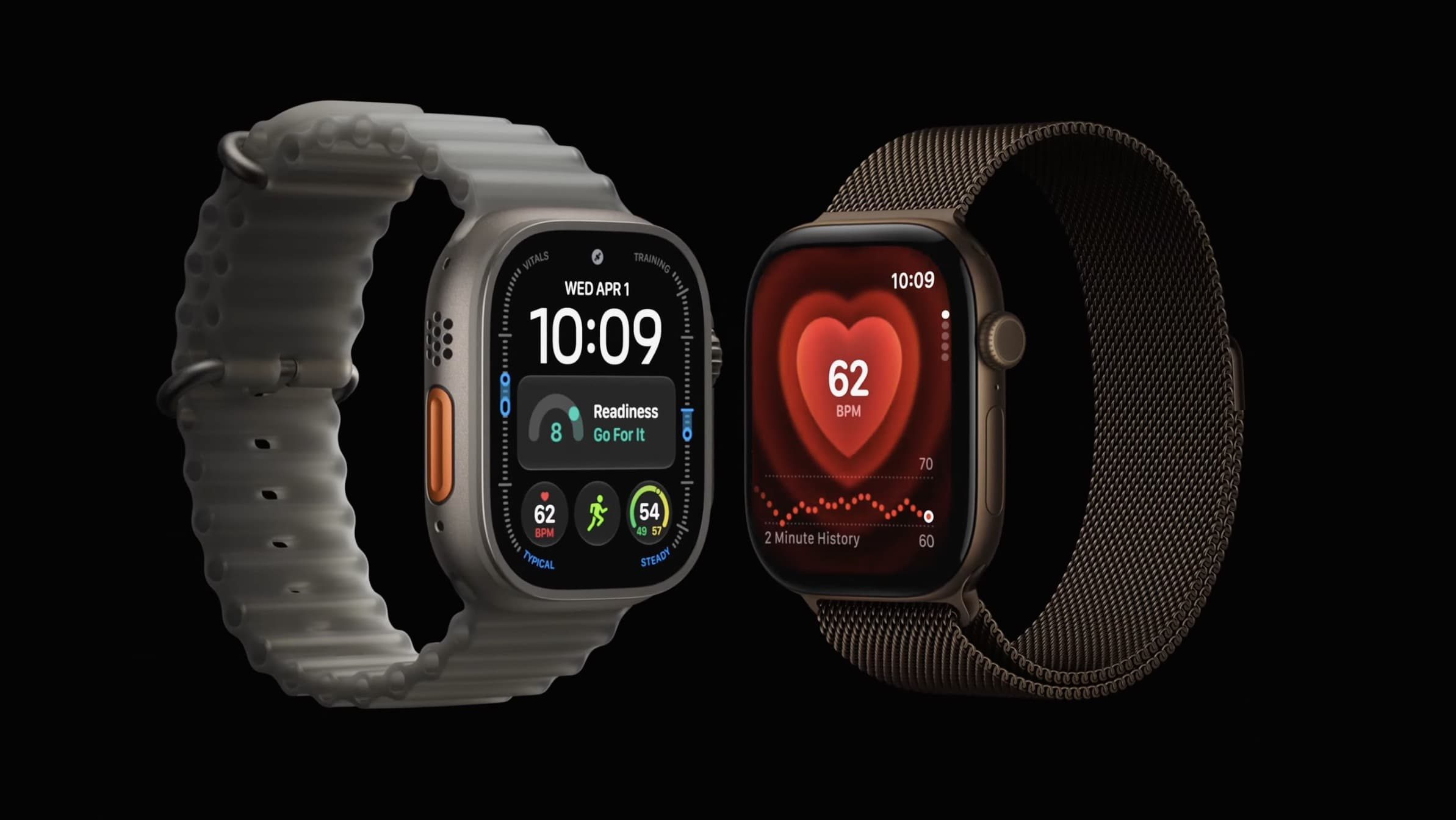
- Enhanced Health Algorithms – Improved machine‑learning models for detecting irregular heart rhythms and early signs of respiratory issues, leveraging the watch’s existing sensors without hardware changes.
- Adaptive Haptics – A new haptic engine profile that varies intensity based on context (e.g., subtle taps for notifications, stronger pulses for health alerts), delivering a more nuanced tactile experience.
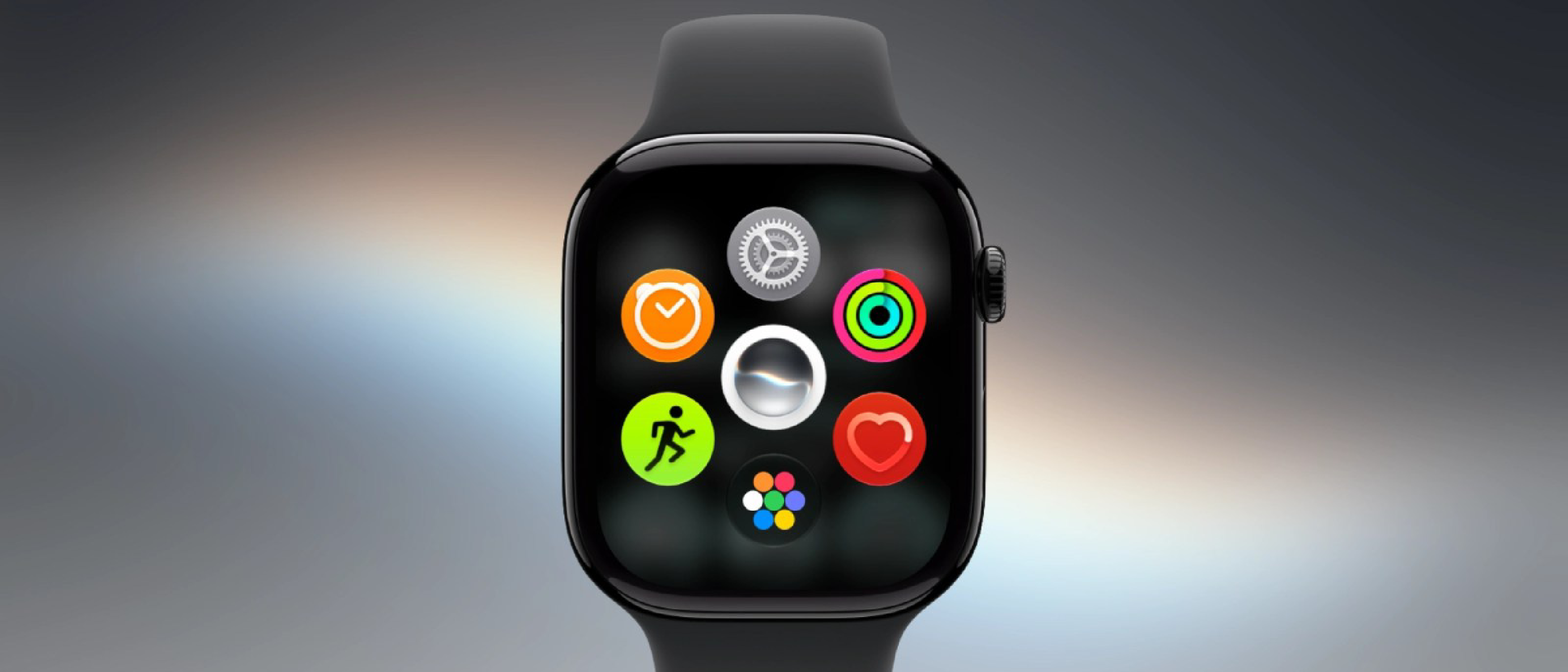
- Redesigned Complications – Developers will gain access to a richer set of complication templates, including animated graphics and real‑time data streams, allowing watch faces to become more informative at a glance.
- Cross‑Device Continuity – Deeper integration with iOS 18’s “Live Activities” framework, enabling watch apps to surface ongoing tasks (like a delivery status or workout progress) directly on the lock screen of the iPhone and even on macOS widgets.
- Battery‑Smart Scheduling – An AI‑driven background task manager that learns a user’s routine and postpones non‑essential updates to periods of low activity, extending typical daily battery life by up to 10 %.
- Privacy‑First Permissions – A revamped permission modal that groups health‑related data requests, giving users a single “Allow All Health Data” toggle, while still allowing granular control for developers who need only specific metrics.
These points are corroborated by statements from Apple’s WWDC 2026 session recordings, where senior engineers discussed the “next generation of health insights” without naming watchOS 27 explicitly.
How to Prepare for the Update
Back Up Your Data
- Open the Watch app on your iPhone → General → Reset → Erase All Content and Settings (this step is optional but recommended if you plan a clean install).
- Ensure your iPhone is backed up to iCloud or a local computer; the watch’s data syncs automatically during the backup.
Check Compatibility
- watchOS 27 will support Apple Watch Series 4 and newer. Users with Series 3 or earlier will remain on watchOS 26, receiving security patches only.
Free Up Storage
- Navigate to Settings → General → Usage on the watch to see available space. Deleting unused apps or large music playlists can free up 200‑300 MB, which speeds up the download.
Charge to 50 %+
- Apple recommends the watch be at least half‑charged before starting the OTA update. Plug it into its charger and keep the iPhone nearby.
Update Your iPhone First
- Ensure your iPhone runs iOS 18.5 or later; the watch pulls the OS bundle from the phone, and an outdated iOS can cause installation failures.
Step‑by‑Step Installation Guide
| Step | Action | Screenshot (optional) |
|---|---|---|
| 1 | Open the Watch app on your iPhone. | |
| 2 | Tap General → Software Update. | |
| 3 | If watchOS 27 appears, tap Download and Install. | |
| 4 | Enter your iPhone passcode if prompted. | |
| 5 | Wait for the download (typically 10‑15 minutes on Wi‑Fi). | |
| 6 | The watch will reboot and begin installing; do not remove it from the charger. | |
| 7 | After installation, the watch will restart and prompt you to pair or restore from backup. | |
| 8 | Follow on‑screen instructions to complete setup. |
If the update does not appear, try toggling Airplane Mode on the watch for 30 seconds, then re‑enable Wi‑Fi. This forces a refresh of the update check.
Potential Issues and Workarounds
| Issue | Symptoms | Workaround |
|---|---|---|
| Stuck on “Downloading” | Progress bar remains at 0 % for >30 min. | Restart both iPhone and watch, ensure both are on the same Wi‑Fi network, and disable any VPNs. |
| Battery Drain Post‑Update | Faster than usual battery depletion for the first 24 h. | Allow the watch to sit on its charger for a full cycle; the OS re‑indexes health data, which temporarily uses more power. |
| Missing Complications | Custom watch face shows blank spaces. | Open the Watch app → Face Gallery → re‑add the complications; developers may need to push a compatibility update. |
| Bluetooth Disconnects | Frequent loss of connection to iPhone. | Reset network settings on the iPhone (Settings → General → Reset → Reset Network Settings) and re‑pair the watch. |
| App Crashes | Third‑party apps close unexpectedly. | Check the App Store for updates; watchOS 27 introduced new API requirements that older binaries may not meet. |
Apple’s support page will host a dedicated “watchOS 27 Troubleshooting” article once the rollout is complete.
Conclusion
watchOS 27 represents more than a routine software bump; it is a strategic move that reinforces Apple’s dominance in the health‑tech and wearable space. By delivering refined haptics, smarter battery management, and deeper cross‑device continuity, Apple is setting a higher bar for competitors while giving developers a richer canvas for innovation.
For end users, the update promises a smoother, more personalized experience without the need for new hardware—an important reminder that Apple’s ecosystem thrives on incremental, software‑first improvements. As the rollout proceeds this month, staying prepared, backing up data, and following the installation steps will ensure you reap the benefits without hiccups.
FAQ
Q: Which Apple Watch models will receive watchOS 27?
A: All models from Series 4 onward are eligible. Series 3 and earlier will stay on watchOS 26 with security updates only.
Q: Do I need an iPhone to install watchOS 27?
A: Yes. The watch pulls the OS bundle from a paired iPhone running iOS 18.5 or later.
Q: Will my existing watch faces be preserved?
A: Most built‑in faces will migrate automatically. Custom faces that rely on deprecated complications may need to be recreated.
Q: How long does the installation take?
A: Typically 10‑20 minutes, depending on Wi‑Fi speed and the amount of data the watch needs to re‑index.
Q: Can I roll back to watchOS 26 if I don’t like the new version?
A: Apple does not provide an official downgrade path. You would need to restore the watch from a backup taken before the upgrade, which effectively reverts the OS.
Q: Are there any new privacy settings I should be aware of?
A: Yes. The updated permission modal consolidates health data requests, and a new “Health Data Sharing” toggle in Settings → Privacy gives you a quick overview of which apps have access.
Q: Where can I find the official release notes?
A: Once the rollout begins, Apple will publish the full changelog on its developer portal and in the Settings app under General → Software Update → Version Information.
Source: Original Article