




The Vertical Video Paradigm Shift
Vertical video has become a cultural mainstay, largely propelled by the ubiquity of smartphones and the dominance of social‑media platforms such as TikTok and Instagram. The format’s ergonomic fit for handheld viewing, combined with the rise of short‑form storytelling, has redefined how audiences consume content on the go. Yet, the vertical genre’s migration from mobile to larger screens has been uneven. While many micro‑drama and series services continue to prioritize mobile‑first experiences, a handful of players are experimenting with vertical content on traditional televisions. This shift signals a broader industry re‑evaluation of how format, device, and platform intersect.
Vurt’s TV‑First Vision
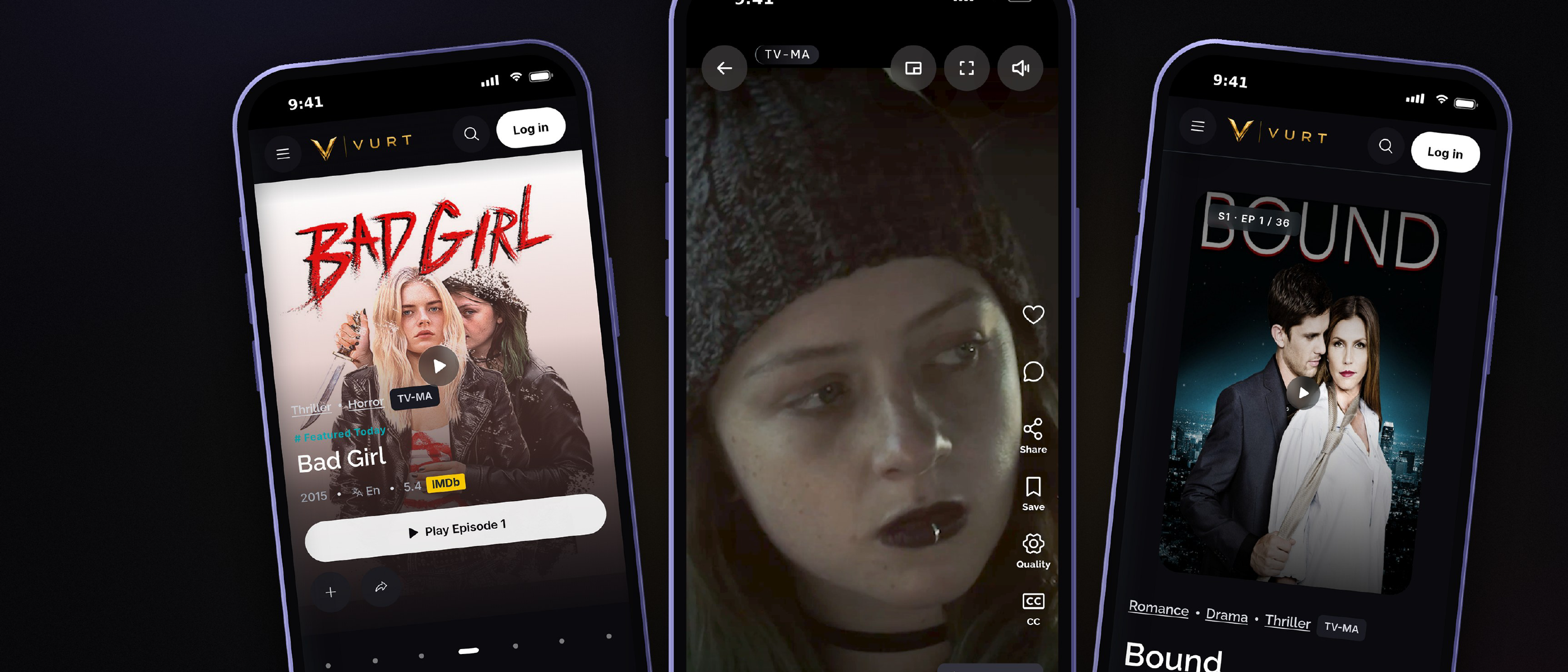
Vurt, a nascent startup, is positioning vertical videos as a distinct genre that will be played on widescreen televisions. Unlike other vertical streaming platforms that remain tethered to mobile devices, Vurt’s strategy is to deliver a curated library of vertical series directly to the living room. This approach challenges the prevailing assumption that vertical content is inherently mobile‑centric. By re‑imagining the viewing experience, Vurt aims to capture a segment of the audience that prefers the immersive quality of a TV while still enjoying the bite‑size, narrative pacing that vertical formats excel at.
Key Differentiators
- Genre‑Specific Curation – Vurt’s catalog focuses on micro‑dramas, serialized shorts, and experimental storytelling that thrive in vertical framing.
- Widescreen Adaptation – The platform employs adaptive encoding and aspect‑ratio management to preserve the vertical aesthetic on 16:9 displays without compromising visual integrity.
- Integrated Viewing Controls – On‑screen gestures and voice commands are tailored to the vertical layout, reducing the need for physical interaction.
Technical Breakdown of Vertical on Widescreen
Delivering vertical video to widescreen televisions is not merely a matter of stretching the frame; it requires a nuanced technical pipeline that addresses compression, rendering, and user interaction.
Encoding and Compression
- Aspect‑Ratio Metadata – Vurt embeds explicit 9:16 aspect‑ratio tags in the video stream, allowing smart TVs to recognize and render the content correctly.
- Adaptive Bitrate Streaming – The platform uses HLS and DASH with multiple bitrate ladders to accommodate varying network conditions, ensuring smooth playback even on congested home networks.
- Spatial Scaling Algorithms – Advanced scaling techniques preserve edge detail and reduce aliasing when the vertical frame is displayed on a horizontal screen.
Rendering on Smart TVs
- Custom Player SDK – Vurt’s SDK integrates with major TV operating systems (Android TV, Tizen, webOS), providing a native player that respects the vertical aspect ratio.
- Dynamic Letterboxing – Instead of static black bars, the player employs dynamic letterboxing that adjusts based on content type, offering a more seamless visual experience.
- Hardware Acceleration – Leveraging GPU decoding on modern TVs reduces power consumption and latency, crucial for maintaining the fluidity of short‑form content.
User Interaction
- Gesture Recognition – The platform supports swipe and tap gestures via remote or mobile companion apps, mirroring the intuitive controls users expect on smartphones.
- Voice Commands – Integration with voice assistants (Alexa, Google Assistant) allows users to navigate episodes, pause, or adjust playback speed without leaving the couch.
- Personalization Algorithms – Machine‑learning models analyze viewing patterns to recommend new vertical series, mirroring the success of recommendation engines on mobile platforms.
Industry Impact and Competitive Landscape
The emergence of Vurt’s TV‑first vertical strategy coincides with a broader “arms race” for viewer attention. Established streaming services such as Disney+ and HBO Max are experimenting with vertical content, recognizing the format’s potential to attract younger demographics. Meanwhile, video‑focused social media platforms view these services as existential threats, prompting a cross‑platform battle for dominance.
Competitive Dynamics
- Disney+ and HBO Max – Both platforms have launched pilot vertical series, but their primary focus remains on traditional widescreen content. Vurt’s dedicated vertical library could force them to re‑evaluate their content strategy.
- TikTok and Instagram – These platforms continue to thrive on mobile, but their push into longer‑form vertical series (e.g., TikTok’s “TikTok Originals”) indicates a willingness to experiment with TV‑compatible formats.
- Vurt’s Niche Advantage – By offering a curated, TV‑ready vertical experience, Vurt positions itself as a bridge between mobile‑centric creators and home‑screen audiences.
Cross‑Industry Synergies
- Security Considerations – As vertical video streaming expands, ensuring secure content delivery becomes paramount. Lessons from the Zoom Zero‑Day Exploit highlight the need for robust DRM and secure streaming protocols.
- Device Ecosystem – The rise of e‑readers like the Xteink X4 Pro demonstrates how niche devices can thrive by focusing on a specific format. Vurt’s vertical focus mirrors this specialization, suggesting a potential for cross‑device content ecosystems.
- Cross‑Platform Reading – The Cross Point Reader showcases how content can be adapted across formats. Vurt’s approach may inspire similar adaptations for vertical video across TVs, tablets, and smart displays.
Future Outlook and Strategic Implications
Vurt’s bold move to foreground vertical video on widescreen televisions could reshape content production, distribution, and consumption. If the platform gains traction, we may see a cascade of changes:
- Production Pipelines – Filmmakers will need to consider vertical framing from the outset, potentially altering set design, camera rigs, and editing workflows.
- Advertising Models – Brands may develop new ad formats tailored to vertical TV, blending the intimacy of mobile ads with the reach of home viewing.
- Platform Partnerships – Smart TV manufacturers could integrate Vurt’s player natively, while streaming services might license vertical content libraries to diversify offerings.
The long‑term success of Vurt will hinge on its ability to maintain a compelling content slate, deliver flawless technical performance, and navigate the competitive pressures from both streaming giants and social media titans. As the industry evolves, vertical video may transition from a niche mobile trend to a mainstream genre that spans devices and formats.
FAQ
Q: Can I watch Vurt’s vertical series on my smartphone?
A: Yes. Vurt’s platform is designed to be device‑agnostic, offering the same vertical experience on mobile, tablet, and TV.
Q: Will Vurt’s content be available on Disney+ or HBO Max?
A: Currently, Vurt operates independently. However, licensing agreements could allow cross‑platform availability in the future.
Q: How does Vurt handle content security?
A: Vurt employs industry‑standard DRM and secure streaming protocols, mitigating risks similar to those highlighted in the
Zoom Zero‑Day Exploit
.
Q: Is vertical video on TV a viable format for long‑form storytelling?
A: While vertical video is traditionally associated with short‑form content, Vurt’s curated library demonstrates that serialized micro‑dramas can sustain audience engagement on larger screens.
Q: What sets Vurt apart from other vertical streaming services?
A: Vurt’s focus on widescreen delivery, adaptive encoding, and integrated TV controls distinguishes it from mobile‑centric competitors.
Source: Original Article