



What Happened on the Leo 1 Flight?
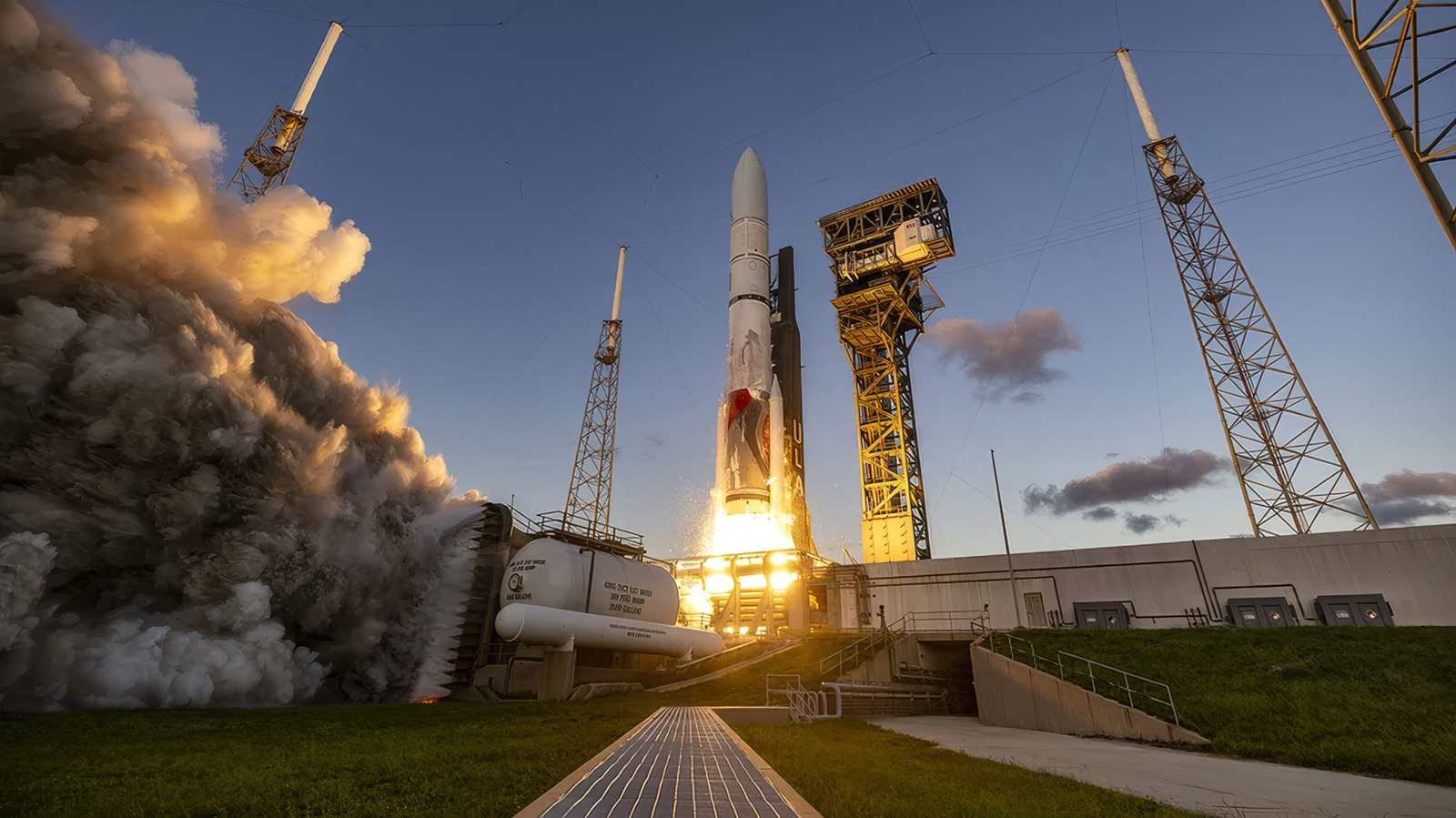
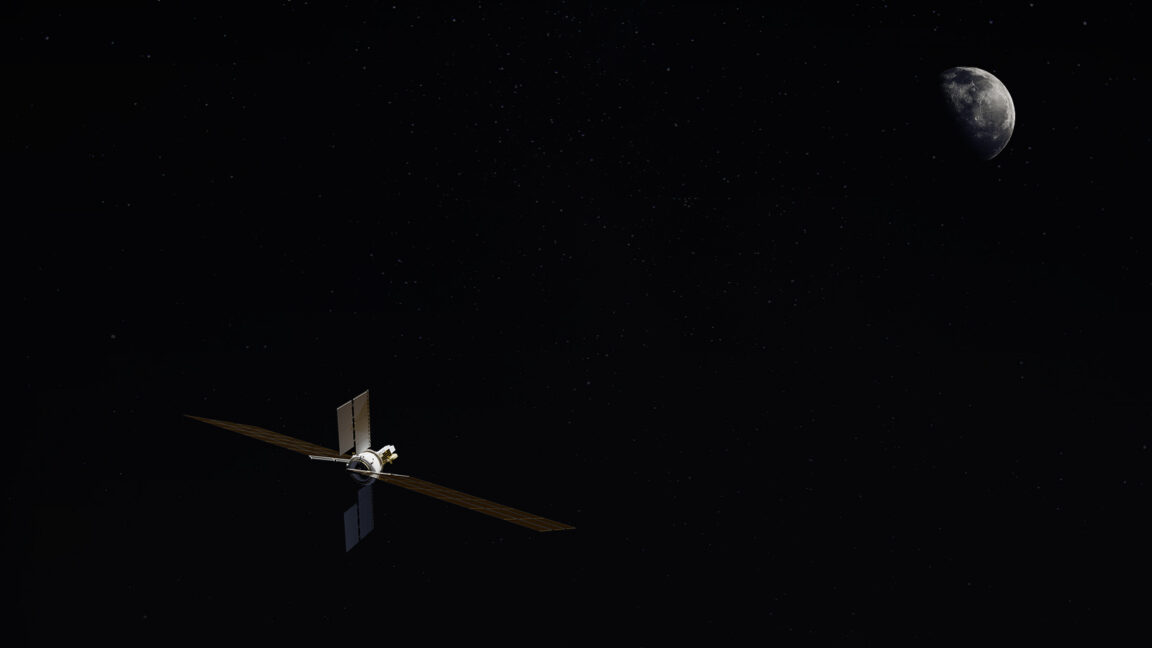
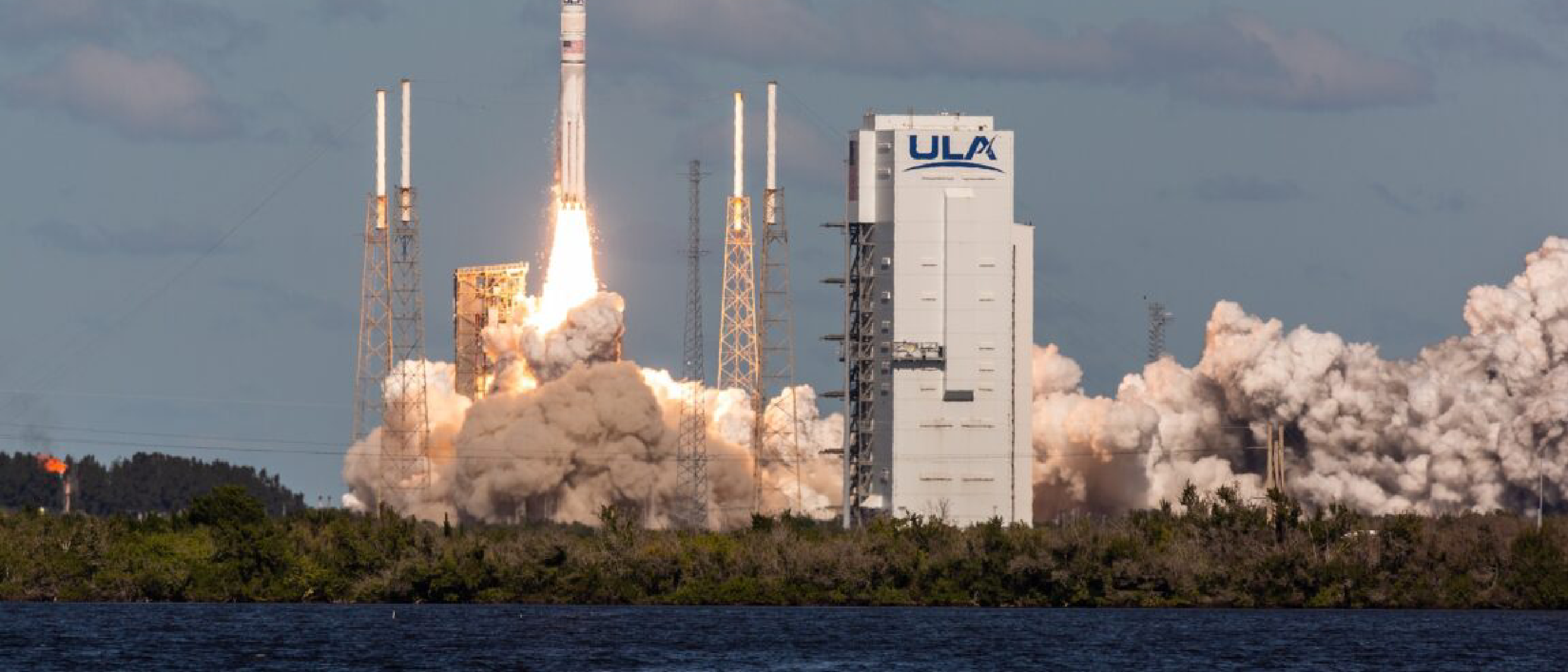
On Sunday, United Launch Alliance (ULA) attempted to loft the Leo 1 payload aboard its next‑generation Vulcan launch vehicle. Approximately 30 seconds after liftoff, telemetry showed a rapid decline in thrust from the two BE‑4 engines supplied by Blue Origin. The vehicle deviated from its planned trajectory and the mission was aborted.
ULA’s post‑flight statement reads:
“ULA has completed an initial integrated review of flight data from the Leo 1 launch anomaly that occurred last Sunday.”
“While work remains to determine cause, preliminary indications are that the low booster thrust was the result of inadequate fuel supply from the vehicle to the BE‑4 engines, not from the performance of the engines.”
The key takeaway is that the engines themselves performed within design parameters; the problem lay in the propellant feed system that failed to deliver the required mass flow to the BE‑4s.
Technical Breakdown of the Fuel‑Supply Issue
Propellant Feed Architecture in Vulcan
Vulcan’s first stage relies on a liquid oxygen (LOX) and liquid methane (LCH₄) feed system that routes cryogenic propellants from the tanks to the BE‑4 engines via high‑pressure turbopumps. The feed line includes:
- Main feed ducts with insulated stainless‑steel construction.
- Pressure regulators that maintain the correct inlet pressure for the turbopumps.
- Valve actuation logic governed by the vehicle’s flight computer.
Any deviation in pressure, temperature, or valve timing can reduce the mass flow rate, directly lowering thrust.
Likely Failure Modes
Based on the limited data released, engineers suspect one of the following:
- Valve Stiction or Partial Closure – A valve may have failed to open fully, throttling the propellant.
- Pressure Regulator Malfunction – Anomalous regulator behavior could have caused a pressure drop.
- Cryogenic Boil‑off Management – Excessive boil‑off could have introduced vapor bubbles, reducing effective liquid mass flow.
The fact that the BE‑4’s internal performance metrics (combustion chamber pressure, turbine speed) remained nominal supports the hypothesis that the engine hardware was not at fault.
Diagnostic Tools Used
ULA’s “integrated review” likely combined:
- High‑frequency pressure transducer data from the feed lines.
- Engine health telemetry (turbopump RPM, chamber pressure, temperature).
- Flight computer logs detailing valve command sequences.
Cross‑referencing these data streams enables engineers to pinpoint the exact moment the fuel‑supply deviation began.
Why It Matters for the Launch Industry
Trust in New Launch Vehicles
Vulcan is ULA’s flagship vehicle intended to replace the venerable Atlas V and Delta IV families. A successful debut is crucial for securing government contracts (e.g., National Security Space Launch) and commercial payloads. A fuel‑supply anomaly, even if not engine‑related, raises concerns about system integration and quality‑control processes.
Implications for Blue Origin’s BE‑4 Program
Blue Origin’s BE‑4 engine is a cornerstone of both ULA’s Vulcan and its own New Glenn launch system. Demonstrating that the engine can operate correctly when supplied with proper propellant is a win, but the incident underscores the importance of engine‑vehicle interface testing. Any future BE‑4‑powered vehicle will need rigorous verification of the feed system to avoid repeat scenarios.
Competitive Landscape
SpaceX’s Falcon 9 and Falcon Heavy have set a high bar for reliability, with a launch success rate exceeding 98 %. A high‑profile anomaly for Vulcan could shift launch‑service market share toward competitors, especially if the root cause is traced to a design oversight that could have been mitigated with more extensive testing.
Industry Impact and Cross‑Sector Lessons
Cyber‑Security Parallels
Launch vehicles increasingly rely on software‑defined control loops. A recent Zoom Zero‑Day Exploit highlighted how a single software vulnerability can cascade into system‑wide failures. While the Vulcan anomaly appears mechanical, the same principle applies: software that commands valve actuation must be hardened against glitches. ULA will likely revisit its software validation procedures, drawing lessons from the broader security community. For more on the Zoom exploit, see the analysis at Zoom Flaw Let An Attacker Take Over Your Device Including Iphone And Mac.
Funding for Advanced Aerospace AI
The $17 M fund led by Yvonne Bajela targeting EU AI startups illustrates the growing appetite for AI‑driven optimization in aerospace, from predictive maintenance to autonomous launch sequencing. ULA could benefit from such AI tools to model propellant flow dynamics in real time, potentially catching feed‑line anomalies before they manifest. Details on the fund are available at Yvonne Bajela Is Bringing 17M In Fresh Capital To Europes Startup Scene.
Autonomous Systems Inspiration
The Zoox robotaxi deployment showcases how complex autonomous systems can be safely operated in public environments
Autonomous Systems Inspiration (Continued)
The Zoox robotaxi deployment showcases how complex autonomous systems can be safely operated in public environments by leveraging redundant sensor suites, real‑time diagnostics, and rigorous simulation‑to‑flight validation pipelines. ULA’s own launch‑vehicle development process can adopt similar methodologies—particularly the use of high‑fidelity digital twins that model fluid dynamics, valve actuation, and thermal behavior under a wide range of contingencies. By running thousands of “what‑if” scenarios before hardware integration, engineers can surface edge‑case fuel‑feed anomalies that might otherwise only appear during an actual launch.
Next Steps for ULA and Blue Origin
Deep‑Dive Root‑Cause Investigation
- ULA has assembled a joint task force with Blue Origin engineers, independent third‑party consultants, and NASA’s Launch Services Program (LSP) to dissect the valve‑actuation logs, pressure regulator performance, and cryogenic management data.
- A formal Failure Review Board (FRB) will convene within the next 30 days, producing a Preliminary Findings Report (PFR) that will be shared with customers under a non‑disclosure agreement.
Hardware Modifications
- Preliminary recommendations include redesigning the primary propellant‑feed valve to incorporate a dual‑actuator mechanism with built‑in position feedback, reducing the risk of stiction.
- Upgrading the pressure regulator’s redundancy from a single‑point to a dual‑redundant architecture, with cross‑checking between the flight computer and a backup hardware‑only controller.
Software and Verification Enhancements
- Implementing a “fuel‑flow watchdog” algorithm that continuously compares expected versus measured mass‑flow rates and can trigger an automatic abort or corrective valve command if a deviation exceeds a predefined threshold.
- Expanding the software‑in‑the‑loop (SIL) and hardware‑in‑the‑loop (HIL) test matrices to cover extreme temperature swings and rapid valve‑actuation cycles.
Schedule Impact and Return‑to‑Flight (RTF) Plan
- ULA has indicated that the next Vulcan launch, tentatively slated for Q2 2027, will incorporate the above fixes and will be preceded by an extensive “hot‑fire” test campaign at the Stennis Space Center.
- The company is also exploring a “flight‑ready” test flight using a non‑critical payload to validate the revised feed system before committing to a high‑value national‑security mission.
Industry Outlook
The Vulcan anomaly underscores a broader industry truth: system integration is often the Achilles’ heel of next‑generation launch vehicles. While propulsion advances like the BE‑4 attract headlines, the surrounding plumbing, control software, and thermal management must receive equal engineering rigor. As commercial launch demand accelerates—driven by mega‑constellations, lunar gateway logistics, and deep‑space tourism—operators will increasingly invest in end‑to‑end digital validation platforms, AI‑assisted anomaly detection, and cross‑company knowledge sharing to mitigate similar risks.
Frequently Asked Questions (FAQ)
| Question | Answer |
|---|---|
| What caused the Vulcan launch failure? | Preliminary data point to an inadequate fuel supply to the BE‑4 engines due to a likely valve or pressure‑regulator issue, not a problem with the engines themselves. |
| Is the BE‑4 engine itself faulty? | No. Engine telemetry shows that combustion chamber pressure, turbine speed, and temperature remained within design limits. The issue lies in the propellant feed system. |
| When will Vulcan fly again? | ULA aims for a return‑to‑flight window in the second quarter of 2027, pending successful hardware modifications and a full verification campaign. |
| Will this affect ULA’s contracts with the U.S. government? | The National Security Space Launch (NSSL) contract includes provisions for anomaly investigations. ULA remains the incumbent provider, and the agency is monitoring the investigation closely. |
| How does this incident affect Blue Origin’s New Glenn program? | The BE‑4 engine’s performance was validated, which is a positive sign for New Glenn. However, Blue Origin will likely review its own vehicle integration processes to ensure similar feed‑system issues are avoided. |
| What lessons can other launch providers take away? | Robust redundancy in valve actuation, real‑time fuel‑flow monitoring, and extensive digital‑twin simulations are critical. Investing in AI‑driven predictive analytics for propellant dynamics can also provide early warning of anomalies. |
| Are there any safety concerns for future crewed missions? | The anomaly occurred on an unmanned payload. ULA’s safety protocols for crewed flights (e.g., the upcoming Vulcan‑Centaur crew variant) already incorporate additional redundancy and abort capabilities. The findings will be integrated into those safety analyses. |
Closing Thoughts
The Vulcan incident is a reminder that the devil is often in the details—in this case, the plumbing that feeds the most powerful engines on the planet. By confronting the issue head‑on, ULA and Blue Origin have an opportunity to reinforce the reliability of the next generation of heavy‑lift launchers. If the corrective actions succeed, the industry will benefit from a more resilient launch ecosystem, and the promise of affordable, high‑frequency access to space will move one step closer to reality.
Source: Original Article