




Overview of Divine’s Public Launch
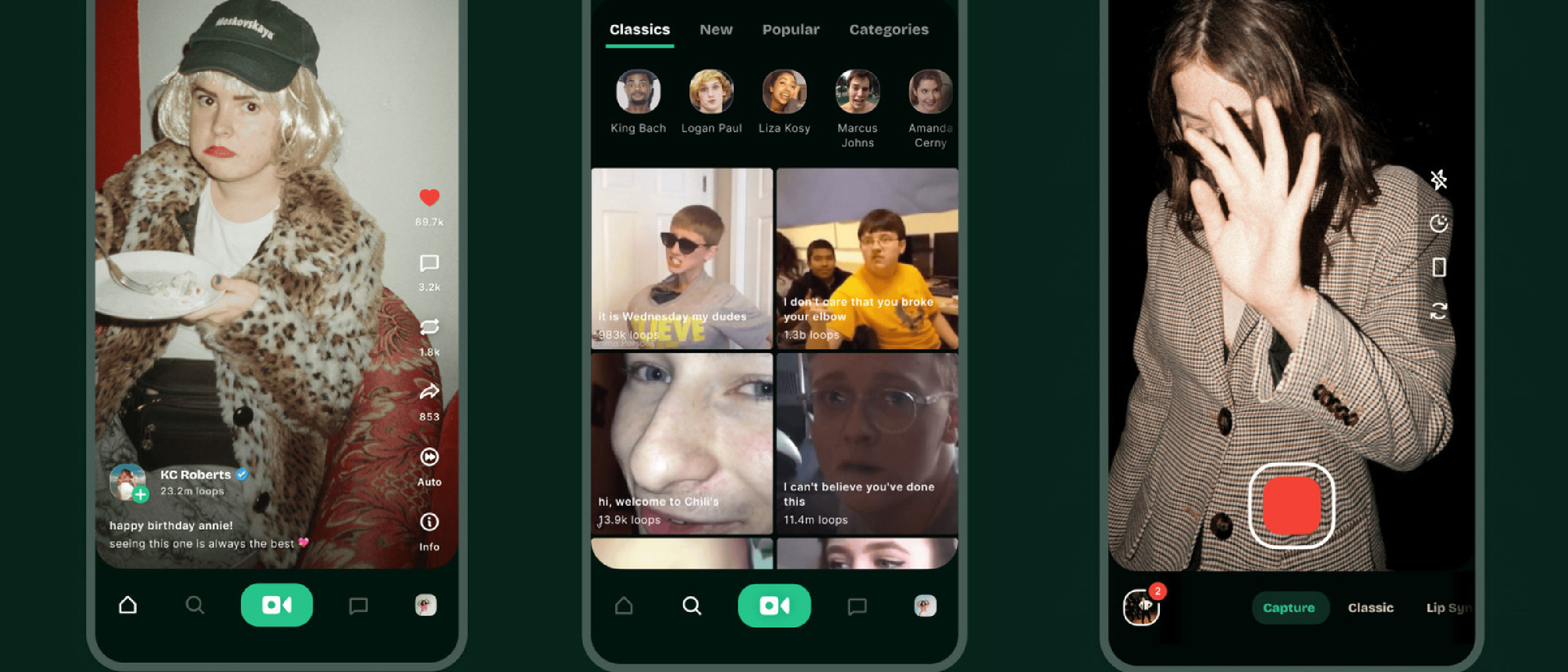
After three months of invitation‑only testing, Divine has thrown open its doors to anyone with a smartphone. The platform resurrects the 6‑second looping video format that made Vine a cultural touchstone in the early 2010s, but it does so with a modern twist: every clip must be recorded inside the app, and the entire service runs on the open‑source nostr protocol. Funding comes from Jack Dorsey, the co‑founder of Twitter, yet Dorsey holds no equity, underscoring the project’s community‑first ethos.
Divine also ships a “Classic” feed that aggregates over 2 million restored Vine videos, giving new users instant access to the original archive. By mandating in‑app recording and banning cross‑platform reposts, Divine promises a content ecosystem that is both fresh and historically grounded.
Why It Matters: The Cultural and Technical Rationale
A Reaction to Content Saturation
Social media today is dominated by algorithm‑driven feeds that recycle the same viral clips across TikTok, Instagram, and YouTube Shorts. Henshaw‑Plath’s quote captures the frustration:
“A whole bunch of what you see on social media is people clipping content and moving it around between things… You’re not going to see the same thing that you see on Tik Tok and Instagram.”
Divine’s insistence on original, platform‑native videos is a direct counter‑measure to this “clip‑and‑paste” culture. By eliminating the ability to repost external content, the app forces creators to generate material that is unique to Divine, reviving the sense of discovery that defined Vine’s early days.
Guarding Against AI‑Generated “Slop”
The rise of generative AI has introduced a flood of synthetic media, often indistinguishable from genuine user‑generated content. Divine’s built‑in AI detection tools aim to keep the feed free of “AI slop.” This mirrors concerns raised in other security‑focused stories, such as the Copilot Enterprise flaw that demonstrated how AI can be weaponized when guardrails are missing. By proactively filtering AI‑generated videos, Divine positions itself as a safe haven for authentic human expression.
Decentralization as a Safeguard
Henshaw‑Plath warns against “enshittification,” the gradual degradation of platforms when power concentrates in a few hands. Divine’s backend runs on nostr, a decentralized protocol that stores data across a network of relays rather than a single corporate server. This architecture reduces the risk of unilateral policy changes, data censorship, or sudden shutdowns—issues that have plagued legacy platforms. The move echoes broader industry trends, such as the push for decentralized identity and the Apple Wallet car‑key integration explored by Chinese auto manufacturers, which also leverages distributed trust models.
Technical Architecture: How Divine Works Under the Hood
nostr Protocol Fundamentals
nostr (short for “notes and stuff”) is a simple, cryptographically signed protocol that enables users to publish and retrieve content without a central authority. Each user controls a private key that signs every post, guaranteeing authenticity. Relays—public servers operated by anyone—store and forward these signed notes. Divine leverages this model to:
- Distribute video metadata across multiple relays, ensuring no single point of failure.
- Enable content verification by checking the signature against the creator’s public key.
- Facilitate future interoperability with other nostr‑compatible apps, potentially creating a broader
ecosystem of decentralized social media.
In-App Recording and AI Verification Pipeline
Divine’s recording flow is tightly integrated with its verification stack. When a user captures a 6-second clip, the app:
- Analyzes frame-by-frame metadata to detect signs of external editing (e.g., compression artifacts, inconsistent timestamps).
- Runs a lightweight AI classifier trained on known AI-generated video patterns, such as unnatural motion blur or synthetic skin textures.
- Cross-references the user’s device fingerprint (e.g., camera sensor noise, gyroscope data) to ensure the video originated from a physical smartphone.
- Signs the video with the user’s nostr key, embedding the verification data into the content itself.
This multi-layered approach ensures that even if a user attempts to upload a pre-recorded or AI-generated clip, the system can flag it before it reaches the public feed.
The “Classic” Feed: Restoring Vine’s Legacy
The 2 million restored Vine videos in Divine’s “Classic” feed are not merely reposted—they’ve been re-encoded and re-signed using nostr’s protocol. Each video is:
- Associated with its original creator’s nostr identity (where available), preserving attribution.
- Tagged with metadata such as upload date, likes, and loops from the original Vine era.
- Stored across a distributed network of relays, ensuring long-term accessibility even if individual servers go offline.
This archival effort is more than nostalgia; it serves as a foundation for Divine’s community, giving new users a library of high-quality, human-created content to engage with from day one.
Challenges and Criticisms
Adoption Hurdles
Divine’s strict “no external uploads” policy may deter creators accustomed to cross-posting content across platforms. While this rule ensures originality, it also limits the app’s potential virality, as users cannot easily share Divine clips on TikTok or Instagram. Henshaw-Plath acknowledges this trade-off:
“We’re not trying to be the next TikTok. We’re trying to be a place where creativity isn’t commodified by algorithms or diluted by reposts. That might mean slower growth, but we think it’s worth it.”
Decentralization’s Double-Edged Sword
While nostr’s decentralized nature protects against censorship and corporate control, it also introduces technical complexities. For example:
- Relay reliability: If a user’s preferred relay goes offline, their content may temporarily disappear from the feed.
- Moderation challenges: Without a central authority, enforcing community guidelines (e.g., banning hate speech) requires coordination among relay operators.
- User experience: Managing cryptographic keys and relays can be daunting for non-technical users, potentially limiting Divine’s appeal to a niche audience.
Divine mitigates some of these issues by bundling a default relay and simplifying key management, but the trade-offs remain inherent to decentralized systems.
Monetization Uncertainty
Divine’s monetization plans are still in flux. While the app promises “revenue-sharing or creator support,” the specifics are unclear. Potential models could include:
- Microtransactions: Users tip creators directly via nostr’s native payment features (e.g., Lightning Network).
- Sponsored relays: Brands or communities could operate relays to host curated content.
- NFT-like collectibles: Limited-edition videos or badges tied to nostr identities.
However, without a clear path to profitability, Divine’s long-term sustainability remains an open question.
The Road Ahead: What’s Next for Divine?
Upcoming Features
Henshaw-Plath teased several features in development:
- Collaborative Loops: Multiple users contributing to a single 6-second video, enabling duets or group projects.
- Enhanced AI Detection: Leveraging advances in deepfake detection to stay ahead of synthetic media.
- Offline Mode: Allowing users to create and queue videos even without an internet connection, syncing later via nostr relays.
- Cross-Platform Identity: Integrating with other nostr-compatible apps (e.g., decentralized messaging or microblogging) to create a unified social identity.
Community-Driven Governance
Divine’s decentralized architecture lends itself to community governance. Future updates may include:
- Voting mechanisms: Users could propose and vote on new features or policy changes via nostr-based polls.
- Relay operator incentives: Tokenized rewards for running high-availability relays, ensuring network health.
- Open-source contributions: Encouraging developers to build third-party clients or tools for Divine.
Potential Industry Impact
If Divine succeeds, it could inspire a wave of decentralized, AI-resistant social platforms. Its model challenges the status quo by:
- Prioritizing authenticity over algorithmic engagement.
- Empowering creators with direct control over their content and monetization.
- Reducing platform risk by eliminating single points of failure.
However, its success hinges on whether users are willing to trade convenience for these principles.
Conclusion: A Bold Experiment in Social Media’s Future
Divine is more than a Vine reboot—it’s a radical reimagining of what social media can be. By combining the nostalgia of 6-second loops with modern decentralized technology and strict AI verification, the app carves out a unique niche in an increasingly homogenized digital landscape. Its emphasis on originality, human creativity, and user control positions it as a potential antidote to the “enshittification” of mainstream platforms.
Yet, Divine’s path is fraught with challenges. Its strict content policies may limit growth, its decentralized architecture introduces technical hurdles, and its monetization strategy remains unproven. Whether it becomes a lasting alternative or a niche curiosity depends on its ability to balance idealism with pragmatism.
One thing is clear: Divine’s launch marks a pivotal moment in the evolution of social media. It asks users to reconsider what they value in a platform—virality or authenticity, convenience or control, centralization or decentralization. In doing so, it offers a glimpse of a future where technology serves creativity, not the other way around.
FAQ
1. How do I sign up for Divine?
Divine is now open to the public. Simply download the app from the App Store or Google Play , create an account, and start recording. No invite code is required.
2. Can I upload videos from my camera roll?
No. Divine requires all videos to be recorded in-app to ensure originality and prevent AI-generated or reposted content.
3. How does Divine detect AI-generated videos?
The app uses a combination of frame-by-frame metadata analysis, AI classifiers trained on synthetic media patterns, and device fingerprinting to verify that videos originate from a physical smartphone.
4. What is nostr, and why does Divine use it?
nostr is an open-source, decentralized protocol for publishing and retrieving content. Divine uses it to avoid centralized control, reduce censorship risks, and enable interoperability with other nostr-compatible apps.
5. How can I monetize my content on Divine?
Divine is exploring revenue-sharing models, microtransactions, and other creator support tools. Specific details are still in development, but the app aims to provide direct monetization options without relying on ads.
6. Can I repost Divine videos on other platforms?
No. Divine’s content is platform-native and cannot be reposted to TikTok, Instagram, or other apps. This rule ensures that the app’s feed remains unique and free of recycled content.
7. What happens if a nostr relay goes offline?
If a relay goes offline, content stored on it may temporarily disappear from the feed. However, Divine’s default relay and the distributed nature of nostr ensure that videos remain accessible through other relays.
8. Is Divine available worldwide?
Yes, Divine is available globally, though some features (e.g., monetization) may roll out gradually based on regional regulations.
9. How does Divine handle moderation without a central authority?
Moderation is coordinated among relay operators, who can choose to block or filter content based on community guidelines. Divine also provides tools for users to report violations.
10. What’s next for Divine?
Upcoming features include collaborative loops, enhanced AI detection, offline mode, and cross-platform identity integration. The team is also exploring community-driven governance models.
Source: Original Article