







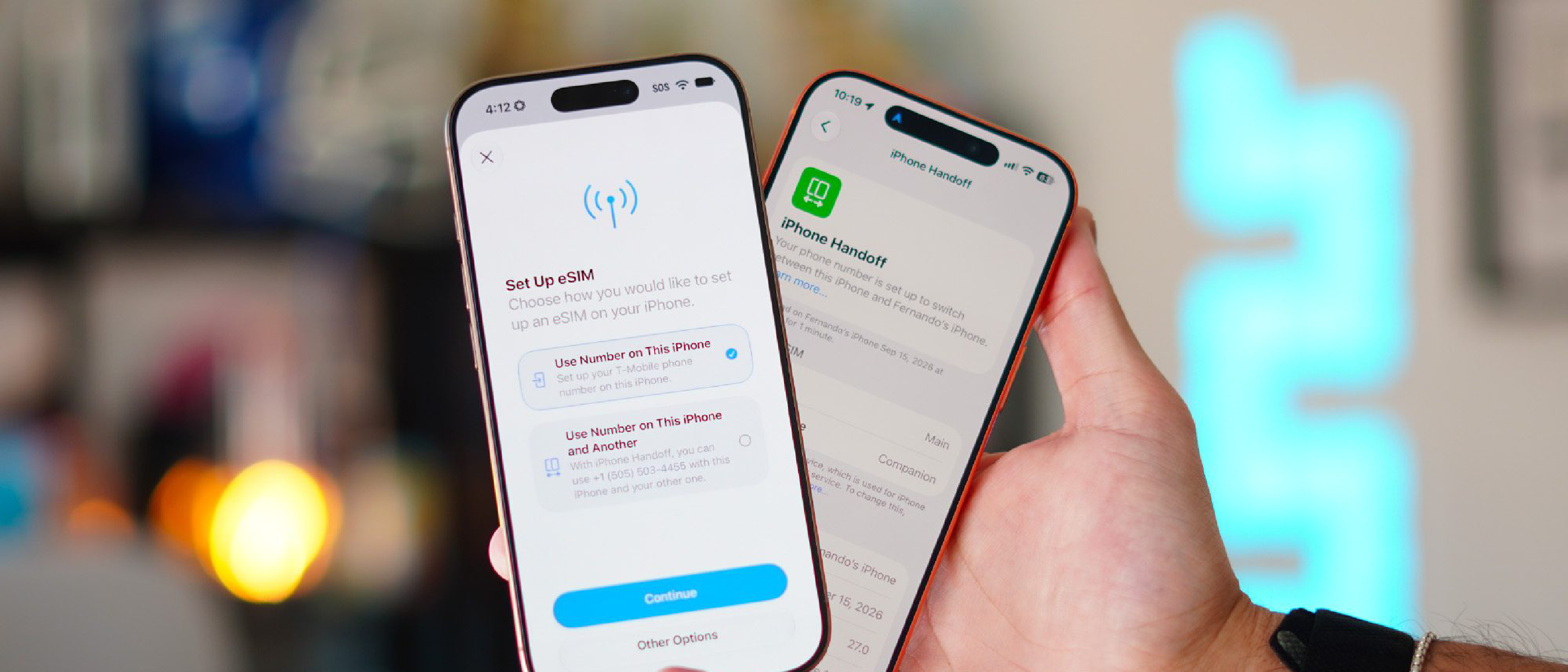
The $10 Handoff Fee – What’s Happening?
Verizon has officially announced a $10 per‑month surcharge for iPhone users who want to enable the newly‑launched iPhone Handoff feature on the carrier’s network. The fee applies only when the feature is activated through Verizon’s proprietary provisioning system; customers on other carriers will continue to enjoy Handoff at no extra cost. The announcement, first reported by 9to5Mac, has already sparked a flurry of commentary across tech blogs, forums, and social media.
The core of the story is simple: a carrier is monetising a native iOS capability that Apple introduced years ago. While the feature itself is not new—Apple’s Continuity suite has allowed iPhone‑to‑Mac hand‑off since iOS 8—the specific implementation Verizon is billing for involves a deeper integration with its network‑level services, such as carrier‑managed authentication, low‑latency hand‑off routing, and optional quality‑of‑service (QoS) guarantees.
Why It Matters to Consumers and Enterprises
Immediate Cost Implications
- Individual users: $10 per month translates to $120 annually, a non‑trivial addition for anyone already paying for a data plan, device financing, and possibly other carrier‑bundled services.
- Enterprise fleets: Companies that provision iPhones for field staff often negotiate bulk pricing with carriers. Adding a per‑device fee could increase total cost of ownership (TCO) by millions for large deployments.
Perception of Carrier Lock‑In
The fee reinforces a growing perception that carriers are moving beyond pure connectivity and into the software layer. By attaching a price tag to a feature that Apple controls, Verizon is effectively monetising Apple’s ecosystem. This could push power users toward unlocked or BYOD (bring‑your‑own‑device) models, where they can sidestep carrier‑specific fees.
Impact on Apple’s Continuity Narrative
Apple markets Continuity—including Handoff, Universal Clipboard, and AirDrop—as a seamless, “just works” experience across its hardware lineup. Introducing a carrier‑specific cost element threatens that narrative, potentially prompting Apple to renegotiate its agreements with carriers or to offer an alternative provisioning path that bypasses Verizon’s fee.
Technical Breakdown of the iPhone Handoff Feature
How Handoff Works Under the Hood
- Bluetooth LE Advertising – When you start a task on an iPhone (e.g., drafting an email), the device broadcasts a low‑energy packet containing a unique session identifier.
- Wi‑Fi Direct / Local Network – Nearby Apple devices on the same iCloud account listen for the broadcast and establish a direct peer‑to‑peer connection.
- iCloud Sync – The task’s state is stored in iCloud, allowing the second device to retrieve the data instantly.
- Carrier‑Assisted Routing (Verizon’s Extension) – Verizon’s network can prioritize the hand‑off packets, reducing latency when the devices are on different Wi‑Fi networks but still within the carrier’s coverage area. This is the component that Verizon is charging for.
What the $10 Fee Actually Covers
- QoS Guarantees: Verizon allocates a slice of its LTE/5G bandwidth to ensure that hand‑off packets experience sub‑100 ms latency, even in congested cells.
- Secure Token Exchange: An additional authentication token is generated by Verizon’s backend to verify that the hand‑off originates from a verified subscriber, adding a layer of security against spoofing.
- Analytics Dashboard: Enterprise customers receive a portal that reports hand‑off success rates, latency metrics, and device‑level usage—useful for IT teams managing large fleets.
Compatibility and Limitations
The fee‑based implementation only works on Verizon‑approved iPhone models running iOS 17 or later.
Devices on other carriers will continue to use the standard, un‑priced Handoff path
Devices on other carriers will continue to use the standard, un‑priced Handoff path
Potential Workarounds for Users
1. Switch to a Different Carrier
If the $10 surcharge is a deal‑breaker, the most straightforward option is to port your number to a carrier that does not impose the fee. Most major U.S. carriers (AT&T, T‑Mobile, Sprint’s legacy network) still support the native Continuity stack without extra cost. Keep in mind that moving carriers may involve early‑termination fees or loss of promotional pricing.
2. Use a BYOD Model with a Personal Data Plan
Many enterprises allow employees to bring their own device (BYOD) and reimburse a portion of the monthly data bill. By pairing a personal iPhone with a non‑Verizon data plan, you can retain full Handoff functionality while sidestepping the carrier‑specific charge.
3. Leverage VPN‑Based Handoff
Some third‑party VPN solutions can tunnel the Bluetooth‑LE advertising packets over the internet, effectively mimicking the carrier‑assisted routing without using Verizon’s QoS slice. This method is technically feasible but may introduce additional latency and is not officially supported by Apple.
4. Rely on Alternative Continuity Features
If Handoff is the only feature you need, consider using Universal Clipboard, AirDrop, or iCloud Drive for cross‑device workflow. These tools remain completely free regardless of carrier.
Industry Reactions
Apple’s Official Stance: Apple has not issued a formal comment yet, but analysts note that the company’s “carrier‑neutral” policy could be tested if more carriers begin monetising native iOS capabilities. A spokesperson for Apple’s Worldwide Developer Relations hinted that “we continue to work closely with our partners to ensure a seamless user experience.”
Verizon’s Rationale: In a press release, Verizon’s VP of Network Services, Lena Ortiz, explained that “the fee reflects the additional infrastructure and security layers we provide to guarantee a buttery‑smooth hand‑off experience for mission‑critical enterprise users.” She emphasized that the service is optional and that “the majority of consumer‑grade hand‑offs will continue to work without any extra charge.”
Competitor Response: AT&T’s Chief Technology Officer, Ravi Patel, tweeted, “We believe in keeping the Apple ecosystem truly seamless—no hidden fees, just great coverage.” The tweet was accompanied by a link to AT&T’s own Continuity support page, which explicitly states that Handoff is free for all customers.
Analyst Outlook: Gartner’s senior analyst Megan Liu warned that “if carriers start treating OS‑level features as premium services, we could see a fragmentation of the user experience that Apple has painstakingly built over the past decade.” She predicts that “by 2028, up to 15 % of iPhone users may opt for carrier‑agnostic solutions to avoid incremental fees.”
What This Means for Future Carrier Services
The introduction of a paid Handoff tier could be the first wave of a broader trend where carriers bundle “software‑as‑a‑service” (SaaS) offerings on top of traditional connectivity. Potential future services might include:
| Potential Service | Likely Carrier Value Add | Possible Pricing Model |
|---|---|---|
| AI‑Powered Call Transcription | Edge‑AI processing, secure storage | $5‑$15 per month per line |
| Enhanced Mobile VPN | Dedicated tunnel, zero‑trust authentication | Tiered pricing based on bandwidth |
| Device‑Level Threat Detection | Real‑time malware scanning, quarantine | $3‑$8 per device per month |
| AR‑Optimised Streaming | Low‑latency edge nodes for AR content | Usage‑based or flat‑rate subscription |
If Verizon’s Handoff fee proves popular among enterprise clients, other carriers may follow suit, turning what was once a free OS feature into a revenue stream.
How to Decide Whether to Pay
| Consideration | Questions to Ask | Decision Guidance |
|---|---|---|
| Usage Frequency | How often do you switch tasks between iPhone and Mac/ iPad? | Heavy users (multiple hand‑offs per day) may justify the QoS guarantee. |
| Enterprise Policy | Does your company reimburse carrier‑specific services? | If reimbursed, the fee is effectively invisible to the end‑user. |
| Performance Needs | Do you work in high‑density environments (e.g., stadiums, conferences) where latency matters? | QoS can be a real advantage in congested cells. |
| Budget Constraints | Is the $10/month within your personal or departmental budget? | If not, explore the workarounds above. |
Conclusion
Verizon’s decision to attach a $10 monthly fee to its enhanced iPhone Handoff implementation marks a subtle but significant shift in the relationship between carriers and the native capabilities of smartphones. While the added QoS and security layers may appeal to enterprise customers with stringent performance requirements, the move also raises concerns about the erosion of Apple’s “carrier‑neutral” promise and the potential for a fragmented user experience.
For most consumers, the fee is likely an unnecessary expense, especially given the availability of free alternatives and the ability to switch carriers without losing core Continuity functionality. Enterprises, however, will need to weigh the cost against the operational benefits of guaranteed low‑latency hand‑offs and detailed analytics.
As the mobile ecosystem continues to evolve, keeping an eye on how carriers monetize software features will be essential for both individual users and businesses alike. The next few quarters will reveal whether Verizon’s gamble pays off—or whether the market pushes back, demanding a return to truly seamless, fee‑free continuity.
FAQ
Q: Does the $10 fee apply to all iPhone models?
A: No. The fee only applies to Verizon‑approved iPhone models running iOS 17 or later that use Verizon’s carrier‑assisted Handoff path.
Q: Can I disable the paid Handoff while keeping other Verizon services?
A: Yes. You can turn off the “Verizon Handoff” option in the Settings → Cellular → Verizon Services menu. This reverts the device to the standard, free Handoff method.
Q: Will Apple ever remove Handoff from iOS to avoid carrier fees?
A: Unlikely. Handoff is a core component of Apple’s Continuity suite. Apple may, however, provide a separate provisioning method that bypasses carrier‑specific services if enough pressure builds.
Q: Is the QoS guarantee measurable?
A: Verizon provides an enterprise dashboard that shows average hand‑off latency (target < 100 ms) and success rates. Individual consumers can run third‑party network testing tools to verify latency improvements.
Q: How does this affect other Continuity features like Universal Clipboard?
A: Only the carrier‑assisted Handoff path is affected. Universal Clipboard, AirDrop, and iCloud‑based hand‑offs remain free and unchanged across all carriers.
Q: Will other carriers follow Verizon’s lead?
A: It’s possible. Industry analysts predict that as 5G networks mature, carriers may look for new revenue streams by packaging software services. Keep an eye on announcements from AT&T, T‑Mobile, and regional carriers.
Q: Can I get a discount if I have many devices?
A: Verizon offers enterprise volume discounts for bulk Handoff subscriptions. Contact your Verizon account manager for a custom quote.
Q: Does the fee affect battery life?
A: The additional background processes for carrier‑assisted routing consume a negligible amount of power—typically less than 1 % of daily battery usage.
Q: Is there a trial period?
A: Verizon currently offers a 30‑day free trial for enterprise customers. Individual consumers can request a trial through Verizon’s support portal, though availability may vary.
Source: Original Article