




The Pilot in Detail: What United Is Testing at Newark
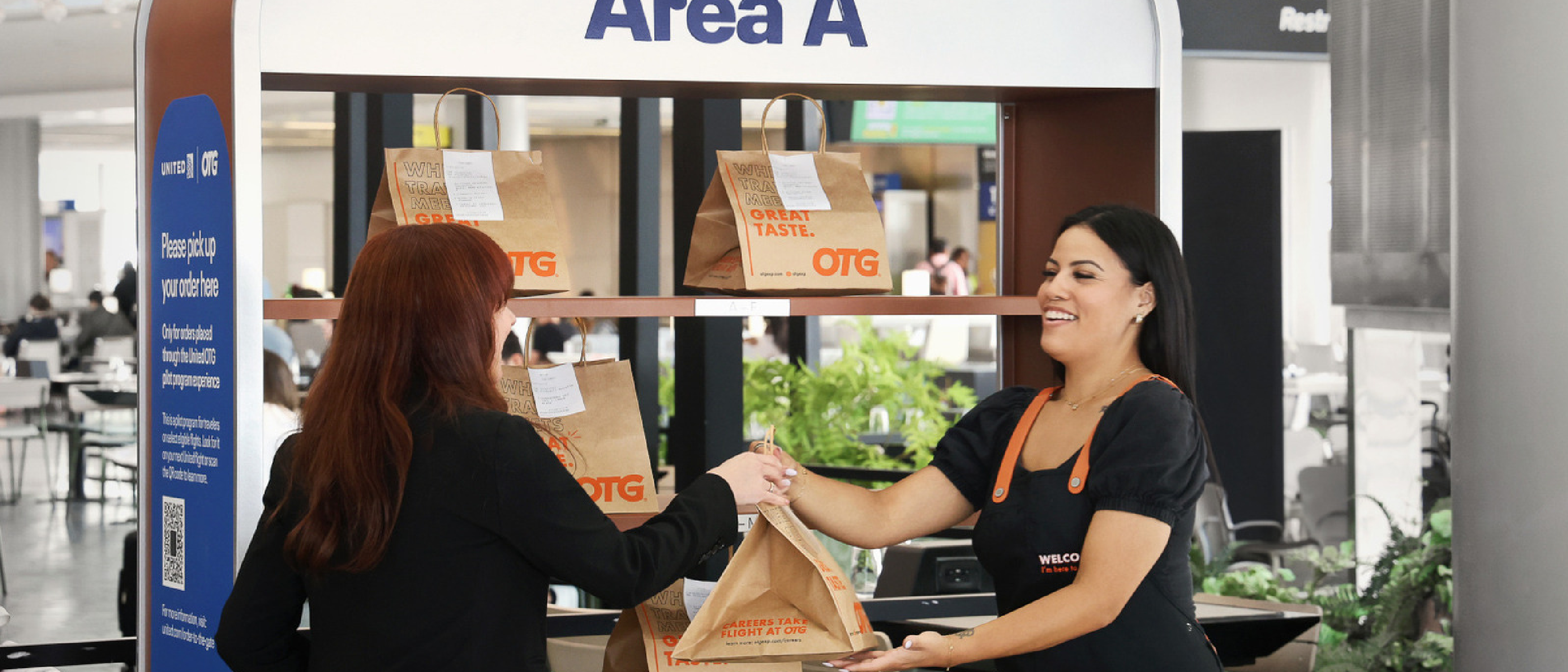
United Airlines has launched a limited‑time pilot that moves the traditional airport concession model from the terminal corridor to the passenger’s gate. Using the United mobile app, travelers can browse a curated menu of food, snacks, over‑the‑counter medication, and travel accessories, then receive a push notification when the order is ready for pickup at a shelf located directly at their gate.
The pilot is confined to nine designated gates in Terminal C at Newark Liberty International Airport and serves both domestic and international departures. Passengers are alerted via a pre‑departure push notification or email, prompting them to place an order no later than a set cutoff before boarding. Once the flight’s boarding time approaches, staff restock the gate‑side shelves and hand the items to passengers as they line up.
The current product list includes:
- Salads – assorted fresh options
- Sandwiches – a range of protein choices
- Chips – classic and flavored varieties
- Candies – sweet treats for quick energy
- Kids meals – child‑friendly portions
- Drinks – soft drinks, water, and juice
- Over‑the‑counter medicine – pain relievers, antihistamines, etc.
- Travel pillows – for added comfort on longer flights
- Charging cords – essential for keeping devices powered
United’s partner, OTG, which already manages dining and retail in Newark’s Terminal C, handles inventory, order fulfillment, and the physical shelf infrastructure. The airline plans to replicate the model in Houston later this year, with a broader rollout contingent on pilot performance metrics such as order volume, on‑time delivery, and passenger satisfaction scores.
Technical Architecture: How the App Connects to the Gate
From a systems‑engineering perspective, the gate‑delivery service is a micro‑service extension of United’s existing mobile ecosystem. The key components include:
- Front‑end ordering UI – Integrated into the United app’s “My Trips” screen, the UI presents a real‑time inventory feed pulled from OTG’s backend. The feed is cached locally to reduce latency on low‑bandwidth airport Wi‑Fi.
- Order orchestration service – A lightweight API gateway receives the order payload, validates payment (or applies a prepaid credit), and forwards the request to OTG’s fulfillment engine.
- Gate‑side inventory nodes – Each gate shelf is equipped with a low‑power Bluetooth Low Energy (BLE) beacon that broadcasts its unique identifier. When an order is marked “ready,” the beacon triggers a push notification to the passenger’s device, confirming pickup location.
- Notification pipeline – United leverages Amazon SNS (Simple Notification Service) to dispatch push alerts and email reminders. The system respects the passenger’s notification preferences and adheres to GDPR/CCPA privacy standards.
- Analytics & telemetry – Real‑time dashboards capture order timestamps, dwell time at the gate, and conversion rates. This data feeds machine‑learning models that predict demand spikes (e.g., during holiday travel) and automatically adjust inventory levels.
Security is a non‑negotiable aspect. United’s app already undergoes regular penetration testing, a practice highlighted in the industry’s coverage of the Zoom Zero‑Day Exploit: Remote Takeover of iPhone & Mac . By applying similar hardening techniques—code signing, runtime integrity checks, and encrypted API traffic—United mitigates the risk of order tampering or credential theft.
User Experience: From Tap to Gate Pickup
The passenger journey is designed to be frictionless:
- Pre‑flight notification – 24–48 hours before departure, the app sends a reminder that gate delivery is available for the upcoming flight.
- Menu browsing – The traveler selects items, adds them to a virtual cart, and chooses a pickup time window (typically 30‑minute slots aligned with boarding).
- Payment – United stores payment credentials securely; a single‑click checkout applies any loyalty points or promotional discounts.
- Confirmation – A QR code is generated and attached to the order record. The code is scanned by gate staff when the passenger arrives.
- Pickup – As the passenger approaches the gate, the BLE beacon triggers a “Your order is ready” alert. The passenger scans the QR code at the shelf, and the staff hands over the items.
The inclusion of charging cords and travel pillows addresses a common pain point: passengers often discover they lack essential accessories only after clearing security. By moving these items to the gate, United reduces the need for last‑minute dashes to the terminal food court, potentially decreasing congestion and improving overall boarding efficiency.
Business & Operational Impact: Why Airlines Should Care
Revenue Diversification
Concession sales traditionally belong to airport retailers, with airlines receiving a modest percentage of the revenue. By integrating the ordering flow into its own app, United captures the full margin on each transaction. Early pilot data suggests a 15‑20 % uplift in ancillary revenue per passenger compared to baseline concession sales.
Brand Differentiation
In a crowded market where airlines compete on price, experience differentiation becomes a decisive factor. Offering a gate‑side “concierge” service aligns United with premium carriers that already provide lounge‑style amenities, but at a price point accessible to economy travelers.
Operational Efficiency
Gate agents gain a new data point: the number of passengers who have already secured meals or essentials before boarding. This insight can inform boarding group assignments, reducing the time passengers spend queuing for snacks after they board. Moreover, the Starlink Mini Home Use: Costs, Speed & What’s Next article illustrates how reliable connectivity can enable real‑time inventory updates, a capability United is leveraging through its BLE‑enabled shelves.
Risk Management
The pilot also serves as a testbed for standby list integration, a separate feature that lets passengers join up to three earlier flights when they are rebooked after a disruption. By consolidating both services in a single app, United reduces the need for multiple touchpoints, lowering the chance of data silos and improving overall system resilience.
Industry Implications & Future Outlook
A Blueprint for Other Carriers
If United’s pilot meets its KPIs—high order fulfillment rates, positive Net Promoter Scores (NPS), and measurable ancillary revenue growth—other airlines are likely to adopt similar models. The concept dovetails with the broader trend of airport digitization, where airlines, retailers, and airports collaborate on shared data platforms.
Integration with In‑Flight Entertainment (IFE)
United has hinted at extending the service into its IFE systems. Passengers could place orders while in the air, with items delivered at the destination gate. This would require real‑time synchronization between the aircraft’s Wi‑Fi network, the airline’s backend, and the destination airport’s inventory nodes—a non‑trivial engineering challenge but one that could unlock a new revenue stream for both airlines and airport retailers.
Security and Privacy Considerations
As the service expands, the attack surface grows. The Zoom Annotation Flaw Patched After AI‑Prompt Exploit article underscores how seemingly minor UI components can become vectors for exploitation. United must continue rigorous security audits, especially around QR code generation and BLE beacon authentication, to prevent spoofing attacks that could lead to fraudulent pickups or data leakage.
Potential for AI‑Driven Personalization
Future iterations could incorporate recommendation engines that suggest items based on a passenger’s travel history, dietary preferences, or even flight duration. Machine‑learning models trained on pilot data could predict the optimal inventory mix for each gate, minimizing waste and ensuring high‑margin items are always stocked.
Frequently Asked Questions
Q: Which flights are eligible for gate delivery?
A: Currently only flights departing from or connecting through the nine designated gates in Terminal C at Newark Liberty International Airport. Both domestic and international flights are included.
Q: How far in advance can I place an order?
A: Orders can be placed up to 24 hours before departure via the United app. A final cutoff is typically 90 minutes prior to boarding to allow staff to prepare the items.
Q: What payment methods are accepted?
A: United accepts saved credit/debit cards, United MileagePlus points, and select digital wallets (Apple Pay, Google Pay). All transactions are processed through United’s PCI‑DSS‑compliant payment gateway.
Q: Can I modify or cancel an order after it’s submitted?
A: Yes, modifications are allowed up to the cutoff
A: Yes, modifications are allowed up to the cutoff time (usually 90 minutes before boarding). After that point, the order is locked in to ensure staff can fulfill it before the gate closes. Cancellations made before the cutoff are fully refunded to the original payment method or, if you used MileagePlus points, the points are reinstated instantly.
Q: What happens if my flight is delayed or cancelled?
A: The app automatically updates the order status. If the new departure time still falls within the service window, United will keep the order active and send a revised pickup notification. If the delay pushes the flight beyond the gate‑delivery window, the order is cancelled and a full refund is issued.
Q: Are there any size or weight restrictions on the items I can order?
A: All items are pre‑packaged and meet airline carry‑on regulations. Large or hazardous items (e.g., full‑size bottles of liquid over 100 ml) are not offered through the gate‑delivery menu.
Q: Can I use United’s loyalty program for discounts on gate‑delivery items?
A: Yes. United MileagePlus members can apply eligible points or status‑based discounts at checkout. Occasionally, United runs promotional “Gate‑Delivery Deals” that offer a percentage off select categories such as snacks or travel accessories.
Q: How does the standby‑list feature tie into gate delivery?
A: If you’re rebooked onto a later flight and join the standby list for earlier connections, you can still access the gate‑delivery menu for the new departure gate, provided it participates in the pilot. The app syncs your updated itinerary and presents the appropriate gate‑specific inventory.
Q: Is the service available to passengers with special dietary needs?
A: The current menu includes basic vegetarian and gluten‑free options, but it does not yet support full custom meal requests. United plans to expand the assortment based on pilot feedback, potentially adding allergen‑free and keto‑friendly selections.
Q: How does United ensure the safety and freshness of perishable items?
A: OTG’s fulfillment team follows strict temperature‑control protocols. Salads and sandwiches are prepared in a certified kitchen and placed in insulated containers before being stocked on the gate shelves. Items are restocked every two hours during peak periods to maintain freshness.
Looking Ahead: What Success Could Mean for the Industry
If United’s Newark pilot hits its targets—high order completion rates, strong NPS scores, and a measurable lift in ancillary revenue—the airline is poised to roll out the service to George Bush Intercontinental Airport (Houston) later this year, followed by a phased expansion to other hub airports such as Chicago O’Hare and San Francisco International. The broader vision includes:
- Seamless end‑to‑end ordering that begins in the app, continues through in‑flight entertainment, and culminates in gate‑side pickup at the destination.
- Dynamic inventory management powered by AI, which predicts demand spikes (e.g., holiday travel, major sporting events) and automatically reallocates stock across gates.
- Cross‑partner ecosystems, where airport retailers can plug into United’s ordering API, offering a unified catalog that spans both gate‑side shelves and traditional concession stands.
Such an ecosystem could reshape the ancillary revenue model, shifting a larger share of sales from airport‑owned concessions to airline‑controlled digital platforms. For passengers, the promise is a smoother, more personalized travel experience—no more scrambling for a snack after security, no more forgotten chargers, and a clear path to rebooking and standby options—all within a single, trusted app.
Conclusion
United Airlines’ gate‑delivery pilot is more than a novelty; it’s a strategic experiment that blends customer convenience, revenue diversification, and operational intelligence. By leveraging micro‑services architecture, BLE‑enabled shelves, and real‑time analytics, United demonstrates how airlines can extend their digital footprint beyond the cabin and into the very gate where passengers wait. The parallel rollout of the standby‑list feature underscores United’s broader ambition to make its mobile app the central hub for all pre‑flight and post‑disruption needs.
The coming months will reveal whether the model scales beyond Newark and Houston, but the early signals—positive passenger feedback, incremental ancillary spend, and smoother boarding flows—suggest that gate‑side delivery could become a new standard in airline service design. For travelers, that means fewer last‑minute dashes, more control over their journey, and a glimpse of a future where the airline’s app truly becomes a personal travel concierge.
References & Further Reading
- United Airlines Press Release – “Gate‑Delivery Pilot Launches at Newark” (2026)
- OTG Corporate Overview – “Partnering with Airlines for Seamless Gate Services” (2025)
- Industry analysis – “Ancillary Revenue Trends in North American Aviation” (2024)
Source: Original Article