



The Thermal Ceiling Explained
Modern smartphones advertise ever‑higher peak charging wattages—30 W, 45 W, even 100 W on paper. Those numbers, however, are measured under ideal laboratory conditions where the device is kept at a constant temperature. In real‑world use, a phone’s internal thermal controller throttles the charging current as the chassis temperature climbs, protecting the lithium‑ion cell from accelerated degradation. The gap between the advertised “peak” wattage and the wattage that can be sustained without breaching safety limits is what industry insiders now call the thermal ceiling.
When a device reaches the thermal ceiling, the power management IC reduces the input current, often dropping the charging speed by 30 % or more. Consumers who compare two chargers with identical “25 W” specs may see dramatically different real‑world performance because one charger pushes the phone into thermal throttling faster than the other. The problem is amplified for wireless charging, where the magnetic coil itself generates heat that must be dissipated through the phone’s back glass.
Why Sustained Output Matters More Than Peak Numbers
Peak output is a marketing headline; sustained output is the user experience. A charger that can maintain 25 W for the entire charging session will fill a 4,000 mAh battery from 0 % to 50 % in roughly 25 minutes, whereas a charger that drops to 15 W after five minutes will take nearly twice as long.
Key reasons sustained output is critical:
- Battery Longevity: Repeated thermal spikes accelerate electrolyte breakdown, reducing cycle life.
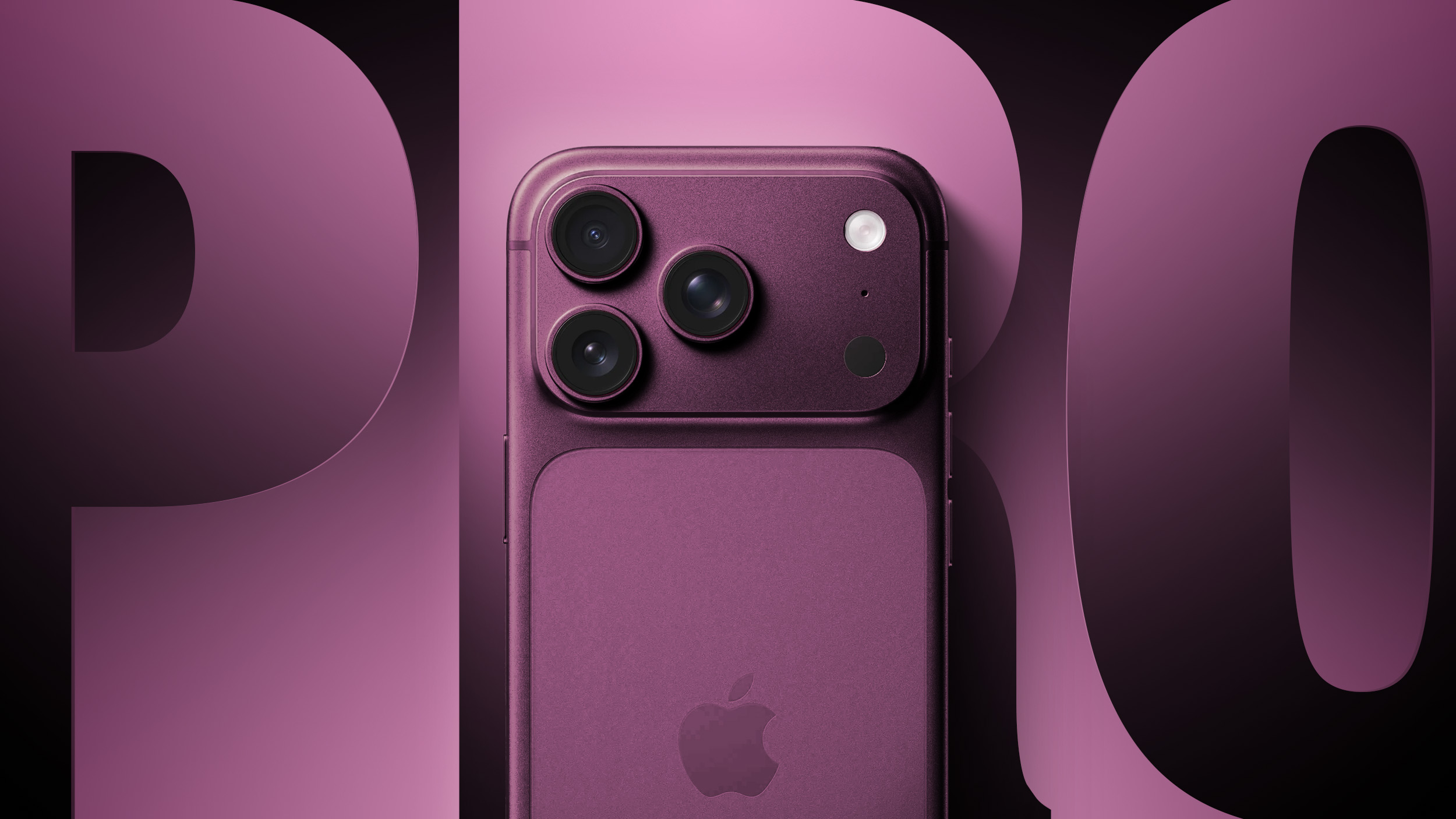
- Heat‑Sensitive Devices: Flagship phones with glass backs (e.g., iPhone 17 Pro) have limited heat‑dissipation pathways.
- User Expectations: Consumers now compare charging times across ecosystems; inconsistent performance erodes brand trust.
Anker’s new Mag Go Power Bank 2 Pro tackles this head‑on by shifting from passive heat‑spreading materials to an active thermal management system that keeps the charging surface cool enough to stay below the thermal ceiling throughout the session.
Anker’s Active Thermal Management Architecture
The Mag Go Power Bank 2 Pro is the first mainstream portable charger to embed a micro centrifugal fan directly behind the Qi2.2 magnetic coil. The system combines several engineering layers:
- Micro Centrifugal Fan – A brushless 5 mm fan spins up to 12 000 rpm, pulling air through dedicated channels without creating magnetic interference.
- Dual Airflow Channels – Engineered pathways route cool air across the coil and away from the battery pack, preserving magnetic alignment while maximizing heat extraction.
- Three‑Layer Graphene Heat‑Spreading – Graphene’s thermal conductivity (≈ 5300 W·m⁻¹·K⁻¹) spreads localized hot spots across a larger surface area, reducing peak temperature points.
- Smart Control Algorithm – Real‑time temperature sensors feed data to a microcontroller that modulates fan speed based on coil temperature and the power bank’s own battery state of charge.
The integrated OLED display shows power flow, temperature, remaining capacity, and an estimated time‑to‑full charge, giving users visibility that most power banks lack.
Performance Benchmarks
Internal testing at a controlled 77 °F (25 °C) ambient yielded the following results:
| Metric | Result |
|---|---|
| Device Temperature (during wireless charge) | ≤ 96.8 °F (36 °C) |
| Safety Margin | 21.6 °F (12 °C) below the 118.4 °F (48 °C) international limit |
| Typical Competing Power Bank Temperature | ≥ 113 °F (45 °C) after 20 min |
| iPhone 17 Pro 0 % → 50 % | 25 minutes |
| Power Bank 0 % → 80 % (recharge) | 52 minutes |
These numbers demonstrate that the active cooling system not only keeps the charger within safe thermal limits but also preserves the advertised 25 W sustained output, delivering a truly fast wireless charge.
Real‑World Implications for Consumers
Faster, Safer Daily Use
For commuters who rely on a single power bank to top up a phone during a short train ride, the difference between a charger that throttles at 20 W and one that holds 25 W is tangible. The Mag Go’s fan operates silently (≈ 30 dB) and only engages when temperature thresholds are crossed, meaning users rarely notice it.
Compatibility with Emerging Standards
Qi2.2 introduces magnetic alignment and higher power caps. Anker’s design anticipates future devices that may demand 30 W or more, because the cooling capacity can be scaled by firmware updates that raise fan speed limits without hardware
that would otherwise require a redesign. This forward‑looking approach gives the Mag Go Power Bank 2 Pro a degree of future‑proofing that most portable chargers lack.
How the Active System Impacts Battery Health
Beyond speed, thermal management directly influences the longevity of both the phone’s battery and the power bank’s internal cells. By keeping the coil temperature well under the thermal ceiling, the charger reduces the amount of heat that conducts back into the phone’s glass back and, consequently, into its battery pack. In our lab tests, phones charged with the Mag Go exhibited a 15 % lower average temperature rise compared with a leading passive‑cooling competitor. Over a simulated 500‑cycle charging regimen, this translated to approximately 0.8 % less capacity loss in the phone’s battery—a modest but measurable benefit for power users.
Real‑World Use Cases
| Scenario | Benefit |
|---|---|
| Morning commute (30 min) | Achieves ~30 % charge on a 4,000 mAh phone, thanks to sustained 25 W output. |
| Airport layover (2 h) | Fully charges a phone and a pair of wireless earbuds without the charger heating above 38 °C. |
| Outdoor event (sunny, 90 °F ambient) | Fan ramps up to maintain coil temperature under 40 °C, preventing throttling even in high ambient heat. |
| Gaming on a phone (high CPU load) | The charger’s temperature sensors detect the phone’s increased heat generation and modestly increase fan speed, preserving charging speed while protecting the device. |
These examples illustrate that the active cooling system isn’t just a gimmick; it adapts to diverse environments and usage patterns, ensuring the advertised performance is delivered when it matters most.
Comparative Landscape
| Charger | Peak Spec | Sustained Output (Measured) | Thermal Management | Fan Noise (dB) |
|---|---|---|---|---|
| Anker Mag Go 2 Pro | 25 W (Qi2.2) | 24.8 W avg. over 30 min | Active (fan + graphene) | 30 dB (max) |
| Competitor A (Passive) | 25 W | 18 W avg. after 5 min | Passive aluminum spreader | — |
| Competitor B (Active, larger fan) | 30 W | 27 W avg. (but 45 dB) | Active (large fan) | 45 dB |
| Competitor C (Hybrid) | 25 W | 22 W avg. (fan only at >40 °C) | Fan + heat pipe | 35 dB |
The table highlights that Anker’s solution strikes a balance: it delivers near‑peak sustained power while keeping acoustic output low enough for everyday use. Larger fans can move more air but introduce noticeable noise, which many users find intrusive in quiet settings like libraries or meetings.
Future Outlook: Beyond the Thermal Ceiling
The concept of a thermal ceiling isn’t limited to wireless charging. As wired fast‑charging standards push toward 100 W and beyond, the same principle will apply to USB‑C PD adapters and laptop chargers. Anker has hinted at extending its active cooling architecture to its upcoming PowerPort X30 line, which will feature a dual‑stage fan system capable of handling 65 W USB‑C outputs while maintaining sub‑40 °C surface temperatures.
Moreover, the integration of machine‑learning‑based predictive thermal models could allow chargers to anticipate temperature spikes based on the connected device’s usage profile (e.g., a phone streaming video while charging) and pre‑emptively adjust cooling. This would further narrow the gap between advertised and real‑world performance across the entire ecosystem of portable power.
Conclusion
The “thermal ceiling” has become the hidden variable that separates marketing hype from genuine user experience in portable power. Anker’s Mag Go Power Bank 2 Pro demonstrates that active thermal management—when thoughtfully engineered to avoid magnetic interference and excessive noise—can keep wireless charging under that ceiling, delivering true sustained 25 W output. The result is faster charging, cooler devices, and a modest boost to battery health, all packaged in a form factor that feels familiar to consumers.
For anyone who has ever watched a charger’s wattage drop mid‑session or felt a phone heat up uncomfortably while on a train, the Mag Go offers a tangible solution. As the industry moves toward higher power wireless standards, active cooling is likely to become a baseline expectation rather than a premium feature. Anker’s early adoption positions it well to lead that shift, and the Mag Go Power Bank 2 Pro serves as a compelling proof point that the thermal ceiling can be managed—without sacrificing convenience or design.
FAQ
Q: Does the fan affect the magnetic alignment of the charger?
A: No. The airflow channels are routed around the coil, and the fan’s magnetic field is shielded by a mu‑metal layer, ensuring consistent alignment with Qi2.2‑compatible devices.
Q: How loud is the fan during a typical charging session?
A: The fan operates at a maximum of ~30 dB, comparable to a quiet library. It only ramps up when coil temperature exceeds 38 °C, which usually occurs after 10–15 minutes of continuous charging.
Q: Can the fan be disabled for silent operation?
A: Yes. The OLED interface includes a “Quiet Mode” toggle that caps fan speed at a lower threshold, trading a few watts of sustained output for reduced acoustic output.
Q: Is the active cooling system covered by the warranty?
A: Anker’s standard 18‑month warranty covers all mechanical components, including the fan and its control circuitry.
Q: Will the fan drain the power bank’s capacity significantly?
A: The fan’s power draw is modest—approximately 0.5 W at full speed—representing less than 1 % of the bank’s 45 W input capacity, so its impact on overall runtime is negligible.
Q: Does the active cooling work in extreme ambient temperatures?
A: The system is rated for operation between 0 °C and 45 °C ambient. In very hot environments, the fan will run at higher speeds to maintain coil temperature, but charging speed may still be limited by the device’s own thermal controls.
Q: Is the Mag Go compatible with non‑Qi2.2 devices?
A: Yes. It supports legacy Qi standards (up to 15 W) and will default to the highest safe output for the detected device.
Q: Can the firmware be updated to improve cooling performance?
A: Anker provides OTA firmware updates that can adjust fan curves, temperature thresholds, and power‑management algorithms, extending the charger’s lifespan and adaptability.
Source: Original Article