
What Happened on the Vulcan Flight
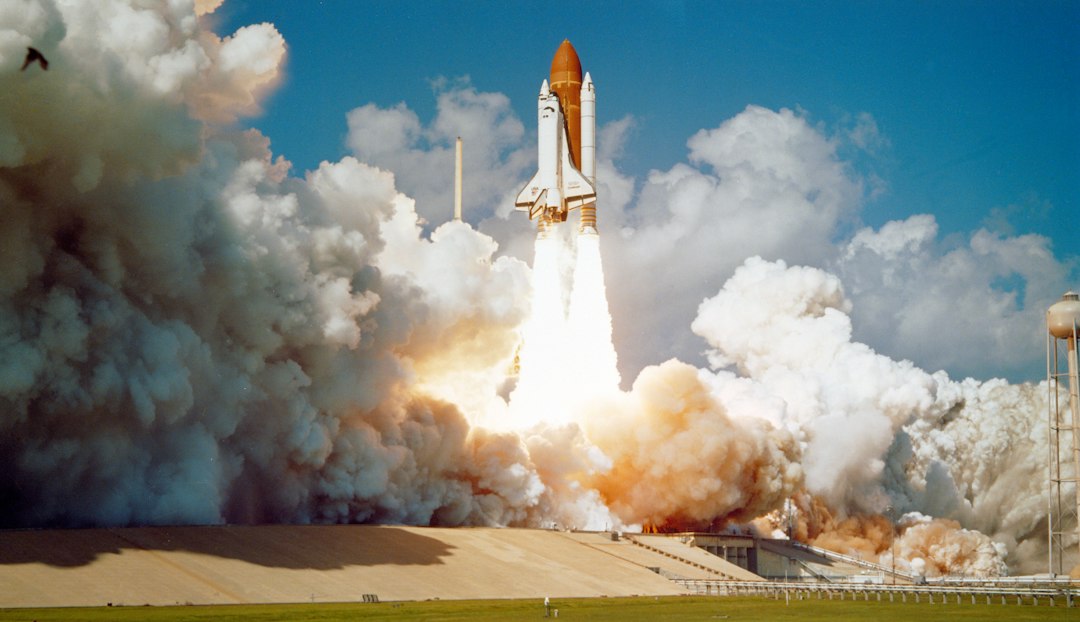
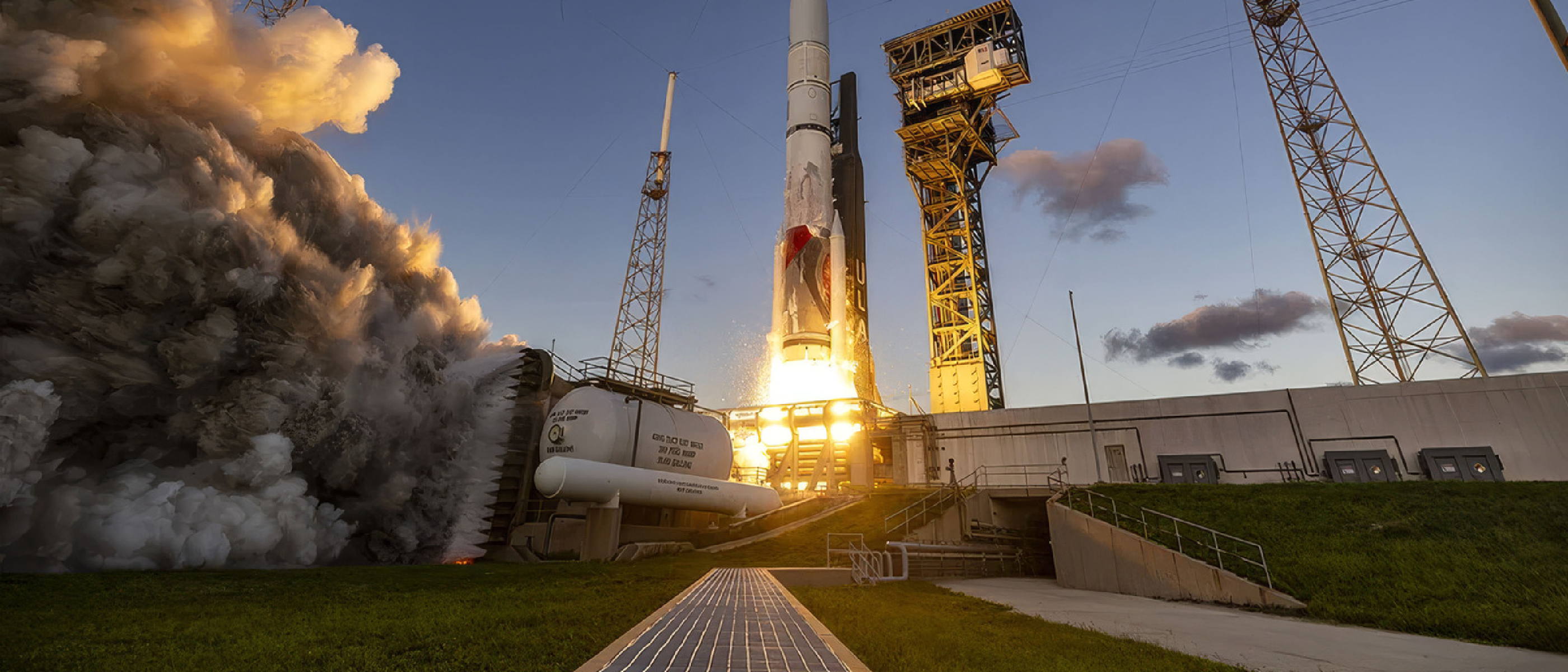
On November 15, 2026, United Launch Alliance (ULA) attempted the first orbital flight of its next‑generation heavy‑lift vehicle, the Vulcan Centaur. The launch lifted off from Space Launch Complex 41 at 12:40 PM ET, carrying a payload of 40 Amazon Leo broadband satellites. Ten minutes into flight, during the scheduled 12.25‑minute burn of the Centaur upper stage, telemetry indicated an anomaly. ULA’s launch director confirmed that the vehicle “suffered an anomaly 10 minutes into the flight and failed to deliver the Amazon mission to orbit.”
The loss of 40 satellites is a stark contrast to the flawless record ULA built with the Atlas V, which has launched eight Amazon Leo missions without incident. This marks the first failure for the joint venture since its inception in 2006.
Technical Breakdown of the Anomaly
First‑Stage Performance
- Methane Engines (BE‑4): The two BE‑4 engines on the first stage fired longer than the nominal timeline. While the solid rocket boosters (SRBs) performed nominally, the extended engine burn altered the vehicle’s velocity profile.
- Solid Boosters: Earlier test flights had shown occasional thrust oscillations, but the November launch showed no abnormal behavior from the SRBs.
Upper‑Stage Centaur Issue
The Centaur upper stage, powered by two RL10C‑2 engines, was slated for a 12.25‑minute burn to circularize the orbit and deploy the Leo satellites. The anomaly occurred roughly halfway through this burn. ULA has not released detailed fault data, but the following possibilities are under investigation:
- Propellant Feed Instability – Over‑pressurization or cavitation could have caused a premature shutdown.
- Guidance, Navigation, and Control (GNC) Glitch – A software‑driven trajectory error might have triggered an abort.
- Thermal Overload – Extended first‑stage burn could have raised temperatures beyond design margins for the RL10C‑2.
ULA’s statement, “Every flight generates data, and every flight teaches us something,” underscores that the root cause will likely emerge only after a thorough post‑flight analysis.
Comparison with Atlas V
The Atlas V’s reliability stems from its single‑engine Centaur stage and a long heritage of hypergolic propellants. Vulcan’s shift to methane (BE‑4) and liquid hydrogen (RL10C‑2) introduces new thermal and fluid dynamics challenges, which may have contributed to the anomaly.
Why the Failure Matters for the Satellite Industry
Competitive Pressure on SpaceX
Amazon Leo is positioned as a direct competitor to SpaceX’s Starlink constellation. The loss of 40 satellites reduces Leo’s current count to roughly 350, widening the gap with Starlink’s several thousand operational units. The setback also delays Amazon’s ability to meet the FCC‑mandated 1,600‑satellite threshold by July 31, 2026.
Supply‑Chain and Scheduling Risks
Amazon has booked 38 future Vulcan flights and 24 New Glenn launches from Blue Origin. The New Glenn explosion in May already strained Amazon’s launch cadence. The Vulcan failure adds another layer of uncertainty, forcing Amazon to re‑evaluate its launch manifest and potentially seek rides on rival vehicles.
Financial and Regulatory Implications
Missing the FCC deadline could trigger penalties or force Amazon to request extensions, both of which could affect investor confidence. Moreover, the cost of rebuilding 40 satellites—each estimated at several million dollars—adds a non‑trivial financial hit.
Impact on Amazon Leo’s Deployment Timeline
Current Constellation Status
- In‑orbit satellites: ~390 (including the 40 lost)
- Target by July 31 2026: 1,600
- Long‑term goal by July 2029: 3,232
Revised Launch Cadence
Assuming each Vulcan flight can carry 40 satellites, the loss of one flight means at least one additional launch will be required to stay on schedule. However, the “buffers” Amazon built into its schedule, as quoted in a July statement, have already been “exhausted” due to concurrent delays across all three heavy‑lift programs (Vulcan, New Glenn, and Atlas V).
Mitigation Strategies
- Re‑booking on Atlas V: ULA could allocate Atlas V slots for Leo payloads, albeit at higher cost per kilogram.
- Exploring International Launch Providers: Arianespace or Roscosmos could provide supplemental rides, though regulatory and geopolitical considerations apply.
- Accelerated Satellite Production: Amazon may need to ramp up manufacturing to replace the lost units quickly, leveraging its existing supply chain.
Broader Implications for the Heavy‑Lift Market
Market Share Shifts
ULA’s Vulcan was marketed as a cost‑effective, domestically produced alternative to SpaceX’s Falcon 9 and Starship. A high‑profile failure could sway satellite operators toward proven platforms, at least in the short term.
Technological Lessons
- Methane Engine Maturity: The BE‑4’s extended burn highlights the need for more extensive ground testing of methane propulsion cycles.
- Upper‑Stage Integration: The coupling of BE‑4 first stage with RL10C‑2 upper stage introduces complex thermal interfaces that must be validated.
Industry Collaboration
ULA has pledged transparency and will involve customers in the investigation. This collaborative approach may set a new standard for post‑failure data sharing, benefiting the broader launch ecosystem.
FAQ
Q1: How many Amazon Leo satellites were lost? A: Forty satellites were destroyed when the Vulcan vehicle failed during the Centaur upper‑stage burn.
Q2: When is the next Vulcan launch scheduled? A: ULA has not announced a new date; the launch will be rescheduled after the investigation concludes.
Q3: Will Amazon still meet its FCC deadline? A: The deadline is tight. Amazon will need to secure additional launch capacity and accelerate satellite production to stay on track.
Q4: How does this affect SpaceX’s Starlink? A: The setback widens the performance gap between Leo and Starlink, potentially giving SpaceX a temporary market advantage.
Q5: What role does data analysis play in understanding the failure? A: Advanced telemetry processing, similar to the AI‑driven health data analysis described in Apple Launches Health AI Usage Study App for Users, will be crucial for pinpointing the root cause.
Q6: Are there any hardware parallels to this incident? A: The challenges of integrating new propulsion hardware echo the complexities discussed in USB‑C on Your Phone: More Than Just Charging and Data, where evolving standards demand rigorous testing.
Q7: How does uncertainty affect launch planning? A: The concept of navigating ambiguity, explored in Navigating Ambiguity: The ‘Chiter’ Conundrum in Tech, mirrors the strategic decisions satellite operators must make when faced with schedule slips.
Source: Original Article