






What the New Live‑Video Feature Actually Does
Uber’s latest rollout targets its Teen Accounts—a product line introduced in 2023 and now available in more than 50 countries. When a teen books a ride, the driver’s front‑facing (selfie) camera is automatically activated. As soon as the trip begins, the linked parent or guardian receives a push notification that a live stream is ready. If the adult taps the notification, both the driver and the teen see a confirmation that the stream is active, and the video feed appears in the parent’s Uber app.
Key functional points:
- Ride‑Start Notification – triggers the stream‑availability alert.
- Stream‑View Confirmation – visible to driver and teen, ensuring transparency.
- Account‑Linking Restriction – only the pre‑registered guardian can view the feed; no third‑party sharing.
- No Opt‑Out for Other Passengers – any additional riders are captured in the feed without a separate consent mechanism.
- Post‑Ride Access – the video is discarded once the trip ends; no recordings are stored on Uber’s servers.
- Encryption Claim – Uber states the video is “encrypted,” though the exact encryption model (e.g., end‑to‑end) has not been disclosed.
The feature is live in nine U.S. markets—including Atlanta, Cleveland, and Rhode Island—and will expand nationwide over the next few weeks.
Technical Architecture and Encryption Details
While Uber has been tight‑lipped about the underlying stack, the public description allows us to infer several components:
Camera Capture Layer – The driver’s selfie camera streams raw video frames to the Uber driver app. This is similar to the video pipeline used for in‑app driver‑passenger communication (e.g., voice calls) but repurposed for a one‑way feed.
Secure Transport – Uber likely leverages TLS 1.3 for transport encryption between the driver’s device and Uber’s edge servers. The “encrypted” label in the press release suggests at‑least transport‑level security.
Session Management – When a parent taps the notification, a short‑lived session token is generated, granting temporary read‑only access to the stream. The token expires automatically when the ride ends.
Ephemeral Storage – To satisfy the “no post‑ride access” promise, the video frames are probably buffered in memory or a volatile cache rather than persisted to disk. Once the ride terminates, the buffer is flushed.
Access Auditing – Both driver and teen receive a real‑time alert that the stream is live, creating an audit trail that can be referenced in case of disputes.
The lack of a clear statement about end‑to‑end encryption (E2EE) is notable. If Uber retains the decryption keys on its servers, the company could technically reconstruct the feed, raising privacy concerns. Conversely, a true E2EE model would mean only the parent’s device holds the decryption key, limiting Uber’s visibility. Until Uber publishes a cryptographic whitepaper, the exact threat model remains ambiguous.
Privacy, Legal, and Ethical Considerations
Consent and Passenger Rights
The feature’s design deliberately excludes an opt‑out for other passengers. In jurisdictions with strict data‑protection statutes (e.g., GDPR in Europe, CCPA in California), recording individuals without explicit consent can be problematic. While Uber’s teen product is U.S.-focused for now, the global rollout may encounter regulatory friction.
Parental Surveillance vs. Child Autonomy
From a parental‑control perspective, real‑time video offers peace of mind, especially for younger teens traveling alone at night. However, continuous monitoring can erode trust and may be viewed as over‑reach. Industry analysts often compare this to the debate surrounding school‑bus cameras, where safety benefits are weighed against privacy intrusions.
Security Implications
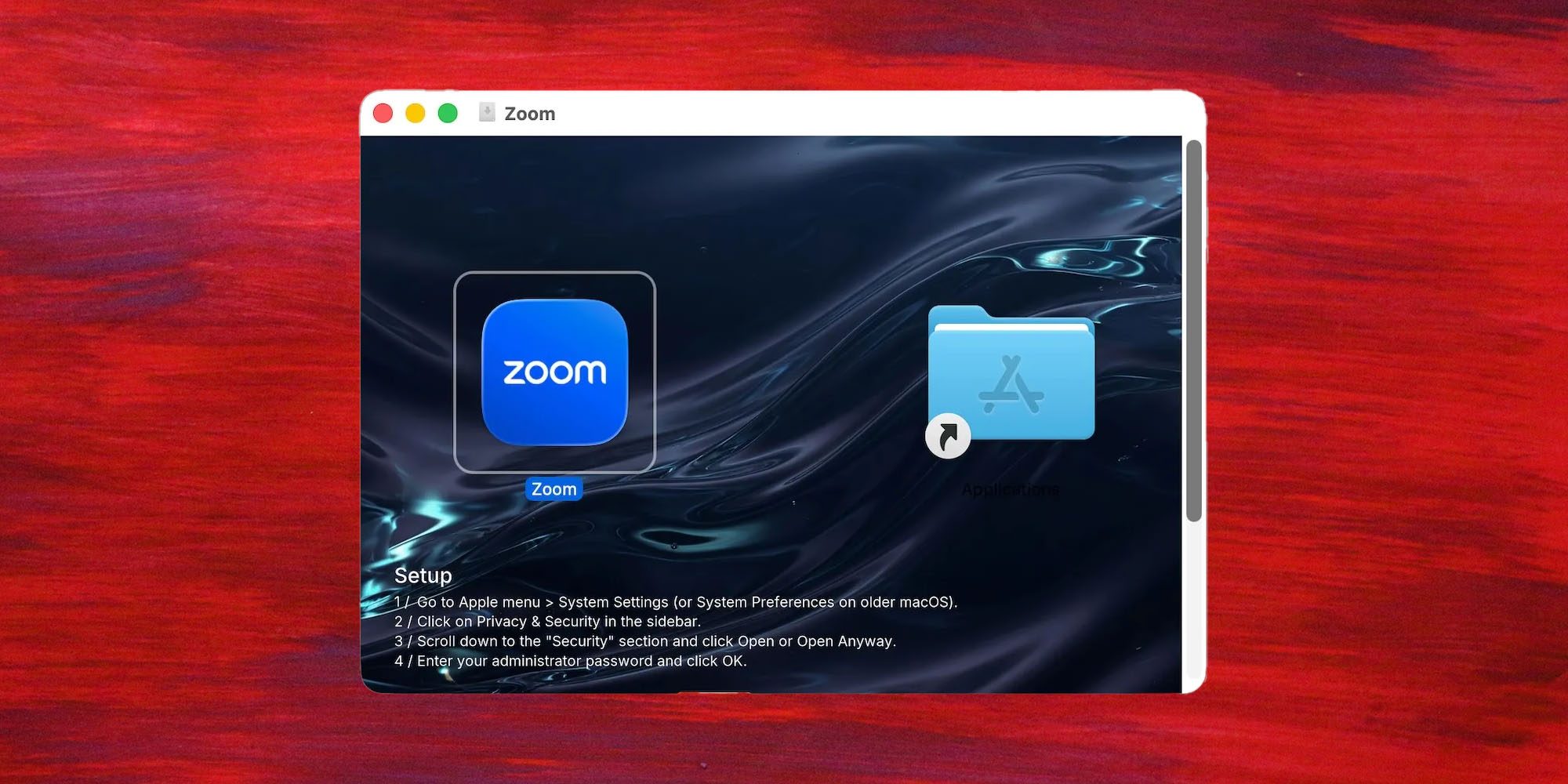
The introduction of a live video pipeline creates a new attack surface. If an adversary could hijack the session token, they might gain unauthorized viewership. Uber’s prior experience with security incidents—such as the Zoom Zero‑Day Exploit: Remote Takeover of iPhone & Mac —highlights the importance of rigorous penetration testing and bug‑bounty programs for any new media channel.
Data Retention Policies
Uber’s claim that “no one has access to the video after the ride ends” aligns with a privacy‑by‑design approach, but the company must document and audit the deletion process. Independent verification (e.g., third‑party audits) would bolster confidence among privacy advocates.
Impact on the Ride‑Sharing Industry
Competitive Differentiation
Uber’s teen‑focused safety suite already includes features like Ride‑Check (automatic crash detection) and Guardian PIN (parent‑set PIN for ride confirmation). Adding live video differentiates Uber from competitors such as Lyft, which currently offers only location‑sharing via the app. This could become a decisive factor for families when choosing a platform.
Driver Experience
Drivers now have an additional on‑screen element—the stream‑view confirmation—that appears during teen rides. While most drivers may view this as a safety net (reducing false accusations), some could perceive it as intrusive, especially if they are uncomfortable being filmed. Uber will need to monitor driver sentiment and possibly offer opt‑out mechanisms for drivers who refuse teen rides.
Market Adoption
The nine‑city pilot includes a mix of urban and suburban markets, allowing Uber to collect data on usage rates, parental engagement, and any latency issues. Early metrics (e.g., percentage of rides where parents actually view the stream) will inform the nationwide rollout strategy. If adoption is high, we may see similar features extended to other vulnerable user groups, such as seniors or riders with disabilities.
Broader Ecosystem Effects
The live‑stream model could inspire third‑party developers to build complementary services—e.g., AI‑driven anomaly detection that flags unusual driver behavior in the video feed. Such innovations would echo the way YouTube’s policy changes around AI‑generated content have spurred new moderation tools, as discussed in the article YouTube Fights AI Slop with New Monetization Rules .
Future Outlook and Potential Enhancements
End‑to‑End Encryption Confirmation
A logical next step for Uber would be to publish a technical brief confirming true E2EE. This would reassure privacy‑focused users and align the feature with best practices seen in secure messaging platforms.
Selective Frame Redaction
Implementing on‑device AI that automatically blurs faces of non‑teen passengers could address consent concerns without sacrificing safety benefits. Similar privacy‑preserving techniques are already employed in macOS security tools like Mac Antivirus Intego One .
Integration with Smart Home Devices
Parents could route the live feed to a smart display (e.g., Amazon Echo Show) for hands‑free monitoring. This would require robust authentication flows but could increase convenience.
Expansion Beyond the U.S.
Given Uber’s global presence, the feature may eventually launch in markets where teen‑rider regulations differ. Localizing the consent workflow and aligning with regional privacy laws will be essential.
Frequently Asked Questions
Q1: Does Uber store the video after the ride ends?
A: According to Uber’s statement, the stream is encrypted and discarded once the trip concludes. No recordings are retained on Uber’s servers.
Q2: Can a driver refuse to enable the live video?
A: The feature is automatically enabled for teen rides in participating markets. Drivers receive a notification that the stream is active, but they cannot disable it for a specific trip.
Q3: Are other passengers captured in the feed?
A: Yes. The current design does not provide an opt‑out for additional riders, meaning anyone in the vehicle appears in the live stream.
Q4: How is the video protected from interception?
A: Uber uses encrypted transmission (likely TLS 1.3). The exact encryption scheme—whether it includes end‑to‑end encryption—has not been disclosed.
Q5: Will this feature be available on all Uber apps?
A: The rollout starts in nine U.S. cities and will expand nationwide over the coming weeks. Availability on international Uber apps will depend on local regulations and market testing.
The introduction of live video for teen rides marks a significant evolution in ride‑sharing safety tools. By blending real‑time visual oversight with existing location‑sharing mechanisms, Uber aims to give parents a stronger sense of control while navigating the delicate balance between safety and privacy. The coming weeks will reveal how users, drivers, and regulators respond to this new layer of transparency.
Source: Original Article