




The Leaker’s Claim and Immediate Reactions
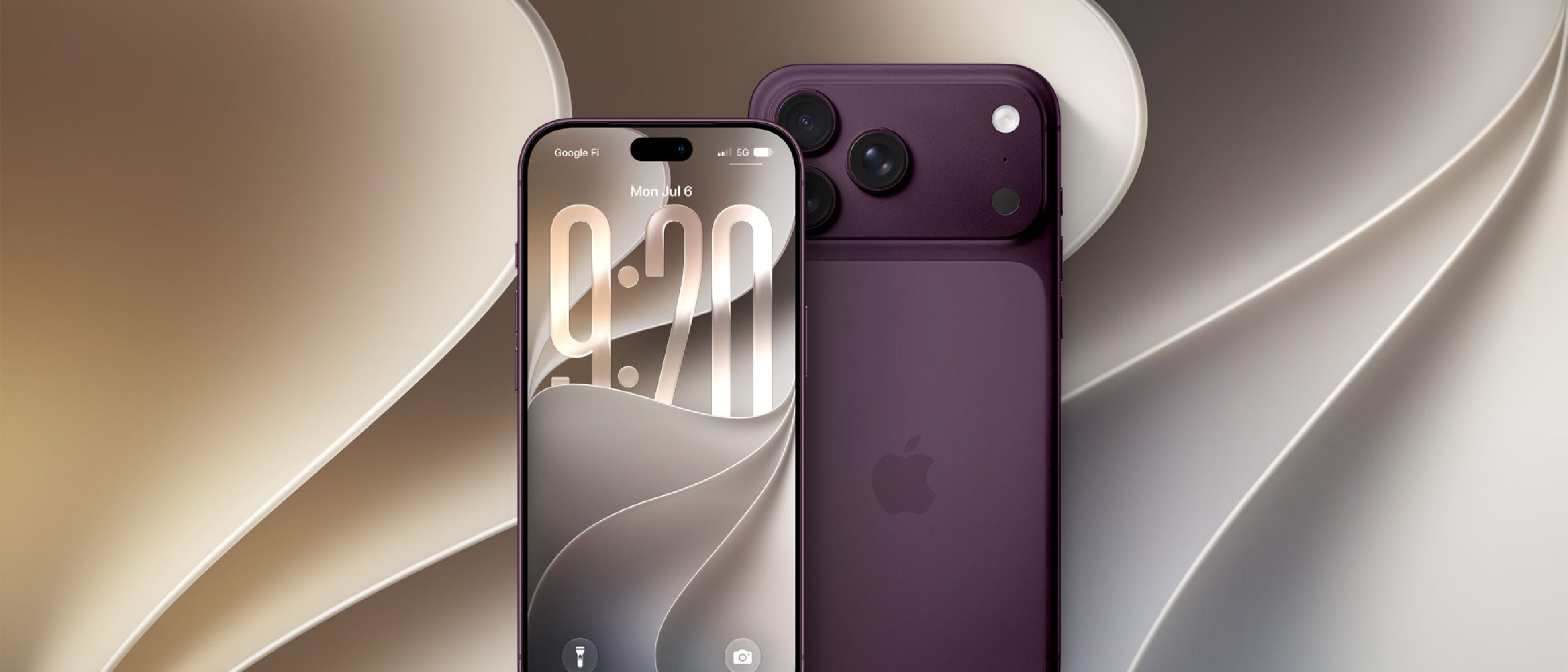
A recent leak has stirred the iPhone community: two camera features that were expected to debut on both the iPhone 18 Pro and iPhone 18 Pro Max might be exclusive to the larger model. The unnamed source, who has a history of accurate predictions, stated that “two new features expect to come to both Pro models ‘may’ now be exclusive to the Pro Max.” While the details of the features remain undisclosed, the mere possibility of a split between the Pro and Pro Max lines has sparked intense speculation.
Apple’s typical strategy has been to bundle flagship upgrades across both Pro variants, ensuring a uniform experience for users who choose either size. An exclusivity move would break that pattern, potentially redefining the value proposition of each device.
Why Camera Exclusivity Matters for iPhone Users
1. Perceived Value and Pricing Strategy
- Pro Max as a Premium Experience: If the Pro Max gains unique camera capabilities, it could justify a higher price point or a stronger marketing push for the larger model.
- Consumer Choice: Users who prioritize photography may be forced to opt for the Pro Max, while those who prefer a smaller form factor might feel shortchanged.
2. Software Ecosystem and Feature Adoption
- App Compatibility: Developers may need to tailor camera-related apps to leverage the exclusive hardware, potentially creating a fragmented experience across the Pro line.
- Future iOS Updates: Apple’s software roadmap could prioritize the Pro Max for new camera features, influencing the rollout of iOS updates.
3. Competitive Landscape
- Samsung and Google: Both competitors often differentiate their flagship models with exclusive camera hardware. A similar move by Apple could level the playing field or even give Apple an edge if the features are compelling.
- Market Segmentation: By offering distinct capabilities, Apple can target different market segments more precisely.
Technical Speculations: What Could the Features Be?
While the leak does not disclose the names or functionalities, we can infer potential directions based on recent trends:
| Possible Feature | Technical Basis | Why It Fits the Pro Max |
|---|---|---|
| Ultra‑Wide Night Mode | Larger sensor area, advanced low‑light algorithms | Pro Max’s bigger battery and chassis allow for more power‑hungry processing. |
| Advanced Computational Photography | On‑device AI, multi‑frame HDR, real‑time depth mapping | Requires significant GPU resources; Pro Max’s hardware can accommodate this. |
| Enhanced Telephoto Zoom | Additional optical elements, larger aperture | The Pro Max’s larger body can house a more complex lens assembly. |
| ProRAW+ ProRes Video | Higher bitrate capture, extended dynamic range | Pro Max’s storage and power budget support higher data rates. |
These are educated guesses; the actual features could differ. Nonetheless, the pattern of leveraging the Pro Max’s larger form factor for more ambitious hardware aligns with Apple’s historical approach.
Industry Impact: Competitors and Market Dynamics
1. Samsung Galaxy S Series
Samsung often introduces exclusive camera upgrades on its flagship S Ultra models. If Apple follows suit, it could intensify the rivalry in the high‑end smartphone segment. Samsung’s recent focus on 200‑MP sensors and periscope zoom may be matched or surpassed by Apple’s potential Pro Max exclusives.
2. Google Pixel Series
Google’s Pixel phones emphasize computational photography. A unique Pro Max camera could give Apple a competitive edge in software‑driven image quality, especially if the hardware enables new AI features.
3. Consumer Perception and Brand Loyalty
- Brand Loyalty: Apple’s loyal base may view exclusivity as a sign of innovation, reinforcing brand loyalty.
- Price Sensitivity: Some consumers may feel priced out if the Pro Max becomes the sole carrier of premium features, potentially driving them toward alternative brands.
Future Outlook: Release Timing and Consumer Choices
Apple’s typical release cadence places the iPhone 18 series in September. If the exclusivity is confirmed, we can anticipate:
- Pre‑Order Period: Apple may offer early access to the Pro Max for users who pre‑order, similar to past strategies.
- Post‑Launch Updates: Software updates could roll out the exclusive features to the Pro Max first, with the Pro following later if the features are software‑driven.
- Marketing Campaigns: Apple’s advertising will likely highlight the Pro Max’s unique camera capabilities, positioning it as the ultimate photography device.
Consumers should weigh the benefits of the exclusive features against the larger size and higher price. For professional photographers or enthusiasts, the Pro Max may be the clear choice. For everyday users, the Pro might still offer sufficient performance.
FAQ
Q1: Will the iPhone 18 Pro receive the same camera features later?
A1: If the features are hardware‑dependent, the Pro may not receive them. If they are software‑driven, Apple could roll them out in a future iOS update.
Q2: Does this mean the Pro Max will be significantly more expensive?
A2: Historically, Apple has priced the Pro Max slightly higher. Exclusive camera features could justify a larger price premium, but exact pricing remains undisclosed.
Q3: How does this affect app developers?
A3: Developers may need to create separate camera modules or optimize for the Pro Max’s hardware. This could lead to a fragmented app experience across the Pro line.
Q4: Are there any security implications?
A4: New camera hardware can introduce new attack vectors. Apple’s security team will likely address potential vulnerabilities in upcoming iOS releases. For more on iOS security, see our article on the
Zoom Zero‑Day Exploit: Remote Takeover of iPhone & Mac
.
Q5: Will the new features be AI‑driven?
A5: While not confirmed, Apple’s recent focus on AI in photography suggests that computational photography could play a role. For insights into AI’s impact on media, read our piece on
YouTube Fights AI Slop with New Monetization Rules
.
Q6: How does this relate to USB‑C on iPhones?
A6: The Pro Max’s larger chassis may accommodate a more robust USB‑C implementation, potentially offering faster data transfer for high‑resolution images
or video files. This could be particularly beneficial for professionals who rely on quick file transfers for editing workflows.
Apple’s Strategic Rationale: Why Exclusivity?
Apple’s decision to potentially restrict these features to the Pro Max could stem from several strategic considerations:
1. Hardware Constraints
The Pro Max’s larger internal volume allows for:
- Bigger sensors: Improved low-light performance and dynamic range.
- Enhanced cooling: Better thermal management for prolonged computational photography tasks.
- Additional battery capacity: Powering more demanding camera hardware without compromising battery life.
2. Market Differentiation
By creating a clearer hierarchy between the Pro and Pro Max, Apple can:
- Justify the Pro Max’s premium pricing: Exclusive features can make the larger model more appealing to power users.
- Encourage upgrades: Users who want the latest camera innovations may be nudged toward the Pro Max, boosting average selling prices (ASPs).
- Reduce cannibalization: Prevent the Pro from overshadowing the Pro Max, ensuring both models have distinct value propositions.
3. Supply Chain and Manufacturing Efficiency
- Component specialization: Limiting advanced camera modules to the Pro Max simplifies supply chain logistics and reduces production costs.
- Yield optimization: Fewer devices requiring cutting-edge camera hardware can improve manufacturing yields and reduce defects.
4. Future-Proofing the Lineup
Apple may be testing the waters for a more segmented Pro lineup, where:
- Pro: Focuses on core flagship features (e.g., LiDAR, ProMotion, standard camera upgrades).
- Pro Max: Becomes the “ultimate” iPhone for power users, with exclusive hardware and software innovations.
This approach could pave the way for even more specialized models in the future, such as a “Pro Ultra” with additional features.
Potential Backlash and Apple’s Mitigation Strategies
While exclusivity can drive sales, it also risks alienating users who prefer the smaller Pro form factor. Apple may mitigate backlash through:
1. Software Compensation
- AI-driven enhancements: Even without hardware upgrades, the Pro could receive software-based improvements to bridge the gap (e.g., enhanced Night Mode algorithms).
- Feature parity over time: Apple has historically backported some features to older or lower-tier models (e.g., Night Mode on the iPhone 12 series after debuting on the 11 Pro).
2. Transparent Communication
- Clear marketing: Apple may emphasize the Pro Max’s exclusives in keynotes and ads while highlighting the Pro’s strengths (e.g., portability, balanced performance).
- Developer support: Ensuring apps are optimized for both models, even if hardware differs, to maintain a consistent user experience.
3. Alternative Upgrades for the Pro
To soften the blow, Apple could introduce other compelling upgrades for the Pro, such as:
- Faster A18 Pro chip: Improved performance for non-camera tasks (e.g., gaming, AR).
- New display technology: Higher refresh rates or brightness for the Pro’s smaller screen.
- Design refinements: Thinner bezels or a titanium chassis to justify its premium positioning.
Historical Precedents: Has Apple Done This Before?
Apple has occasionally reserved features for its largest or most expensive models, though camera exclusivity is rare. Examples include:
| Feature | Exclusive Model | Year | Outcome |
|---|---|---|---|
| LiDAR Scanner | iPhone 12 Pro Max | 2020 | Later expanded to all Pro models in 2021 (iPhone 13 Pro). |
| ProRes Video | iPhone 13 Pro Max | 2021 | Limited to Pro models due to storage/processing demands. |
| 48MP Main Camera | iPhone 14 Pro Max | 2022 | Extended to all Pro models in 2023 (iPhone 15 Pro). |
| Periscope Zoom | iPhone 15 Pro Max | 2023 | Remained exclusive to the Pro Max, signaling a potential long-term strategy. |
The periscope zoom on the iPhone 15 Pro Max is the closest precedent to the current rumor. If Apple repeats this strategy, it could indicate a shift toward more aggressive segmentation.
What This Means for the iPhone 18 Series Launch
1. Keynote Focus
Expect Apple’s September event to heavily emphasize the Pro Max’s camera innovations, with the Pro positioned as the “compact powerhouse” for users who prioritize size over exclusives.
2. Pre-Order and Availability
- Pro Max demand surge: Early adopters and professionals may rush to pre-order the Pro Max, potentially leading to longer shipping delays.
- Pro stockpiling: Users who prefer the smaller size but want future-proofing may opt for the Pro, anticipating software updates.
3. Third-Party Accessories
- Lens attachments: Companies like Moment or Sandmarc may develop accessories tailored to the Pro Max’s exclusive hardware.
- Cases and grips: The Pro Max’s larger size could spur demand for ergonomic cases or modular grips to improve handling.
Conclusion: A Bold Gamble or a Necessary Evolution?
Apple’s potential move to restrict camera features to the iPhone 18 Pro Max represents a calculated risk. On one hand, it could:
- Strengthen the Pro Max’s appeal to professionals and enthusiasts.
- Increase ASPs and boost profitability.
- Sharpen Apple’s competitive edge against Samsung and Google.
On the other hand, it risks:
- Frustrating Pro users who feel shortchanged by the smaller model.
- Fragmenting the iPhone ecosystem, making it harder for developers to optimize apps.
- Alienating loyalists who have historically expected parity between Pro models.
For consumers, the decision comes down to priorities:
- Choose the Pro Max if you want the absolute best camera experience and don’t mind the larger size.
- Stick with the Pro if you value portability and believe Apple may eventually bring some features to the smaller model via software updates.
Regardless of the outcome, this rumor underscores Apple’s willingness to experiment with its flagship lineup—a strategy that could redefine the iPhone’s future.
Final FAQ Additions
Q7: Could Apple reverse this decision before launch? A7: Yes, but unlikely. Apple typically finalizes hardware features months in advance. However, last-minute changes have happened (e.g., the iPhone X’s Face ID adjustments). If supply chain or technical issues arise, Apple may delay or modify the exclusives.
Q8: How does this compare to Android flagships? A8: Android manufacturers like Samsung and Google often reserve top-tier camera features for their largest or most expensive models (e.g., Galaxy S Ultra, Pixel Pro). Apple’s move would align with this trend but could feel more disruptive due to its historical emphasis on Pro parity.
Q9: Will the standard iPhone 18 receive any camera upgrades? A9: Rumors suggest the standard iPhone 18 may receive a 48MP main camera (up from 12MP), but it’s unlikely to match the Pro models’ advancements. Expect software-based improvements like enhanced HDR or Photonic Engine refinements.
Q10: Should I wait for the iPhone 19 if I want these features on a smaller phone? A10: If the features are hardware-dependent, waiting may not help—the Pro Max’s exclusives could persist. However, if they’re software-driven, Apple might extend them to the Pro in a future update. Monitor leaks and reviews before deciding.
Source: Original Article