


Why It Matters
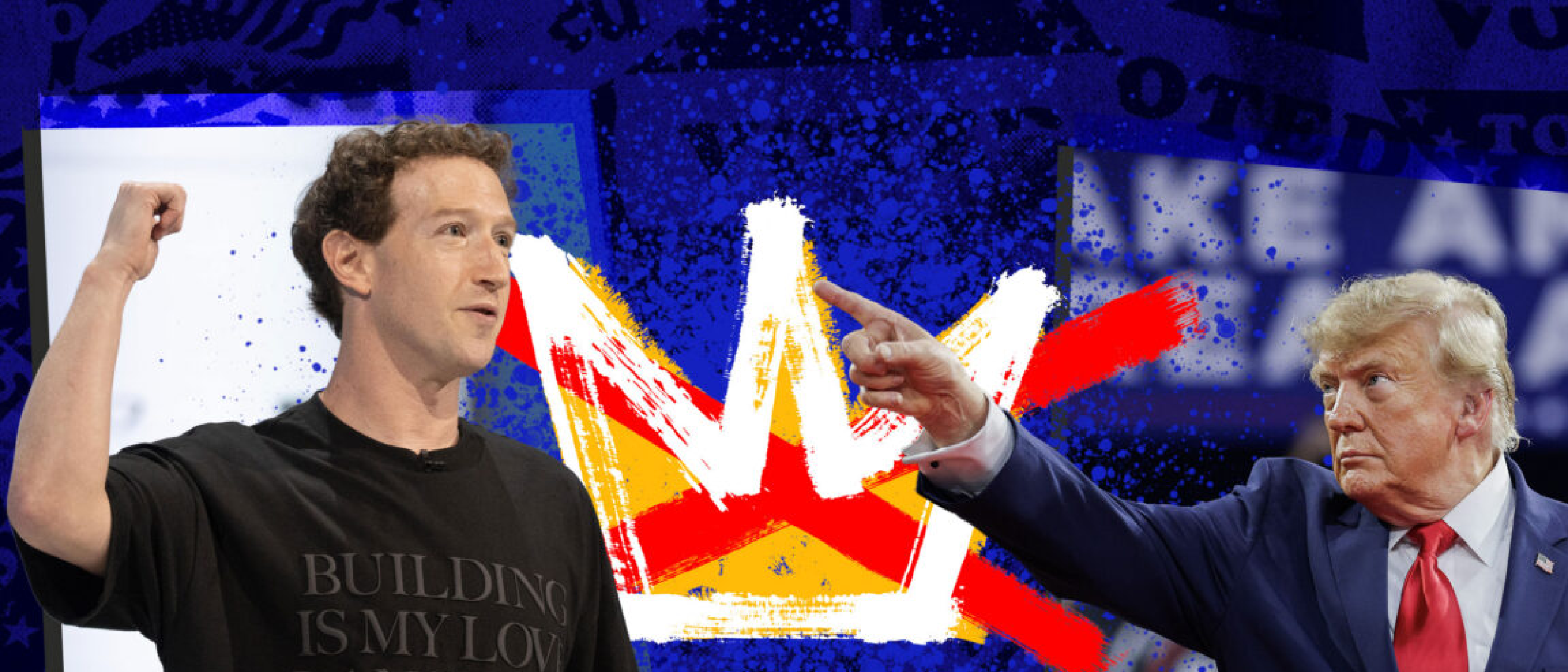
Meta’s decision to suspend the No Kings Coalition’s Instagram account for four hours during a critical early‑voting push has reverberated far beyond a single user’s feed. The incident underscores a growing friction between automated content moderation systems and the democratic imperative to preserve political discourse on social media. When a platform’s algorithm flags a legitimate political campaign as bot‑like, it risks erasing voices that are already underrepresented in the digital public square. The fallout has prompted lawmakers, attorneys general, and civil‑rights advocates to demand greater transparency and accountability from Meta’s moderation engines.
Technical Breakdown of the Suspension
AI Bot Detection on Instagram
Meta’s Instagram employs a layered detection framework that blends machine‑learning classifiers with rule‑based heuristics. The system monitors posting frequency, content similarity, and interaction patterns to flag accounts that exhibit bot‑like behavior. In the No Kings case, the algorithm identified a surge of posts generated in rapid succession, a hallmark of automated activity. The detection pipeline, however, misinterpreted the use of the Claude AI tool as a single source of content generation, leading to a false positive.
Claude AI Tool Mechanics
Claude, an AI language model developed by Anthropic, can produce text, images, and captions at scale. The No Kings Coalition integrated Claude to streamline the creation of early‑voting reminders and informational graphics. While the tool can generate content that appears human‑written, its output is often highly consistent and repetitive—a trait that can trigger bot‑detection heuristics. Meta’s system, lacking contextual awareness of legitimate AI usage, treated the uniformity as a sign of automation.
The incident mirrors challenges seen in other AI‑driven bot mitigation efforts, such as the Google Dismantles x.cpe Botnet on 1.3M Android TV Boxes story, where automated detection misidentified legitimate traffic as malicious. Both cases highlight the need for nuanced AI moderation that can differentiate between human and AI‑generated content without stifling legitimate use.
Industry Impact
Political Content Moderation
The suspension has amplified concerns that Meta’s moderation policies may disproportionately affect political content. Historically, platforms have struggled to balance the removal of disallowed content with the preservation of free speech. The No Kings episode demonstrates how automated systems can inadvertently suppress civic engagement, especially during high‑stakes periods like elections. This has prompted a broader industry conversation about the ethical design of moderation algorithms.
Trust and Transparency
Meta’s apology—acknowledging the error but refusing to commit to preventing future automated suspensions—has eroded trust among political organizations. The group’s demand for a meeting with senior leadership, rather than a technical expert, signals a deeper mistrust in Meta’s internal processes. Transparency is critical; without clear insight into how decisions are made, stakeholders cannot assess whether moderation is fair or biased. The incident echoes the Zoom Annotation Flaw Patched After AI‑Prompt Exploit case, where a lack of disclosure led to widespread criticism.
Future Outlook
Policy Changes
Meta’s response to the backlash will likely involve policy revisions. Potential measures include:
- Human‑in‑the‑loop reviews for accounts flagged during election periods.
- Explicit exemptions for verified political organizations using AI tools.
- Clear communication channels for rapid appeal and resolution.
These steps could mitigate the risk of future false positives while maintaining platform integrity.
Technological Safeguards
On the technical front, Meta may adopt more sophisticated AI‑aware detection models. By incorporating context signals—such as verified accounts, known AI usage patterns, and content diversity metrics—algorithms can reduce misclassification rates. The industry is already exploring hybrid models that combine supervised learning with rule‑based checks, a direction that could benefit both Meta and other platforms grappling with similar challenges.
The No Kings incident also serves as a reminder of the importance of secure boot and firmware integrity in the broader security ecosystem. Lessons from the Black Lotus UEFI Bootkit: How It Bypassed Secure Boot story illustrate how attackers can exploit system-level vulnerabilities to bypass defenses—a parallel to how misconfigured moderation systems can bypass human oversight.
FAQ
Q: Why did Meta suspend the No Kings Coalition account? A: Meta’s automated bot‑detection system flagged the account’s rapid posting pattern, which it interpreted as bot activity, leading to a temporary suspension.
Q: What role did the Claude AI tool play? A: The tool was used to generate content for the coalition’s posts. Its consistent output triggered the bot‑detection heuristics.
Q: How long did the suspension last? A: Four hours, though the account remained locked out for additional time due to administrative hurdles.
Q: Has Meta committed to preventing future incidents? A: Meta apologized but did not pledge to eliminate automated suspensions during high‑activity periods.
Q: What are the broader implications for political content on social media? A: The incident highlights the risk of algorithmic bias eroding democratic participation, prompting calls for greater transparency and policy safeguards.
Conclusion
Meta’s brief but high‑profile suspension of the No Kings Coalition’s Instagram account has illuminated the fragile intersection of AI moderation, political expression, and platform governance. As social media continues to be a battleground for civic engagement, the need for transparent, context‑aware moderation systems becomes ever more urgent. The incident serves as a cautionary tale for both platform operators and political actors: automated tools, while powerful, must be wielded with precision and oversight to safeguard the democratic process.
Source: Original Article