





Background: Kalshi and the Rise of Prediction Markets
Kalshi entered the U.S. financial‑technology scene as a regulated exchange for binary event contracts. Unlike traditional sportsbooks, Kalshi’s contracts are classified as “commodity futures” and must comply with the Commodity Futures Trading Commission (CFTC) framework. Users can buy or sell positions on outcomes ranging from macro‑economic indicators to pop‑culture moments.
The platform’s appeal lies in its real‑time pricing engine and transparent order book, which together create a liquid market for events that would otherwise be difficult to trade. By 2024, Kalshi had attracted thousands of retail traders, institutional participants, and a growing community of “event‑speculators” who treat political statements as tradable data points.
The CFTC Order: What Exactly Was Requested?
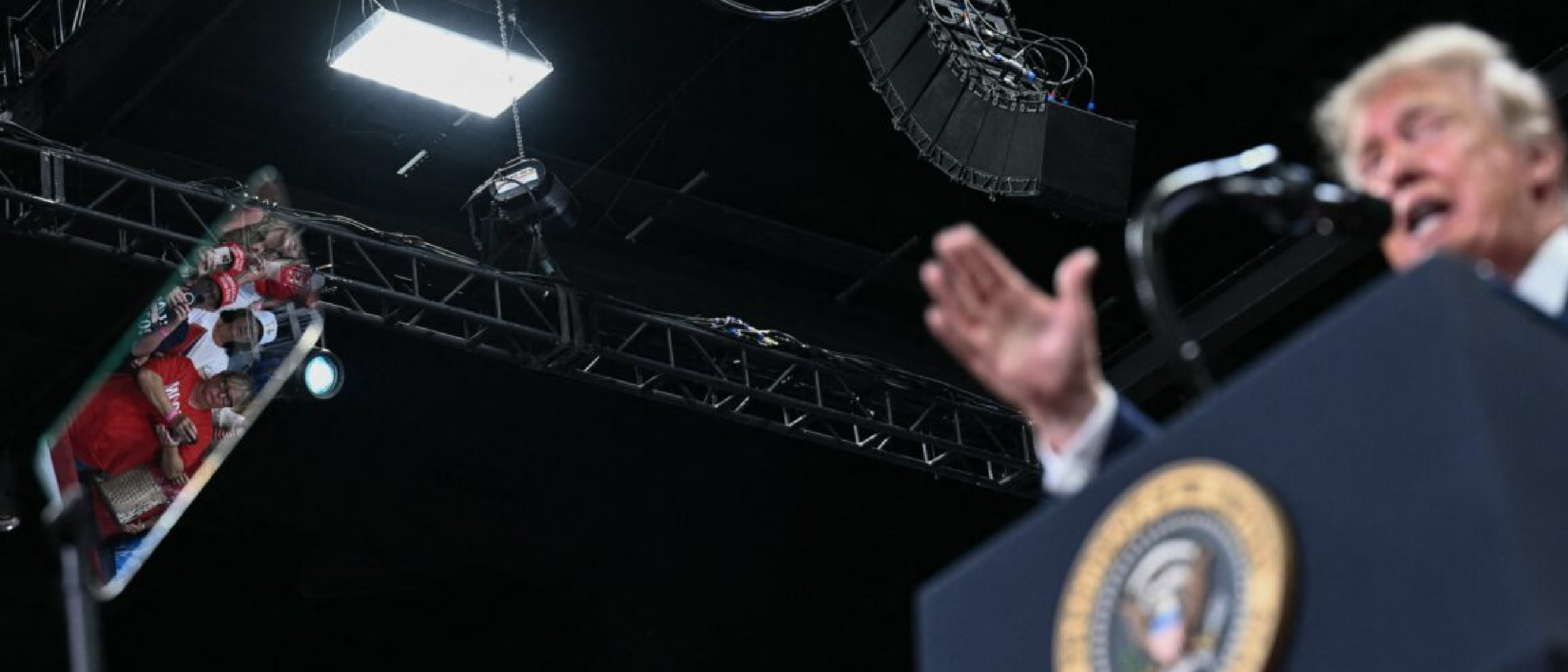
In late April 2026, the CFTC issued a formal directive to Kalshi, asking the exchange to pause all “mention” contracts tied to former President Donald Trump. These contracts paid out if Trump uttered a pre‑specified word or phrase before a set deadline. The request covered:
- Nicknames such as “Marjorie Traitor Greene,” “Sleepy Joe,” “Whack Job,” and “Wack Job.”
- Names of countries, corporations, or any term that could be predicted with reasonable certainty.
- An expired contract still visible on Kalshi’s website, illustrating the platform’s historical catalog.
Kalshi’s compliance was swift. As CNBC reported, “Kalshi quietly paused trading in a handful of ‘mention’ contracts tied to President Donald Trump at the end of last week at the request of the CFTC.” The exchange also issued a brief statement confirming it was “complying with the CFTC order.”
The CFTC’s review focuses on whether these contracts violate federal securities law by constituting unregistered securities or by enabling market manipulation of political speech.
Why It Matters: Legal, Political, and Market Implications
Legal Precedent for Prediction Markets
The order could set a nationwide precedent for how the CFTC treats speech‑based contracts. If the regulator determines that word‑based wagers are illegal, it may trigger a cascade of enforcement actions against other platforms that host similar products. This would reshape the legal landscape for a niche but rapidly expanding segment of the fintech ecosystem.
Political Sensitivity and Free Speech
Prediction markets that monetize political speech sit at the intersection of First Amendment concerns and financial regulation. Critics argue that halting such contracts could be seen as a form of indirect censorship, while supporters claim that allowing them creates incentives for misinformation or market‑driven manipulation of public discourse.
Market Liquidity and User Trust
Kalshi’s user base values transparency and regulatory certainty. A sudden suspension of a popular contract class can erode confidence, especially if traders fear future, unpredictable shutdowns. Conversely, proactive compliance may reassure investors that the platform operates within a clear legal framework, potentially attracting more institutional capital.
Technical Breakdown: How Kalshi Implements Word‑Based Contracts
Contract Specification Layer
Each “mention” contract is defined by three core parameters:
- Trigger Phrase – The exact word or phrase whose occurrence determines payout.
- Deadline – The latest timestamp by which the phrase must be spoken.
- Payout Structure – Binary outcome: 100% of the contract’s notional value if the phrase occurs, 0% otherwise.
These parameters are stored in a smart‑contract‑like schema on Kalshi’s back‑end, though the platform does not use blockchain technology. The schema is version‑controlled, allowing regulators to audit changes.
Data Ingestion and Verification
Kalshi relies on third‑party transcription services and media monitoring APIs to capture spoken words from televised events, press conferences, and social media videos. The pipeline includes:
- Audio Capture → Speech‑to‑Text Engine → Keyword Matching Engine.
- A human‑review layer validates matches that meet a confidence threshold (>95%) before triggering a payout.
This architecture is designed to minimize false positives while maintaining near‑real‑time settlement.
Risk Management and Margining
Because word‑based contracts can be highly correlated (e.g., multiple contracts betting on the same phrase), Kalshi employs a correlation‑aware margin system. The system calculates aggregate exposure across all open positions and requires additional collateral when exposure exceeds predefined limits.
Compliance Hooks
When the CFTC issued its order, Kalshi’s compliance module automatically:
- Flagged all contracts containing the word “Trump” in the trigger phrase.
- Issued a market‑wide pause command that halted order matching for the flagged contracts.
- Logged the action in an immutable audit trail for regulator review.
These built‑in hooks illustrate how modern fintech platforms embed compliance directly into their core trading engine.
Industry Impact: Ripple Effects on FinTech, Gaming, and Regulation
FinTech and Alternative Asset Classes
Kalshi’s pause signals that alternative asset classes—especially those built on non‑traditional data sources—must anticipate tighter scrutiny. Companies developing event‑driven NFTs, social‑media sentiment derivatives, or AI‑generated forecasts will likely need to embed similar compliance layers from day one.
Gaming and Esports Betting
The line between prediction markets and gaming‑style betting is blurring. Platforms that allow users to wager on esports outcomes or celebrity statements may now be forced to evaluate whether their products fall under CFTC jurisdiction. This could lead to a wave of self‑regulatory codes modeled after Kalshi’s compliance framework.
Cross‑Industry Regulatory Dialogue
The CFTC’s involvement may encourage other regulators—such as the SEC, FTC, and even state gaming commissions—to coordinate on a unified approach to speech‑based contracts. A coordinated stance could reduce regulatory arbitrage, where companies hop between jurisdictions to avoid oversight.
Related Coverage
- For a recent example of platform policy enforcement, see how YouTube tackled AI‑generated content in its new monetization rules: Youtube Clarifies Policies Around Ai Slop And Upsetting Videos
- Privacy‑focused regulatory battles echo the Kalshi case; Meta’s Muse AI agent faced scrutiny over private‑chat monitoring: Muse Privacy Invasions Are Freaking Out Meta Staffers Internal Chats Show
- Security vulnerabilities can also trigger rapid regulatory action, as illustrated by the Zoom zero‑day exploit: Zoom Flaw Let An Attacker Take Over Your Device Including Iphone And Mac
Future Outlook: Potential Paths for Prediction Markets and Compliance
Scenario 1: Clear Regulatory Guidance
If the CFTC publishes detailed guidance distinguishing permissible from prohibited contracts, Kalshi and peers could standardize product taxonomy. This would enable rapid product rollout while staying within legal bounds, fostering innovation in areas like climate‑risk futures or pandemic‑response contracts.
Scenario 2: Broad Enforcement Crackdown
A harsh ruling could force platforms to re‑engineer their contract libraries, stripping out any speech‑related triggers. The market might shift toward objective data points (e.g., economic indicators, weather events) where verification is less contentious.
Scenario 3: Hybrid Compliance Models
Platforms could adopt a dual‑layer model: a regulated exchange for federally compliant contracts and a separate “sandbox” for experimental products, subject to limited user caps and enhanced disclosure. This mirrors approaches seen in crypto‑derivatives markets.
Technological Evolution
Advances in real‑time natural language processing will reduce verification latency, making speech‑based contracts technically feasible even under stricter oversight. However, the cost of maintaining high‑confidence transcription pipelines may become a barrier for smaller entrants.
FAQ
Q1: Are all Trump‑related contracts now illegal? A: Not definitively. The CFTC is still reviewing whether the contracts violate federal law. Until a final ruling, Kalshi has voluntarily paused them.
Q2: How does Kalshi verify that Trump actually said a word? A: Kalshi uses a combination of automated speech‑to‑text services and a human‑review layer that confirms matches with a confidence level above 95% before settling a contract.
Q3: Could other political figures be subject to similar contracts? A: Yes. Any public figure whose statements can be objectively captured could become the basis for a contract, pending regulatory approval.
Q4: What does this mean for retail traders interested in political events? A: Traders should monitor regulatory updates closely. In the short term, contracts that hinge on specific wording may be unavailable, but broader political outcome contracts (e.g., election results) remain permissible.
Q5: Will this affect Kalshi’s other product lines? A: Kalshi’s core offering—contracts on macro‑economic data, weather, and other objective events—remains unaffected. The pause is limited to the “mention” contracts flagged by the CFTC.
The CFTC’s intervention underscores the delicate balance between innovative financial products and the need for robust regulatory oversight. As prediction markets mature, platforms like Kalshi will likely become case studies in how technology, law, and public policy intersect.
Source: Original Article