




Executive Shakeup: The Withdrawal of Heidi Overton
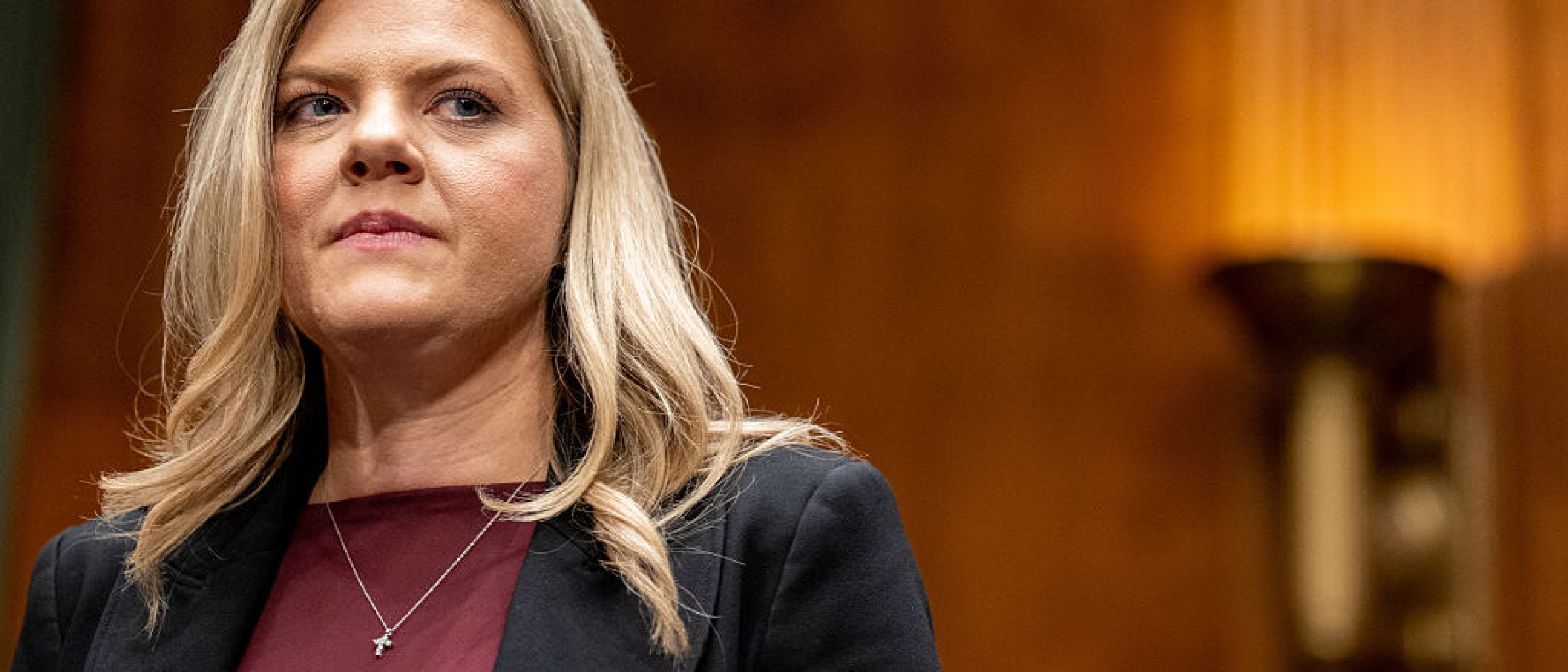
In the late hours of Tuesday evening, Axios reported that President Donald Trump had abruptly withdrawn the nomination of Heidi Overton, a senior domestic‑policy aide, from the position of Commissioner of the Food and Drug Administration (FDA). Overton’s nomination had been a focal point of controversy during her confirmation hearing in September, where she repeatedly stonewalled senators on a range of topics, from the safety review of mifepristone to the veracity of Trump’s claims about the measles vaccine.
The decision came less than 24 hours after the Senate also scrapped a vote on Trump’s pick to lead the National Science Foundation (NSF). While the details of the NSF nominee remain undisclosed, the simultaneous setbacks signal a broader pattern of friction between the executive branch and the legislative oversight process.
Senate Action: Scrapping the NSF Vote
The Senate’s decision to halt the vote on the NSF nominee was swift and decisive. Although the article does not provide the nominee’s name, the move reflects the Senate’s willingness to exercise its confirmation power even in the face of executive pressure. This action underscores the checks and balances inherent in the U.S. political system, particularly when appointments touch on critical scientific and regulatory domains.
Why It Matters: Agency Leadership and Public Trust
FDA’s Role in Public Health
The FDA is the federal agency responsible for ensuring the safety, efficacy, and security of drugs, biologics, medical devices, and food products. Leadership changes at the FDA can have immediate and far‑reaching implications:
- Regulatory Priorities: A new commissioner can shift focus toward or away from certain therapeutic areas, influencing the pace of drug approvals and post‑market surveillance.
- Public Confidence: The FDA’s credibility is pivotal for public trust in medical interventions. Leadership perceived as politically biased can erode confidence in the agency’s decisions.
- Vaccine Oversight: The FDA’s review of vaccines, including the measles vaccine and mifepristone, is central to national health policy. A commissioner aligned with anti‑vaccine rhetoric risks compromising evidence‑based oversight.
NSF’s Influence on Scientific Innovation
The NSF funds a broad spectrum of basic research across disciplines, from physics to social sciences. Its leadership shapes funding priorities, research agendas, and the overall direction of U.S. scientific innovation. A nominee with a controversial stance on science policy could influence the allocation of resources and the agency’s engagement with emerging technologies.
Technical Breakdown: The Nomination Process and Senate Oversight
The nomination and confirmation process for federal agencies involves several stages:
- Presidential Nomination: The President selects a candidate, often based on political alignment and expertise.
- Senate Committee Review: The relevant Senate committee schedules hearings, questions the nominee, and evaluates qualifications.
- Senate Floor Vote: Following committee approval, the full Senate votes to confirm or reject the nominee.
In Overton’s case, the September hearing revealed a pattern of evasiveness. Senators asked her to explain her stance on the FDA’s mifepristone safety review—a process backed by extensive data indicating the drug’s safety profile. She declined to answer, citing a refusal to discuss whether President Trump could ever be wrong. This refusal not only stalled the confirmation but also highlighted the potential for partisan obstruction.
The Senate’s scrapping of the NSF vote demonstrates its capacity to intervene when a nominee’s qualifications or political positions raise concerns. By withholding a vote, the Senate effectively stalls the appointment, forcing the administration to reconsider its choice.
Industry Impact: Regulatory Uncertainty and Vaccine Policy
The withdrawal of Overton and the NSF vote cancellation create a ripple effect across multiple sectors:
- Pharmaceutical Companies: Uncertainty about FDA leadership can delay drug approvals, affect investment decisions, and alter market expectations.
- Medical Device Manufacturers: The FDA’s regulatory framework for devices is critical for product development timelines.
- Public Health Initiatives: Vaccine rollout plans, especially those involving mifepristone and measles vaccines, may face delays or increased scrutiny.
- Technology Companies: While not directly linked, the broader political climate can influence regulatory attitudes toward emerging technologies. For instance, the FDA’s stance on medical devices intersects with hardware innovations, as discussed in the article on USB‑C on Your Phone: More Than Just Charging and Data.
The intersection of regulatory policy and technology underscores the importance of stable leadership. Disruptions at the FDA can affect the approval of medical devices that rely on advanced hardware, such as wearable health monitors and implantable sensors.
Future Outlook: Potential Candidates and Policy Directions
With Overton’s withdrawal, the administration faces the challenge of identifying a nominee who can navigate the Senate’s scrutiny while aligning with its policy agenda. Potential candidates may include:
- Experienced FDA Staffers: Individuals with a track record of evidence‑based decision‑making could mitigate political backlash.
- Academic Experts: Scholars with expertise in drug safety and public health may bring credibility and a data‑driven approach.
- Industry Leaders: Executives from pharmaceutical or biotech firms could offer practical insights, though they may face conflict‑of‑interest concerns.
The NSF appointment process will likely follow a similar pattern. The administration may opt for a nominee with a strong scientific background to appease Senate concerns, especially given the growing emphasis on AI and data science. This aligns with broader policy discussions on AI regulation, as highlighted in the article on YouTube Fights AI Slop with New Monetization Rules.
Security considerations also play a role. The Senate’s willingness to halt nominations reflects a broader trend of scrutinizing appointments that could influence national security policy, reminiscent of the scrutiny faced by nominees in the context of the Zoom Zero‑Day Exploit: Remote Takeover of iPhone & Mac.
FAQ
Q: Why did the Senate scrap the NSF vote? A: The Senate exercised its confirmation power to halt the vote, likely due to concerns about the nominee’s qualifications or political alignment, though specific details were not disclosed.
Q: What are the implications of Overton’s withdrawal for FDA policy? A: The FDA may experience a shift in regulatory priorities, potential delays in drug approvals, and challenges to public trust, especially concerning vaccine oversight.
Q: How does this affect vaccine safety reviews? A: Leadership changes can influence the rigor
Q: How does this affect vaccine safety reviews? A: Leadership changes can influence the rigor of ongoing reviews, the prioritization of resources, and the communication strategy surrounding vaccine safety data. A commissioner who is skeptical of established science may slow the review process, request additional studies, or reinterpret existing data, potentially delaying public‑health interventions. Conversely, a science‑focused leader could accelerate approvals while maintaining transparent, evidence‑based messaging, helping to restore confidence in vaccination programs.
Q: Could Overton’s withdrawal signal a broader shift in the administration’s health‑policy agenda? A: The abrupt pull‑back suggests the White House is recalibrating its approach after encountering strong Senate resistance. It may opt for nominees who can more comfortably navigate bipartisan scrutiny while still advancing the administration’s priorities, such as expanding access to reproductive‑health medications or reshaping vaccine communication strategies.
Q: What are the chances that the NSF nominee will be confirmed after the Senate’s pause? A: Historically, a stalled vote often leads to renegotiation between the administration and Senate leadership. The administration may replace the original nominee with a candidate who possesses a stronger scientific pedigree and fewer political liabilities, increasing the likelihood of eventual confirmation.
Q: How might these nomination setbacks affect the broader tech and biotech sectors? A: Uncertainty at the helm of the FDA and NSF can create a cautious investment climate. Companies may delay product pipelines awaiting clearer regulatory guidance, while research institutions could experience funding delays. In the short term, this could slow the rollout of innovative therapies, medical devices, and emerging technologies that rely on federal approval or grant support.
Conclusion
The twin setbacks—President Trump’s withdrawal of Heidi Overton from the FDA nomination and the Senate’s decision to halt the NSF vote—underscore the delicate balance of power between the executive branch and legislative oversight in shaping America’s scientific and health‑policy landscape. While the administration’s policy goals remain clear, the path forward will now require nominees who can withstand rigorous Senate interrogation without compromising the evidence‑based foundations of agencies like the FDA and NSF.
For stakeholders across pharmaceuticals, medical‑device manufacturing, and research institutions, the immediate priority is to monitor the nomination process closely and prepare for potential regulatory adjustments. Stable, scientifically grounded leadership at these agencies is essential not only for maintaining public trust but also for ensuring that innovation continues to thrive in a landscape increasingly defined by rapid technological advancement and heightened public scrutiny.
FAQ (Continued)
Q: Will the FDA’s current review of mifepristone be affected by the leadership change? A: The review itself will continue under the agency’s existing scientific staff. However, the new commissioner will set the overall tone for how the findings are communicated to the public and may influence any subsequent policy decisions regarding the drug’s availability.
Q: How does the Senate’s role in confirming agency heads protect scientific integrity? A: By exercising its “advice and consent” authority, the Senate can vet nominees for expertise, potential conflicts of interest, and commitment to evidence‑based decision‑making. This oversight helps prevent the politicization of agencies that are critical to public health and scientific research.
Q: What should the public expect in the coming weeks regarding these nominations? A: Expect a period of behind‑the‑scenes negotiations, possible re‑nominations, and additional hearings. Both the White House and Senate leadership will likely issue statements outlining their next steps, and industry groups may lobby for candidates who promise continuity and scientific credibility.
Source: Original Article