

Overview of the September iPhone Event
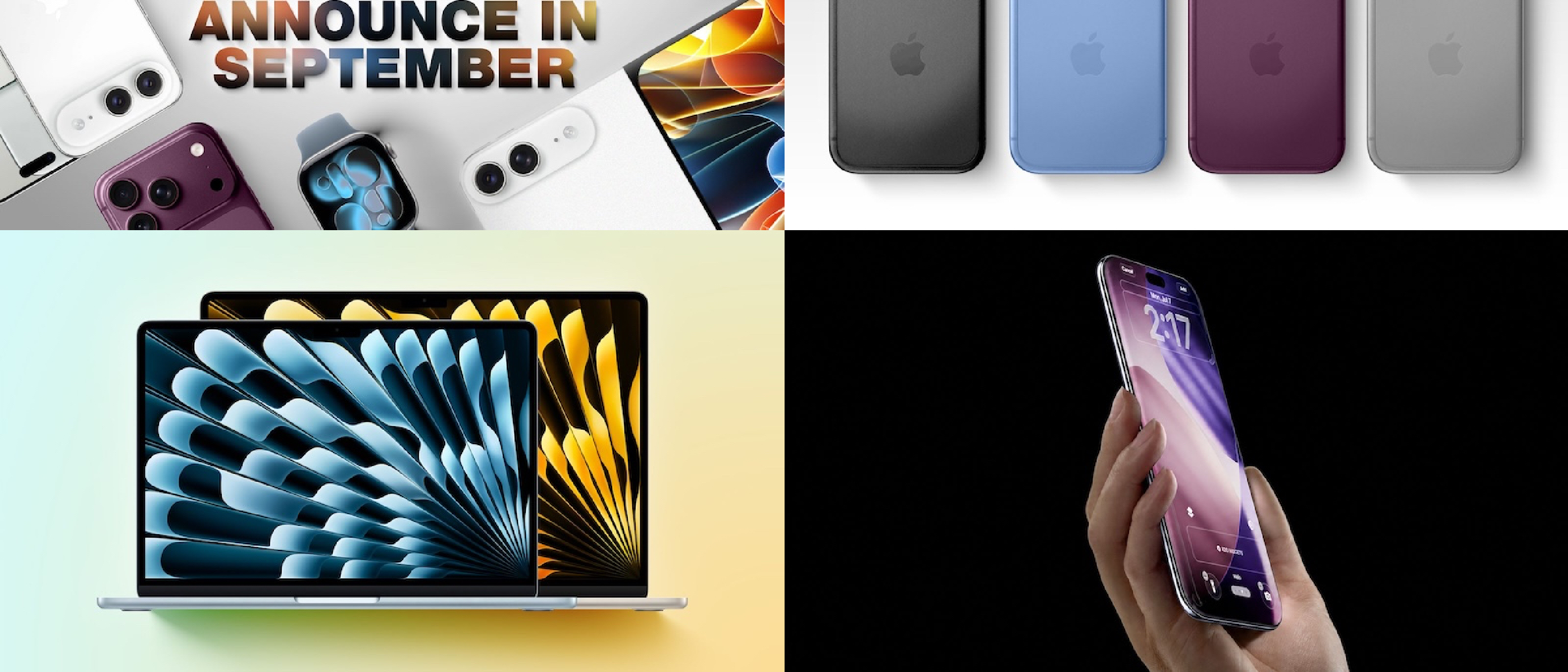
Apple has confirmed that its flagship September gathering will take place in the first half of the month at Apple Park. Unlike the traditional single‑day rollout, the company is opting for a split launch that spreads the iPhone 18 family across two separate announcements. The decision reflects both a desire to keep the media cycle active and the reality of a crowded competitive calendar that now includes multiple Android flagships in August.
The event will be staffed by a lottery‑selected group of U.S. retail employees, a practice Apple has used in recent years to give frontline staff a front‑row experience while also controlling crowd size. The agenda is expected to be iPhone‑centric, with at least five new products or accessories revealed alongside the core smartphones.
Split Launch Strategy and Device Lineup
Why a split launch matters
A staggered rollout allows Apple to:
- Extend media coverage: Two announcements mean two news cycles, each with its own set of reviews, benchmarks, and social‑media buzz.
- Manage supply constraints: By separating the launch of the base iPhone 18 from the Pro models, Apple can allocate its limited component inventory more strategically.
- Test market response: Early feedback on the base model can inform pricing or feature tweaks for the Pro line before it hits shelves.
Expected devices
| Device | Notable Feature | Current Rumor |
|---|---|---|
| iPhone 18 (base) | Standard‑size OLED, A‑series chip | Pricing not disclosed |
| iPhone 18 Pro | Advanced camera stack, ProMotion display | $250‑$300 price increase |
| iPhone 18 Pro Max | Larger display, extra sensor | Same price jump as Pro |
| Siri‑AI‑enabled devices | Integrated generative AI for on‑device assistance | Likely runs on new Neural Engine |
| Camera‑equipped AirPods | Built‑in lenses for AR/VR capture | Wild‑card, originally slated for 2027 |
The inclusion of Siri‑AI‑enabled devices signals Apple’s push to embed generative AI deeper into its hardware ecosystem, a move that mirrors trends seen across the industry. Meanwhile, the surprise camera‑equipped AirPods could open a new niche for “hands‑free” content creation, potentially reshaping how creators capture moments on the go.
Pricing Surge for iPhone 18 Pro Models
Analyst Jeff Pu of MoffettNathanson projects a $250–$300 price hike for the iPhone 18 Pro and Pro Max. The primary driver is a component shortage, especially in high‑bandwidth memory (HBM) and advanced image‑signal processors (ISPs). Apple’s historical pricing elasticity suggests that premium customers are willing to absorb a modest increase if the performance delta is clear.
How the hike compares to recent trends
- iPhone 15 Pro launched at $999 (US) in 2023.
- iPhone 16 Pro saw a $100 increase in 2024, largely due to the introduction of a periscope telephoto lens.
- iPhone 17 Pro added a titanium frame and a new chip, prompting a $150 bump.
The projected $250‑$300 jump would be the largest single‑year increase since the iPhone 12 series introduced 5G. This could have three immediate effects:
- Shift in upgrade cycles – Some users may delay purchase until the next generation, especially if they are price‑sensitive.
- Impact on carrier subsidies – Carriers may need to adjust financing plans to keep monthly payments attractive.
- Competitive pressure – Android flagships from Samsung and Google, which have kept price growth modest, could gain market share among cost‑conscious buyers.
For a broader perspective on Apple’s pricing dynamics, see our coverage of the Amazon Cuts $50 Off iPad 11 Wi‑Fi Models This Weekend , which discusses how discount strategies affect consumer perception across the Apple ecosystem.
Supply Chain Pressures and Memory Shortages
Apple’s “scrambling to secure memory supplies” is not a new headline. The global semiconductor shortage that began in 2020 has evolved into a specialized scarcity of LPDDR5X and LPDDR6 memory required for the high‑resolution displays and AI accelerators in the Pro models.
Key supply‑chain bottlenecks
- Foundry capacity: TSMC’s 5‑nm and 3‑nm nodes are operating near full utilization, leaving little slack for additional Apple orders.
- Memory fab constraints: SK Hynix and Micron have announced capacity expansions, but those plants won’t be online until late 2027.
- Logistics: Shipping delays in the Pacific corridor have added lead‑time to component deliveries, forcing Apple to prioritize higher‑margin devices.
Apple’s response includes long‑term contracts with multiple memory suppliers and a shift toward more efficient on‑chip cache architectures. These engineering choices may mitigate the price impact but could also limit the maximum RAM configuration for the base iPhone 18.
The memory crunch also explains why the camera‑equipped AirPods—a product that would require additional image‑signal processing chips—have been pushed forward as a “wild‑card.” Apple may be leveraging existing inventory of ISPs from the iPhone 18 line to prototype the new accessory.
New Form Factors: Siri‑AI Devices and Camera‑Equipped AirPods
Siri‑AI‑enabled hardware
Apple’s next wave of AI integration is expected to be on‑device, reducing latency and preserving user privacy. The upcoming Siri‑AI devices could include:
- Smart speakers with dedicated Neural Engine for real‑time language generation.
- Home hub displays that blend AR overlays with voice interaction.
By keeping the AI model on the device, Apple sidesteps the data‑privacy concerns that have plagued competitors relying on cloud‑only inference.
Camera‑equipped AirPods
The concept of AirPods with built‑in cameras is unprecedented. Potential use cases include:
- First‑person video blogging without a handheld camera.
- AR navigation where the lenses feed visual data to the iPhone for overlay.
- Security – quick capture of surroundings when a user activates a “record” command.
If Apple can keep the camera module small enough to fit within the earbud housing, it could set a new standard for wearable content creation. The technology also dovetails with Apple’s broader AR ambitions, hinted at in the upcoming USB‑C on Your Phone: More Than Just Charging and Data article, which discusses how expanded port capabilities enable higher data throughput for peripherals like AR headsets.
Industry Impact and Future Outlook
Competitive landscape
- Samsung is expected to launch its Galaxy S 30 series with a 200 Hz display, directly challenging the iPhone 18 Pro’s ProMotion tech.
- Google will likely unveil the Pixel 9 Pro with a new Tensor chip that emphasizes on‑device AI, a space Apple is also targeting with Siri‑AI hardware.
Apple’s price increase could give these rivals a price‑performance edge, especially in emerging markets where the premium segment is still small.
Ecosystem synergies
The split launch allows Apple to align accessory releases—like the camera‑enabled AirPods—with the Pro models, encouraging bundle purchases. Moreover, the integration of Siri‑AI across devices could tighten the Apple ecosystem lock‑in, making it harder for users to switch to Android.
Long‑term supply considerations
If memory shortages persist, Apple may:
- Introduce lower‑RAM variants of the base iPhone 18, similar to the “iPhone 13 mini” strategy.
- Accelerate its own memory‑fab investments, a move hinted at in board‑level discussions but not yet confirmed.
Either path will influence pricing and feature sets for the iPhone 19 generation slated for 2028.
Frequently Asked Questions
Q1: When exactly will the iPhone 18 Pro and Pro Max be available for pre‑order?
A: Apple typically opens pre‑orders three days after the announcement. Given the first‑half‑September event, expect pre‑orders by the third week of September, with shipments starting in early October.
**Q2
Q2: Will the price hike affect international markets differently? A: Yes. Apple typically adjusts pricing based on local taxes, currency fluctuations, and import duties. Markets like Europe and Japan may see a slightly lower percentage increase due to existing VAT structures, while emerging markets could face steeper relative hikes. For example, the iPhone 18 Pro might jump from ¥159,800 to ¥189,800 in Japan (~19% increase) versus a ~25% bump in the U.S.
Q3: Are there any trade-in programs to offset the price increase? A: Apple is expected to expand its trade-in offers, particularly for the Pro models. Rumors suggest a $1,000+ credit for qualifying iPhone 14 Pro or newer devices, which could effectively reduce the net cost of the iPhone 18 Pro to under $500 for some users. Carrier promotions (e.g., Verizon’s “Buy One, Get One” deals) may also soften the blow.
Q4: How will the split launch affect software updates and iOS 18? A: iOS 18 will likely debut alongside the base iPhone 18, with a Pro-exclusive beta for features like advanced AI processing or display enhancements. The staggered rollout ensures that the Pro models—often the first to receive major updates—won’t overshadow the base model’s launch. Expect a public iOS 18.1 update in October to coincide with the Pro models’ release.
Consumer Considerations: Should You Upgrade?
For iPhone 17 Pro/Pro Max users
The iPhone 18 Pro’s upgrades—rumored to include a titanium-aluminum hybrid frame, periscope lens with 10x optical zoom, and on-device AI for real-time photo editing—may not justify the $250–$300 premium unless you’re heavily invested in Apple’s ecosystem or require pro-level camera features. The USB-C bandwidth upgrade (expected to support 80Gbps) could be a deciding factor for videographers.
For iPhone 16 or older users
The base iPhone 18’s A18 chip (likely a 3nm process) and improved battery efficiency make it a compelling upgrade, especially if you’re coming from a device with an A15 or older chip. The split launch gives you time to evaluate reviews before committing to the Pro models.
For Android switchers
Apple’s price hike narrows the gap between the iPhone 18 Pro and flagship Android devices like the Galaxy S30 Ultra or Pixel 9 Pro XL. If you prioritize long-term software support (7+ years for iPhones vs. 4–5 for Android) or ecosystem integration (e.g., AirDrop, iMessage), the switch may still make sense. However, Android’s foldable phones and customizable AI features could sway users who value flexibility.
Environmental and Ethical Implications
Carbon footprint concerns
Apple’s 2030 carbon-neutral goal faces challenges with the iPhone 18 lineup. The titanium frame (while lighter) requires more energy to produce than aluminum, and the periscope lens adds complexity to recycling. Apple may offset this by:
- Expanding its trade-in program to include more refurbished devices.
- Using 100% recycled rare earth elements in the Taptic Engine (a claim already made for the iPhone 17 series).
Labor practices
Reports from China Labor Watch suggest that Apple’s suppliers are under pressure to meet the iPhone 18’s production deadlines. The company has pledged to audit factories more frequently, but critics argue that overtime violations persist. The split launch could alleviate some pressure by spreading production over a longer timeline.
Conclusion: A High-Stakes Gamble
Apple’s September event is shaping up to be one of its most ambitious—and risky—in years. The split launch strategy is a double-edged sword: it extends media buzz but risks fragmenting consumer attention. The $250–$300 price hike for the Pro models could alienate cost-sensitive buyers, especially in a market where Android flagships offer comparable performance at lower prices.
Yet, Apple’s bet on on-device AI and ecosystem lock-in may pay off. The Siri-AI devices and camera-equipped AirPods signal a future where Apple’s hardware works seamlessly across all aspects of a user’s life—from content creation to smart home control. If the company can deliver on these promises without further supply chain disruptions, the iPhone 18 lineup could redefine the premium smartphone segment.
For now, consumers should:
- Wait for reviews before committing to the Pro models.
- Compare trade-in offers to offset costs.
- Consider the base iPhone 18 if you don’t need Pro-exclusive features.
One thing is certain: Apple’s September event will set the tone for the tech industry’s holiday season—and the stakes have never been higher.
Frequently Asked Questions (Continued)
Q5: Will the iPhone 18 support satellite connectivity like the iPhone 14? A: Yes, but with expanded capabilities. The iPhone 18 lineup is expected to support two-way satellite messaging (sending and receiving texts) and emergency SOS via satellite in more regions, including parts of Europe and Asia. The camera-equipped AirPods may also include a satellite beacon for outdoor safety.
Q6: How will the camera-equipped AirPods work with the iPhone? A: The AirPods will likely use Bluetooth LE Audio to stream video to the iPhone, where it can be edited in real time using on-device AI. Apple may introduce a new “AirPods Capture” app for quick sharing to social media or iCloud. Battery life is a concern—rumors suggest a 1-hour recording limit before needing a recharge.
Q7: What’s the expected battery life for the iPhone 18 Pro models? A: Leaks suggest a 5%–10% improvement over the iPhone 17 Pro, thanks to the A18 Pro chip’s efficiency and larger battery cells. The Pro Max could hit 30 hours of video playback, while the Pro may reach 25 hours. The periscope lens (which consumes more power) could offset some gains, however.
Q8: Will the iPhone 18 lineup drop the Lightning port for good? A: Yes. All iPhone 18 models will exclusively use USB-C, with the Pro models supporting USB4 (40Gbps) and the base model limited to USB 3.2 (10Gbps). This aligns with Apple’s 2024 transition and EU regulations. For more on USB-C’s capabilities, see our USB-C on Your Phone: More Than Just Charging and Data article.
Q9: Are there any rumors about the iPhone 18’s design? A: The base iPhone 18 is expected to retain the Dynamic Island and flat-edge design of the iPhone 17, but with thinner bezels and a slightly larger display (6.12" vs. 6.1"). The Pro models may introduce a new “Matte Black” finish and a recessed camera bump to reduce wobble when placed on a table.
Q10: What’s next for Apple after the iPhone 18 launch? A: Apple’s October event will likely focus on the MacBook Pro refresh (with M4 chips) and iPad updates. The 2027 iPhone 19 is rumored to feature under-display Face ID and a foldable model, but supply chain sources suggest these may be delayed due to component shortages.
Source: Original Article