




The Home View Smart‑Home Hub: A New Control Center
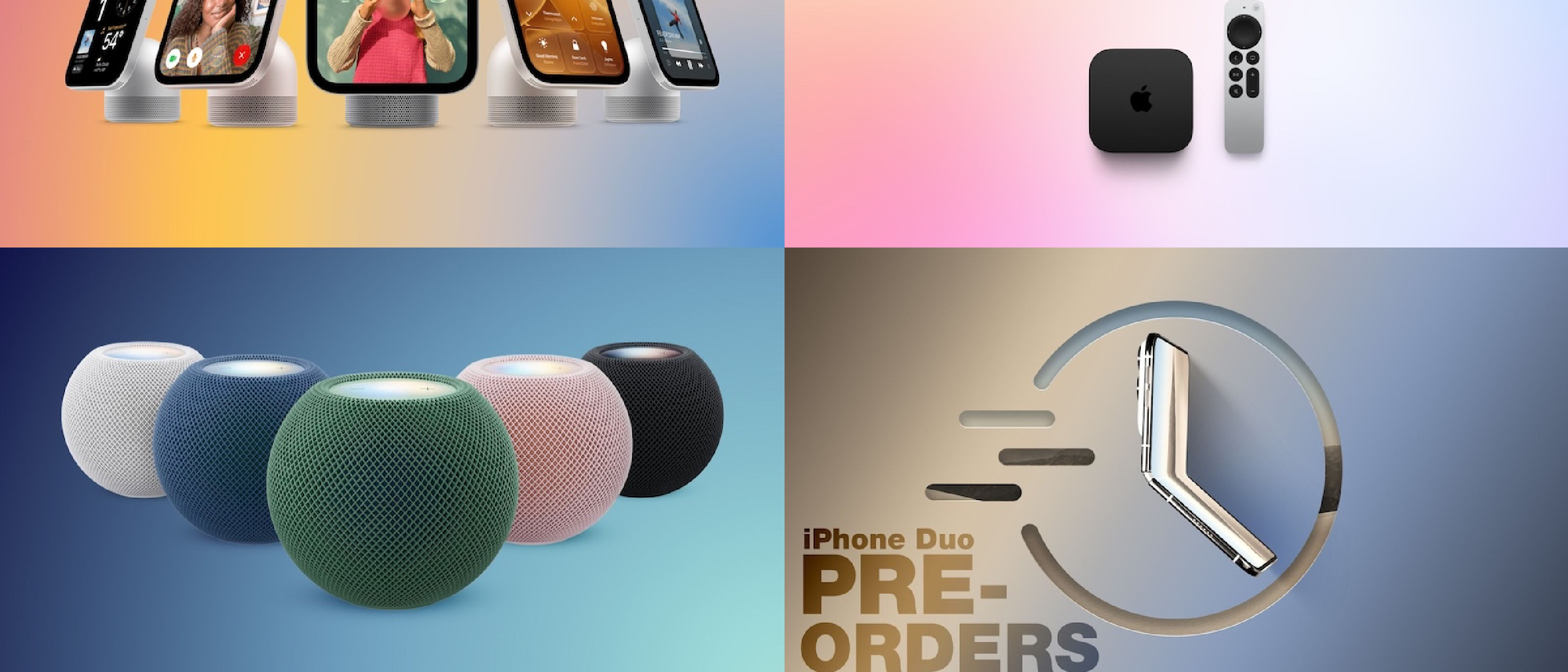
Apple finally materialized the long‑rumored central hub for its ecosystem with the Home View. Priced at $299 and shipping on November 13, the device arrives in two form factors: a sleek tabletop version and a wall‑mounted variant. Both share a 7‑inch Liquid Retina display, which is bright enough for kitchen counters yet subtle enough for bedroom nightstands.
User‑Centric Interaction
What sets Home View apart is its multi‑user recognition. Using a combination of proximity sensors and Face ID data, the hub can detect who is standing nearby and automatically surface personalized content—photos, music playlists, or active FaceTime calls. This is a step beyond the generic “home screen” approach of competing hubs, and it leans heavily on Apple’s Siri AI integration, allowing voice commands to be context‑aware.
Ecosystem Integration
- Photos: Faces are highlighted based on who’s present, turning a family gathering into a dynamic slideshow.
- Apple Music: Playlists adapt to the listener’s taste without manual selection.
- FaceTime: Incoming calls appear with a live preview of the caller, ready for a quick pick‑up.
The hub also doubles as a control panel for HomeKit accessories, offering a visual overview of lights, thermostats, and security cameras. For developers, the device opens a new canvas for HomeKit‑enabled apps, potentially reshaping how third‑party smart‑home products are presented.
Apple TV 4K (4th Generation): Performance and Remote Innovations
Apple’s fourth‑generation Apple TV 4K also lands on November 13, but at a $299 price point—a noticeable increase from the previous generation. The price hike is justified by the inclusion of the A19 chip, which brings a noticeable boost in rendering speed and enables on‑device Siri AI for hands‑free control.
The New Siri Remote
The remote receives a major upgrade:
- Find My with Precision Finding: The remote now broadcasts a Bluetooth signal that can be located via the Find My app, complete with directional cues.
- Built‑in speaker: If the remote is misplaced, it can emit a sound that can be triggered from the Apple TV interface.
- Siri microphone array: Enables true hands‑free voice commands without needing to point the remote at the TV.
Apple also sells the remote separately for owners of older Apple TV boxes, ensuring a smoother transition for existing customers.
On‑Device Features
- Hands‑free Siri: The built‑in microphones allow users to ask for show recommendations, control playback, or adjust HomeKit devices without lifting a finger.
- Improved HDR support: The A19 chip handles Dolby Vision and HDR10+ more efficiently, reducing latency during high‑dynamic‑range streaming.
This is the first Apple TV refresh in four years, and the hardware leap positions it as a serious competitor to streaming sticks from Roku, Amazon, and Google, especially for households already entrenched in the Apple ecosystem.
HomePod mini 2: Audio Evolution and Visual Flair
The HomePod mini 2 arrives at a modest $149 price, with pre‑orders opening for a October 30 release. Powered by the S10 chip, the speaker brings advanced computational audio to a compact form factor.
Audio Capabilities
- Four‑speaker surround sound: Unlike the original single‑driver design, the mini 2 uses four drivers to create a richer soundstage.
- Dynamic range optimization: Real‑time processing adjusts loudness and acoustic performance based on the room’s acoustics, delivering clearer highs and deeper lows.
“Sound Glow” Visual Feature
A standout addition is Sound Glow, a visual canvas on the top of the speaker that pulses in sync with music. The glow reacts to bass and treble frequencies and even pulls colors from the album artwork, turning each track into a unique light show. While Siri AI is not available at launch, Apple has promised a future software update that will integrate voice control.
iPhone Duo Pre‑Order Frenzy: Supply Chain and Market Reaction
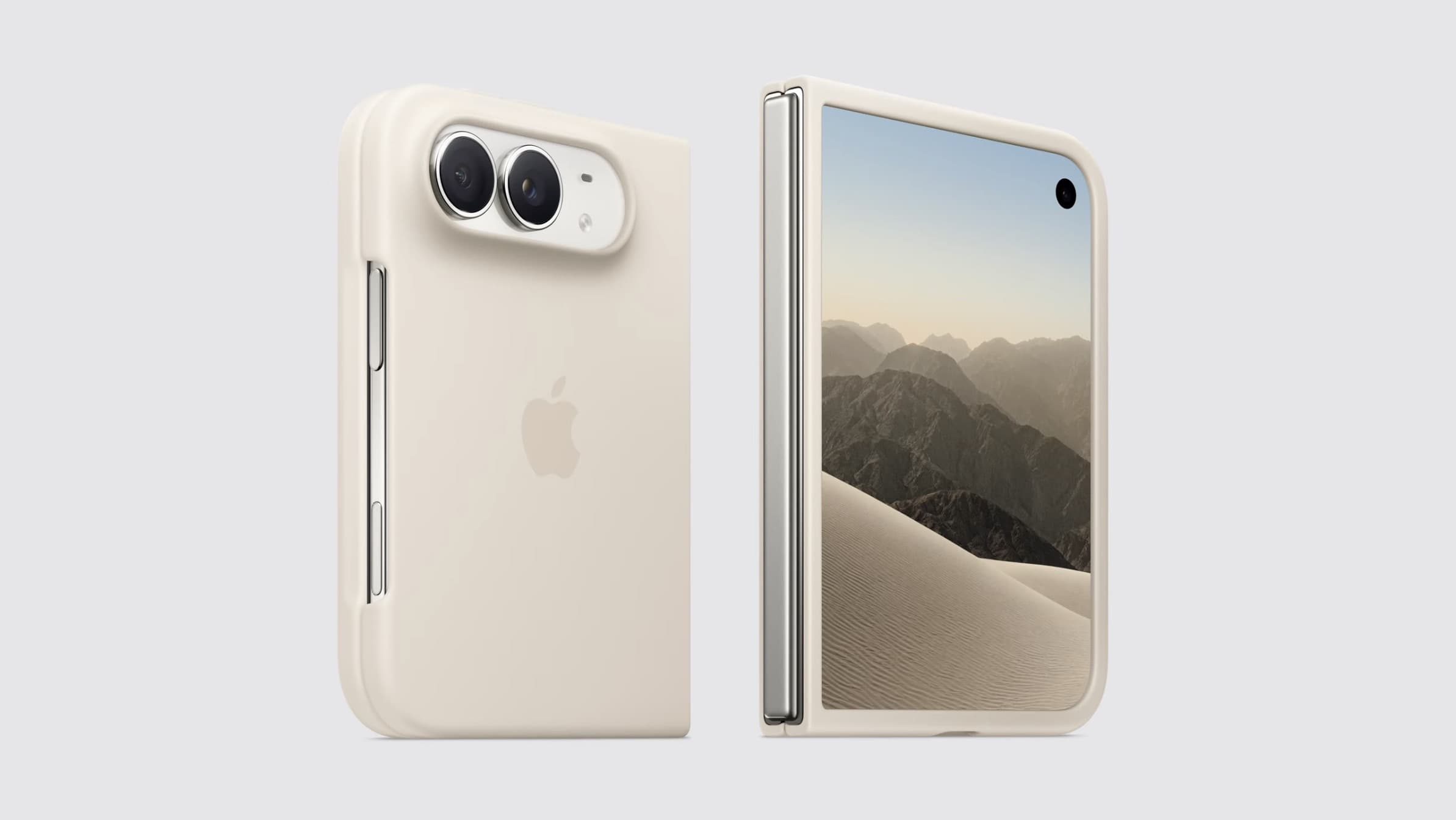
Apple opened iPhone Duo pre‑orders on Friday, October 23 at 5 a.m. PT. The device, marketed as a dual‑screen flagship, quickly sold out in many regions, prompting a chaotic secondary market where listings reached $5,000.
Delivery Timeline
Initial estimates slipped within minutes of the launch, stabilizing at a late‑January 2027 delivery window—roughly a three‑month delay. The uncertainty around retail stock levels has fueled speculation about Apple’s production capacity and the impact of component shortages that have plagued the industry.
Scalper Activity
Scalpers have leveraged automated bots to secure inventory, then resell at premium prices. This mirrors the dynamics seen with previous high‑demand launches, such as the iPhone 14 Pro Max, and underscores the need for stronger anti‑bot measures in Apple’s e‑commerce pipeline.
Global Reach
Pre‑orders are now being accepted in multiple countries, but shipping estimates vary widely due to regional logistics constraints. The situation highlights the delicate balance Apple must maintain between excitement generation and supply chain realism.
Upcoming Media Launch: What to Expect from Apple’s October Event
Apple has extended invitations to a media launch experience on October 28 in Los Angeles. According to Bloomberg’s Mark Gurman, the agenda includes:
- High‑end 14‑inch and 16‑inch MacBook models featuring touchscreen OLED displays.
- New iMac and entry‑level MacBook Pro models powered by the M6 chip.
- iPad mini with an OLED screen.
These announcements will likely dovetail with the home‑focused hardware released this week, reinforcing Apple’s strategy of cross‑device synergy. For developers, the shift to OLED on Macs and iPads could open new possibilities for color‑critical applications, while the M6 chip promises further performance gains for professional workloads.
Why It Matters for the Ecosystem
- Unified Experience: The Home View hub, Apple TV 4K, and HomePod mini 2 all rely on Siri AI and Find My, creating a tightly knit user experience.
- Hardware Refresh Cycle: Apple’s simultaneous release of multiple product categories signals a refresh cadence that could pressure competitors to accelerate their own roadmaps.
- Developer Opportunities: With new hardware capabilities (A19, S10, M6), developers can explore
with new hardware capabilities (A19, S10, M6), developers can explore richer on‑device machine‑learning models, more immersive audio‑visual experiences, and tighter integration across Apple’s expanding home ecosystem. For instance, a HomeKit‑enabled lighting app could now leverage the A19’s neural engine to predict a user’s preferred ambience based on time of day, calendar events, and even facial expression detected by Home View’s proximity sensors. Similarly, music‑streaming services can tap into the S10’s computational audio to deliver adaptive sound‑stage rendering that reacts in real time to room acoustics, all while syncing with the new Sound Glow visualizer.
Market Impact and Competitive Landscape
Apple’s “Welcome Home” wave arrives at a moment when the smart‑home market is fragmented across multiple standards—Amazon’s Alexa, Google Assistant, and a growing number of Matter‑compatible devices. By bundling a dedicated hub (Home View), a premium streaming box (Apple TV 4K), and an affordable smart speaker (HomePod mini 2) under a single, AI‑driven umbrella, Apple is positioning itself as the de‑facto control center for households that already own iPhones, iPads, or Macs.
- Pricing Strategy: While the $299 price tag for both Home View and Apple TV 4K may appear steep compared with competitors (e.g., Roku Ultra at $99, Amazon Fire TV Cube at $119), Apple justifies the premium through the A19 chip’s on‑device AI, the seamless Find My integration, and the promise of future software upgrades that will unlock additional functionality without hardware changes.
- Ecosystem Lock‑in: The synergy between Siri AI, Find My, and HomeKit creates a high barrier to entry for rivals. Users who already rely on iCloud, Apple Music, and AirPlay are likely to stay within the ecosystem, especially as the new hardware deepens that reliance.
- Supply‑Chain Realities: The iPhone Duo pre‑order bottleneck underscores ongoing component shortages (notably advanced displays and high‑bandwidth memory). Apple’s ability to smooth out these hiccups will be crucial for maintaining consumer confidence, especially as the company rolls out multiple new devices in a short window.
What This Means for Consumers
- Unified Control: Home View becomes the visual “dashboard” for all Apple‑compatible smart‑home devices, reducing the need for multiple apps or third‑party hubs.
- Enhanced Media Experience: The upgraded Apple TV 4K, paired with the new remote’s Precision Finding, offers a more polished, hands‑free entertainment setup—particularly appealing for households that already use Apple TV for Apple Arcade and Apple Fitness+.
- Audio‑Visual Fusion: HomePod mini 2’s Sound Glow adds a decorative element that doubles as a subtle notification system (e.g., flashing amber for incoming calls or calendar alerts), blurring the line between functional speaker and ambient lighting.
- Future‑Proofing: With Siri AI slated for later rollout on the HomePod mini 2 and the A19’s neural engine ready for on‑device processing, early adopters can expect incremental feature drops that keep the devices relevant for years.
Looking Ahead: The October 28 Media Launch
While the Home View, Apple TV 4K, and HomePod mini 2 set the stage for a more connected home, the upcoming media launch promises to extend Apple’s hardware refresh into the productivity and creative realms. The rumored OLED‑backed MacBooks and iPad mini could usher in a new era of color‑accurate, low‑latency devices that pair naturally with the home hub’s visual capabilities. Developers should keep an eye on:
- Cross‑Device UI Frameworks: Apple may introduce new APIs that allow developers to push UI elements from a MacBook directly onto a Home View screen, enabling “second‑screen” workflows for video editing, coding, or design.
- Enhanced Continuity: With the M6 chip’s increased performance, features like Universal Control and AirPlay to Home View could become more fluid, encouraging users to treat the hub as an extension of their primary workstation.
- AR Integration: Rumors of AR‑ready sensors in the upcoming Macs could eventually feed spatial data to Home View, allowing for context‑aware automation (e.g., turning on lights when a user walks into a room identified by the AR camera).
Conclusion
Apple’s latest product rollout demonstrates a clear strategic pivot: consolidate the home experience while simultaneously refreshing core entertainment and audio hardware. By introducing a dedicated smart‑home hub, upgrading the Apple TV 4K with a powerful A19 chip, and adding a visually engaging HomePod mini 2, Apple is not only expanding its hardware portfolio but also tightening the feedback loop between devices through Siri AI and Find My.
The iPhone Duo pre‑order frenzy serves as a reminder that demand can outstrip supply, especially when a product pushes the envelope of design and functionality. Apple’s ability to manage that demand—and to deliver timely software updates that unlock promised features—will be a key determinant of how well these new devices are adopted.
If the upcoming October 28 media event lives up to the speculation, Apple could further cement its position as a holistic ecosystem provider, offering everything from high‑end laptops to a unified home control center. For developers, the convergence of powerful chips (A19, S10, M6) and a more open HomeKit framework opens a fertile ground for innovative apps that blend AI, audio‑visual storytelling, and smart‑home automation.
FAQ
Q: Do I need an iPhone or iPad to set up Home View?
A: Yes, initial setup requires an iOS or iPadOS device running iOS 18 or later, which acts as the provisioning tool for HomeKit and Siri AI configuration.
Q: Will the HomePod mini 2 receive Siri at launch?
A: Siri AI is slated for a future software update, expected in early 2027, after Apple finalizes the underlying voice‑processing pipeline for the S10 chip.
Q: Can the new Siri Remote be used with older Apple TV models?
A: The remote is compatible with Apple TV 4K (3rd generation) and Apple TV HD, but some features like Precision Finding require the A19‑powered 4th‑gen hardware.
Q: How does Find My work with the remote?
A: The remote emits a Bluetooth Low Energy signal that can be located via the Find My app, showing distance and direction on a map, similar to locating AirTags.
Q: Will Home View support Matter‑compatible devices out of the box?
A: Yes, Home View ships with full Matter support, allowing it to control third‑party accessories that adhere to the standard without additional firmware updates.
Q: Is the iPhone Duo still available for purchase after the pre‑order rush?
A: Apple has confirmed limited retail stock will be allocated to physical Apple Stores worldwide, but availability will vary by region and is expected to be scarce through the holiday season.
Q: Are there any plans for a larger Home View screen?
A: Apple has not announced a larger variant, but analysts speculate a 10‑inch version could appear in a future refresh, targeting users who want a more expansive dashboard.
Q: How does the Sound Glow visualizer differ from the original HomePod mini’s LED ring?
A: Sound Glow expands the visual area to the entire top surface, uses dynamic color palettes derived from album artwork, and syncs to both bass and treble frequencies for a more immersive light show.
Q: Will the new MacBooks support Home View as an external display?
A: While not officially confirmed, Apple’s continuity roadmap suggests that macOS will soon allow Home View to act as a secondary display via AirPlay 2, enabling extended desktop workflows.
Source: Original Article