


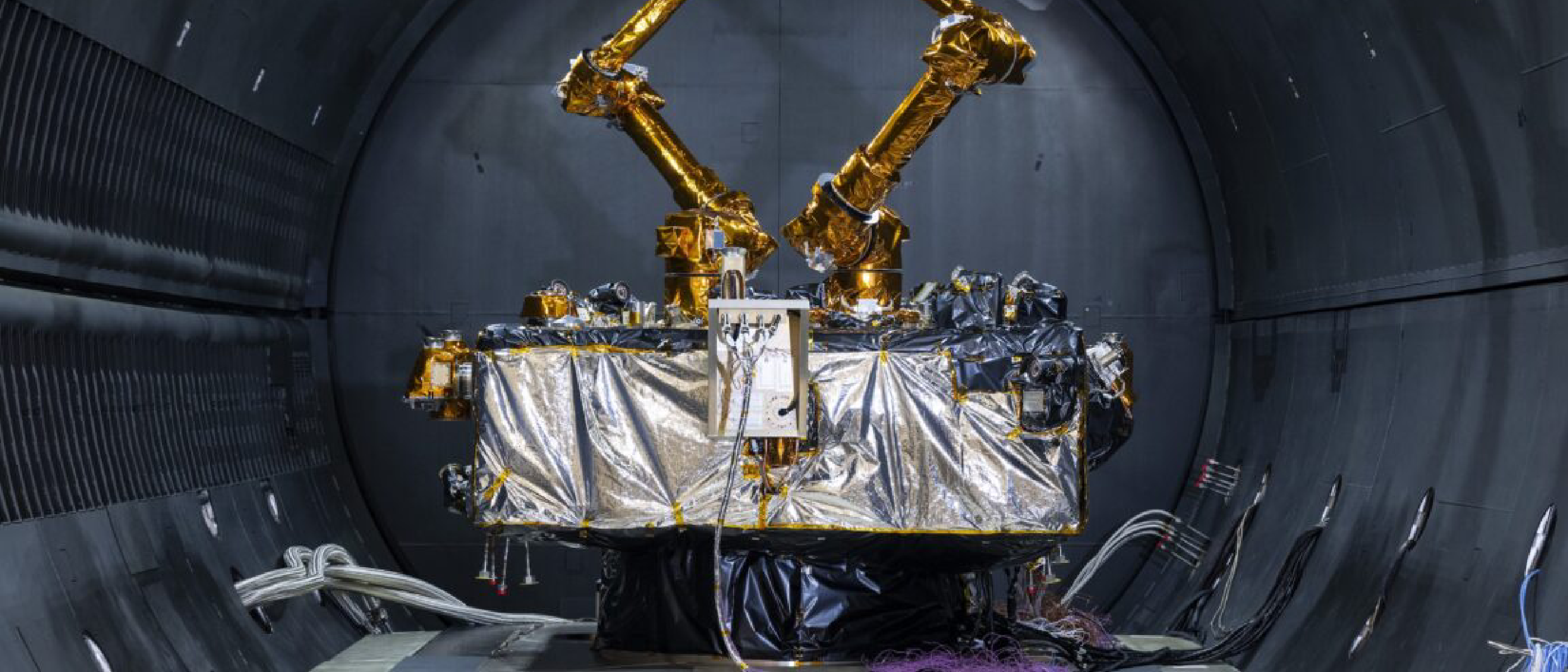
Overview of the MRV Launch
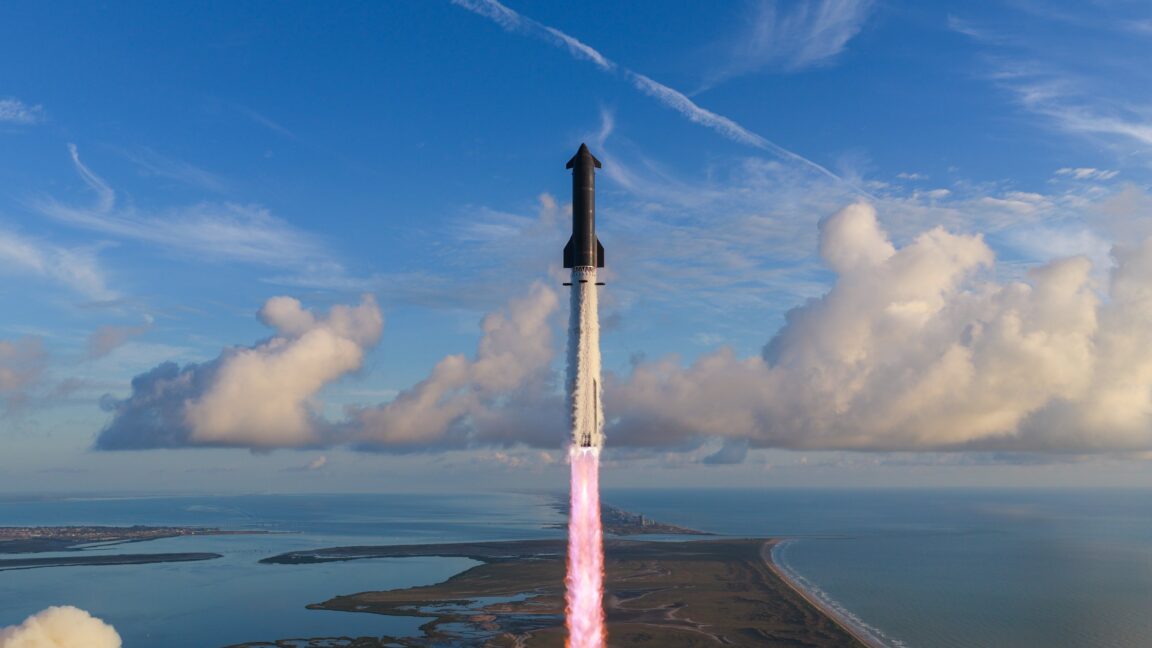
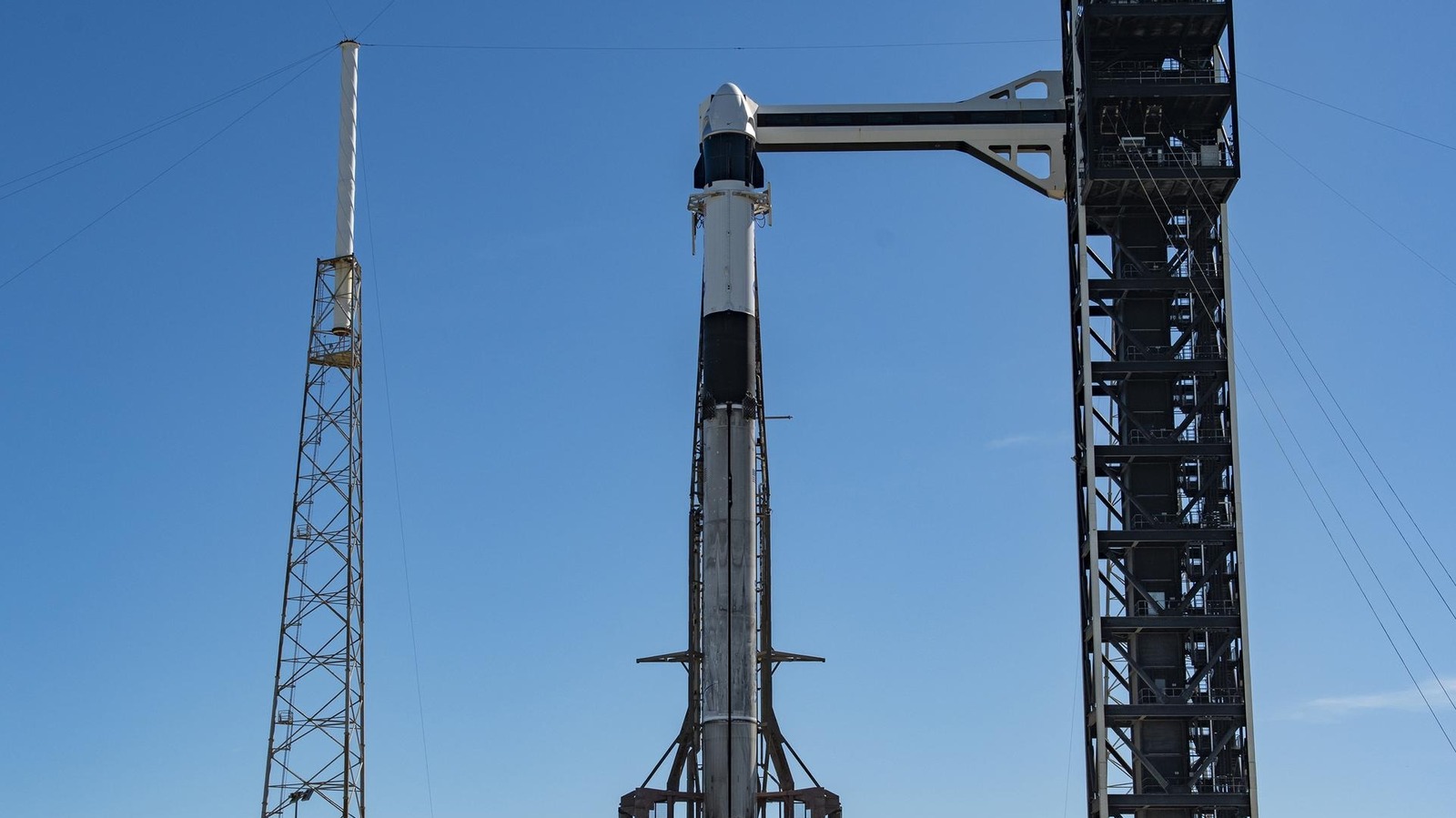
On Tuesday, Northrop Grumman’s Mission Robotic Vehicle (MRV) lifted off aboard a SpaceX Falcon 9 from Cape Canaveral Space Force Station. The launch also carried three Mission Extension Pods (MEPs), each a self‑contained spacecraft equipped with its own propulsion system. Within roughly one hour of liftoff, the Falcon 9 successfully deployed all four payloads into an elliptical drop‑off orbit, marking the first operational step of a planned ten‑year program to demonstrate and expand on‑orbit satellite servicing.
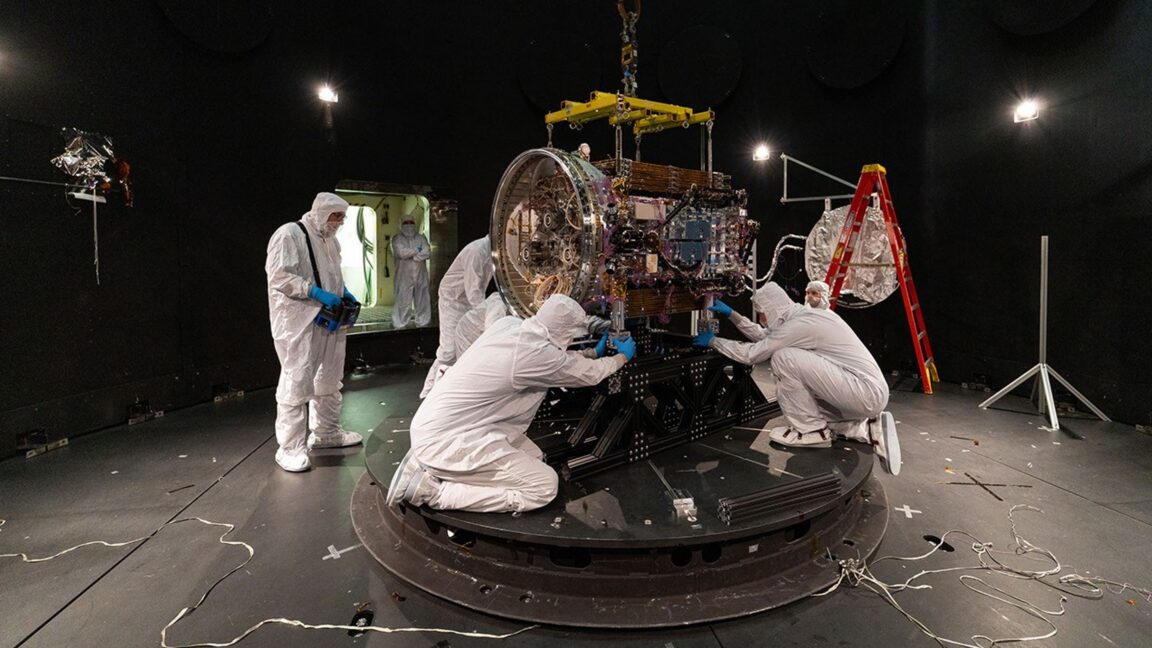
The MRV itself is a compact, highly maneuverable platform featuring two flexible robotic arms capable of grappling, inspecting, and manipulating client satellites. The three MEPs act as “tugs” that can provide additional thrust, attitude control, or orbital adjustments to the MRV or to other satellites that later dock with the system. By positioning the constellation in a circular geosynchronous orbit (GEO) above 22,000 miles (≈36,000 km), the vehicles will share the same orbital plane as a dense population of commercial, military, and intelligence satellites, enabling on‑demand servicing without the need for costly launch replacements.
Technical Breakdown of the Payloads
Mission Robotic Vehicle (MRV)
- Robotic Arms: Two articulated, flexible arms with six degrees of freedom each, designed for delicate capture operations and fine‑grained manipulation of satellite components such as antennae, solar panels, and propulsion modules.
- Guidance, Navigation, and Control (GNC): Integrated LIDAR, optical cameras, and star trackers provide sub‑centimeter relative positioning, essential for safe docking in GEO’s crowded environment.
- Power System: Deployable solar arrays generate up to 8 kW, stored in high‑density lithium‑ion batteries to support continuous operations during eclipse periods.
- Communications: Ka‑band and X‑band transceivers enable high‑rate telemetry and command links, while a secure UHF channel offers redundancy for critical commands.
Mission Extension Pods (MEPs)
- Standalone Propulsion: Each pod houses a xenon‑based Hall‑effect thruster capable of delivering up to 150 mN of thrust, sufficient to raise the MRV’s orbit from the initial elliptical trajectory to its final circular GEO slot.
- Autonomous Flight Software: The pods run a fault‑tolerant flight stack that can execute orbit‑raising maneuvers independently, reducing reliance on ground intervention.
- Modular Design: The pods can be detached and re‑attached to other client spacecraft, effectively turning them into “plug‑and‑play” propulsion modules for future servicing missions.
Launch and Deployment Sequence
- Falcon 9 Liftoff – The rocket’s first stage performed a standard boost‑back and landing burn, returning to the launch site for reuse.
- Payload Fairing Separation – Approximately two minutes after liftoff, the fairing opened, exposing the MRV and three MEPs.
- Sequential Release – The MRV was released first, followed by the three pods at 10‑minute intervals to ensure safe separation and avoid collision.
- Orbit‑Raising Phase – Over the next twelve months, the MEPs will fire their thrusters in a coordinated fashion, gradually circularizing the orbit while the MRV conducts initial checkout procedures.
Why This Mission Matters
The ability to service, refuel, or upgrade satellites already positioned in GEO has long been a “holy grail” for the space industry. GEO satellites typically have lifespans of 15‑20 years, after which they become expensive debris if left unattended. By extending operational life, the MRV/MEP system can:
- Reduce Space Debris – De‑orbiting or repositioning defunct satellites mitigates collision risk in a region already saturated with high‑value assets.
- Lower Capital Expenditure – Operators can defer the cost of launching replacement satellites, preserving budget for payload upgrades or new missions.
- Enable On‑Orbit Upgrades – Future payloads could receive new sensors, software patches, or power modules without returning to Earth, similar to how smartphones receive over‑the‑air updates.
- Support National Security – Military and intelligence satellites can be refreshed or repaired in‑orbit, maintaining strategic capabilities without exposing crews to launch risks.
The mission also demonstrates the convergence of robotics, autonomous navigation, and high‑efficiency electric propulsion—technologies that are increasingly central to broader space‑infrastructure initiatives.
Industry Impact and Competitive Landscape
Northrop Grumman’s entry into on‑orbit servicing intensifies competition with other emerging players such as Maxar’s “Mission Extension Vehicle” (MEV) series and Airbus’s “Space Logistics” concepts. While Maxar’s MEV focuses primarily on providing thrust to extend a satellite’s station‑keeping life, the MRV adds a full robotic manipulation capability, potentially opening a wider range of services—from component replacement to payload swapping.
The launch also underscores SpaceX’s role as the de‑facto launch provider for commercial on‑orbit servicing missions. By delivering multiple payloads in a single launch, Falcon 9 reduces cost per kilogram and accelerates schedule cadence, a model that could become standard for future multi‑satellite deployments.
From a policy perspective, the mission aligns with the U.S. Space Force’s emphasis on “space domain awareness” and “resilience.” As more nations and private entities populate GEO, the ability to maintain and protect assets becomes a strategic priority. The MRV’s autonomous capabilities may also inform future regulatory frameworks concerning on‑orbit activities, similar to discussions around AI‑driven content moderation on platforms like YouTube — see the recent policy shift in YouTube Fights AI Slop with New Monetization Rules .
Future Outlook and Next Steps
Over the next twelve months, the MRV and its three MEPs will transition from the elliptical drop‑off orbit to a stable GEO slot. During this period, engineers will validate:
- Robotic Arm Precision – Conducting a series of “capture rehearsals” with inert mock‑satellites released from the MEPs.
- Propulsion Coordination – Demonstrating synchronized thrusting among the pods to achieve smooth orbit circularization without inducing excessive attitude disturbances.
- Autonomous Fault Management – Testing the system’s ability to detect and recover from anomalies without ground intervention, a prerequisite for commercial servicing contracts.
Looking ahead, Northrop Grumman has hinted at a “servicing constellation” concept, where multiple MRVs could operate in tandem, each supported by a fleet of MEPs. Such a network would enable rapid response to satellite failures, akin to a “space ambulance” service. Additionally, the
MRV/MEP architecture could serve as a template for future lunar or Martian servicing missions, where robotic intervention will be critical for sustaining long-duration infrastructure.
Commercial Viability and Customer Adoption
The success of the MRV program hinges on securing contracts from satellite operators who must weigh the cost of servicing against the expense of launching replacements. Early adopters are likely to include government agencies—such as the U.S. Space Force or NOAA—and commercial operators with high-value GEO assets, like Intelsat or SES. Northrop Grumman has already signaled plans to offer “servicing-as-a-service” models, where customers pay per maneuver or per year of extended life, rather than purchasing the hardware outright.
One potential hurdle is the lack of standardized docking interfaces across the satellite industry. While the MRV’s robotic arms can adapt to various spacecraft designs, the absence of universal docking ports could limit its versatility. To address this, Northrop Grumman is collaborating with the Space Infrastructure Foundation (SIF) to promote the adoption of the Open Servicing Interface Standard (OSIS), a set of guidelines for mechanical, electrical, and data connections that would streamline future servicing operations.
Technological Challenges and Risks
Operating in GEO presents unique challenges, including:
- Radiation Exposure: The MRV’s electronics must withstand prolonged exposure to high-energy particles, which can degrade components over time. Northrop Grumman has incorporated radiation-hardened processors and shielding to mitigate this risk.
- Thermal Management: The extreme temperature fluctuations in GEO—ranging from -150°C to +150°C—require advanced thermal control systems, including deployable radiators and phase-change materials.
- Collision Avoidance: GEO is a finite resource, with satellites often separated by mere kilometers. The MRV’s autonomous navigation system must continuously monitor its surroundings and adjust its trajectory to avoid close approaches with other assets.
Additionally, the reliance on electric propulsion for orbit-raising introduces a trade-off between thrust and time. While xenon-based Hall-effect thrusters are highly efficient, their low thrust means the MRV and MEPs will require nearly a year to reach their operational orbit. This extended transit period increases the risk of component failures or micrometeoroid impacts, though the system’s redundant design aims to minimize single points of failure.
Regulatory and Policy Considerations
The MRV mission arrives at a time of heightened scrutiny over on-orbit activities. The U.S. Federal Communications Commission (FCC) and the United Nations Office for Outer Space Affairs (UNOOSA) are actively developing frameworks to govern satellite servicing, refueling, and debris mitigation. Key issues under discussion include:
- Liability for On-Orbit Collisions: If the MRV accidentally damages a client satellite during servicing, who bears responsibility—the servicing provider, the satellite operator, or the launch provider?
- Intellectual Property: How will proprietary satellite designs be protected when servicing vehicles gain physical access to their components?
- Space Traffic Management: As more servicing vehicles enter GEO, how will operators coordinate maneuvers to prevent congestion?
Northrop Grumman has proactively engaged with regulators to shape these policies, emphasizing the MRV’s role in reducing space debris and extending satellite lifespans. The company has also committed to adhering to the Space Safety Coalition’s Best Practices, a voluntary set of guidelines for responsible on-orbit operations.
Broader Implications for Space Infrastructure
The MRV/MEP system is more than a standalone mission—it represents a shift toward a modular, reusable space infrastructure. By demonstrating the feasibility of on-orbit servicing, Northrop Grumman is paving the way for:
- In-Space Manufacturing: Future MRVs could assemble large structures, such as space telescopes or solar power stations, from components launched separately.
- Fuel Depots: MEPs could evolve into orbital refueling stations, enabling longer-duration missions to the Moon or Mars.
- Debris Removal: The robotic arms could be repurposed to capture and de-orbit defunct satellites, addressing the growing threat of space debris.
This vision aligns with NASA’s On-orbit Servicing, Assembly, and Manufacturing (OSAM) initiatives and the European Space Agency’s Clean Space program, both of which aim to create a sustainable orbital economy.
Conclusion
The launch of Northrop Grumman’s MRV and its three MEPs marks a pivotal moment in the evolution of satellite servicing. By combining robotic manipulation with autonomous propulsion, the system offers a scalable solution to extend the life of GEO satellites, reduce space debris, and lower the cost of maintaining critical space infrastructure. While challenges remain—from technical hurdles to regulatory uncertainties—the mission sets a precedent for a future where satellites are no longer disposable but instead repairable, upgradable, and reusable.
As the MRV and MEPs transition to their operational orbit over the next year, the space industry will be watching closely. Success could catalyze a new era of on-orbit servicing, while failure might delay the adoption of these technologies for years. One thing is clear: the era of “throwaway” satellites is coming to an end, and the MRV is leading the charge toward a more sustainable and dynamic space environment.
FAQ
1. What is the Mission Robotic Vehicle (MRV)?
The MRV is a robotic spacecraft developed by Northrop Grumman, equipped with two flexible robotic arms designed to grapple, inspect, and service satellites in geosynchronous orbit (GEO). It serves as the core platform for a decade-long mission to demonstrate on-orbit servicing capabilities.
2. How do the Mission Extension Pods (MEPs) work?
The MEPs are standalone propulsion modules that can attach to the MRV or other satellites. Each pod contains a xenon-based Hall-effect thruster, enabling it to provide thrust for orbit-raising, station-keeping, or attitude adjustments. They can also be detached and reused for future missions.
3. Why is geosynchronous orbit (GEO) important for this mission?
GEO is a critical orbital regime for communications, weather monitoring, and national security satellites. Satellites in GEO remain fixed over a specific point on Earth, making them ideal for continuous coverage. However, their high altitude makes servicing challenging, which is why the MRV’s capabilities are particularly valuable.
4. How long will it take for the MRV and MEPs to reach their operational orbit?
The MRV and MEPs were deployed into an elliptical drop-off orbit by the Falcon 9. Over the next 12 months, they will use their electric propulsion systems to gradually circularize their orbit and reach GEO, which is located more than 22,000 miles (≈36,000 km) above the equator.
5. What are the potential applications of the MRV beyond satellite servicing?
Beyond extending satellite lifespans, the MRV’s technology could enable:
- In-space assembly of large structures, such as space telescopes or solar arrays.
- Orbital refueling for deep-space missions.
- Debris removal by capturing and de-orbiting defunct satellites.
- On-orbit upgrades for satellites, such as swapping out sensors or software.
6. How does this mission compare to Maxar’s Mission Extension Vehicle (MEV)?
While Maxar’s MEV focuses primarily on providing propulsion to extend a satellite’s life, the MRV adds robotic manipulation capabilities, allowing it to perform more complex tasks like component replacement or payload swapping. This makes the MRV a more versatile platform for future servicing missions.
7. What are the biggest risks associated with this mission?
Key risks include:
- Technical failures during the year-long orbit-raising phase.
- Collision risks in GEO’s crowded environment.
- Regulatory hurdles related to liability and space traffic management.
- Market adoption—convincing satellite operators to invest in servicing rather than launching replacements.
8. How will this mission impact the future of space exploration?
The MRV/MEP system demonstrates the feasibility of modular, reusable space infrastructure, which could be adapted for lunar or Martian missions. By proving that satellites can be serviced and upgraded in orbit, the mission accelerates the transition toward a more sustainable and dynamic space economy.
Source: Original Article