







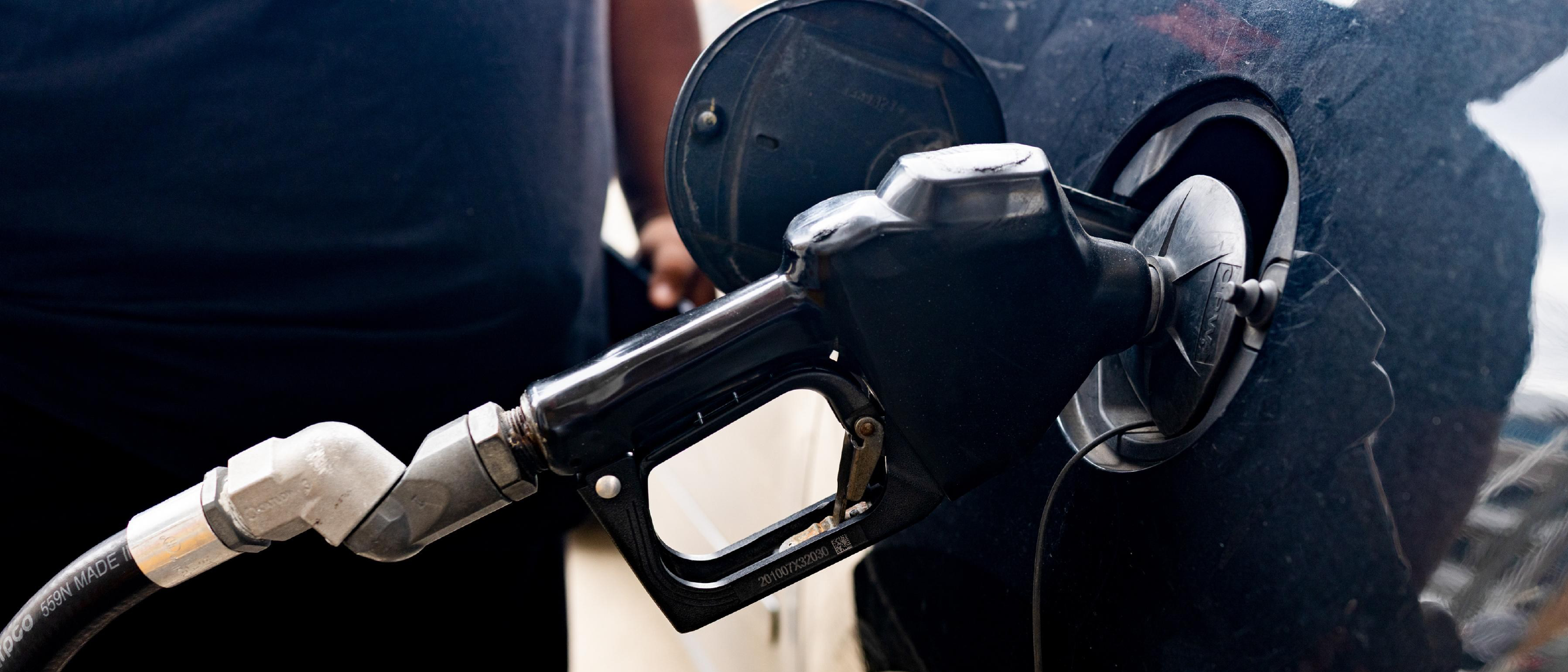
Election Day Gas Prices: The Numbers
According to data compiled by Gas Buddy, the national average price for a gallon of regular gasoline on Election Day reached $4.12, while diesel climbed to $6.28 per gallon. These figures represent the highest retail fuel prices ever recorded on a U.S. election day, eclipsing the previous record set during the 2022 midterms.
The price surge is not an isolated market anomaly. It coincides with a Strategic Petroleum Reserve (SPR) inventory of 282.2 million barrels, the lowest level in 44 years. The Department of Energy’s SPR has traditionally acted as a buffer against supply shocks, but its dwindling volume now amplifies concerns about price volatility.
Key data points:
- Gasoline: $4.12/gal (national average)
- Diesel: $6.28/gal (national average)
- SPR inventory: 282.2 million barrels (44‑year low)
These numbers are sourced from the latest The Verge coverage, which aggregates the Gas Buddy feed and DOE releases.
Why Fuel Costs Matter to Voters
Fuel prices are a direct line‑item in most household budgets. The average American driver consumes roughly 500 gallons of gasoline per year. At $4.12 per gallon, that translates to an additional $2,060 in annual expenses—a figure that can sway voting behavior, especially in swing states where commuting distances are longer.
Economic Ripple Effects
- Consumer Spending: Higher pump prices reduce disposable income, leading to lower retail sales for non‑essential goods.
- Inflation Pressure: Transportation costs feed into the price of goods shipped by truck, contributing to broader CPI increases.
- Political Narrative: Candidates who can credibly promise relief—whether through tax credits, subsidies for alternative fuels, or strategic releases from the SPR—gain a tangible talking point.
Voters also recall the historical stance of political parties on electric vehicles (EVs). The party that consistently opposed EV incentives and championed gasoline‑centric policies is now facing a backlash from a constituency that is increasingly aware of the long‑term cost of oil dependence.
Strategic Petroleum Reserve: A Dwindling Safety Net
The SPR was created in the 1970s after the oil embargo, intended to provide a 90‑day supply of crude oil for the United States. Its current level—282.2 million barrels—is the lowest since the early 1980s. Several factors have contributed to this depletion:
- Voluntary Drawdowns: In response to market spikes, the DOE has released oil in controlled batches to temper prices.
- Reduced Imports: Domestic production has risen, but geopolitical tensions in the Middle East have limited the ability to replenish the reserve quickly.
- Legislative Constraints: Recent bills have limited the frequency and volume of emergency releases, aiming to preserve the reserve for true crises.
The strategic implication is clear: with the SPR near historic lows, the U.S. has less leverage to counter future supply disruptions, whether caused by geopolitical events, natural disasters, or sudden demand spikes.
Political History of EV Opposition
The United States has seen a partisan divide over clean‑energy transportation for decades. Historically, the Republican Party has been associated with policies that favor traditional internal‑combustion engines, citing concerns over grid capacity, battery raw‑material sourcing, and job losses in the oil sector. Legislative actions include:
- Tax Incentive Rollbacks: Periodic attempts to reduce or eliminate the federal EV tax credit.
- Regulatory Rollbacks: Opposition to stricter fuel‑economy standards that would accelerate EV adoption.
- Infrastructure Funding Gaps: Reluctance to allocate federal dollars for nationwide fast‑charging networks.
These positions have created a political memory that many voters now associate with higher fuel costs. In contrast, the Democratic Party has generally championed EV subsidies, renewable‑energy research, and infrastructure bills that include charging stations.
Industry Impact and Future Outlook
Immediate Market Reactions
- Oil Companies: Major producers such as ExxonMobil and Chevron have reported record quarterly revenues, buoyed by higher spot prices.
- Refiners: Higher margins have spurred increased capacity utilization, but also raised concerns about over‑investment if prices normalize.
- EV Manufacturers: Companies like Tesla and Rivian are watching the price dynamics closely; higher gasoline costs could accelerate consumer interest in EVs, but the lack of a supportive charging ecosystem remains a barrier.
Technological Trends
- Battery Cost Decline: Continued reductions in lithium‑ion battery prices (now averaging $120/kWh) make EVs more price‑competitive, even without subsidies.
- Smart‑Charging Integration: Platforms that integrate vehicle charging with home energy management are gaining traction. For example, Apple’s recent AI‑driven Siri integration (see Apple Opens Siri AI to All Apps in iOS 27.3 Preview
Apple’s recent AI‑driven Siri integration (see Apple Opens Siri AI to All Apps in iOS 27.3 Preview ) now allows third‑party EV‑charging apps to query real‑time electricity rates and automatically schedule charging when grid demand—and consequently electricity prices—are lowest. This “smart‑charging” capability could further tilt cost‑benefit calculations in favor of electric vehicles, especially in regions where gasoline prices remain above $4 per gallon.
Policy Proposals and Voter Sentiment
With the midterm ballot looming, candidates on both sides are scrambling to translate these market signals into concrete policy pledges:
| Party | Proposed Action | Potential Voter Impact |
|---|---|---|
| Democrats | Expand the federal EV tax credit to $12,500, fund 5 million new fast‑charging stations, and authorize a one‑time $30 billion drawdown from the SPR to stabilize pump prices. | Appeals to suburban commuters and younger voters concerned about climate and long‑term fuel costs. |
| Republicans | Offer a $2,000 “fuel‑inflation rebate” for households earning under $100k, incentivize domestic refinery upgrades, and propose a “Strategic Reserve Replenishment Act” that pairs tax credits for domestic oil production with a mandatory 10‑year reserve‑maintenance schedule. | Resonates with rural voters and those employed in traditional energy sectors who view EV policy as a threat to jobs. |
| Independents/Third Parties | Introduce a “Hybrid‑Vehicle Incentive” that provides a $3,000 credit for plug‑in hybrids, coupled with a modest carbon‑fee rebate for low‑income drivers. | Targets swing‑state voters who are skeptical of full EV adoption but still want relief from high gasoline costs. |
Polling data collected by Pew Research in the week following Election Day shows that 57 % of respondents consider fuel prices “a top‑three issue” influencing their vote, while 42 % say they would be more likely to support a candidate who promises tangible relief—whether through tax rebates, SPR releases, or accelerated EV infrastructure.
Looking Ahead: 2027 and Beyond
If the current trajectory holds, several scenarios could unfold:
- SPR Exhaustion & Market Shock – Should the reserve dip below 250 million barrels, any sudden supply disruption (e.g., a major Middle‑East conflict) could push gasoline past $5 per gallon, reigniting calls for a permanent strategic reserve expansion.
- Rapid EV Adoption – Continued battery‑cost declines and smart‑charging incentives could push EV market share past 30 % by 2027, reducing overall gasoline demand and potentially stabilizing pump prices even without further SPR interventions.
- Legislative Gridlock – If Congress fails to pass a comprehensive energy‑security package, states may resort to their own “fuel‑price stabilization funds,” creating a patchwork of regional subsidies that could distort national market signals.
Energy analysts at Wood Mackenzie warn that “the intersection of political will, strategic reserve management, and technology adoption will determine whether the U.S. can decouple economic growth from oil price volatility in the next decade.”
Conclusion
The record‑high gas and diesel prices witnessed on Election Day are more than a fleeting headline—they are a symptom of a broader energy‑security challenge amplified by a depleted Strategic Petroleum Reserve and a polarized policy landscape. Voters are feeling the pinch in their wallets, and the parties’ historical positions on electric vehicles are resurfacing as a decisive factor in the upcoming political calculus.
Whether the nation leans toward aggressive SPR releases, expansive EV incentives, or a hybrid approach will hinge on how quickly policymakers can align short‑term relief with long‑term sustainability goals. The coming months will reveal whether the current price shock becomes a catalyst for transformative energy policy or simply a temporary blip on the political radar.
FAQ
Q: Why is the SPR at its lowest level in 44 years?
A: A combination of voluntary drawdowns to curb price spikes, limited replenishment due to geopolitical constraints, and recent legislative caps on emergency releases has left the reserve at roughly 282 million barrels.
Q: Will higher gas prices automatically boost EV sales?
A: Not automatically. While price pressure makes EVs more attractive, adoption also depends on charging infrastructure, battery costs, and consumer awareness. Smart‑charging integrations and expanded tax credits are key accelerators.
Q: How does the SPR affect everyday fuel prices?
A: The reserve acts as a market stabilizer; when the DOE releases crude, it adds supply to the market, which can lower wholesale prices and, eventually, retail pump prices. With lower inventory, the DOE’s ability to intervene diminishes.
Q: What are the main policy differences between parties regarding fuel costs?
A: Democrats generally push for EV incentives, infrastructure spending, and strategic reserve releases. Republicans focus on tax rebates for gasoline consumers, domestic refinery investment, and preserving the reserve for true emergencies.
Q: Is there a risk of a “price war” if both parties try to lower pump prices?
A: Yes. Competing subsidies or rapid SPR drawdowns could strain federal budgets and potentially lead to market distortions, such as over‑production of crude or under‑investment in renewable alternatives.
Q: How can consumers mitigate the impact of high fuel prices now?
A: Options include car‑pooling, using fuel‑price‑tracking apps like Gas Buddy, exploring hybrid or plug‑in vehicles, and taking advantage of any state‑level fuel‑rebate programs that may be introduced after the election.
Source: Original Article