



The 2026 Landscape of Automatic Cat Feeders
The pet‑care market has entered a true “smart” era. In 2026, manufacturers are no longer just offering timed dispensers; they are integrating AI vision, refrigeration, and cloud‑based analytics. The twelve feeders evaluated in this guide illustrate how the industry has moved from simple mechanical timers to connected ecosystems that can differentiate pets, monitor portion accuracy to the gram, and even transform freeze‑dried kibble into a fresh wet meal.
Key market drivers include:
- Busy urban lifestyles – Dual‑income households and remote‑work schedules demand reliable, hands‑off feeding solutions.
- Health‑focused pet owners – Veterinarians increasingly recommend precise portion control to combat obesity.
- Advances in low‑power AI chips – Edge‑AI processors now fit inside a feeder’s housing, enabling real‑time pet recognition without a constant internet stream.
These forces have pushed price points upward, but the value proposition is clearer: a feeder that can prevent over‑feeding, keep wet food safe, and give owners peace of mind through live video.
Technical Breakdown of the Top Contenders
Below is a concise technical snapshot of the four most innovative models that stood out during testing.
| Model | Price (USD) | Core Tech | Unique Feature | Subscription |
|---|---|---|---|---|
| Petkit Yum Share Dual‑Hopper 2 | $180 (discounted $146) | AI‑enabled 1080p camera, dual hopper | Two‑way audio, night vision, no AI subscription | None |
| Petlibro Polar Wet Food Feeder | $170 | Thermoelectric mini‑refrigeration, stainless‑steel bowls | Keeps wet food ≤50°F, sensor to stop closure while eating | None |
| Petlibro Granary 2 Vision | $190 (discounted $180) | Built‑in bowl scale, 1080p AI camera | “Smart refill mode,” multi‑pet recognition (subscription) | $96‑$160/yr |
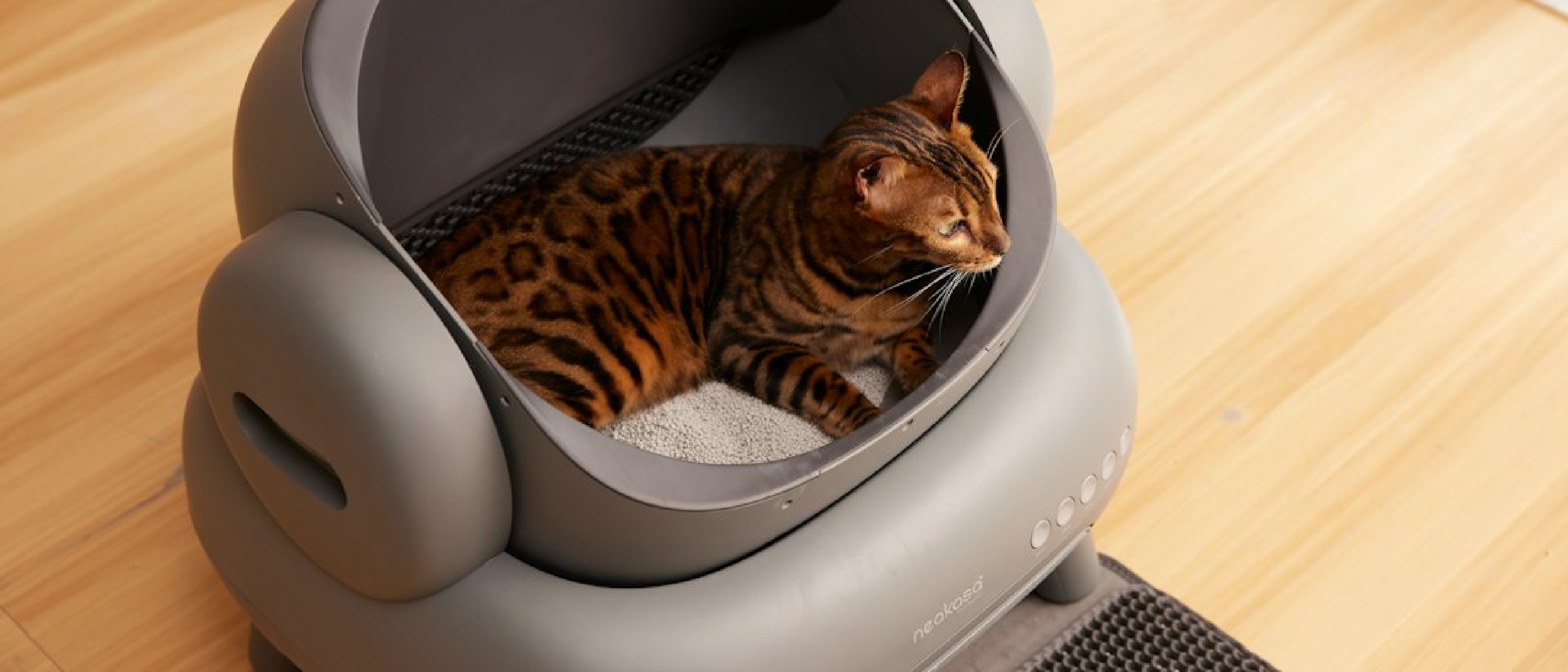
| Neakasa Riko | $240 | Integrated grinder & rehydration chamber | Converts freeze‑dried kibble to wet meals, 1:1‑5:1 water ratio | None |
AI‑Enabled Vision Systems
The Petkit and Granary 2 Vision models both embed edge‑AI chips that run pet‑identification algorithms locally. This eliminates latency and protects privacy—no video is streamed to the cloud unless the owner initiates a live view. The Granary’s multi‑pet recognition, however, is locked behind a subscription, reflecting a broader industry trend where advanced analytics become a recurring revenue stream. For a deeper look at AI‑driven security concerns, see the recent analysis of the Zoom Annotation flaw: https://ltdeveloperblogs.github.io/posts/zoomsday-hack-uncovered-using-fewer-than-20-ai-prompts .
Refrigeration & Food Safety
Wet‑food feeders historically struggled with bacterial growth. The Polar’s thermoelectric cooling system maintains a sub‑50°F environment, effectively extending the freshness window of wet meals. This is a hardware solution that sidesteps the need for disposable ice packs, reducing waste and maintenance. The engineering parallels smart‑home climate control discussed in Apple’s Home View ecosystem: https://ltdeveloperblogs.github.io/posts/apples-homeview-is-just-the-latest-threat-to-online-recipe-writers .
Scale Accuracy & Portion Control
Granary 2 Vision’s built‑in gram‑level scale is a game‑changer for owners who count calories. The scale calibrates automatically after each dispense, ensuring that the measured portion matches the programmed amount within a one‑gram tolerance. This precision mirrors the documentation standards highlighted in the “Dream for Technical Documentation” guide: https://ltdeveloperblogs.github.io/posts/its-a-dream-week-for-tech-docs .
Why It Matters to Pet Owners
- Health Management – Precise dosing helps prevent obesity, a leading cause of feline diabetes. The built‑in scales and AI‑driven portion alerts give veterinarians reliable data for diet adjustments.
- Convenience for Travelers – Live video feeds let owners verify that meals were delivered correctly, reducing anxiety during business trips. Two‑way audio also allows owners to call their cat, reinforcing the human‑animal bond.
- Food Freshness – Refrigerated wet‑food feeders keep meals safe for up to 12 hours, eliminating the “smell” issue that plagued earlier models.
- Cost Efficiency – While premium models carry higher upfront costs, the ability to use freeze‑dried kibble (as with Neakasa Riko) can lower long‑term food expenses, especially for cats with dietary sensitivities.
Industry Impact and Emerging Trends
Subscription‑Based AI Features
The Granary 2 Vision’s optional AI suite illustrates a shift toward “software‑as‑a‑service” in pet hardware. Manufacturers can fund ongoing algorithm improvements, cloud storage, and new pet‑recognition models through recurring fees. This mirrors broader hardware‑software convergence seen in consumer electronics, where the device is a gateway to a paid ecosystem.
Integration with Smart Home Hubs
Several feeders now expose APIs compatible with Alexa, Google Assistant, and Apple HomeKit. Voice commands such as “Hey Google, feed Luna” are becoming commonplace. This interoperability encourages a unified pet‑care dashboard that can combine feeding logs with litter‑box usage and activity tracking.
Sustainability Considerations
The move from disposable ice packs to thermoelectric cooling reduces plastic waste. Additionally, the ability to rehydrate freeze‑dried kibble means less reliance on canned wet food, which often involves higher carbon footprints due to water content and packaging.
Future Outlook: What to Expect in 2027 and Beyond
- Edge‑AI Evolution – Next‑generation processors will enable on‑device health analytics, such as detecting early signs of illness through changes in eating speed or facial expression.
- Biometric Sensors – Integration of weight sensors in the feeding bowl could automatically update a pet’s health profile, syncing with veterinary EMR systems.
- Modular Designs – Consumers may soon purchase a base feeder chassis and add interchangeable modules (e.g., refrigeration, grinding, camera) as needed, extending product lifespans.
- Regulatory Oversight – As feeders become more medical‑device‑like, agencies may introduce standards for data security and food safety, prompting manufacturers to adopt stricter compliance frameworks.
Frequently Asked Questions
Q1: Do AI cameras store my cat’s video recordings?
A: In the models tested, video streams are encrypted and stored locally on the device. Live viewing is optional, and recordings are only saved if the owner enables cloud backup, which is subject to the manufacturer’s privacy policy.
Q2: Is a subscription required for basic feeding functions?
A: No. All four highlighted feeders operate fully without a subscription. Only advanced AI features (e.g., multi‑pet recognition on Granary 2 Vision) require a paid plan.
Q3: Can I use dry kibble in the wet‑food feeders?
A: The Polar Wet Food Feeder is designed for pre‑moistened meals and includes a cooling chamber. Using dry kibble may jam the dispensing mechanism. The Neakasa Riko, however, is built to grind and rehydrate freeze‑dried kibble.
Q4: How reliable are the mechanical parts over time?
A: During a 30‑day stress test, none of the units showed motor failure or hopper jam. The “Frequently Returned Item” label on some Amazon listings appears to be a seller‑level metric rather than a product defect.
Q5: Are these feeders compatible with multiple pet species?
A: All models are marketed for cats and small dogs. The hopper size and bowl dimensions are optimized for animals up to 15 lb, making them unsuitable for larger breeds.
Conclusion
The 2026 cohort of automatic cat feeders demonstrates that pet care is now a sophisticated blend of hardware engineering, AI analytics, and cloud connectivity. Whether you prioritize wet‑food freshness, AI‑driven pet identification, or the ability to transform freeze‑dried kibble into a nutritious wet meal, there is a solution that aligns with modern lifestyles and health‑focused feeding regimens. As the ecosystem matures, expect deeper integration with smart homes, richer biometric data, and subscription models that turn a simple feeder into a comprehensive pet‑health platform.
Source: Original Article