



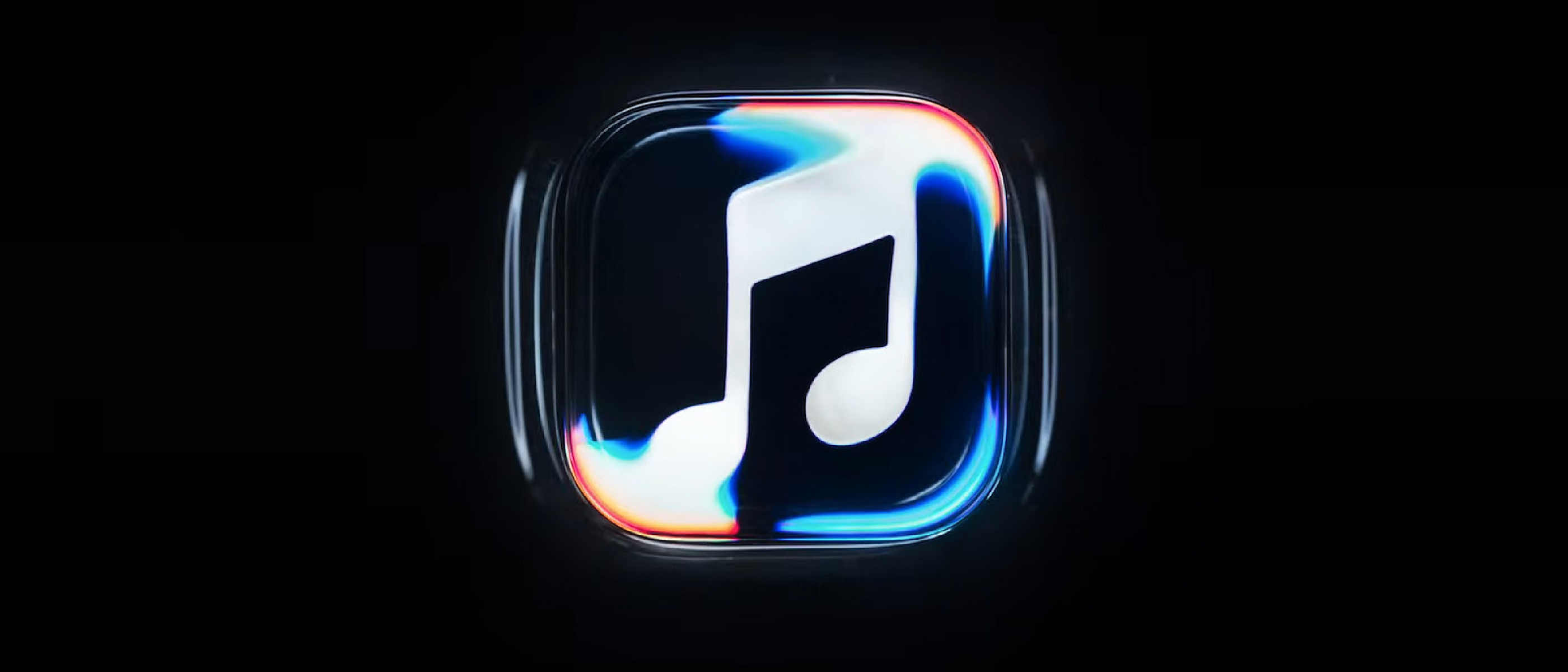
The Ripple Effect: Apple’s New Music Logo Explained
Apple’s latest rebrand of Apple Music has dropped a visual that feels both familiar and entirely new. The logo, a series of concentric ripples etched into a glass surface, evokes the sensation of a stone dropped into water. It is more than a cosmetic change; it is a statement about how Apple envisions the intersection of sound and sight. The ripple motif aligns with the company’s broader “Liquid Glass” design language, hinting at a future where physical interfaces and digital audio are inseparable.
Behind the Scenes: From Concept to Glass
Apple’s design teams are known for their meticulous process, and the ripple logo is no exception. The collaboration began with a simple question: How can we make sound visible? The answer emerged from a partnership between Apple, music producer Fred Again, and acoustics specialist NEST Acoustics.
- Conceptualization – Fred Again suggested that the logo should feel like a wave, a natural extension of music’s fluidity.
- Material Selection – Apple chose a high‑clarity, low‑thermal‑expansion glass to preserve the fidelity of the etched pattern.
- Prototype Creation – A small tank was constructed, and the glass floor was etched with the ripple design using a laser‑engraving system.
- Oil‑Based Ripple Generation – The tank was filled with mineral oil, a medium that reflects light differently than water, allowing for a subtle, shimmering effect.
- Sound‑Driven Animation – An instrument played a short series of tones, causing the oil to ripple. The resulting motion was captured on high‑speed video and refined until the visual met Apple’s standards for clarity and elegance.
The final product is a logo that literally moves when you play a song, turning the act of listening into a multisensory experience.
Technical Breakdown: How Sound Creates Visual Art
The ripple effect is a fascinating blend of physics, acoustics, and visual design. Here’s a deeper look at the mechanics behind the moving logo:
- Acoustic Coupling – The instrument’s tones are transmitted through the glass floor, creating vibrations that propagate through the mineral oil.
- Surface Tension Dynamics – Mineral oil’s higher viscosity compared to water dampens the ripples, producing a smoother, more controlled visual.
- Optical Reflection – The transparent cover above the oil refracts light, amplifying the ripple’s appearance and giving the logo a luminous quality.
- Synchronization with Music – The ripple patterns are timed to match the beat and tempo of the music, ensuring that the visual rhythm aligns with the auditory rhythm.
Apple’s engineering team had to fine‑tune the frequency range of the tones to avoid excessive distortion while still generating visible ripples. The result is a logo that feels alive without overwhelming the user.
Industry Impact: What This Means for Audio Branding
Apple’s ripple logo is more than a design novelty; it signals a shift in how audio brands can engage audiences. The collaboration with Fred Again and NEST Acoustics demonstrates that music producers and acoustics engineers can play a direct role in visual branding. This partnership sets a precedent for future collaborations across the industry.
Key Takeaways for Brands
- Multisensory Integration – Combining sound and visual elements can deepen user engagement.
- Material Innovation – Using unconventional media (like mineral oil) opens new avenues for dynamic branding.
- Cross‑Disciplinary Collaboration – Bringing together designers, musicians, and acousticians can yield unique, memorable experiences.
Apple’s move also encourages other streaming services to rethink their visual identities. A brand that can make sound visible will stand out in an increasingly crowded market.
Future Outlook: Where Apple Might Go Next
While the ripple logo is a milestone, it is likely just the beginning of Apple’s exploration into fluid design. Several possibilities loom on the horizon:
- Liquid Glass Interface Expansion – The ripple concept could be extended to touchscreens, creating responsive surfaces that change with user interaction.
- Adaptive Audio‑Visual Experiences – Future Apple Music releases might feature custom ripple patterns that evolve with the track’s mood.
- Integration with Augmented Reality – AR glasses could project ripples onto real‑world surfaces, blending digital and physical worlds.
- Sustainability Focus – Apple may explore eco‑friendly materials that replicate the ripple effect without relying on mineral oil.
These directions would reinforce Apple’s reputation for marrying technology and artistry, pushing the boundaries of what a logo can represent.
FAQ
Q: Is the ripple logo only visible on Apple devices?
A: The logo is designed for Apple Music’s app and associated hardware. It may not be fully functional on non‑Apple platforms.
Q: Can other brands replicate this effect?
A: The technique requires specialized equipment and materials. However, the underlying principles—acoustic coupling and optical reflection—can inspire similar designs.
Q: Does the ripple effect consume extra battery life?
A: The effect is largely visual and does not rely on active hardware beyond the app’s rendering. Battery impact is negligible.
Q: Will Apple release a physical version of the ripple logo?
A: No official statement has been made, but Apple’s history of hardware‑software integration suggests potential future products.
Q: How does this relate to Apple’s recent moves in digital content?
A: Apple has been expanding its content ecosystem, and the ripple logo aligns with its strategy to create immersive, branded experiences across music, video, and AR.
For readers interested in how Apple’s design philosophy extends beyond music, check out our coverage of Apple’s integration with digital wallets: Chinese Auto Giant Moves to Apple Wallet Car Keys . If you’re curious about how digital content is evolving in other domains, our review of the Xteink X4 Pro’s reading capabilities offers a glimpse into the future of portable media: Xteink X4 Pro: Tiny Pocket Reader, Big Limitations . Finally, for insights into DRM and digital rights management, our article on Cross Point Reader’s plug‑in support for DRM eBooks provides valuable context: Cross Point Reader Adds Plug‑In Support for DRM eBooks .
Source: Original Article