

The Shifting Astronaut Archetype
For decades, the image of an astronaut was inseparable from national pride and the Cold War narrative. The first human to set foot on the Moon in 1969 was a symbol of technological supremacy, a hero of a nation. Today, that archetype is dissolving. The roster of people who travel beyond Earth now includes:
- Government‑funded explorers such as NASA’s Artemis crew, who carry the weight of national expectations.
- Commercial tourists who pay millions for a brief suborbital experience with Blue Origin or Virgin Galactic.
- Space pilgrims who view the journey as a spiritual or personal quest, often documented in memoirs and social media.
- Corporate employees who work on the ground or in orbit, contributing to the infrastructure that will support future lunar and Martian habitats.
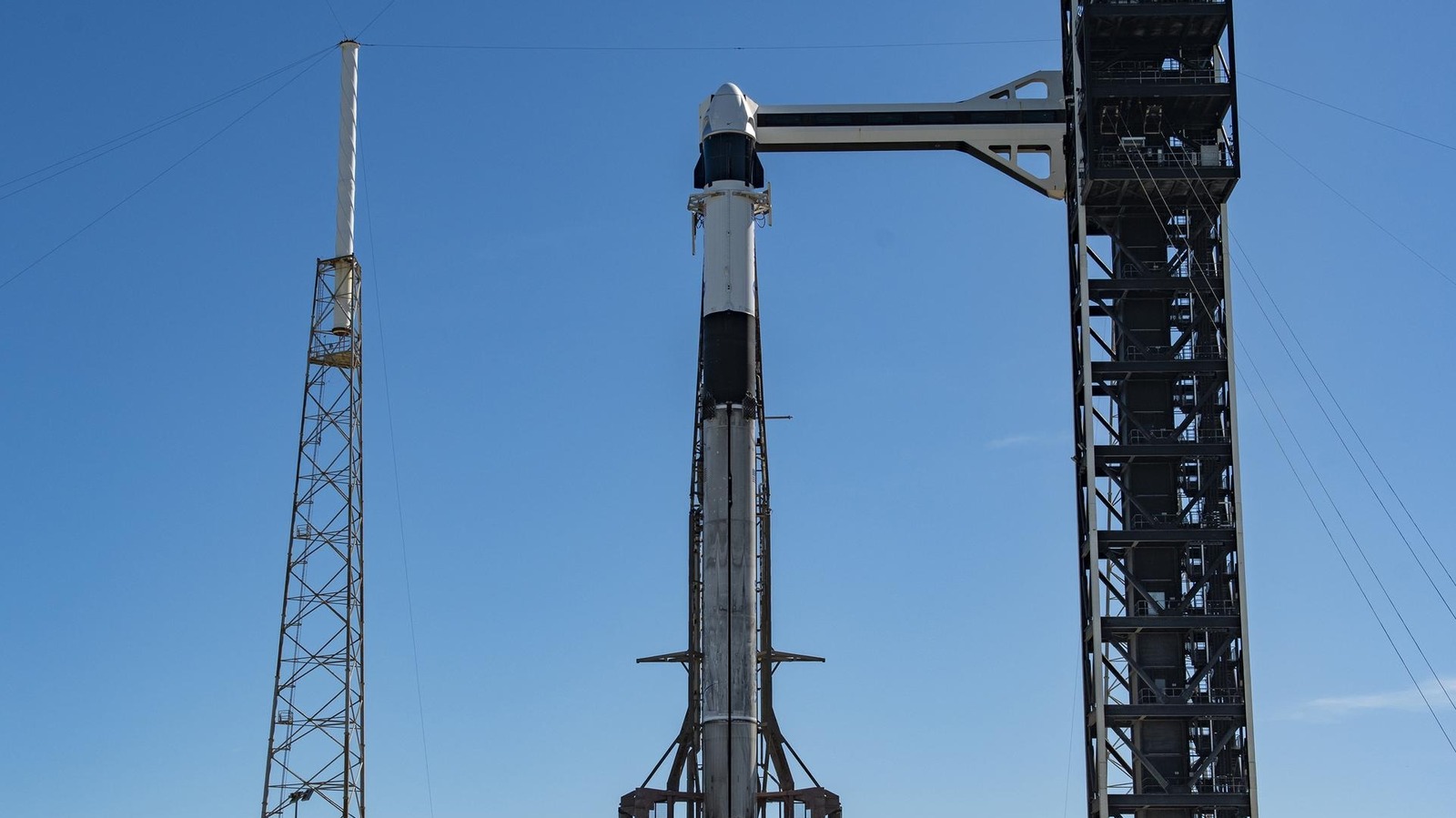
This diversification is not merely a marketing shift; it reflects deeper changes in funding models, technology, and public engagement. The Artemis II mission, commanded by Reid Wiseman, is a milestone that demonstrates how government and private sectors can collaborate to push humanity further into the solar system.
Artemis II: A Technical Milestone
Artemis II marked a new era in human spaceflight. The spacecraft, launched atop a Space Launch System (SLS) rocket, achieved a record farthest‑point distance from Earth—surpassing Apollo 13 by roughly 4,000 miles. The mission’s key technical achievements include:
- Extended EVA capabilities: The crew performed a 12‑minute extravehicular activity to test future lunar surface operations.
- Advanced life‑support systems: A new closed‑loop water recycling module reduced consumables by 30 % compared to Apollo.
- High‑bandwidth communications: Leveraging NASA’s Deep Space Network and emerging Starlink‑Mini‑style constellations, the crew maintained near‑real‑time data links with mission control.
The mission’s success underscores the feasibility of a sustained human presence on the Moon’s south pole, a region rich in water ice and potential resources. Artemis II also set the stage for Artemis III, which aims to land astronauts on the lunar surface by the mid‑2030s.
Commercial Spaceflight: From Tourism to Lunar Bases
Blue Origin’s New Shepard‑26 flight, carrying cardiologist Eiman Jahangir, exemplified the growing civilian space market. The 10‑minute suborbital hop to 65 miles altitude is a stepping stone toward more ambitious ventures:
- Mass civilian orbit: SpaceX’s Starship is designed to ferry thousands of passengers to low Earth orbit, potentially enabling orbital hotels and research labs.
- Lunar tourism: Companies like Axiom Space are developing modules that could host private visitors on the Moon’s surface.
- Resource extraction: The commercial sector is already investing in lunar mining of helium‑3 and rare earth elements, which could fuel future propulsion systems.
The commercial model also introduces new regulatory and safety challenges. For instance, the Zoom Zero‑Day exploit highlighted the vulnerability of remote collaboration tools—a risk that could affect mission‑critical communications if not mitigated. Ensuring robust cybersecurity protocols for both ground and space operations is now a top priority for agencies and private firms alike.
Cultural Reflections: Books and Public Perception
The 2026 release of three influential books—The Ultraview Effect, A Heart for Space, and Dinner with an Astronaut—provides a cultural lens on the evolving astronaut role:
- Deana L. Weibel’s The Ultraview Effect frames space exploration as an ancient pilgrimage, emphasizing the psychological impact of viewing Earth from afar. Her quote, “We go into space because we want to explore. We want to see what it’s like to walk on another world,” captures the human yearning that drives both government and private missions.
- Eiman Jahangir’s memoir chronicles the 40‑year journey from medical student to civilian astronaut, illustrating the perseverance required to break into a field once dominated by military pilots.
- Leroy Chiao and Victoria Bruce’s Dinner with an Astronaut blends historical anecdotes with forward‑looking speculation, offering readers a comprehensive view of spaceflight’s past, present, and future.
These works not only inform but also shape public expectations, influencing funding decisions and policy debates. As the public becomes more engaged—partly through platforms like YouTube, which has recently clarified its AI monetization policies—there is a growing appetite for authentic, behind‑the‑scenes content from space missions.
Industry Impact: Tech, Security, and Media
The convergence of spaceflight with other technology sectors is reshaping the industry landscape:
- Communication infrastructure: The success of Artemis II’s high‑bandwidth links demonstrates the need for resilient, low‑latency networks. Starlink Mini’s commercial availability for home users hints at the scalability of satellite constellations for deep‑space missions.
- Cybersecurity: The Zoom Zero‑Day vulnerability underscores the importance of securing remote collaboration tools used by astronauts and ground teams. Space agencies are now adopting multi‑factor authentication and hardened operating systems for all mission‑critical software.
- Content distribution: With YouTube’s new AI monetization rules, space agencies must navigate algorithmic changes to ensure that educational and scientific content remains accessible to global audiences.
These intersections create a feedback loop: advances in one domain accelerate progress in another, ultimately lowering the cost of access to space and expanding the pool of participants.
Future Outlook: 2030s Lunar Bases and Beyond
Looking ahead, the 2030s will be pivotal for establishing permanent lunar bases. Key milestones include:
- Lunar south‑pole habitat: A joint effort between NASA, ESA, CNSA, and private partners aims to deploy a modular habitat by 2035, capable of supporting 12–15 crew members for extended stays.
- Resource utilization: In‑situ resource processing (ISRU) technologies will extract water ice for life support and fuel production, reducing launch mass.
- Commercial integration: Space tourism operators will likely offer “Moon‑to‑Moon” itineraries, while research institutions will use the base as a testbed for Mars‑class systems.
The trajectory from Apollo to Artemis to commercial lunar operations illustrates a broader trend: space is becoming a shared commons, where government, industry, and individuals collaborate to push the boundaries of human exploration.
FAQ
Q: What is the significance of Artemis II’s distance record?
A: Surpassing Apollo 13 by ~4,000 miles demonstrates the capability of modern launch vehicles and spacecraft to reach deeper into space, paving the way for lunar surface missions.
Q: How does commercial spaceflight affect astronaut training?
A: Commercial operators are developing streamlined training programs that emphasize rapid skill acquisition, allowing civilians to qualify for short‑duration missions without the extensive military background traditionally required.
Q: Are there cybersecurity risks specific to space missions?
A: Yes. Remote collaboration tools, satellite communications, and onboard systems are all potential attack vectors. Recent exploits, such as the Zoom Zero‑Day vulnerability, highlight the need for hardened security protocols.
Q: Will the public be able to follow future missions in real time?
A: With the expansion of satellite constellations like Starlink Mini and the adoption of high‑bandwidth links, near‑real‑time telemetry and live video streams are becoming standard, enhancing transparency and engagement.
Q: How will lunar bases support future Mars missions?
A: Lunar habitats will serve as proving grounds for life‑support systems, ISRU technologies, and crew rotation protocols, all of which are critical for the long‑duration missions planned for Mars.
Source: Original Article