







Introduction to Autonomous Vehicles
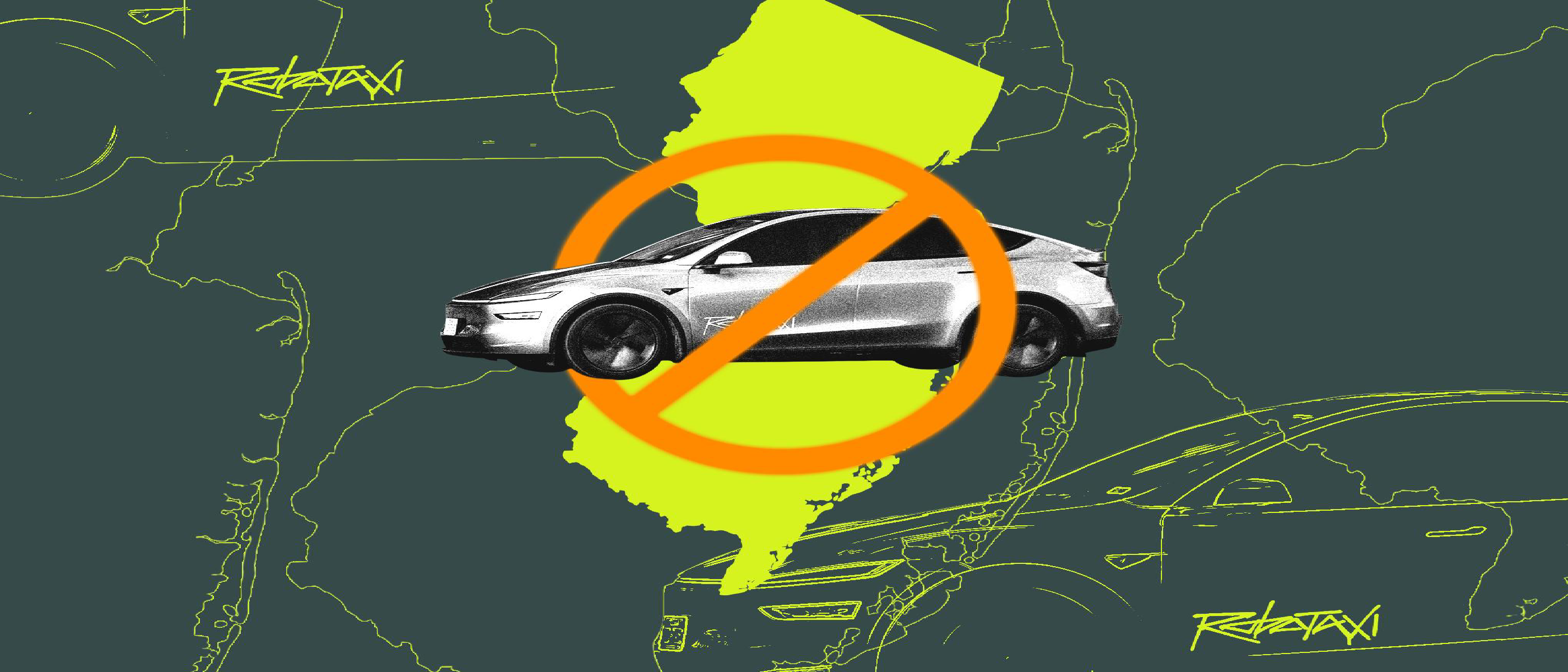
Autonomous vehicles, also known as self-driving cars, have been a topic of interest in the tech industry for several years. These vehicles use a combination of sensors, software, and hardware to navigate roads and traffic without human input. Tesla is one of the leading companies in the development of autonomous vehicles, with its Autopilot system being a key feature in its cars. However, the safety of these vehicles has been a concern for many, and recently, New Jersey lawmakers have considered banning Tesla’s autonomous vehicles due to these concerns.
The Debate Over Autonomous Vehicle Safety
The debate over the safety of autonomous vehicles centers around the use of cameras, lidar, and radar sensors. Tesla’s Autopilot system relies primarily on cameras to navigate roads and traffic, while other companies, such as Waymo, use a combination of cameras, lidar, and radar. The use of lidar and radar sensors provides a more comprehensive view of the environment, allowing the vehicle to detect and respond to obstacles more effectively. However, Tesla’s approach has been to use cameras as the primary sensor, with the belief that they can provide sufficient information for safe autonomous driving.
The Role of Cameras in Autonomous Vehicles
Cameras play a crucial role in autonomous vehicles, providing visual information about the environment. They can detect objects, such as other cars, pedestrians, and road signs, and provide information about the road layout and traffic conditions. However, cameras have limitations, such as being affected by weather conditions, lighting, and occlusions. For example, in low-light conditions, cameras may struggle to detect objects, and in heavy rain or snow, they may be unable to provide a clear view of the road.
The Importance of Lidar and Radar Sensors
Lidar and radar sensors provide additional information about the environment, allowing autonomous vehicles to detect and respond to obstacles more effectively. Lidar sensors use laser light to create a 3D map of the environment, providing detailed information about the distance and shape of objects. Radar sensors use radio waves to detect the speed and distance of objects, providing information about the movement of other vehicles and pedestrians. The combination of cameras, lidar, and radar sensors provides a more comprehensive view of the environment, allowing autonomous vehicles to navigate roads and traffic more safely.
The New Jersey Lawmakers’ Concerns
New Jersey lawmakers have expressed concerns over the safety of Tesla’s autonomous vehicles, citing the lack of lidar and radar sensors as a major issue. They believe that the use of cameras alone is not sufficient for safe autonomous driving and that the addition of lidar and radar sensors is necessary to provide a more comprehensive view of the environment. The lawmakers have proposed a bill that would ban Tesla’s autonomous vehicles in the state until they can demonstrate that their system is safe.
The Potential Impact of the Bill
If the bill is passed, it could have significant implications for Tesla and the development of autonomous vehicles. Tesla has invested heavily in its Autopilot system and has been testing its vehicles on public roads for several years. A ban on Tesla’s autonomous vehicles in New Jersey could set a precedent for other states to follow, potentially limiting the company’s ability to test and deploy its vehicles. Additionally, the bill could also impact the development of autonomous vehicles as a whole, as other companies may be hesitant to invest in the technology if there are concerns over safety.
The Broader Implications of Autonomous Vehicle Regulation
The regulation of autonomous vehicles is a complex issue, with many stakeholders involved. The development of autonomous vehicles has the potential to revolutionize the way we travel, providing a safer and more efficient way to navigate roads and traffic. However, there are also concerns over the safety and liability of these vehicles, as well as the potential impact on jobs and the economy. As such, it is essential to have a clear and comprehensive regulatory framework in place to ensure that autonomous vehicles are developed and deployed safely and responsibly.
The Role of Government in Regulating Autonomous Vehicles
Government plays a crucial role in regulating autonomous vehicles, providing a framework for the development and deployment of these vehicles. Governments can establish safety standards, provide funding for research and development, and create regulations for the testing and deployment of autonomous vehicles. However, governments must also balance the need for regulation with the need for innovation, allowing companies to develop and deploy autonomous vehicles in a way that is safe and responsible.
The Future of Autonomous Vehicles
The future of autonomous vehicles is uncertain, with many challenges and opportunities ahead. As the technology continues to evolve, we can expect to see more autonomous vehicles on the road, providing a safer and more efficient way to travel. However, there are also concerns over the safety and liability of these vehicles, as well as the potential impact on jobs and the economy. To learn more about the future of autonomous vehicles, you can check out our article on Robotaxi Recall , which discusses the potential risks and challenges of autonomous vehicle development.
The Importance of Public Education and Awareness
Public education and awareness are essential for the development and deployment of autonomous vehicles. As autonomous vehicles become more common, it is essential that the public is aware of the benefits and risks of these vehicles, as well as the regulations and laws that govern their use. By providing education and awareness, we can help to build trust and confidence in autonomous vehicles, allowing them to be developed and deployed in a way that is safe and responsible. You can also check out our article on Prime Day Live Deals to learn more about the latest deals and discounts on autonomous vehicle technology.
Frequently Asked Questions
What is the current status of autonomous vehicle regulation in New Jersey?
The current status of autonomous vehicle regulation in New Jersey is that lawmakers are considering a bill that would ban Tesla’s autonomous vehicles in the state due to concerns over safety.
What are the benefits of using lidar and radar sensors in autonomous vehicles?
The benefits of using lidar and radar sensors in autonomous vehicles include providing a more comprehensive view of the environment, allowing vehicles to detect and respond to obstacles more effectively.
How will the development of autonomous vehicles impact the economy and jobs?
The development of autonomous vehicles is likely to have a significant impact on the economy and jobs, potentially disrupting traditional industries such as transportation and logistics. However, it is also likely to create new job opportunities in fields such as software development and engineering.
What is the role of government in regulating autonomous vehicles?
The role of government in regulating autonomous vehicles is to provide a framework for the development and deployment of these vehicles, establishing safety standards and regulations for testing and deployment. You can also check out our article on Venus Aerospace’s $90M RDRE: A Rocket Engine Revolution to learn more about the latest developments in autonomous vehicle technology.
What are the potential risks and challenges of autonomous vehicle development?
The potential risks and challenges of autonomous vehicle development include concerns over safety and liability, as well as the potential impact on jobs and the economy. To learn more about the potential risks and challenges, you can check out our article on Anthropic AI Feud , which discusses the latest developments in AI and autonomous vehicle technology.
Source: Original Article