




Introduction
Foldable smartphones have moved from a speculative concept to a tangible segment of the mobile market. While they still occupy a modest 2 % of global shipments, consumer curiosity remains high: 59 % of smartphone owners express interest in the category. The allure lies in the promise of a pocket‑size device that expands into a tablet‑like screen, coupled with the novelty of a physical transformation. Yet, the technology is still maturing, raising questions about durability, cost, and software optimization. This article dissects the pros and cons, evaluates market dynamics, and projects where foldables may head next.
Why Foldables Matter
A New Form Factor Paradigm
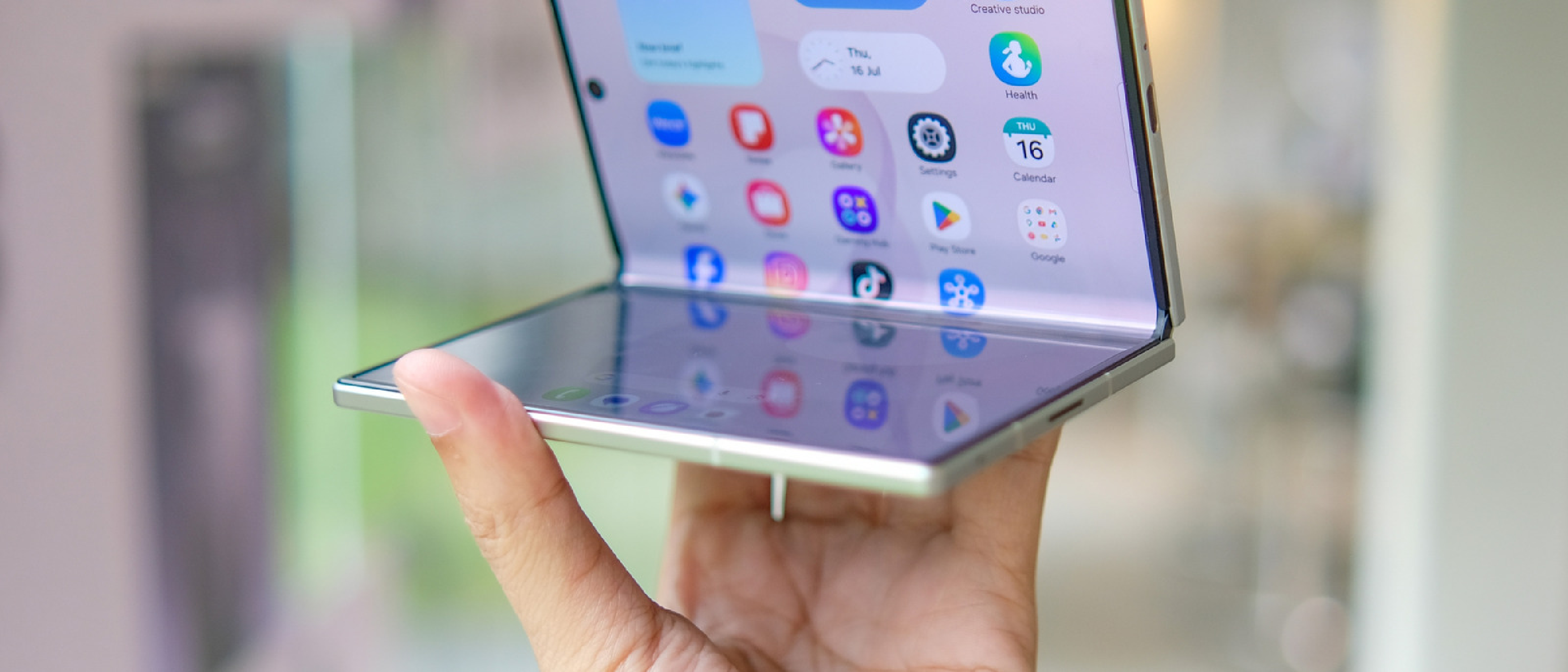
Foldables challenge the traditional “phone‑tablet” dichotomy by offering a single device that can adapt to multiple contexts. The physical versatility—folded, half‑folded, open, and tripod modes—provides a tangible advantage over static devices. For professionals who juggle productivity and media consumption, the ability to switch from a compact phone to a 7‑inch workspace without carrying a separate tablet can streamline workflows.
Market Opportunity
Despite their niche status, foldables represent a high‑margin segment. High‑end models command prices above $2,000, reflecting premium hardware and brand prestige. The market’s growth is driven by a blend of tech enthusiasts and early adopters who value the “wow” factor. Moreover, the trend aligns with broader consumer shifts toward multi‑functional devices, echoing the convergence seen in the automotive sector with solid‑state batteries—see the insights on BYD Leads the Race to Solid‑State EV Batteries by 2027 .
Technical Breakdown
Display and Hinge Mechanics
Foldable screens rely on flexible OLED or ultra‑thin glass panels that can bend without cracking. Samsung’s flagship uses a 7.6‑inch foldable OLED, while Google’s Pixel Fold offers a 7.2‑inch panel. The hinge is the critical component: it must support thousands of cycles while maintaining a smooth, low‑friction motion. Current designs incorporate a multi‑layered metal core and a polymer buffer to mitigate dust ingress, yet iFixit reports that hinge failures still occur after a few thousand cycles.
Battery and Power Management
The larger display area demands a bigger battery, often resulting in a weight exceeding 200 g for the four most popular U.S. models. Manufacturers balance battery capacity with device thickness, leading to compromises in power density. Battery technology advancements, such as those explored in the BYD Leads the Race to Solid‑State EV Batteries by 2027 article, could eventually translate to foldables, offering higher energy density without bulk.
Software Optimization
Operating systems must adapt to dynamic screen real estate. Android’s fold‑aware APIs allow apps to detect screen state and adjust layouts accordingly. However, many legacy apps still struggle to scale between the inner and outer displays, causing visual glitches. The “snap” effect—when the device closes—provides tactile feedback that enhances user experience but also demands precise firmware control to avoid misalignment.
Repairability and Security
Repairability is a major pain point. The moving parts and delicate hinges increase repair costs, and iFixit notes that many foldables are “not repairable” in the traditional sense. High repair costs, coupled with the device’s high resale value, elevate theft risk. Security concerns are amplified: a stolen foldable can expose a larger screen area, potentially increasing data exposure. For security-conscious users, this is a significant consideration, as highlighted in the Mac Antivirus Intego One discussion on protecting high‑value devices.
Market Dynamics
Pricing and Consumer Segmentation
The price ceiling of $2,000+ positions foldables squarely in the premium segment. While the “wow” factor attracts early adopters, price elasticity limits broader adoption. Manufacturers are exploring mid‑tier models with reduced feature sets to capture a wider audience, but this often comes at the cost of display size or hinge durability.
Weight and Bulk Trade‑Offs
The need for larger batteries and robust hinges results in heavier devices. The four most popular U.S. foldables weigh over 200 g, making them noticeably heavier than conventional smartphones. This weight penalty can deter users who prioritize portability, especially when compared to lightweight flagship phones.
Durability Concerns
Screen creases, hinge wear, and surface scratches are common complaints. Older models exhibit visible creases that degrade the visual experience. The flexible plastic or ultra‑thin glass surfaces are prone to scratches, and the hinge’s complex mechanism can jam when dust penetrates, despite IP ratings. These durability issues are a significant barrier to mainstream acceptance.
Consumer Perspectives
The “Wow” Factor vs. Practicality
Many users cite the physical transformation and satisfying snap as a major draw. However, the same novelty can become a distraction if the device’s performance falters. For instance, a high‑end foldable that fails to maintain consistent battery life or suffers from frequent hinge misalignments can erode consumer trust.
Repairability and Long‑Term Value
Repairability is a decisive factor for tech enthusiasts. The high cost of replacing hinges or screens, coupled with limited availability of spare parts, discourages long‑term ownership. This is echoed in the broader conversation about device longevity and repair culture, as explored in the Nicotine’s Wellness Comeback: Myths, Risks & Tech article’s discussion on sustainable consumption.
Future Outlook
Technological Advancements
Advances in flexible display materials, hinge engineering, and battery chemistry are expected to address current pain points. Solid‑state batteries, as discussed in the BYD article, could offer higher energy density and improved safety, potentially reducing weight while extending battery life.
Software Ecosystem Maturation
Operating systems will likely evolve to provide more robust fold‑aware APIs, enabling developers to create native experiences that seamlessly transition between screen states. This will mitigate current software issues and unlock new use cases, such as multi‑window productivity and immersive media consumption.
Market Expansion
If manufacturers can reduce costs and improve durability, foldables could move beyond the premium segment. Mid‑tier models with smaller displays and simplified hinge mechanisms may appeal to a broader demographic, driving adoption rates beyond the current 2 % market share.
Frequently Asked Questions
Q: Are foldable phones more expensive than regular smartphones?
A: Yes. High‑end foldables typically start at $2,000+, reflecting premium materials and complex engineering.
Q: How durable are foldable hinges?
A: Current hinges can endure thousands of cycles, but real‑world usage often leads to wear and tear, especially in dusty environments.
Q: Can I repair a foldable phone myself?
A: Repairability is limited. Many components are proprietary, and iFixit reports that most foldables are “not repairable” in the traditional sense.
Q: Will foldables replace tablets?
A: Foldables offer a hybrid experience, but they may not fully replace tablets due to size, weight, and cost considerations.
Q: Are foldables secure?
A: Security depends on device-specific features. High repair costs and theft risk can be mitigated with robust lock screens and remote wipe capabilities.
Conclusion
Foldable smartphones embody a bold leap in mobile design, merging the convenience of a phone with the versatility of a tablet. Their unique advantages—dynamic display size, multitasking capabilities, and the tactile “snap”—are tempered by significant drawbacks: durability concerns, high cost, and limited repairability. As the industry refines hinge mechanics, battery technology, and software integration, foldables may transition from niche luxury items to mainstream staples. For now, they remain a compelling, albeit
…compelling, albeit still a premium niche product that may not yet justify its price tag for the average consumer. The technology is undeniably exciting, but the trade‑offs—extra weight, a higher likelihood of screen creases, and costly repairs—mean that prospective buyers should weigh novelty against practicality.
Bottom Line
- If you value innovation above all else and are willing to invest in a device that feels like a glimpse of the future, a foldable phone can deliver a unique user experience that no conventional smartphone can match.
- If durability, repairability, and budget are top priorities, a traditional flagship phone remains the safer bet until the next generation of foldables addresses the current shortcomings.
In short, foldables are poised to become more than a curiosity, but the path to mass‑market adoption will require breakthroughs in materials, hinge engineering, and cost efficiencies.
Recommendations for Potential Buyers
| Scenario | Recommended Approach |
|---|---|
| Early‑adopter tech enthusiast | Go for the latest flagship model (e.g., Samsung Galaxy Z Fold 5 or Google Pixel Fold) to experience the most refined hinge and software support. |
| Professional who needs multitasking | Prioritize devices with strong OS fold‑aware features and a robust battery life; consider accessories like a magnetic case that protects the hinge. |
| Budget‑conscious consumer | Wait for the next cycle of mid‑tier foldables, which are expected to launch within 12‑18 months with lower price points and simplified hinge designs. |
| Repair‑oriented user | Stick with conventional smartphones for now; if you must buy a foldable, purchase an extended warranty or insurance plan that covers hinge and screen damage. |
What to Watch in the Coming Years
- Material Innovations – Companies are experimenting with graphene‑reinforced ultra‑thin glass and polymer composites that could reduce creasing and improve scratch resistance.
- Hinge Simplification – New “single‑piece” hinge concepts aim to eliminate dust ingress points, potentially boosting durability and IP ratings.
- Battery Breakthroughs – Solid‑state and lithium‑silicon batteries promise higher energy density, which could shave off grams and extend screen‑on time.
- Software Maturity – Android 15+ and upcoming iOS foldable support (rumored for a future Apple “Flex” device) will likely bring more seamless app scaling and native multi‑window experiences.
- Ecosystem Expansion – Accessories such as detachable keyboards, stylus pens, and magnetic docks are being designed specifically for foldables, further blurring the line between phone and laptop.
Final Thoughts
Foldable smartphones sit at the intersection of design daring and engineering pragmatism. Their ability to morph from a pocket‑sized phone into a tablet‑sized canvas is a tangible demonstration of how far mobile hardware has come. Yet, the current generation still wrestles with the classic engineering triad of cost, durability, and weight. As manufacturers iterate and supply chains mature, we can expect the next wave of foldables to be thinner, lighter, and more affordable—potentially nudging the market share well beyond the modest 2 % it occupies today.
For now, treat a foldable as a statement device: a showcase of what’s possible, rather than a replacement for every daily need. If the novelty and productivity gains align with your workflow and you’re comfortable with the premium price, it can be a rewarding purchase. Otherwise, keep an eye on upcoming releases; the technology is evolving rapidly, and the “next‑gen” foldable may finally strike the right balance between wow factor and real‑world practicality.
Source: Original Article