







Why a Built‑in Microphone Matters
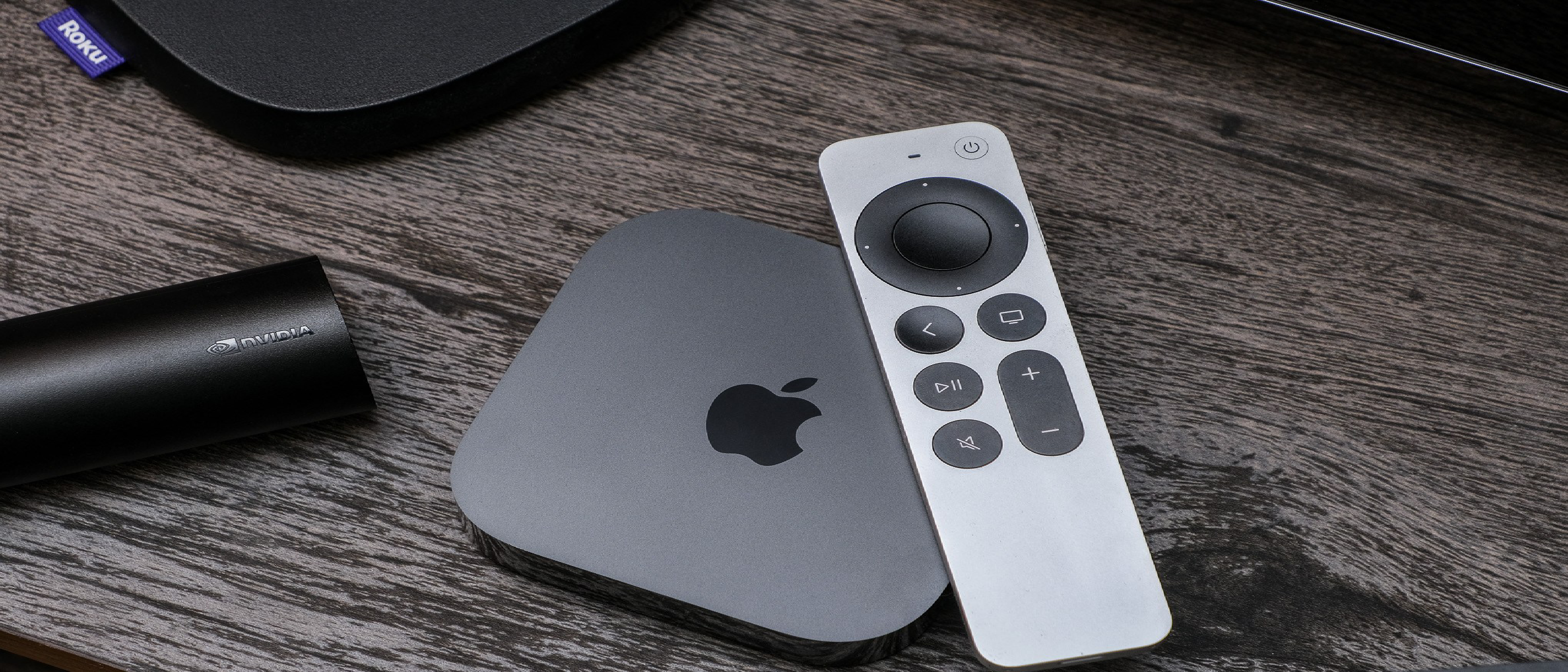
Apple’s decision to embed a microphone directly into the Apple TV set‑top box would shift the balance of voice interaction from the remote to the device itself. Currently, users rely on the Siri Remote or an external Home Pod to issue voice commands. A built‑in mic eliminates the need to point a remote or place a separate speaker in the room, streamlining the user experience.
- Reduced friction: Voice commands can be issued from any angle, without aligning the remote.
- Improved accessibility: Users with limited mobility can control the TV without handling a remote.
- Consistent audio quality: The microphone can be positioned optimally within the TV chassis, potentially offering clearer pickup than a handheld remote.
This move aligns with broader industry trends where manufacturers are integrating voice hardware directly into media devices. It also dovetails with the ongoing conversation about the future of voice AI, as highlighted in the article “ Voice AI Still Awaits Its ChatGPT Moment, Execs Say ”.
Speaker‑Enabled Remote: A New UX Layer
The rumored remote upgrade introduces an integrated speaker capable of emitting an audible alert. While the primary function is to help locate a misplaced remote, the feature opens doors to richer interactions.
- Audio feedback: The remote can confirm command receipt or provide status updates (e.g., “Volume set to 20%”).
- Accessibility cues: Users with visual impairments can receive spoken prompts.
- Future expansion: The speaker could host voice assistant responses directly from the remote, reducing latency.
Apple’s approach mirrors the Home Pod’s use of a speaker for Siri interactions, but now the remote itself becomes a mini‑assistant. This design choice could influence how other manufacturers approach remote ergonomics and functionality.
Technical Breakdown of Voice Integration
Embedding a microphone and speaker into Apple TV and its remote requires careful hardware and software coordination:
Hardware placement
- The mic must be positioned to capture ambient sound while minimizing interference from the TV’s internal fans and speakers.
- The speaker in the remote needs to be small enough to fit the ergonomic design yet powerful enough for clear alerts.
Signal processing
- On‑device noise cancellation will be essential to filter out background TV audio.
- Low‑latency audio pipelines ensure that voice commands are transmitted to Siri with minimal delay.
Software stack
- The Apple TV OS will need to expose new APIs for the built‑in mic, allowing apps to request voice input.
- Siri’s natural language processing engine must be optimized for the TV’s hardware constraints.
Power management
- Continuous mic listening can drain battery in the remote; adaptive wake‑up mechanisms will likely be employed.
These technical considerations echo the challenges discussed in “ Zoom Annotation Flaw Patched After AI‑Prompt Exploit ”, where developers had to balance AI capabilities with security and performance.
Smart‑Home Hub Potential
Rumors suggest the Apple TV could serve as a simple smart‑home hub, controlling thermostats, locks, and other IoT devices via voice. While Apple’s HomeKit ecosystem already supports such interactions, a built‑in mic would make the TV a central voice interface.
- Unified control: Users could manage home devices from the living room without pulling out a phone.
- Contextual automation: The TV could trigger smart‑home scenes based on media consumption (e.g., dim lights when a movie starts).
- Reduced device clutter: One hub replaces multiple remote‑controlled gadgets.
This potential aligns with the broader trend of integrating media devices into the smart‑home fabric, a topic explored in the AI rebranding article “ Trump Pushes ‘Super Intelligence’ Rebrand, Musk Follows ”.
Security and Privacy Considerations
Adding a microphone and speaker raises legitimate concerns about data collection and device security. Apple’s track record suggests a strong emphasis on privacy, but the following points warrant attention:
- Data handling: Voice data should be processed locally whenever possible, with minimal transmission to Apple servers.
- User consent: Clear prompts and settings must allow users to opt in or out of voice recording.
- Firmware integrity: Secure boot and signed firmware updates will protect against unauthorized modifications.
- Remote takeover risks: The inclusion of voice interfaces can expose new attack vectors, similar to the vulnerabilities highlighted in “ Zoom Zero‑Day Exploit: Remote Takeover of iPhone & Mac ”.
Apple’s commitment to privacy, demonstrated in past product releases, will likely shape how these features are implemented.
Future Outlook and Industry Impact
If Apple confirms the built‑in microphone and speaker‑enabled remote, the ripple effects could be significant:
- Competitive pressure: Other manufacturers may accelerate their own voice‑enabled media devices.
- Ecosystem expansion: A TV‑centric voice hub could encourage developers to create new HomeKit scenes tied to media consumption.
- User expectations: Consumers may begin to expect seamless voice control as a baseline feature, not a premium add‑on.
The industry will watch closely to see how Apple balances convenience, privacy, and security in this next iteration of the Apple TV.
FAQ
Q: Will the built‑in microphone replace the Siri Remote entirely?
A: No. The remote will still be necessary for navigation and other functions, but the mic will allow voice commands without pointing the remote.
Q: How will the speaker‑enabled remote locate itself?
A: The remote will emit a distinct audible tone when the user presses a dedicated button, helping locate it under furniture or in a child’s reach.
Q: Will the Apple TV act as a full smart‑home hub?
A: Rumors suggest it could control basic smart‑home devices, but it will likely remain a simplified hub rather than a full‑featured controller.
Q: Are there privacy concerns with a built‑in mic?
A: Apple emphasizes local processing and user consent. However, users should review privacy settings to ensure they are comfortable with voice data handling.
Q: When will these features be available?
A: No official release date has been announced. Apple typically unveils new hardware in the fall, but confirmation is pending.
Source: Original Article