




Why the Foldable iPhone Matters
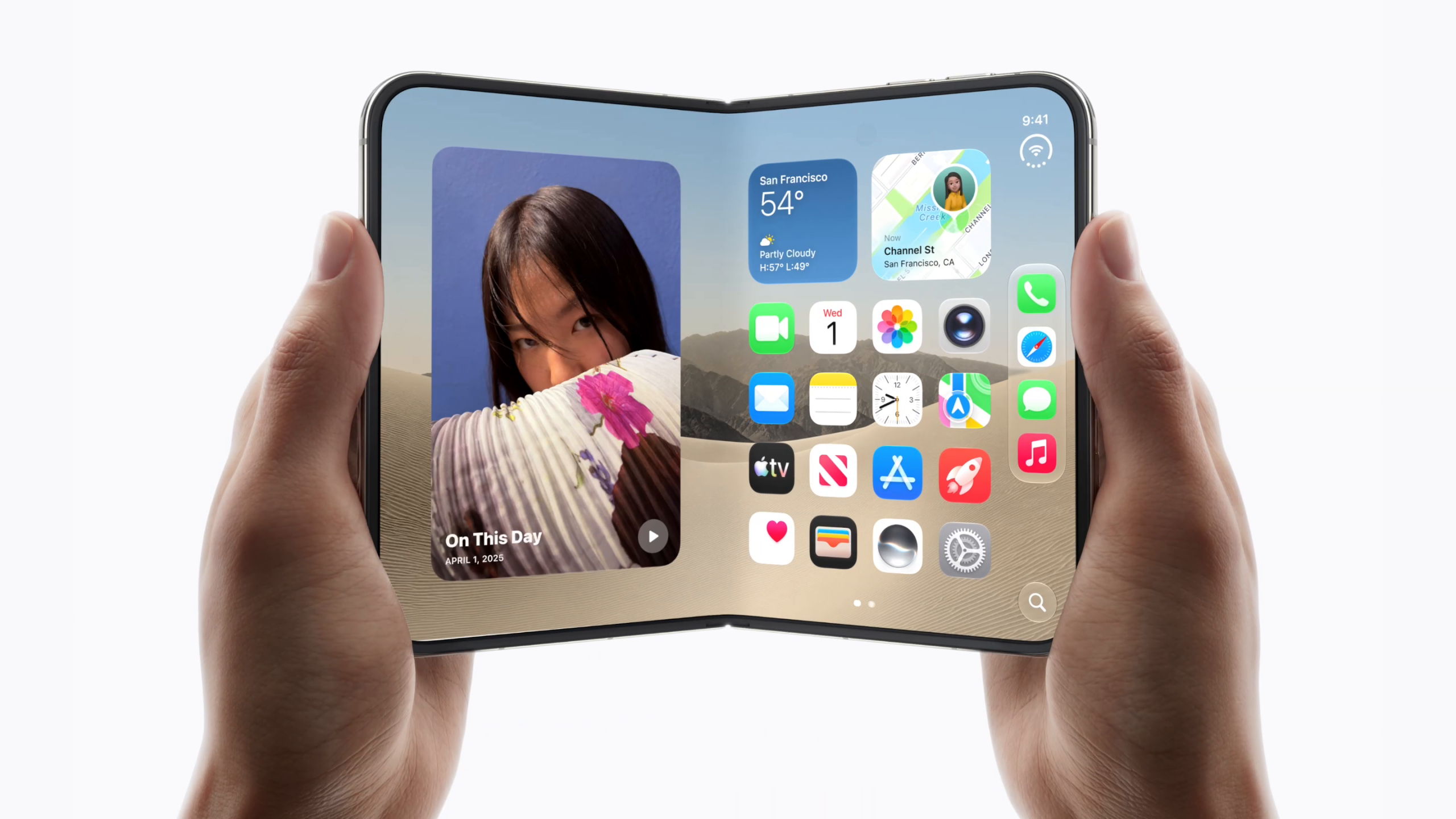
Apple’s foray into foldable smartphones with the iPhone Duo represents a bold pivot from its long-standing single‑screen paradigm. While the concept of a device that morphs between a compact phone and a tablet has existed for years, Apple’s execution introduces a new set of trade‑offs that could reshape user expectations. The core question is not whether the technology works, but whether the added flexibility translates into tangible value for everyday consumers.
Key considerations include:
- Screen real estate vs. ergonomics – The Duo’s inner display is larger, but the device’s width and thickness increase noticeably, making one‑handed use challenging.
- Biometric shift – Transitioning from Face ID to Touch ID on a foldable chassis raises questions about security and convenience.
- Camera performance – Early reports suggest the camera system may not match the quality of conventional iPhones, potentially limiting its appeal for photography‑centric users.
- Price premium – A higher price point is expected, which could narrow the target demographic to power users and early adopters.
These factors underscore the importance of evaluating the Duo not just as a novelty, but as a potential new category in Apple’s product lineup.
Technical Breakdown of the iPhone Duo
Apple’s engineering team has tackled several challenges inherent to foldable displays. Below is a concise technical overview of the Duo’s most noteworthy features.
Display Architecture
- Dual‑panel system – An outer display for standard phone use and an inner, larger panel that unfolds into a tablet‑like experience.
- Nano‑texture finish – A proprietary coating that balances glare reduction with a glossy aesthetic, aiming to preserve color fidelity across both panels.
- Crease management – The fold line is engineered to minimize visual distortion, though early impressions note subtle crease visibility during prolonged use.
Biometric and Security
- Touch ID integration – Replacing Face ID, the Duo employs a capacitive fingerprint sensor embedded in the rear. This choice aligns with the need for a reliable sensor that can withstand repeated folding cycles.
- Face ID fallback – While not standard, the device may support Face ID via an external accessory or software workaround, though this remains speculative.
Camera System
- Trade‑offs – The camera module is slightly reduced in size to accommodate the foldable chassis, potentially affecting sensor resolution and low‑light performance.
- Software optimization – iOS 27 is expected to include image‑processing tweaks tailored to the Duo’s unique hardware constraints.
Battery and Power Management
- Dual‑battery strategy – Two smaller cells are distributed across the device to balance weight and maintain a slim profile.
- Adaptive charging – The Duo can switch between charging modes depending on whether it is folded or unfolded, optimizing power draw.
AirPods 5: Audio Evolution
Apple’s AirPods 5 continue the company’s pursuit of a seamless audio experience. While the core design remains familiar, several refinements set this iteration apart.
Active Noise Cancellation (ANC)
- Improved ANC – Enhanced algorithms reduce ambient noise more effectively, especially in mid‑frequency ranges that previously leaked through.
- Adaptive listening – The earbuds detect user activity and adjust ANC levels accordingly, providing a more natural listening environment.
Ear Tip Design
- Non‑silicone tips – A new material offers a firmer fit for users who struggled with the silicone tips of the AirPods Pro, improving comfort during extended wear.
Integration with iOS 27
- Equalizer controls – iOS 27 introduces an equalizer that allows users to fine‑tune bass, mids, and treble, addressing the tendency for some listeners to perceive an overly bass‑heavy sound profile.
Apple Watch Series 12: Health‑Centric Refresh
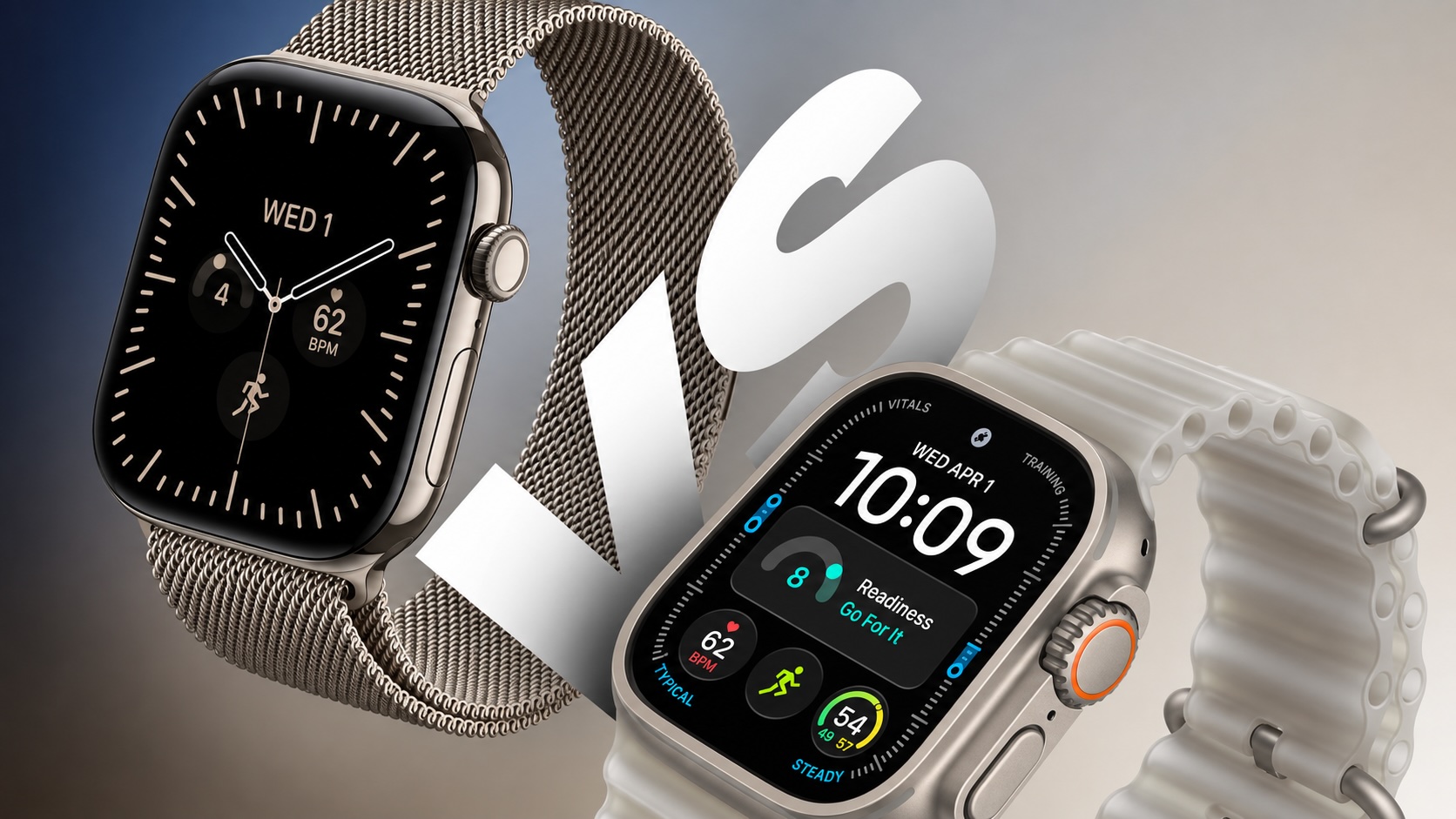
The Apple Watch Series 12 marks a subtle yet meaningful shift toward health data presentation. Its redesigned Health app offers clearer visualization and new longevity metrics.
Health App Enhancements
- Data clarity – Graphs and summaries are reorganized for easier interpretation, reducing cognitive load for users monitoring multiple health metrics.
- Longevity insights – The watch now provides estimates of expected lifespan for key health indicators, encouraging proactive management.
Core Features
- Standard fitness tracking – Steps, heart rate, and sleep monitoring remain unchanged, ensuring continuity for existing users.
- New metrics – While not detailed in the summary, the Series 12 likely includes additional health sensors or software features aligned with Apple’s broader health strategy.
Industry Impact and Future Outlook
Apple’s entry into foldable smartphones and incremental upgrades to its audio and wearables ecosystem signal a broader trend toward hybrid devices that blur the lines between categories.
Market Positioning
- Competitive landscape – Samsung and Huawei have long dominated the foldable market; Apple’s late arrival could either capture a niche segment or prompt a price war.
- Retail strategy – Insights from Ron Johnson’s New Book Reveals Apple Retail Secrets suggest Apple may leverage its retail network to educate consumers on the Duo’s benefits, potentially mitigating the learning curve associated with foldable technology.
Ecosystem Synergy
- Cross‑device integration – The Duo’s ability to function as both a phone and a tablet could deepen integration with iPadOS, encouraging users to adopt a unified workflow across devices.
- Accessory ecosystem – The MacRumors & iMazing Giveaway: Win iPhone Duo + Software highlights the potential for third‑party developers to create accessories that enhance the Duo’s versatility.
Long‑Term Viability
- Durability concerns – The longevity of foldable displays remains a critical factor; Apple’s engineering choices will determine whether the Duo can withstand everyday wear.
- Software evolution – Future iOS releases will need to optimize multitasking and app scaling to fully exploit the Duo’s dual‑screen capabilities.
For those interested in the iPhone 18 Pro camera advancements, the Apple Teams With ROSÉ to Spotlight iPhone 18 Pro Cameras article provides deeper insight into Apple’s camera strategy.
FAQ
Q: Will the iPhone Duo support Face ID?
A: The Duo replaces Face ID with Touch ID due to the foldable design, though alternative solutions may emerge in future iterations.
Q: How does the AirPods 5’s ANC compare to the AirPods Pro?
A: The AirPods 5 feature improved ANC, particularly in mid‑frequency ranges, but lack the spatial audio capabilities of the Pro model.
Q: Does the Apple Watch Series 12 introduce new health sensors?
A: The summary does not mention new hardware sensors; the focus is on software enhancements to the Health app.
Q: Is the iPhone Duo heavier than a standard iPhone?
A: Yes, the Duo’s larger inner display and dual‑battery architecture increase weight and thickness compared to conventional iPhones.
Q: Where can I learn more about Apple’s retail strategy for new devices?
A: Ron Johnson’s New Book Reveals Apple Retail Secrets offers an in‑depth look at Apple’s approach to product launches and customer education.
Source: Original Article