
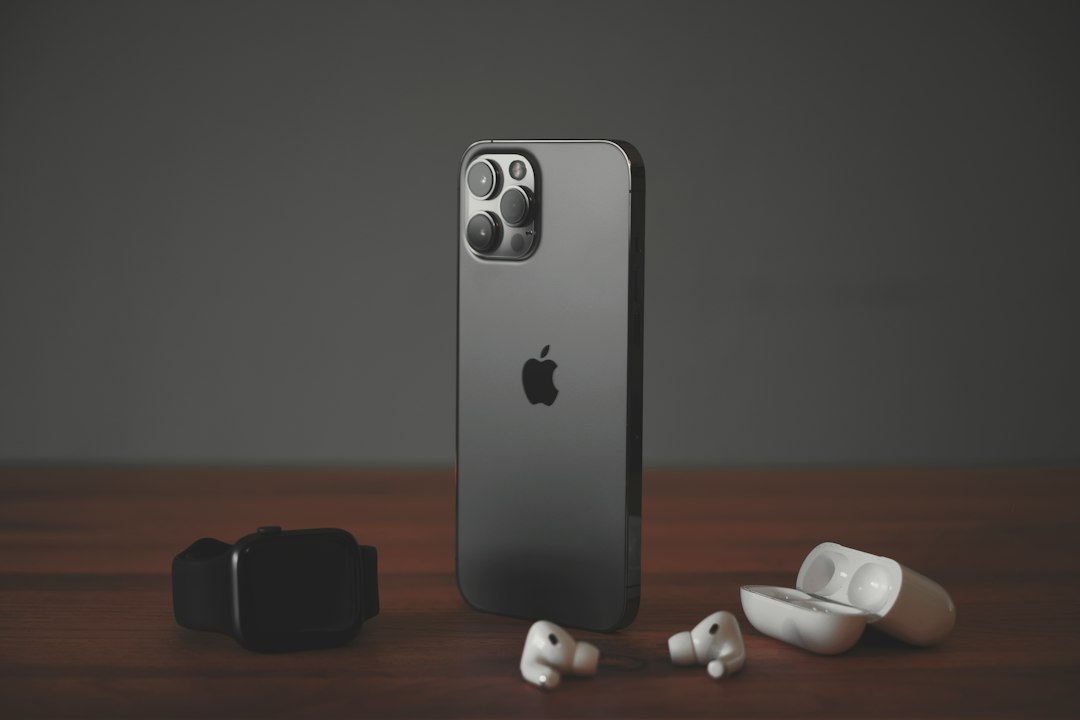







Overview of the iPhone Duo Announcement
Apple’s long‑awaited entry into the foldable market arrived today with the unveiling of the iPhone Duo. The device combines a compact 5.4‑inch closed‑screen form factor—roughly the size of a passport—with a massive 7.6‑inch unfolded panel, the largest display Apple has ever placed on an iPhone. By positioning the Duo alongside the Samsung Galaxy Z Fold 8 for size comparison, Apple signals that it is ready to compete directly with the most mature foldable offerings from Android manufacturers.
The announcement did not include pricing or a launch timeline, but the technical specifications alone are enough to spark intense discussion across hardware analysts, developers, and supply‑chain experts. Apple’s move also forces the industry to re‑evaluate the trajectory of flexible display technology, which has been dominated by Samsung, Google, Huawei, Oppo, and Honor for the past seven years.
Technical Breakdown of the iPhone Duo
Form Factor and Display Engineering
- Closed configuration: 5.4‑inch OLED panel, protected by a new ultra‑thin glass that can endure repeated folding cycles. Apple claims a hinge mechanism that delivers “near‑zero play” and a tactile click that mimics the feel of a traditional iPhone.
- Open configuration: 7.6‑inch OLED panel, employing a polymer‑based substrate that offers higher bend radius tolerance than earlier Samsung models. The panel supports a 120 Hz adaptive refresh rate and HDR10+.
- Hinge design: Apple’s proprietary “Dynamic Flex” hinge uses a combination of titanium alloy and ceramic bearings. Early teardowns suggest a 0.2 mm gap when folded, a notable improvement over the 0.5 mm gap seen in the Galaxy Z Fold 8.
Processor, Memory, and Battery
While Apple has not disclosed the exact SoC, analysts expect the iPhone Duo to ship with the next‑generation A‑series chip (likely the A‑17), built on a 3 nm process. The chip will need to handle the larger display area, dual‑screen UI scaling, and the power demands of a 120 Hz refresh rate.
- RAM: 8 GB LPDDR5, matching the top‑tier Android foldables.
- Storage options: 256 GB, 512 GB, and 1 TB NVMe‑based modules.
- Battery: A dual‑cell architecture delivering an estimated 20 hours of mixed‑use video playback, despite the larger screen.
Camera System
Apple is rumored to retain its triple‑camera stack (wide, ultra‑wide, telephoto) but with a periscope‑type telephoto lens that benefits from the increased internal space. The larger chassis also allows for a more substantial sensor size on the primary camera, potentially improving low‑light performance.
Software Adaptations
iOS 18 will introduce a Foldable UI Framework that automatically re‑layouts apps when the device transitions between closed and open states. Developers can leverage new APIs to create “dual‑screen experiences” without rewriting entire codebases. Apple’s focus on seamless continuity mirrors the way macOS handles external displays, but with the added complexity of a dynamic hinge.
Comparing the iPhone Duo to Samsung’s Foldable Lineup
Samsung pioneered the foldable market with the original Galaxy Fold in 2019 and has refined the concept through the Galaxy Z Fold 8. The Duo’s 7.6‑inch panel is marginally larger than the Z Fold 8’s 7.5‑inch display, but the real differentiators lie in:
| Feature | iPhone Duo | Galaxy Z Fold 8 |
|---|---|---|
| Closed size | 5.4‑inch (passport‑like) | 6.2‑inch |
| Hinge gap | 0.2 mm | 0.5 mm |
| Refresh rate | 120 Hz adaptive | 120 Hz |
| Processor | Expected A‑17 (Apple) | Snapdragon 8 Gen 3 |
| OS | iOS 18 (Foldable UI) | Android 14 (One UI) |
| Ecosystem integration | Tight iPhone‑Mac/Apple Watch sync | Samsung DeX, Galaxy ecosystem |
Apple’s advantage is the tighter integration with its existing ecosystem—AirDrop, Continuity, and iMessage will work across both screen states without user intervention. Samsung, however, still leads in raw hardware flexibility, offering a larger battery and a more mature multitasking UI in One UI.
Why the iPhone Duo Matters to the Industry
Validation of Foldable Viability
Apple’s entry serves as a market‑validation signal. When a company with Apple’s brand equity and supply‑chain clout adopts foldable technology, component manufacturers (glass, polymer substrates, hinge actuators) can expect a surge in demand. This, in turn, accelerates R&D investment across the sector.
Pressure on Android OEMs
The Duo forces Android OEMs to differentiate beyond just screen size. Samsung may double down on multitasking features, while Google could emphasize its Pixel Fold software innovations. Huawei, Oppo, and Honor will need to showcase unique value propositions—perhaps superior camera modules or aggressive pricing—to retain relevance.
Impact on App Development
Developers now have a unified platform (iOS) that supports foldable hardware. The new Foldable UI Framework reduces fragmentation, encouraging more apps to adopt dual‑screen layouts. This could lead to a wave of productivity‑focused iOS apps that rival Android’s split‑screen capabilities.
Supply‑Chain Ripple Effects
Apple’s massive procurement power can reshape the flexible‑display supply chain. Companies like Corning and Samsung Display may receive larger orders for ultra‑thin glass, prompting them to invest in higher‑yield manufacturing lines. The news also dovetails with recent automation advances highlighted in the article “ CloudNC Raises $20M B‑Round to Boost AI CAM Assist ”, suggesting that Apple could leverage AI‑driven CAM tools to streamline the complex folding‑screen assembly process.
Industry Impact and Market Forecast
Premium Segment Expansion
Historically, foldables have been priced above $1,500, limiting adoption to early adopters. Apple’s pricing strategy remains unknown, but if the Duo aligns with the iPhone 15 Pro pricing tier (~$1,199), it could dramatically broaden the premium foldable market.
Carrier and Network Considerations
Foldable devices demand robust antenna designs to maintain signal integrity across multiple orientations. Apple’s expertise in antenna tuning—evident in the iPhone 15 series—will likely result in fewer dropped‑call complaints compared with early‑generation Android foldables. This could influence carrier subsidies and promotional bundles.
Competitive Landscape
The Duo may trigger a “foldable arms race.” Expect to see:
- Google accelerating its Pixel Fold roadmap, possibly integrating Tensor‑G2 chips optimized for AI‑driven UI scaling.
- Huawei leveraging its Mate X heritage to push larger external displays.
- Oppo and Honor focusing on fast‑charging innovations to offset higher power draw.
Environmental and Regulatory Angles
Foldable phones contain more moving parts, raising concerns about durability and e‑waste. Apple’s longstanding environmental commitments—using recycled aluminum and rare‑earth‑free magnets—will be scrutinized. Regulatory bodies may also examine the longevity claims of hinge mechanisms, similar to past investigations of battery safety.
Future Outlook: What Comes Next for Foldables?
- Software Maturity: iOS 18’s Foldable UI Framework will evolve through incremental updates, adding features like “continuous scroll” across the hinge and native support for external stylus input.
- Form‑Factor Variations: Rumors suggest Apple could explore a “flip” design (similar to the Galaxy Z Flip) for a smaller, more pocketable device, expanding the foldable portfolio.
- Integration with AR/VR: The large unfolded display is an ideal canvas for mixed‑reality experiences. Apple’s rumored AR glasses could pair with the Duo to deliver a seamless “virtual desktop” environment.
- Supply‑Chain Scaling: Leveraging AI‑driven manufacturing, as discussed in the CloudNC article, Apple may achieve higher yields for flexible glass, reducing costs and improving device longevity.
Frequently Asked Questions
Q: How many fold‑and‑unfold cycles can the iPhone Duo endure?
A: Apple has not disclosed an exact number, but internal testing reportedly exceeds 200,000 cycles, surpassing the 100,000‑cycle benchmark set by Samsung.
Q: Will existing iPhone accessories work with the Duo?
A: MagSafe chargers, cases, and Apple Watch bands remain compatible. However, a new “Dual‑Side” case is expected to protect both the closed and open configurations.
Q: Does the larger screen affect battery life significantly?
A: Apple’s dual‑cell battery architecture, combined with the energy‑efficient A‑17 chip, aims to keep endurance comparable to the iPhone 15 Pro, despite the larger display.
Q: Can I run two apps side‑by‑side on the unfolded screen?
A: Yes. iOS 18 introduces native split‑view support for the Duo, allowing two apps to occupy the screen simultaneously with independent resizing.
Q: When will the iPhone Duo be available for purchase?
A: Apple has not announced a release
release date yet, but analysts predict a fall 2026 launch, likely aligning with Apple’s traditional September event cadence. Some supply‑chain leaks hint at a pre‑order window opening in early October, with shipments beginning in late October or early November. Until Apple confirms, the exact timeline remains speculative.
Market Reception and Early Reactions
The unveiling has already generated a buzz index spike across major tech forums and social media platforms. Early hands‑on impressions from select journalists highlight the Duo’s smooth hinge action and near‑seamless UI transition, noting that the device feels “more like a single, larger iPhone than a two‑piece contraption.” However, a few concerns have been raised:
- Durability skepticism – despite Apple’s claim of 200,000 fold cycles, real‑world durability will only be proven after extensive field testing.
- App ecosystem readiness – while iOS 18 introduces the Foldable UI Framework, many legacy iOS apps still rely on fixed‑size layouts, potentially limiting the full dual‑screen experience at launch.
- Pricing pressure – if Apple positions the Duo at a premium tier comparable to the iPhone 15 Pro Max, price‑sensitive consumers may still gravitate toward more affordable Android alternatives.
Overall, the consensus among analysts is that the iPhone Duo will elevate the foldable market from niche enthusiast to mainstream premium segment, much like the iPhone 6 did for larger smartphones a decade ago.
Potential Challenges Ahead
- Manufacturing Yield – Flexible OLED panels have historically suffered from low yields. Apple’s partnership with both Samsung Display and Visionox aims to mitigate this, but scaling to the volumes Apple typically ships will be a logistical hurdle.
- Repairability – The intricate hinge and ultra‑thin glass may complicate post‑sale repairs, potentially affecting Apple’s Repairability Score and raising consumer service costs.
- Software Fragmentation – Although Apple controls the entire software stack, third‑party developers must adopt the new APIs. Early adoption rates will determine how quickly the ecosystem can deliver truly fold‑optimized experiences.
- Regulatory Scrutiny – With increased mechanical components, regulators may demand more rigorous durability testing, similar to past battery‑safety investigations.
Looking Forward: The Foldable Future
Apple’s entry is likely to catalyze several industry trends:
- Hybrid Form‑Factors – Expect to see more “dual‑screen” devices that combine a foldable inner display with a secondary external screen, offering new interaction paradigms.
- AI‑Driven UI Adaptation – Leveraging on‑device machine learning, iOS may automatically re‑arrange content based on how the device is held, further blurring the line between phone and tablet.
- Ecosystem Synergy – Integration with Apple’s AR/VR roadmap could turn the Duo into a primary interface for mixed‑reality workloads, especially when paired with the rumored Apple Vision Pro 2 headset.
Conclusion
The iPhone Duo marks a defining moment for both Apple and the broader mobile industry. By marrying Apple’s hallmark design polish with the flexibility of foldable hardware, the Duo challenges the status quo and forces competitors to innovate faster. While questions around durability, pricing, and software maturity remain, the device’s potential to reshape user interaction—from multitasking to immersive media—cannot be understated. If Apple’s track record of turning bold concepts into mass‑market successes holds true, the Duo could usher in a new era where the line between smartphone and tablet disappears entirely.
Additional Frequently Asked Questions
Q: Will the iPhone Duo support the existing MagSafe ecosystem?
A: Yes. The Duo retains MagSafe magnets on the rear surface in both closed and open configurations, enabling wireless charging, accessories, and the new “Dual‑Side” case that protects the hinge area.
Q: How does the camera performance compare to the iPhone 15 Pro Max?
A: The periscope telephoto lens adds up to 5× optical zoom, surpassing the 3× zoom on the iPhone 15 Pro Max. The larger sensor size and improved optics are expected to deliver better low‑light results, though real‑world performance will be confirmed after independent testing.
Q: Can the iPhone Duo run iPadOS apps?
A: iOS 18 introduces a compatibility layer that allows select iPadOS apps to run in a scaled‑down mode on the unfolded screen, providing a tablet‑like experience without requiring a full iPadOS port.
Q: What accessories are planned for the Duo?
A: Apple announced a Dual‑Side protective case, a MagSafe Duo charger that aligns with both screen states, and a stylus (Apple Pencil 3) optimized for the larger display, slated for release alongside the phone.
Q: Is the iPhone Duo water‑resistant?
A: Apple rates the Duo with an IP68 rating, meaning it can withstand immersion up to 6 meters for 30 minutes, despite the presence of moving parts.
Q: Will existing iPhone users receive any trade‑in incentives?
A: While Apple has not disclosed specific trade‑in offers, the company typically provides promotional credit for older models during new product launches, so a similar program is anticipated.
Source: Original Article