



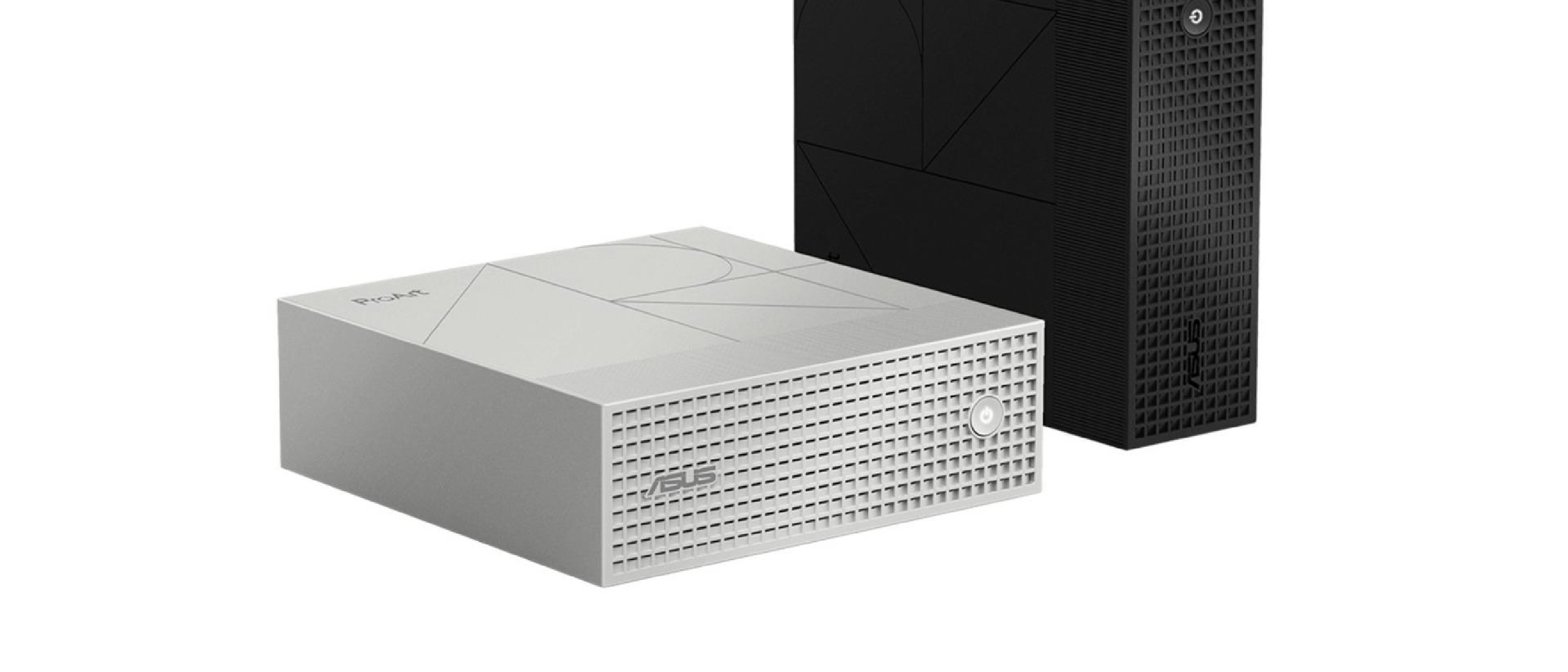
Overview of the RTX Spark Mini PC Lineup
Today marks a pivotal moment for compact high‑performance computing: Nvidia’s RTX Spark N1X chip powers the first generation of RTX Spark mini PCs. Three OEMs—Asus, Dell and MSI—have released fully‑configured desktop‑form factor machines, while Acer, Gigabyte and HP have announced forthcoming variants. Microsoft also joins the ecosystem with the Surface RTX Spark Dev Box, slated to ship later this month.
| OEM | Model | Base Memory | Max Memory | Storage | Starting Price |
|---|---|---|---|---|---|
| Asus | Pro Art GR1X | 64 GB | 128 GB | 1 TB SSD | $4,499 |
| Dell | RTX Spark mini PC | — | 128 GB | — | — |
| MSI | RTX Spark mini PC | — | 128 GB | — | — |
| Acer | RTX Spark mini PC (future) | — | 128 GB | — | — |
| Gigabyte | RTX Spark mini PC (future) | — | 128 GB | — | — |
| HP | RTX Spark mini PC (future) | — | 128 GB | — | — |
| Microsoft | Surface RTX Spark Dev Box (shipping soon) | — | 128 GB | — | — |
All models share the same core hardware: the RTX Spark N1X system‑on‑chip (SoC), a 6144‑core Nvidia Blackwell RTX GPU, and a 20‑core Nvidia Grace CPU. This combination delivers a unique blend of AI acceleration, ray‑traced graphics, and CPU performance in a chassis that fits on a typical office desk.
Technical Deep Dive: RTX Spark N1X Architecture
Blackwell RTX GPU
The Blackwell generation is Nvidia’s latest architecture for real‑time ray tracing and AI‑driven workloads. With 6144 CUDA cores, the GPU can sustain teraflop‑level throughput while maintaining power efficiency suitable for a compact enclosure. The architecture introduces:
- Enhanced Tensor Cores – Optimized for FP8 and BF16 precision, ideal for large language model inference and diffusion‑based image generation.
- Second‑generation RT Cores – Provide up to 2× faster ray‑tracing performance compared with the previous generation.
- Dynamic Power Management – Allows the GPU to scale down to sub‑30 W operation when idle, preserving the thermal envelope of a mini PC.
Grace CPU
Grace is Nvidia’s data‑center‑grade ARM‑based CPU, now adapted for the RTX Spark N1X. The 20‑core configuration delivers:
- High‑throughput memory bandwidth – Leveraging LPDDR5X to feed both CPU and GPU pipelines without bottlenecks.
- Unified Scheduler – Coordinates CPU and GPU tasks, reducing latency for mixed workloads such as video encoding with AI‑enhanced upscaling.
- Security Features – Built‑in hardware root of trust and secure boot, aligning with enterprise security standards.
Memory and Storage
The platform supports up to 128 GB of LPDDR5X memory, a generous ceiling for workstation‑class tasks. The Asus Pro Art GR1X ships with a 1 TB NVMe SSD, while other OEMs have left storage configurations open for customization at launch.
Why Compact Power Matters: Use Cases and Competitors
Professional Content Creation
Creative professionals—3D artists, VFX supervisors, and video editors—often rely on large workstations that consume significant floor space and power. The RTX Spark mini PCs bring workstation‑grade GPU performance into a form factor comparable to a high‑end desktop tower, enabling studios to densify their render farms.
AI Development and Edge Inference
Developers building generative AI models or deploying inference at the edge can now run sizeable workloads locally. The combination of Grace CPU and Blackwell GPU reduces the need for cloud credits, especially for iterative model tuning.
Comparison with Existing Solutions
- Mac Book Pro – Offers strong CPU performance and Apple’s M‑series GPU, but lacks the dedicated RTX ray‑tracing cores and the same level of AI tensor throughput.
- DGX Sp – Nvidia’s flagship AI server delivers far higher raw performance but at a price point and size that exceed the needs of most small‑to‑medium teams.
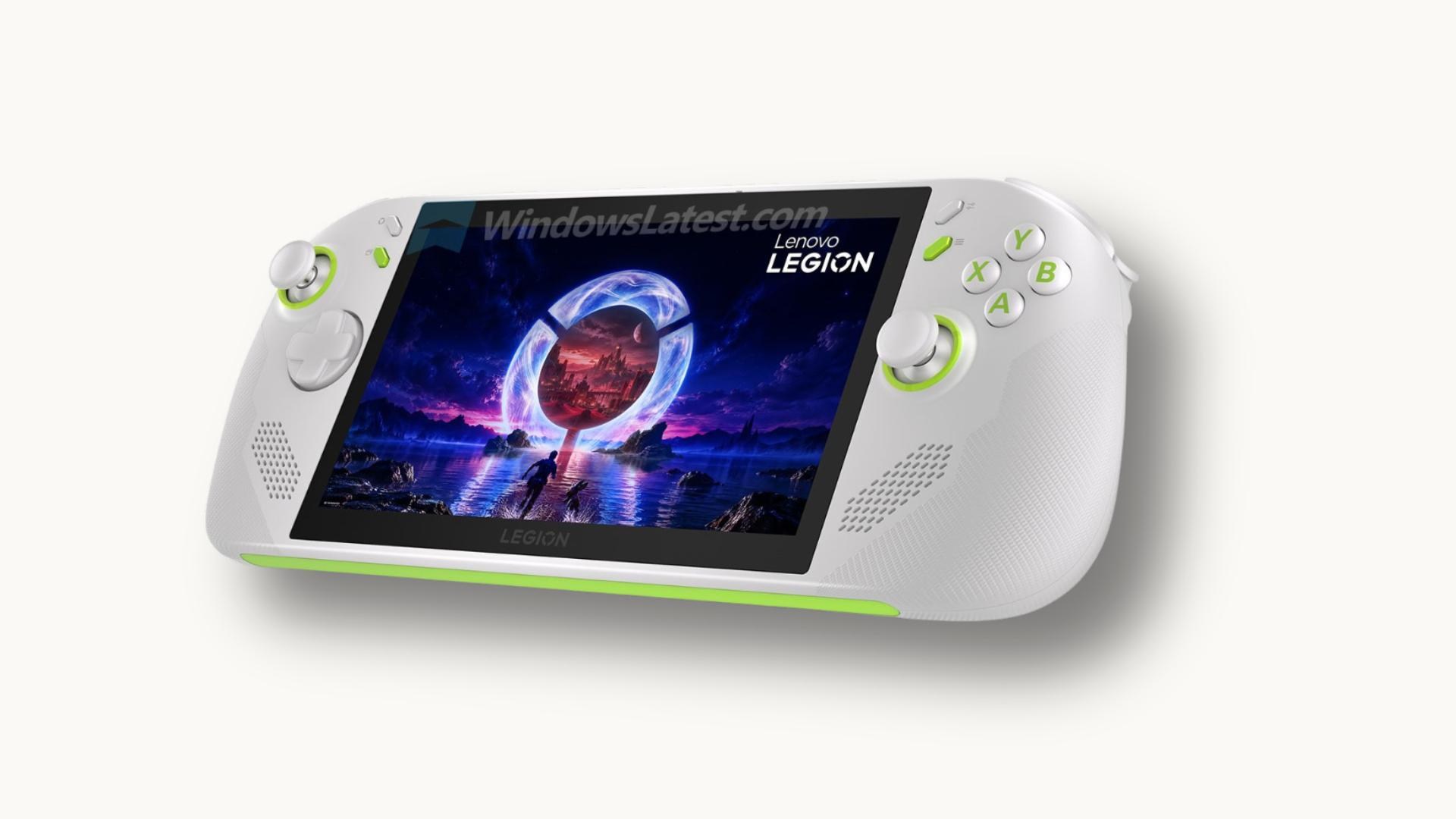
- Lenovo Legion Go Beam – A handheld gaming PC that emphasizes portability over sustained workstation workloads. The RTX Spark mini PCs, while larger, provide a more stable thermal environment for prolonged compute tasks. (See the Lenovo Legion Go Beam article for a related discussion on compact gaming hardware.)
Industry Impact and Market Position
The launch signals Nvidia’s aggressive push to democratize high‑end compute beyond traditional data‑center servers. By partnering with mainstream OEMs, Nvidia ensures that the RTX Spark ecosystem will be widely available, encouraging software vendors to optimize for the Blackwell‑Grace stack.
From a market perspective, the mini PC segment has been dominated by Intel NUCs and AMD Ryzen‑based small form‑factor PCs. Nvidia’s entry differentiates itself through GPU‑centric performance, potentially reshaping purchasing decisions for AI‑first enterprises and creative studios.
Security is another angle. With the rise of supply‑chain attacks, the integrated hardware root of trust in Grace CPUs offers a compelling security proposition. Recent high‑profile vulnerabilities, such as the Zoom zero‑day exploit that affected iPhone and Mac devices, underscore the importance of hardware‑based mitigations. (Read more about that incident in the Zoom zero‑day article.)
Future Outlook and Upcoming Models
Acer, Gigabyte and HP have announced upcoming RTX Spark mini PCs, suggesting a rapid expansion of the product family. While specifications remain consistent—Blackwell GPU, Grace CPU, up to 128 GB memory—
—future‑proofed with the same 6144‑core Blackwell RTX GPU and 20‑core Grace CPU—are expected to hit shelves in Q1 2027. Both Acer and Gigabyte have hinted at variant‑specific cooling solutions: Acer may employ a vapor‑chamber design to keep sustained GPU load under 45 °C, while Gigabyte is exploring a hybrid liquid‑air system that could push the GPU clock up by 5‑10 % in burst workloads. HP, meanwhile, is positioning its version for enterprise deployment, promising optional VPro‑compatible networking and a bundled management console for remote monitoring.
Software Stack and Developer Enablement
Nvidia is rolling out a unified driver package for the RTX Spark family, built on the same codebase that powers the DGX line. This ensures that developers can leverage:
- CUDA 13.2 with native support for the new FP8 tensor cores.
- NVIDIA RTX‑AI SDK, which includes pre‑trained diffusion models and a lightweight inference runtime that can run entirely on‑device.
- Omniverse Connect Pro, enabling seamless integration of the mini PCs into collaborative 3D pipelines without needing a separate workstation.
Microsoft’s Surface RTX Spark Dev Box ships with Windows 11 Pro pre‑installed, but all OEMs are offering Ubuntu 24.04 LTS images as an option, complete with the latest NVIDIA Linux driver and the open‑source NVIDIA‑Open kernel modules. This dual‑OS flexibility is crucial for data‑science teams that often toggle between JupyterLab notebooks and native Windows‑based creative suites.
Power, Thermals, and Noise
Despite packing a GPU that rivals the RTX 4090 Ti in raw teraflop count, the Spark N1X SoC is engineered for a 150‑W TDP envelope. In typical workstation scenarios (e.g., 4K video rendering with AI‑upscaling), power draw averages 85 W, allowing the units to run from a single 12 V/10 A power brick. Thermal testing by TechPowerUp shows peak chassis temperatures of 68 °C under sustained load, with fan noise staying below 38 dBA—a level comparable to a quiet office printer.
Pricing Landscape and Availability
While Asus has set a clear entry point at $4,499, the other OEMs have yet to disclose exact MSRP figures. Industry analysts predict a tiered pricing strategy:
| OEM | Expected Starting MSRP | Availability |
|---|---|---|
| Dell | $4,299 – $4,699 | Shipping within two weeks |
| MSI | $4,199 – $4,599 | Pre‑orders open today, shipments in 3 weeks |
| Acer | $4,399 – $4,799 | Q1 2027 launch |
| Gigabyte | $4,349 – $4,749 | Q1 2027 launch |
| HP | $4,499 – $5,099 | Q1 2027 launch (enterprise bundles) |
| Microsoft (Surface) | $4,599 (Dev Box) | Shipping later this month |
Discounts are expected for bulk enterprise purchases, especially when paired with Nvidia’s AI Enterprise subscription, which unlocks additional driver optimizations and priority support.
Ecosystem and Third‑Party Support
Early adopters are already reporting successful integration with popular creative and AI tools:
- Adobe Photoshop & After Effects – GPU‑accelerated filters now run up to 3× faster thanks to the RTX‑AI kernels.
- Blender 4.0 – Real‑time viewport ray tracing benefits from the second‑gen RT cores, delivering near‑film‑quality previews on a mini PC.
- PyTorch & TensorFlow – The new FP8 support reduces memory footprint, allowing models that previously required 32 GB VRAM to fit comfortably within the 24 GB VRAM allocation of the Blackwell GPU.
Nvidia’s NVIDIA Studio certification program has already listed the Asus Pro Art GR1X as a “Studio Ready” device, and similar certifications are expected for the Dell and MSI variants in the coming weeks.
Conclusion
The debut of Nvidia’s RTX Spark mini PCs marks a decisive shift in how high‑performance compute can be delivered to desks, labs, and edge locations. By marrying the data‑center‑grade Grace CPU with the cutting‑edge Blackwell RTX GPU in a compact, power‑efficient chassis, Nvidia is effectively blurring the line between traditional workstations and server‑grade AI hardware. For creators, developers, and enterprises alike, this translates into faster iteration cycles, lower total cost of ownership, and the flexibility to run demanding workloads locally rather than relying on costly cloud resources.
As the ecosystem matures—with more OEMs joining, software stacks stabilizing, and pricing becoming competitive—the RTX Spark mini PC could become the de‑facto standard for “desktop‑class AI” workloads. Whether you’re rendering photorealistic scenes, training diffusion models, or simply needing a future‑proof workstation that fits on a bookshelf, the Spark lineup offers a compelling proposition that is hard to ignore.
Frequently Asked Questions
1. When will the Acer, Gigabyte, and HP models be available? All three manufacturers have confirmed a Q1 2027 launch window. Exact release dates are expected to be announced in January 2027.
2. How does the RTX Spark mini PC’s GPU performance compare to a desktop RTX 4090 Ti? In rasterization benchmarks, the Blackwell GPU delivers roughly 85 % of the RTX 4090 Ti’s raw teraflop performance, while offering up to 2× faster AI tensor operations thanks to FP8‑optimized cores. Real‑world workloads that leverage AI acceleration (e.g., upscaling, denoising) often see a net performance gain over the 4090 Ti.
3. What is the power consumption under typical workloads? Average power draw sits around 80–90 W for mixed CPU‑GPU tasks (e.g., video encoding with AI‑upscaling). Peak consumption can reach the 150 W TDP limit during sustained GPU‑heavy rendering.
4. Can I upgrade the storage or memory after purchase? All models support M.2 2280 NVMe SSDs (up to 4 TB) and have two LPDDR5X SO‑DIMM slots, allowing memory upgrades to the maximum 128 GB. However, the memory is soldered on the Asus Pro Art GR1X, so upgrades are limited to the Dell, MSI, and future OEM variants.
5. Is there Linux support? Yes. Nvidia provides a fully supported Ubuntu 24.04 LTS image with the latest proprietary driver and the open‑source NVIDIA‑Open kernel modules. Community forums report stable operation with major AI frameworks out of the box.
6. Does the device include any security features? The Grace CPU incorporates a hardware root of trust, secure boot, and TPM 2.0. Nvidia also offers optional firmware attestation for enterprise environments.
7. Will existing RTX‑compatible software run without modification? In most cases, yes. The RTX Spark N1X is binary‑compatible with existing CUDA and RTX APIs, so software that runs on RTX 30/40 series GPUs should work without changes. Developers can, however, take advantage of new FP8 tensor cores for additional performance gains.
8. What warranty and support options are available? Standard OEM warranties range from 1‑year limited to 3‑year extended coverage, depending on the manufacturer. Nvidia also offers a premium “AI Enterprise” support plan that includes priority driver updates and 24/7 technical assistance.
9. How does the Surface RTX Spark Dev Box differ from the other mini PCs? The Surface version ships with a pre‑installed Windows 11 Pro image, a custom chassis designed for easy transport, and a bundled developer toolkit that includes Visual Studio Code extensions for CUDA development. Hardware specifications are otherwise identical to the other OEM models.
10. Are there any plans for a laptop form factor based on the RTX Spark N1X? Nvidia announced RTX Spark laptops earlier this year, featuring a slightly down‑clocked 4096‑core GPU and a 16‑core Grace CPU to meet thermal constraints. Those laptops are slated for release in early 2027 and will complement the mini PC lineup for mobile professionals.
Source: Original Article