



The Rise of a Data‑Driven Personality
When Steve Kornacki stepped onto the national stage in 2020, his charisma was matched only by the massive map that served as his backdrop. Viewers tuned in not just for the numbers but for the confidence with which he translated raw data into a narrative. That moment turned a data analyst into a cultural touchstone, spawning nicknames like “chart‑throb” and “map daddy.” The phenomenon underscores a broader shift: audiences now expect real‑time, visually compelling data from newsrooms, and the technology behind that delivery is as critical as the analyst’s voice.
The Hardware Arsenal: iPhone 17 Pro and a Veteran Dell
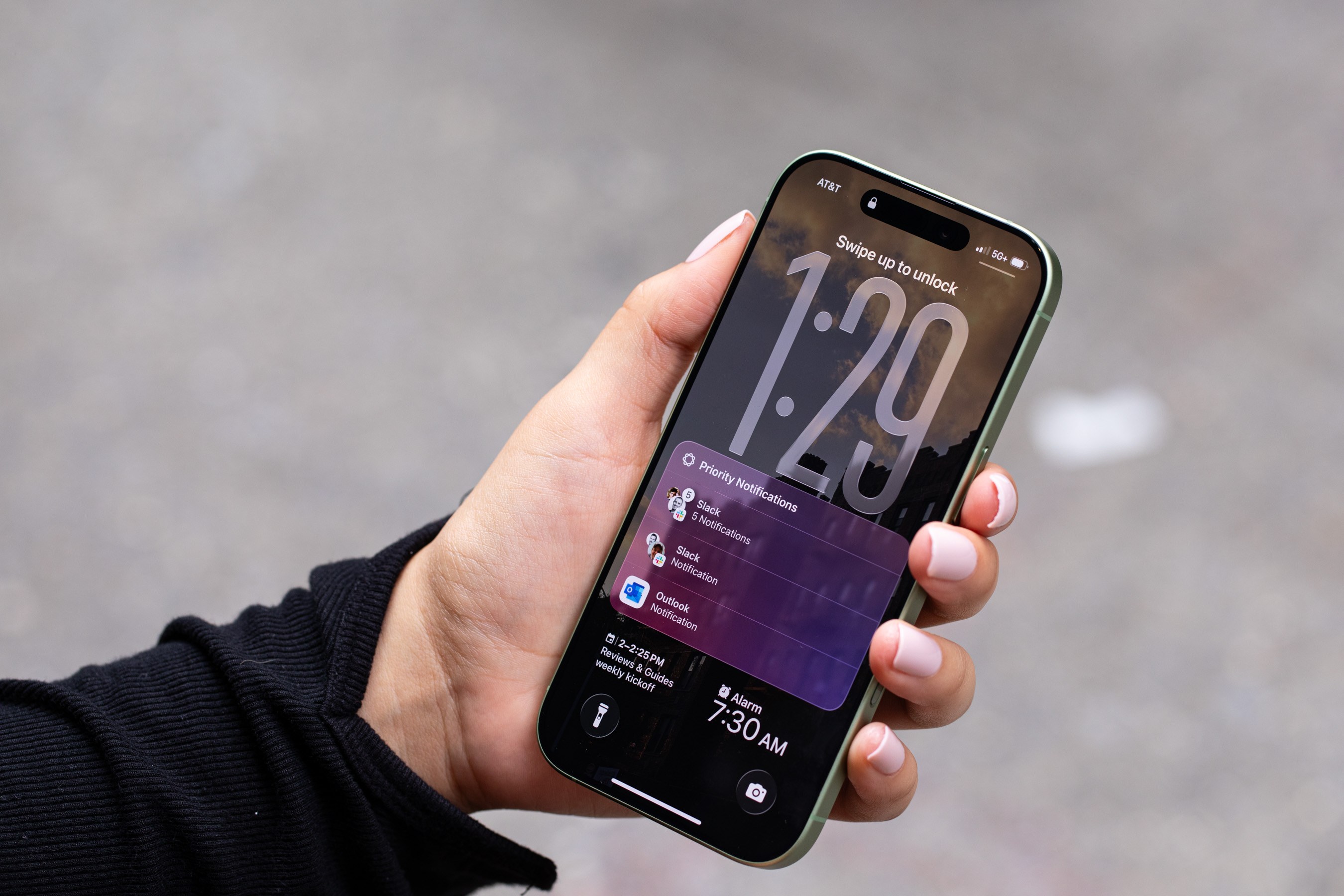
Kornacki’s primary mobile device is the iPhone 17 Pro, a flagship that promises incremental camera improvements and a battery life that “lasts ten days” for his usage pattern. While the camera upgrades are often marketed as revolutionary, Kornacki’s experience reflects a more pragmatic view—reliability and battery endurance outweigh marginal image quality gains for a journalist on the move.
His desktop companion is a Dell workstation still running Windows 7 Pro. The machine is described as “on its last leg,” yet it remains the backbone for his data‑intensive tasks. This juxtaposition—cutting‑edge mobile tech paired with legacy desktop hardware—highlights a common newsroom reality: legacy systems persist because they host critical, customized scripts and databases that are costly to migrate.
Key hardware takeaways
- Mobile reliability: Long‑lasting battery life is essential for field reporting.
- Legacy stability: Older OS environments can still be viable if they host mission‑critical tools.
- Port considerations: The iPhone 17 Pro’s USB‑C implementation expands beyond charging, supporting high‑speed data transfer and external displays. For a deeper look at USB‑C capabilities, see our guide on USB‑C on Your Phone: More Than Just Charging and Data .
Data Science at Scale: Real‑Time Election Modeling
Behind the charismatic on‑air presence lies a sophisticated data pipeline. Kornacki’s “Kornacki Cam” livestreams aggregate county‑level returns, apply statistical smoothing, and project outcomes within seconds. The workflow typically involves:
- Ingestion – APIs from state election boards feed raw CSV/JSON streams into a staging database.
- Transformation – Python‑based ETL scripts clean and normalize data, handling missing precincts and late‑reporting anomalies.
- Modeling – Bayesian hierarchical models generate probabilistic forecasts, updating with each new batch of results.
- Visualization – D3.js and custom SVG maps render the live map that viewers recognize.
The reliance on robust statistical methods makes Kornacki’s coverage a case study in responsible data journalism. It also raises concerns about misinformation when AI tools attempt to generate election predictions without transparent methodology. For a perspective on AI‑driven misinformation, read AI Chatbots Mislead Voters: Election Facts at Risk .
Screen Time, Email Overload, and Productivity Strategies
Kornacki reports an average daily screen time of 3 hours 35 minutes, accounting for roughly 12.5 % of his waking hours. While this figure is higher than the average professional, it reflects the constant monitoring required during election cycles. More striking is his 53,828 unread emails, a number he treats as “part of the furniture.” This volume illustrates two industry‑wide challenges:
- Information fatigue: Journalists must triage massive streams of alerts, press releases, and internal communications.
- Tool fragmentation: Relying on multiple platforms (email, SMS, Slack, proprietary newsroom dashboards) can exacerbate overload.
Kornacki mitigates the chaos by scheduling weekly “zero‑inbox” sessions for texts and using filters to prioritize election‑related messages. He also leverages Spotify for background music, noting his all‑time top track is “My Girl” by The Temptations—a reminder that personal rituals can anchor productivity amid high‑stress events.
Why It Matters: Trust, Transparency, and the Future of Broadcast Tech
The public’s trust in election coverage hinges on two pillars: accuracy and transparency. Kornacki’s meticulous data handling and visible workflow (the map, the live cam) provide a tangible sense of rigor. At the same time, his willingness to discuss personal tech habits humanizes the process, bridging the gap between the polished on‑air persona and the behind‑the‑scenes grind.
From an industry perspective, Kornacki’s setup signals a broader trend:
- Hybrid hardware ecosystems: Newsrooms will continue to blend cutting‑edge mobile devices with legacy servers until cloud migration becomes universally cost‑effective.
- Open‑source analytics: The statistical models used for election projections are increasingly shared within the journalism community, fostering reproducibility.
- Audience engagement: Interactive maps and real‑time streams keep viewers glued to the broadcast, driving higher ad revenue and social sharing.
For readers interested in how compact devices can complement a newsroom workflow, the Apple iPad Mini 2026 Review: OLED Power in a Pocket Pro offers insights into portable, high‑resolution screens that could replace legacy desktops for certain tasks.
Future Outlook: Automation, AI, and the Next Election Night
Looking ahead, several technological currents will shape the next generation of election coverage:
- AI‑assisted data cleaning: Machine‑learning pipelines could automatically flag anomalous precinct reports, reducing manual triage time.
- Edge computing on mobile: Future iPhone models may host on‑device inference engines, allowing analysts to run preliminary forecasts without a full workstation.
- Enhanced interactivity: Viewers might soon vote on which state’s data they want deeper analysis of, feeding directly into the broadcast’s focus.
However, the rise of AI also brings ethical considerations. Automated predictions must be auditable, and journalists like Kornacki will need to maintain a clear line between algorithmic assistance and editorial judgment. The balance between speed and verification will remain the defining challenge for election night tech.
FAQ
Q: Why does Kornacki still use a Windows 7 PC? A: The workstation hosts legacy scripts and a customized database schema that have not been migrated to newer platforms. Rebuilding these tools would require significant time and resources.
Q: Is the iPhone 17 Pro’s camera actually better for journalism? A: For live reporting, the camera’s incremental improvements matter less than battery life, network reliability, and the device’s USB‑C capabilities for fast data offload.
Q: How does Kornacki handle the massive email backlog? A: He uses rule‑based filtering to surface election‑critical messages, and dedicates weekly sessions to clear text messages, keeping the email volume as a background constant.
Q: Can smaller newsrooms replicate Kornacki’s workflow? A: Yes, by leveraging open‑source tools (Python, Pandas, D3.js) and cloud‑based data pipelines, even modest teams can produce real‑time visualizations similar to the “Kornacki Cam.”
Q: What role does AI play in future election coverage? A: AI will likely assist in data validation and rapid scenario modeling, but human oversight will remain essential to ensure transparency and prevent misinformation.
Source: Original Article