







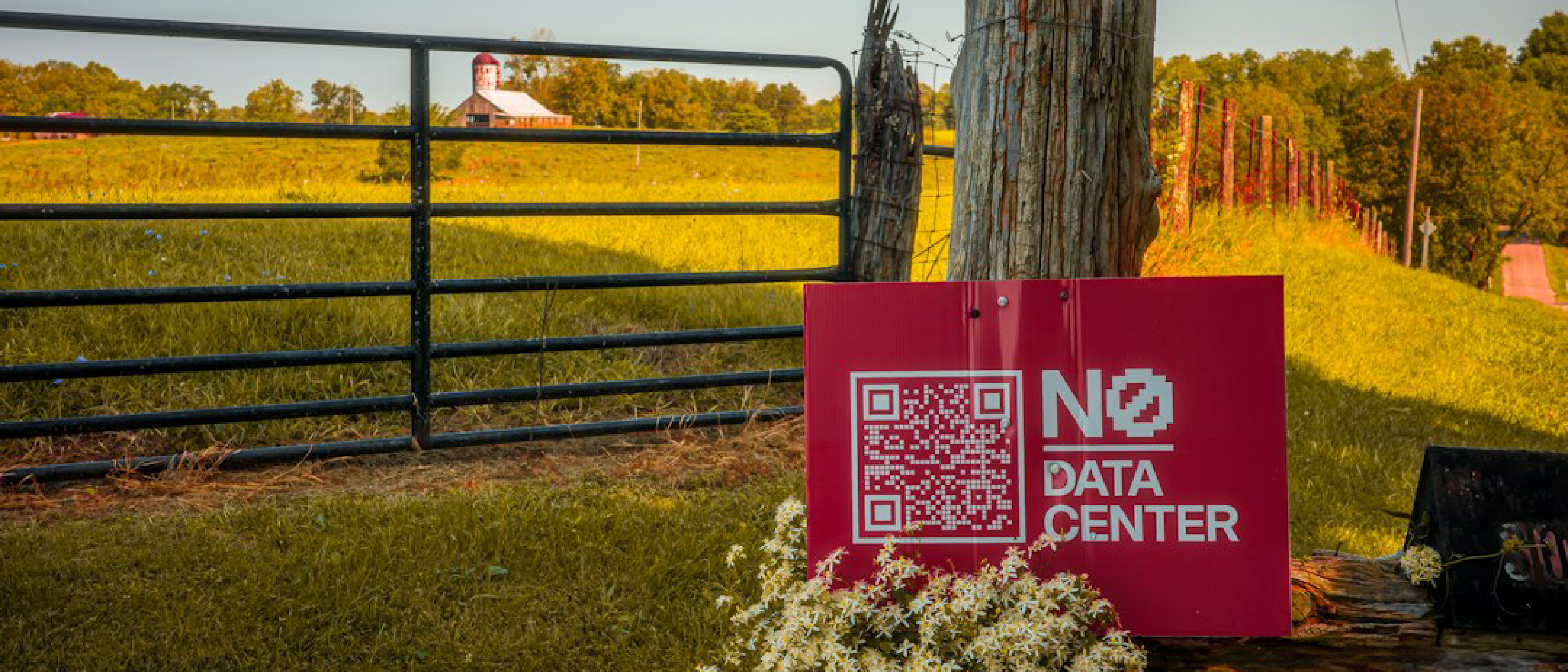
Why the Data Center Debate Matters
The disruption of a Climate Week panel by Extinction Rebellion NYC turned a routine industry conversation into a flashpoint for a broader societal reckoning. Tech executives from companies such as Crusoe and Emerald AI argued that AI‑powered data centers could act as flexible loads, helping utilities balance intermittent renewable generation. Protesters, however, reminded the audience that the same facilities are often built next to natural‑gas peaker plants, locking in fossil‑fuel consumption for decades.
The stakes are not abstract. Bloomberg NEF projects that data centers will account for more than 5 % of global electricity demand by 2035, a three‑fold increase from today. If that demand is met primarily with natural gas, the power sector’s emissions could rise 6 % in under ten years. Those numbers translate into higher utility bills, strained water resources, and a tangible contribution to climate change—issues that voters rank lower only after water usage, energy costs, local air quality, and noise.
Technical Drivers Behind Rising Energy Demand
AI Workloads and Power‑Intensive Hardware
AI training models now require thousands of GPUs operating at full capacity for weeks. Each GPU can draw 300–500 W, and large clusters can exceed 10 MW of continuous load. The “AI‑first” strategy promoted by hyperscalers pushes data center operators to over‑provision compute, creating a feedback loop where more AI workloads demand more electricity.
On‑Site Gas Generation
A BNEF analysis of 99 proposed on‑site gas power plants linked to data center projects suggests that, if built, they could boost U.S. power‑sector emissions by 20 % to 33 %. These plants are marketed as “reliability buffers,” but they lock in carbon‑intensive generation for the lifespan of the facility—often 30 years or more.
Cooling and Water Consumption
High‑density racks generate significant heat, requiring advanced cooling solutions. Many operators turn to evaporative cooling, which can consume hundreds of millions of gallons of water annually. In water‑scarce regions, this intensifies community opposition, as seen in Michigan’s 7th congressional district where three hyperscalers are planning new sites.
Economic and Community Impacts
- Utility Bills: Data centers draw power at peak rates, driving up wholesale electricity prices. Residential customers in the same grid often see 5–10 % higher bills.
- Noise Pollution: Large‑scale chillers and backup generators operate 24/7, creating constant low‑frequency noise that affects nearby neighborhoods.
- Local Air Quality: Even when gas plants operate intermittently, they emit NOx and particulates, worsening local air quality—an issue that voters prioritize above global climate metrics.
- Job Creation vs. Displacement: While data center projects promise construction and operations jobs, they can also depress property values and strain local infrastructure, leading to mixed community sentiment.
These concerns echo the voter‑priority ranking where climate change is the fifth issue, after water, energy costs, air quality, and noise. The omission of a “climate reckoning” in local debates underscores a disconnect between macro‑level emissions accounting and micro‑level lived experience.
Policy Landscape and Investor Perspectives
Investor Sentiment
The Wall Street Journal recently reported that climate‑focused investors are increasingly scrutinizing data center projects for hidden fossil‑fuel exposure. Vo Lo Earth, a climate‑investment firm, highlighted that green‑bond financing is often contingent on a “clean‑energy mix” clause, which many data center developers struggle to meet without on‑site gas.
Regulatory Responses
- California’s SB 100 mandates 100 % clean electricity by 2045, forcing data centers to source renewables or purchase carbon offsets.
- Michigan’s Energy Policy is under revision after local opposition, with proposals to limit on‑site fossil generation and require water‑use impact assessments.
Industry Initiatives
Crusoe’s President Cully Cavness promotes “edge‑to‑core” architectures that locate smaller, modular data centers near renewable generation sites. While technically promising, the scalability of such models remains uncertain, especially when AI workloads demand massive, centralized compute resources.
For readers interested in how power considerations affect other tech categories, see the analysis of portable speaker power demands in the recent Party Speakers 2026: Power, Portability & Gen Z Trends article.
Future Outlook: Toward a Climate‑Conscious Grid
Decarbonizing the Supply Chain
- Renewable Power Purchase Agreements (PPAs): More data center operators are signing long‑term PPAs with wind and solar farms. However, PPAs alone cannot address the need for firm capacity during peak demand.
- Battery Storage Integration: Pairing batteries with renewable PPAs can provide the firm capacity that data centers require, reducing reliance on gas peakers.
Emerging Technologies
- AI‑Optimized Load Shifting: Advanced AI can predict low‑price periods and shift non‑critical workloads, smoothing demand curves. This aligns with the “flexible load” narrative but requires transparent coordination with grid operators.
- Liquid Immersion Cooling: By submerging servers in dielectric fluid, operators can cut cooling energy by up to 40 %, also reducing water usage. The technology is still early‑stage but could become a differentiator for climate‑focused operators.
Societal Pressure and Market Signals
Public protests, like the Extinction Rebellion disruption, signal that community consent will become a prerequisite for new builds. Companies that fail to address water, noise, and local air quality will face permitting delays and reputational risk.
A broader perspective on how consumer‑facing devices manage power can be found in the June Oven: Apple Engineers’ Smart Cooking Revolution piece, which discusses energy‑aware design—a principle that should extend to data center hardware.
The Role of Regulation
Future policy may require carbon intensity caps on on‑site generation, similar to California’s “Carbon Cap and Trade” program for industrial facilities. Such caps would force data center developers to either invest in cleaner generation or purchase carbon credits, making the true climate cost of AI compute more transparent.
## Policy Recommendations
Mandate Transparent Emissions Reporting: Regulators should require data center operators to disclose not only on‑site generation emissions but also the lifecycle carbon intensity of the electricity they purchase. A standardized “Data Center Carbon Dashboard” could be incorporated into existing utility reporting frameworks.
Incentivize Renewable‑Heavy Edge Deployments: Tax credits or accelerated depreciation for edge facilities that are co‑located with solar or wind farms would encourage the “edge‑to‑core” model championed by Crusoe. Such incentives must be paired with strict water‑use limits to avoid swapping one resource strain for another.
Set Water‑Use Intensity (WUI) Caps: In water‑scarce jurisdictions, a maximum gallons‑per‑kilowatt‑hour threshold could prevent evaporative cooling from overwhelming local supplies. Operators would then be nudged toward air‑side economizers or liquid immersion cooling, both of which dramatically cut water demand.
Create a “Clean‑Compute” Certification: Similar to LEED for buildings, a third‑party certification could evaluate data centers on a composite score that includes carbon intensity, water use, noise levels, and community impact. Certification could become a prerequisite for receiving public‑sector contracts or tax abatements.
Require Community Benefit Agreements (CBAs): Before granting permits, municipalities could demand CBAs that guarantee local hiring quotas, investment in community renewable projects, and funding for noise‑mitigation measures. CBAs would give residents a tangible stake in the project’s success and a lever to hold developers accountable.
What Stakeholders Can Do Today
| Stakeholder | Immediate Actions |
|---|---|
| Tech Executives | • Publish a detailed emissions roadmap that includes on‑site generation phase‑out timelines. • Pilot AI‑driven load‑shifting in partnership with regional ISOs to demonstrate real‑world grid benefits. |
| Investors | • Add a “fossil‑fuel exposure” metric to ESG scoring models for data center portfolios. • Allocate capital to startups developing low‑water cooling and carbon‑negative storage solutions. |
| Policymakers | • Fast‑track permitting for projects that meet or exceed the Clean‑Compute certification. • Enact water‑use intensity caps tied to local drought risk indices. |
| Community Groups | • Organize “energy impact forums” that bring together developers, utilities, and residents to co‑design mitigation strategies. • Leverage social‑media campaigns to highlight local water and noise concerns alongside global climate impacts. |
| Researchers | • Quantify the marginal emissions reduction achievable through AI‑optimized workload scheduling under different grid mixes. • Develop open‑source tools for real‑time monitoring of data center water and noise footprints. |
Conclusion
The clash that erupted at Climate Week is a microcosm of a larger, unresolved debate: can the data‑center boom be reconciled with the urgent need to decarbonize the power sector? The numbers are stark—data centers could consume over 5 % of global electricity by 2035 and, if powered by natural gas, add a 6 % emissions bump to the power sector in less than a decade. Yet the lived experience of nearby residents—higher utility bills, louder nights, and dwindling water supplies—remains the primary lens through which these projects are judged.
A genuine climate reckoning will require moving climate considerations from the periphery of local permitting debates to the core of every strategic decision. Transparent emissions accounting, robust water‑use standards, and community‑centered benefit agreements can bridge the gap between the macro‑level climate narrative and the micro‑level realities that voters care about most. As AI workloads continue to proliferate, the industry’s promise of “flexible loads” must be matched by concrete, enforceable policies that prevent a new generation of fossil‑fuel lock‑ins.
Only by aligning the incentives of tech firms, investors, regulators, and communities can the data‑center ecosystem evolve from a source of contention into a catalyst for a cleaner, more resilient grid.
Frequently Asked Questions
Q1: Why are data centers such a big part of future electricity demand?
A: Modern AI models require massive compute clusters that run continuously. Each high‑performance GPU draws 300–500 W, and a single AI‑focused data hall can exceed 10 MW of power. As AI adoption spreads across industries, the aggregate demand scales rapidly, pushing data centers toward a 5 % share of global electricity by 2035.
Q2: Can renewable energy alone meet the needs of AI‑intensive data centers?
A: Renewables can supply the bulk of the energy, but their intermittent nature means firms still need firm capacity for peak loads. Solutions include long‑term PPAs combined with battery storage, or co‑location with dispatchable renewables (e.g., geothermal). On‑site gas peakers remain the cheapest firm source today, which is why they are proliferating.
Q3: How does water usage factor into the climate debate?
A: Evaporative cooling systems can consume hundreds of millions of gallons annually, especially in hot, dry climates. This strains local water supplies and often triggers community opposition. Technologies like liquid immersion cooling or air‑side economizers can cut water use by up to 40 %, offering a clear mitigation path.
Q4: What is the “Clean‑Compute” certification and how will it work?
A: It is a proposed third‑party rating that evaluates data centers on carbon intensity, water‑use intensity, noise levels, and community impact. Points are awarded for renewable PPAs, low‑water cooling, noise mitigation, and community benefit agreements. A minimum score would be required for eligibility for public incentives and certain financing options.
Q5: Are there examples of successful community‑focused data center projects?
A: A few pilot projects in the Pacific Northwest have paired modular edge data centers with community solar farms and incorporated strict noise‑abatement designs. These sites have secured local support by offering job training programs and funding for neighborhood green spaces, demonstrating that a collaborative approach can mitigate opposition.
Q6: How can individual investors influence data center climate outcomes?
A: Investors can demand detailed emissions disclosures, incorporate fossil‑fuel exposure into ESG scores, and favor funds that allocate capital to low‑carbon data center technologies. By directing capital toward firms with robust climate strategies, investors help shift industry standards.
Q7: What role does AI itself play in reducing data center emissions?
A: AI can optimize workload placement, shift non‑critical tasks to off‑peak periods, and improve cooling efficiency through predictive control algorithms. However, the net impact depends on the underlying grid mix; AI‑driven efficiency gains are most valuable when paired with clean electricity.
Source: Original Article