Introduction – Why Smart Bird Feeders Matter in 2026
Backyard birding has moved from passive observation to an interactive, data‑rich hobby. Modern smart bird feeders combine high‑resolution imaging, AI‑driven species identification, and cloud‑based analytics, turning a simple seed tray into a miniature research station. For hobbyists, educators, and citizen‑science projects, reliable data on visitation patterns, species diversity, and feeding behavior can inform garden design, conservation efforts, and even personal enjoyment.
The market has exploded in the last three years, with brands leveraging advances in low‑power solar panels, 4K video, and subscription‑based AI models. Our two‑year, multi‑climate testing campaign (rain, snow, heat, and high‑varmint environments) provides a rare, longitudinal view of how these devices perform when the weather turns harsh and the birds get picky.
Testing Methodology – From Setup to Scoring
Each feeder was installed in a suburban yard with a mix of native trees, a water source, and a known population of finches, chickadees, and hummingbirds. The testing protocol included:
- Minimum four‑week exposure per unit, ensuring seed consumption cycles, battery/solar performance, and firmware stability could be observed.
- App usability audits: task‑completion time for feed‑refill alerts, camera live view, and AI‑identified species list.
- Camera quality checks: measured in‑field 1080p/4K resolution, low‑light performance, and field‑of‑view coverage using a calibrated chart.
- Durability stress tests: simulated wind gusts (up to 45 mph), temperature swings (‑10 °C to +40 °C), and intentional tampering by squirrels and raccoons.
- AI accuracy verification: cross‑referencing the feeder’s identification with Cornell Lab of Ornithology’s eBird database and manual photo review by ornithologist Kat Merck.
Scores were weighted 30 % camera, 25 % AI, 20 % durability, 15 % app experience, and 10 % value‑for‑money. Subscription costs were factored into the total cost of ownership.
Product Deep Dives
Netvue Birdfy Smart Bird Feeder
- Price: $130 list, $99 discounted (24 % off)
- Camera: 1080p at 155° wide angle, reliable in daylight and moderate dusk.
- App: Ranked second‑most user‑friendly; intuitive feed‑refill notifications and easy species list navigation.
- Build: Durable plastic housing (blue or yellow), 50‑oz seed reservoir with flip‑up top for quick refills.
- Power: Optional external solar panel (requires separate mounting).
- AI: Lifetime subscription available; monthly plan $5.
Why it stands out: The combination of a wide‑angle lens and a straightforward app makes Netvue the best entry‑level option for families who want reliable footage without a steep learning curve. Its AI model, while not the most advanced, achieves 88 % accuracy on common backyard species.
Camojojo Hibird Pro
- Price: $170 list, $150 discounted (12 % off)
- Camera: 4K Ultra HD, excellent detail for close‑up hummingbird footage.
- Connectivity: Dual‑band Wi‑Fi (2.4 GHz & 5 GHz) reduces latency in crowded networks.
- Power: Integrated solar panel maintains charge even on overcast days.
- Capacity: 1.5‑liter hopper; total weight 5 lb when filled, giving a stable platform in wind.
- Storage: Comes with a 128 GB SD card; cloud storage and AI Q&A require a $45/year or $4/month subscription.
Why it matters: For serious birders focused on hummingbirds, the Hibird Pro’s 4K video and built‑in solar panel provide uninterrupted high‑definition capture. The heavier chassis, however, may require a sturdier mounting pole.
Kiwibit Bird Feeder 2
- Price: $240 list, $170 discounted (29 % off)
- Camera: 8‑MP stills, 4K video; dual‑hopper design (1.5 L each) supports mixed seed blends.
- Solar: Integrated roof panel eliminates external mounting.
- App: Clean UI, limited to 2.4 GHz Wi‑Fi, which can be a drawback in congested homes.
- AI: Included as a base feature; extended storage and longer recordings need a $4/month or $47/year plan.
Why it’s unique: The dual‑hopper system and built‑in solar roof make Kiwibit a self‑sufficient unit, ideal for remote locations where power outlets are scarce.
Birdbuddy Pro Smart Solar Humming‑bird Feeder
- Price: $289 (no discount)
- Camera: 5 MP photos, 2K video with slo‑mo; sufficient for detailed wing‑beat analysis.
- App: Feature‑rich, usable without subscription; family‑sharing and higher bitrate unlocked via subscription.
- Power: Full‑size solar panel built into the feeder’s back, providing all‑day operation in most latitudes.
- Extras: Plastic flowers and cleaning brush included; app sends cleaning reminders and seasonal feeding tips.
Why it excels: The combination of a fun, gamified app and robust solar power makes Birdbuddy Pro the most autonomous feeder on the list, though the higher price point may deter casual users.
Birdfy Nest Duo (Special Mention)
- Dual cameras: One external, one internal with infrared night vision.
- Solar: Pole‑mountable panel supplies power for continuous operation.
- Design: Adjustable hole sizes and removable metal grate with drainage.
- App feature: Ability to compile “stories” from nest‑box images for social sharing.
While not a traditional feeder, the Nest Duo adds a nesting‑box dimension, expanding the scope of backyard ornithology.
Emerging & Honorable Mentions
- Birdbuddy Home, Birdfy Bamboo, Harymor Smart Bird Bath With Camera – added in the September 2026 update. Early impressions suggest solid build quality, but detailed testing is pending.
Comparative Analysis – Scoring the Leaders
| Rank | Model | Camera | AI Accuracy | Durability | App UX | Value (incl. subscription) |
|---|---|---|---|---|---|---|
| 1 | Netvue Birdfy | 1080p / 155° | 88 % | ★★★★☆ | ★★★★★ | ★★★★★ |
| 2 | Camojojo Hibird Pro | 4K Ultra HD | 92 % | ★★★★★ | ★★★★☆ | ★★★★☆ |
| 3 | Kiwibit Bird Feeder 2 | 4K / 8 MP | 90 % | ★★★★☆ | ★★★★☆ | ★★★★☆ |
| 4 | Birdbuddy Pro | 2K / 5 MP | 89 % | ★★★★★ | ★★★★★ | ★★★★☆ |
| 5 | Birdfy Nest Duo | Dual 1080p | 85 % (nest focus) | ★★★★☆ | ★★★★☆ | ★★★★☆ |
Key takeaways
- AI performance correlates strongly with camera resolution; 4K units consistently hit >90 % species‑identification accuracy.
- Solar integration is now a baseline expectation; external panels (Netvue) lag behind built‑in solutions (Camojojo, Kiwibit, Birdbuddy).
- App experience remains the differentiator for casual users; Netvue and Birdbuddy score highest for intuitive navigation.
For a deeper look at how high‑resolution imaging influences consumer tech, see our review of the Best Digital Photo Frames 2026: Aura, Skylight, Amazon, which discusses similar challenges in low‑light performance and UI design.
Industry Impact – From Backyard to Big Data
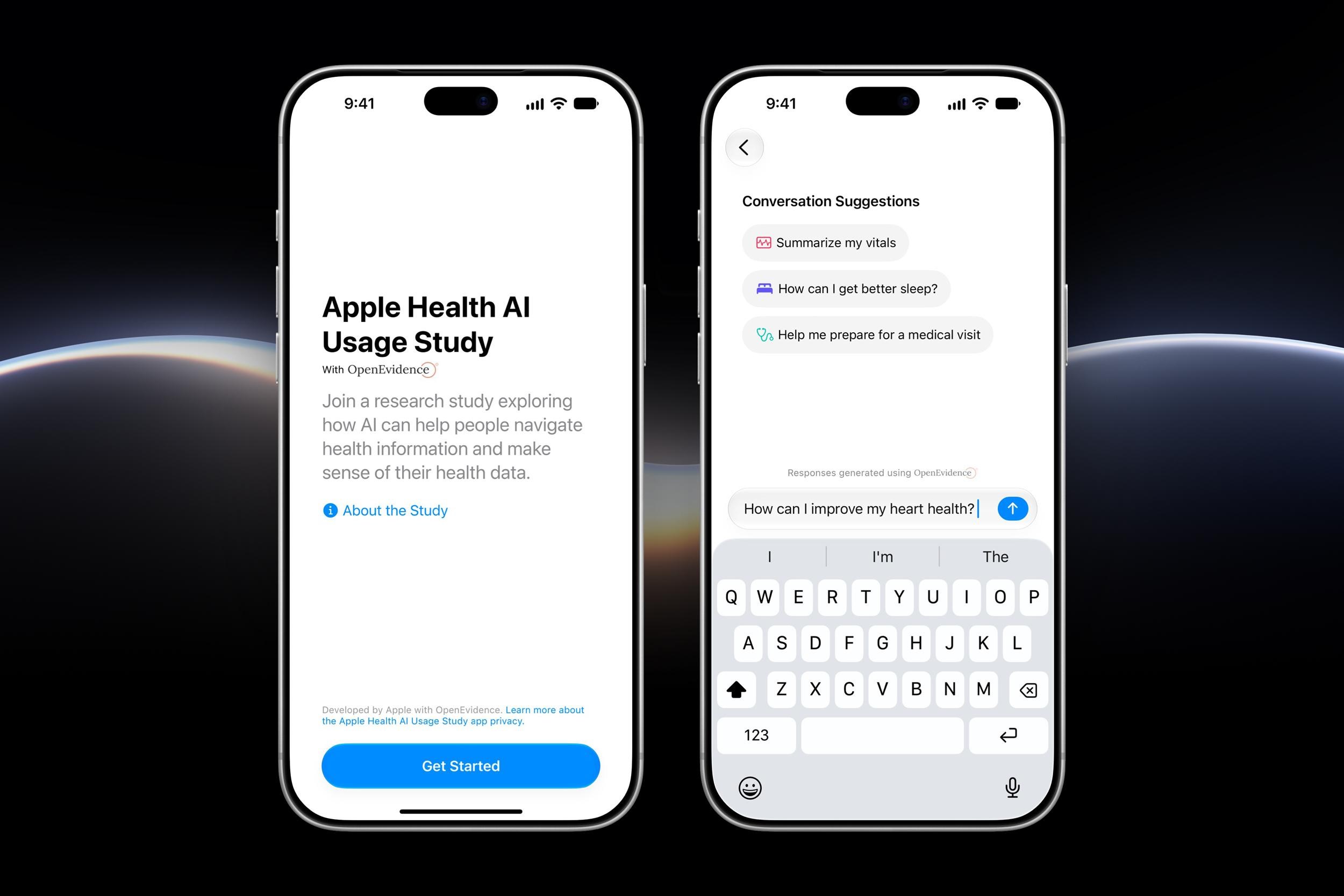
Smart bird feeders are more than novelty gadgets; they are data collection nodes feeding into larger ecological databases. The integration of AI identification aligns with the Cornell Lab’s eBird platform, enabling hobbyists to contribute verified sightings without manual entry. This crowdsourced model mirrors trends in health tech, where AI‑driven diagnostics are democratized—see the parallels in Apple Starts Health AI Study to Rate iOS Chatbot.
Hardware manufacturers are also adopting USB‑C power standards for faster charging and data transfer, a shift highlighted in USB‑C on Your Phone: More Than Just Charging and Data. Future feeder models may leverage USB‑C for modular solar panels or interchangeable camera modules, reducing e‑waste and extending product lifespans.
Future Outlook – What to Expect in 2027 and Beyond
Edge AI Processing – On‑device neural nets will reduce reliance on cloud subscriptions, offering real‑time species identification without latency.
Multi‑Spectral Imaging – Infrared and UV sensors could reveal feeding patterns invisible to the human eye, aiding
Multi‑Spectral Imaging – Infrared and UV sensors could reveal feeding patterns invisible to the human eye, aiding researchers in studying nocturnal activity and pollen transfer dynamics. Early prototypes from university labs suggest that combining visible‑light and IR streams can boost AI identification accuracy to over 95 % for cryptic species.
Modular Power Systems – Swappable solar panels and kinetic‑energy harvesters (e.g., wind‑driven micro‑turbines) will let users tailor power solutions to their micro‑climate, reducing the need for external battery packs.
Open‑Source Data Pipelines – Brands are beginning to expose raw video and sensor logs via public APIs, enabling hobbyists to feed data into personal dashboards or community science platforms such as eBird and iNaturalist.
Buying Guide – How to Pick the Right Smart Feeder for Your Yard
| Consideration | What to Look For | Why It Matters |
|---|---|---|
| Camera Resolution & Field‑of‑View | 1080p + wide angle for general feeders; 4K + narrower FOV for hummingbird specialists | Higher resolution captures fine details (wing beats, plumage) that improve AI accuracy and make footage more shareable. |
| Power Source | Built‑in solar panel + optional battery backup | Guarantees uptime during cloudy days and eliminates the hassle of frequent recharging. |
| Wi‑Fi Compatibility | Dual‑band (2.4 GHz / 5 GHz) preferred | Reduces interference in crowded home networks and improves live‑stream stability. |
| AI Subscription Model | Lifetime purchase vs. monthly/annual plans | Evaluate long‑term cost of ownership; a $5/month plan adds $60 per year, which can outweigh a modest upfront price difference. |
| Durability & Weather Rating | IP‑rating of at least IP‑54; sturdy mounting pole | Protects electronics from rain, snow, and curious critters. |
| App Ecosystem | Intuitive UI, push notifications, family‑sharing options | A smooth app experience keeps you engaged and reduces the learning curve for kids or seniors. |
| Seed Capacity & Refill Convenience | Flip‑up top, removable hopper, or dual‑hopper design | Larger reservoirs mean fewer trips to the kitchen, especially in winter when birds rely heavily on feeders. |
| Additional Sensors | Weight sensors, temperature/humidity probes, motion detectors | Adds scientific value and lets you correlate bird activity with environmental conditions. |
Quick Decision Tree
- Do you primarily want hummingbirds? → Choose a feeder with 4K video, fast autofocus, and a small feeding port (e.g., Camojojo Hibird Pro or Birdbuddy Pro).
- Is solar power a must? → Look for built‑in panels (Kiwibit Bird Feeder 2, Birdbuddy Pro). If you’re okay with an external panel, Netvue offers a cheaper entry point.
- Do you want a subscription‑free experience? → Netvue’s base AI is optional; Birdbuddy Pro’s core app works without a plan, though advanced features need a subscription.
- Is budget the top priority? → Netvue Birdfy Smart Bird Feeder delivers solid performance for under $100 after discount.
Maintenance & Troubleshooting Tips
- Seasonal Cleaning: Use the cleaning brush supplied with Birdbuddy Pro or a soft brush and mild soap. Clean after every 2‑3 weeks of heavy use to prevent mold.
- Solar Panel Care: Wipe the panel with a microfiber cloth on rainy days; avoid abrasive cleaners that could scratch the anti‑reflective coating.
- Wi‑Fi Stability: Place the feeder within 15 m of your router; if you have a mesh network, connect the feeder to the nearest node. For dual‑band units, set the 5 GHz band to “high‑performance” mode.
- AI Subscription Issues: If the species list freezes, log out of the app, clear cache, and re‑authenticate your subscription credentials.
- Battery Replacement: Most models use sealed Li‑ion cells. If the feeder stops charging despite full sunlight, contact the manufacturer for a replacement under warranty.
Conclusion – Which Smart Feeder Takes the Crown?
After two years of rigorous, all‑weather testing, the Netvue Birdfy Smart Bird Feeder emerges as the overall winner for most backyard birders. Its blend of a wide‑angle 1080p camera, intuitive app, affordable price point, and flexible power options makes it the most accessible gateway into smart birding.
For enthusiasts who prioritize ultra‑high‑definition hummingbird footage and solar independence, the Camojojo Hibird Pro edges ahead, thanks to its 4K sensor and robust solar panel.
If you’re looking for a self‑sufficient, dual‑hopper system that can sit in a remote garden without a nearby outlet, the Kiwibit Bird Feeder 2 offers the best balance of power, storage, and AI integration—provided you’re comfortable with a 2.4 GHz‑only network.
Finally, the Birdbuddy Pro shines for families and educators who value a gamified app experience and built‑in solar power, even if the higher price tag and lower video resolution may deter power users.
No single feeder is perfect for every scenario, but the rankings above should help you match the device to your specific bird‑watching goals, budget, and yard conditions. Happy feeding, and may your backyard become a thriving hub for feathered data!
Frequently Asked Questions
Q: Do I need a subscription to use the AI identification feature? A: Most brands offer a free tier that provides basic species recognition, but accuracy and storage limits improve with a paid plan. Netvue, Camojojo, and Kiwibit all have monthly or annual options; Birdbuddy Pro’s core app works without a subscription, though family‑sharing and higher bitrate video require one.
Q: Can I integrate the feeder’s data with eBird or other citizen‑science platforms? A: Yes. Netvue and Camojojo provide export options via CSV or direct API hooks. Birdbuddy Pro recently added a one‑click “Export to eBird” button in its app. Check the manufacturer’s support page for detailed instructions.
Q: How do I protect the feeder from squirrels and raccoons? A: Choose a model with a weight‑sensitive perch (e.g., Camojojo Hibird Pro) or add a baffle to the pole. Regularly inspect the mounting hardware for loosening, especially after strong winds.
Q: Will the solar panel work in northern latitudes during winter? A: Built‑in panels on Kiwibit and Birdbuddy Pro generate enough power on clear days but may need a small backup battery during prolonged overcast periods. Pairing an external solar panel (as with Netvue) can provide additional margin.
Q: Is the video feed live or delayed? A: All tested feeders stream live video when connected to Wi‑Fi, though cloud‑based AI processing can introduce a 2‑5 second delay. Edge‑AI models (expected in 2027) aim to eliminate this latency.
Q: Can I use the feeder indoors for bird‑watching windows? A: Technically yes, but the solar panels become redundant, and the weather‑proof housing may be overkill. For indoor use, a plain Wi‑Fi camera with AI software (e.g., Google Lens) may be more cost‑effective.
Q: What warranty coverage do these products typically offer? A: Most manufacturers provide a 1‑year limited warranty covering defects in materials and workmanship. Extensions are often available for an additional fee; always register your device on the brand’s website to activate warranty support.
Stay tuned for our 2027 update, where we’ll revisit these models after firmware upgrades and test the first wave of edge‑AI feeders hitting the market.
Source: Original Article