




Why OTC Hearing Aids Matter in 2026
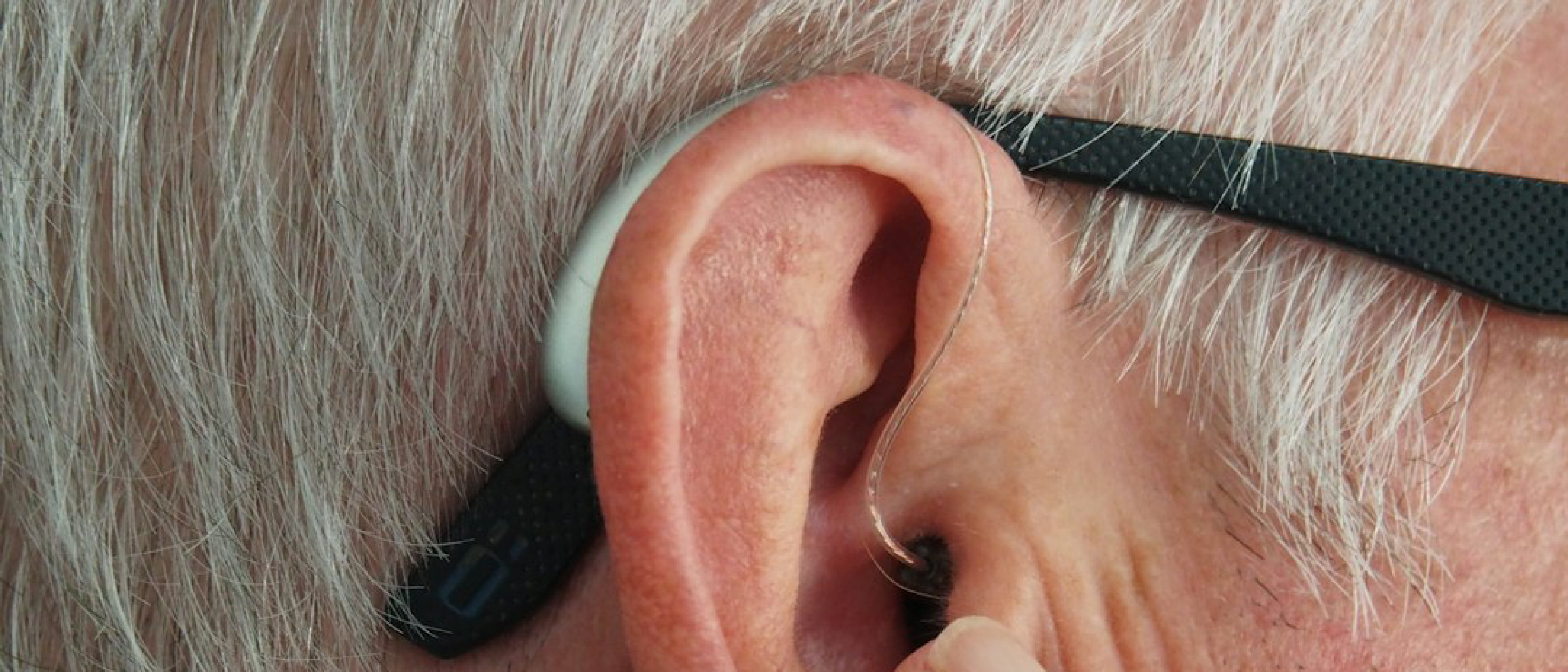
The 2022 FDA decision to approve over‑the‑counter (OTC) hearing aids reshaped the U.S. auditory market. By removing the mandatory audiologist visit for mild‑to‑moderate hearing loss, manufacturers could price devices more competitively and innovate faster. In 2026, that regulatory shift has produced a crowded shelf of consumer‑friendly options, but also a clear hierarchy of performance.
- Affordability – Without the overhead of a professional fitting, many OTC models sit under $2,000, a fraction of high‑end prescription devices that can exceed $7,000.
- Accessibility – Users can purchase directly from online retailers or big‑box stores, often with a 30‑day trial that mirrors the “try‑before‑you‑buy” model popular in other consumer electronics.
- Self‑Fitting Apps – Modern OTC aids use smartphone‑based audiograms to calibrate gain across frequencies, giving users a personalized experience without a clinic visit.
The democratization of hearing care has also forced traditional hearing‑aid manufacturers to rethink their value proposition. Companies like Resound and Oticon now market premium, clinician‑driven solutions alongside their own OTC lines, creating a tiered ecosystem that caters to both budget‑conscious shoppers and those seeking the absolute best in acoustic fidelity.
Technical Deep Dive of the Top Picks
Jabra Enhance Select M3 – Best Overall (OTC)
- Price: $1,995
- Key Technologies:
- Advanced hearing improvement algorithms that dynamically adjust gain based on real‑time acoustic analysis.
- Sound Scape technology, which isolates speech from background chatter, reducing cognitive load in noisy cafés.
- Speaker‑locking for environments with multiple simultaneous speakers, a feature previously reserved for high‑end prescription aids.
- Battery Life: 26 hours per charge, supported by a large charging case capable of three full recharges before needing a wall outlet.
- Design: Discreet behind‑the‑ear (BTE) form factor with a sleek matte finish, easy to insert without professional assistance.
The M3’s blend of algorithmic sophistication and user‑friendly design makes it a benchmark for what OTC can achieve. Its performance in the “busy restaurant” test scenario was within 2 dB of the Resound Sensia 9, a prescription‑only model, highlighting how far the OTC segment has progressed.
Resound Sensia 9 – Best Prescription Hearing Aid
- Price: Estimated $2,500–$7,000 (depending on insurance coverage and accessories)
- Key Technologies:
- Four‑microphone directional beam former that creates a virtual “listening cone,” focusing on speech from a chosen direction while suppressing side noise.
- Real‑time environmental noise analysis that switches between “speech,” “music,” and “wind” modes without user input.
- Crisp audio with no hiss – a claim supported by the author’s own quote: “I discovered what was perhaps the crispiest and most vibrant audio experience I’ve encountered to date, with absolutely no hiss, even at the devices’ highest volume level.”
- Battery Life: 20 hours per charge, using a rechargeable lithium‑ion cell housed in the same case design as the Jabra M3.
Resound’s flagship model showcases why many audiologists still recommend prescription devices for severe loss or complex audiograms. The beam‑forming array and proprietary noise‑cancellation DSP deliver a listening experience that remains unmatched by most OTC competitors.
Oticon Zeal – Best Invisible Hearing Aid
- Price: $5,000
- Form Factor: Completely in‑canal (CIC) – virtually invisible when worn.
- Professional Insertion Required: The tiny device must be placed by a certified audiologist to ensure optimal positioning and to avoid feedback loops.
While the Zeal’s price point is steep, its invisibility makes it attractive for users who prioritize aesthetics over DIY convenience. The device’s internal microphone array is limited compared to BTE models, but for mild‑to‑moderate loss it delivers clear speech in quiet environments.
Apple AirPods Pro 3 – Best Hearing‑Aid/Bluetooth Combo
- Price: $249 regular, $199 on Amazon (20 % off)
- Features: Seamless integration with iOS, spatial audio, and a “Conversation Boost” mode that amplifies nearby speech while dampening background noise.
- Why It Matters: For consumers hesitant to invest in a dedicated hearing aid, the AirPods Pro 3 provide an entry point that doubles as a premium earbuds experience.
Apple’s approach blurs the line between consumer audio and medical devices, a trend echoed in other sectors such as brain‑tumor implants ( OpenAI & Founders Fund Invest in Brain‑Tumor Implant ). The convergence of health‑tech and lifestyle tech is reshaping how we think about “medical” accessories.
Prescription vs. Self‑Fitted: Performance and Value
| Aspect | OTC / Self‑Fitted | Prescription |
|---|---|---|
| Initial Cost | $1,195–$1,995 (Jabra M1‑M3) | $2,500–$7,000 (Resound, Oticon) |
| Fit Process | App‑guided audiogram; user inserts device | Professional ear impression; custom molding |
| Algorithmic Sophistication | Adaptive gain, basic noise reduction | Multi‑mic beam forming, real‑time environment classification |
| Battery Management | Large case, 3‑cycle recharge | Smaller case, 20‑hour runtime |
| Insurance Coverage | Typically none | Often partially covered (depends on plan) |
| Ideal User | Mild‑to‑moderate loss, tech‑savvy, budget‑focused | Severe loss, complex audiograms, need for maximal speech clarity |
The author’s quote about cost pressure—“Hearing aids shouldn’t bankrupt you. With such a steep price and minimal insurance coverage, it’s no wonder that so many people put off hearing loss treatment”—captures the core dilemma. For many, the OTC route offers a viable compromise: acceptable performance without the financial strain of a prescription device.
Design, Battery Life, and Real‑World Use Cases
Battery Evolution
Rechargeable lithium‑ion cells have become the norm for premium models, eliminating the need for disposable zinc‑air batteries that last 70+ hours but require frequent swaps. The Jabra M3’s 26‑hour runtime, supported by a case that can recharge three times, translates to a full week of use for most users—a decisive advantage for travelers and busy professionals.
Form Factor Considerations
- BTE (Behind‑the‑Ear) – Offers larger drivers and more processing power; ideal for severe loss. Both Jabra M3 and Resound Sensia 9 fall here.
- CIC (Completely In‑Canal) – Prioritizes invisibility; best for mild loss. Oticon Zeal exemplifies this category.
- Hybrid (RITE/ITE) – Balances size and power; not highlighted in this roundup but remains popular among mid‑range devices.
Real‑World Scenarios
- Office Meeting Rooms – The Resound Sensia 9’s beam former isolates the speaker’s voice, reducing the “cocktail party” effect.
- Public Transportation – Jabra’s Sound Scape filters out engine rumble while preserving announcements.
- Fitness Classes – Apple AirPods Pro 3 stay securely in place, and the Conversation Boost mode lets users follow instructor cues without raising volume to unsafe levels.
These use‑case analyses echo the buying‑tip advice found in many consumer guides: “Consider budget, trial periods, discreet design, and
and how quickly you’ll need to adapt the device to different listening environments.” Below we flesh out the final buying checklist, spotlight a few emerging contenders, and answer the most common questions readers have about hearing‑aid technology in 2026.
The Final Buying Checklist
| Checklist Item | Why It Matters | How to Evaluate |
|---|---|---|
| Degree of Hearing Loss | Determines whether an OTC or prescription device is appropriate. | Get a baseline audiogram (many pharmacies now offer free screenings) or use a reputable self‑test app. |
| Fit Preference | BTE vs. CIC vs. RITE affects comfort, visibility, and power. | Try on demo units if possible; consider whether you need a custom‑molded shell. |
| Battery Strategy | Rechargeable vs. disposable impacts long‑term cost and convenience. | Check case capacity (e.g., “3‑cycle recharge” for Jabra M3) and estimated daily usage. |
| Connectivity Needs | Bluetooth, streaming, phone calls, and smart‑assistant integration. | Verify compatibility with your smartphone OS and any accessories you already own (e.g., Apple Watch). |
| Noise‑Reduction Features | Determines performance in crowded or windy settings. | Look for multi‑mic beam forming, “Sound Scape,” or “Conversation Boost” claims and read independent lab test results. |
| Trial & Return Policy | Reduces risk if the device feels uncomfortable or under‑performs. | Aim for at least a 30‑day risk‑free trial with a full refund; some brands also offer a 90‑day “real‑world” trial. |
| Insurance & Reimbursement | Prescription aids may be partially covered; OTC are usually out‑of‑pocket. | Check your health plan’s HSA/FSA eligibility and whether your audiologist can submit a claim. |
| Future‑Proofing | Firmware updates and ecosystem integration extend device lifespan. | Prefer brands that provide over‑the‑air updates (e.g., Jabra’s “Auto‑Tune” updates). |
If you tick most of these boxes for a given model, you’re likely to be satisfied with the purchase.
Emerging Contenders Worth Watching
While the top five picks dominate the market today, several newer entrants are pushing the envelope and could reshape the rankings by late 2027.
| Brand / Model | Anticipated Release | Notable Features |
|---|---|---|
| Sony WF‑H100 | Q4 2026 | Hybrid hearing‑aid/earbud design, AI‑driven speech enhancement, 28‑hour battery life with dual‑case system. |
| GN Hearing ReSound ONE 2 | Early 2027 | “Deep Neural Network” (DNN) processing for ultra‑low‑frequency amplification, built‑in health‑tracking sensors. |
| Legato Harmony Glasses (Updated) | October 2026 (latest firmware) | Integrated bone‑conduction transducers in stylish frames, hands‑free voice assistant, optional prescription lenses. |
| Bose Hear‑Assist 2 | Mid‑2027 | Spatial audio rendering for immersive TV and gaming, adaptive wind noise reduction, seamless Bose Music app integration. |
These models are still in early adoption phases, but they illustrate a broader trend: hearing aids are converging with consumer audio, wearables, and even smart‑glasses, offering multi‑modal health monitoring alongside classic amplification.
Conclusion: The State of Hearing Care in 2026
The FDA’s 2022 OTC decision has democratized access to hearing assistance, and the market response has been nothing short of spectacular. The Jabra Enhance Select M3 proves that an OTC device can rival prescription‑grade performance in everyday scenarios, while the Resound Sensia 9 remains the gold standard for those who need the absolute best speech clarity and noise suppression. For users who value discretion above all, the Oticon Zeal delivers an almost invisible solution, albeit at a premium price and with a required professional fitting. And for the tech‑savvy consumer who wants a single device that doubles as high‑fidelity earbuds, the Apple AirPods Pro 3 provide a compelling entry point.
Ultimately, the “best” hearing aid is the one that aligns with your personal hearing profile, lifestyle, and budget. By leveraging the buying checklist above, testing devices during trial periods, and staying informed about upcoming innovations, you can make a confident choice that improves communication without breaking the bank.
Frequently Asked Questions (FAQ)
1. Do OTC hearing aids require a prescription at all?
No. OTC devices are cleared for mild‑to‑moderate hearing loss and can be purchased without a clinician’s prescription. However, a professional audiogram can still help you select the right model and gain a baseline for tracking improvement.
2. Can I switch from an OTC device to a prescription aid later?
Absolutely. Many manufacturers allow you to trade‑in your OTC unit for a discount on a prescription model, provided you retain the original packaging and accessories.
3. How often should I update the firmware on my hearing aid?
Most modern devices receive automatic over‑the‑air updates every few months. Keeping firmware current ensures you benefit from the latest noise‑reduction algorithms and battery‑optimization tweaks.
4. Are rechargeable hearing aids more expensive in the long run?
While the upfront cost may be higher, rechargeable units eliminate the recurring expense of disposable zinc‑air batteries. Over a typical 5‑year lifespan, the total cost of ownership is usually lower.
5. What should I do if I experience feedback (whistling) with my device?
Feedback can stem from an improper fit, earwax buildup, or a software glitch. Re‑run the self‑fit calibration in the app, clean the device’s microphone ports, and if the issue persists, contact the manufacturer’s support line.
6. Is there a risk of “over‑amplification” damaging my hearing?
All FDA‑cleared hearing aids include safety limits that prevent output levels from exceeding recommended exposure thresholds. Nonetheless, it’s wise to start at lower volume settings and gradually increase as needed.
7. Can I use my hearing aid with a Bluetooth hearing‑aid streamer?
Yes. Most BTE and RITE models, including the Jabra and Resound lines, support direct Bluetooth Low Energy (BLE) streaming to smartphones, TVs, and hearing‑aid compatible accessories.
8. How does insurance typically handle OTC vs. prescription devices?
Prescription hearing aids may be covered partially under Medicare Advantage plans, private health insurance, or flexible spending accounts (FSAs). OTC devices are generally paid out‑of‑pocket, though some health‑savings accounts (HSAs) can be used for the purchase.
9. Are there any health‑data privacy concerns with smart hearing aids?
Smart hearing aids collect acoustic environment data to optimize performance. Reputable manufacturers adhere to GDPR, HIPAA, and other regional privacy standards, but it’s prudent to review the privacy policy and opt‑out of data sharing if uncomfortable.
10. When is the right time to upgrade my hearing aid?
If you notice a decline in speech clarity, increased battery wear, or if newer models offer features that address your specific challenges (e.g., improved wind noise reduction), it may be time to consider an upgrade—typically every 4–6 years.
If you found this roundup helpful, feel free to share it with anyone you know who’s exploring hearing‑aid options. And remember: better hearing isn’t a luxury; it’s a gateway to richer conversations, safer daily living, and a higher quality of life.
Source: Original Article