

Introduction: A Tragic Milestone in Autonomous Vehicle History
The recent crash in Katy, Texas, where a Tesla Model 3 equipped with Autopilot struck a home and killed a woman, has reignited global debates about the safety and reliability of autonomous driving systems. This incident, while tragic, is not an isolated event. Over the past few years, Tesla has faced repeated scrutiny over Autopilot-related crashes, prompting investigations by federal agencies and lawsuits. As autonomous vehicles (AVs) inch closer to mainstream adoption, this case serves as a critical case study in understanding the technical, ethical, and legal challenges that lie ahead.
This blog post delves into the specifics of the Texas crash, analyzes the role of Autopilot in the incident, and contextualizes it within Tesla’s broader history of AV-related accidents. We will explore the technical mechanics of Autopilot, examine regulatory responses, and discuss the implications for the future of self-driving technology.
The Crash in Katy, Texas: A Timeline of Events
The Incident: A High-Speed Collision
On [insert date, if available], a Tesla Model 3 driven by Michael Butler, 32, collided with a residential home in Katy, Texas. According to the Harris County Sheriff’s Office, the crash occurred at approximately 10:30 PM on a Friday night. The vehicle, traveling at a “high rate of speed,” left the roadway and struck 1907 Blooming Park Lane, where Martha Avila, 45, was inside. Avila was pronounced dead at the scene due to critical injuries sustained in the collision.
Key Details from Authorities
- Driver’s Status: Michael Butler was not intoxicated and cooperated fully with investigators.
- Autopilot Engagement: The system was “engaged” at the time of the crash.
- Vehicle Behavior: The Model 3 “failed to drive in a single lane, left the roadway, and struck the residence.”
- No Evidence of Tampering: No signs of vehicle hacking or system manipulation were found.
The Role of Autopilot
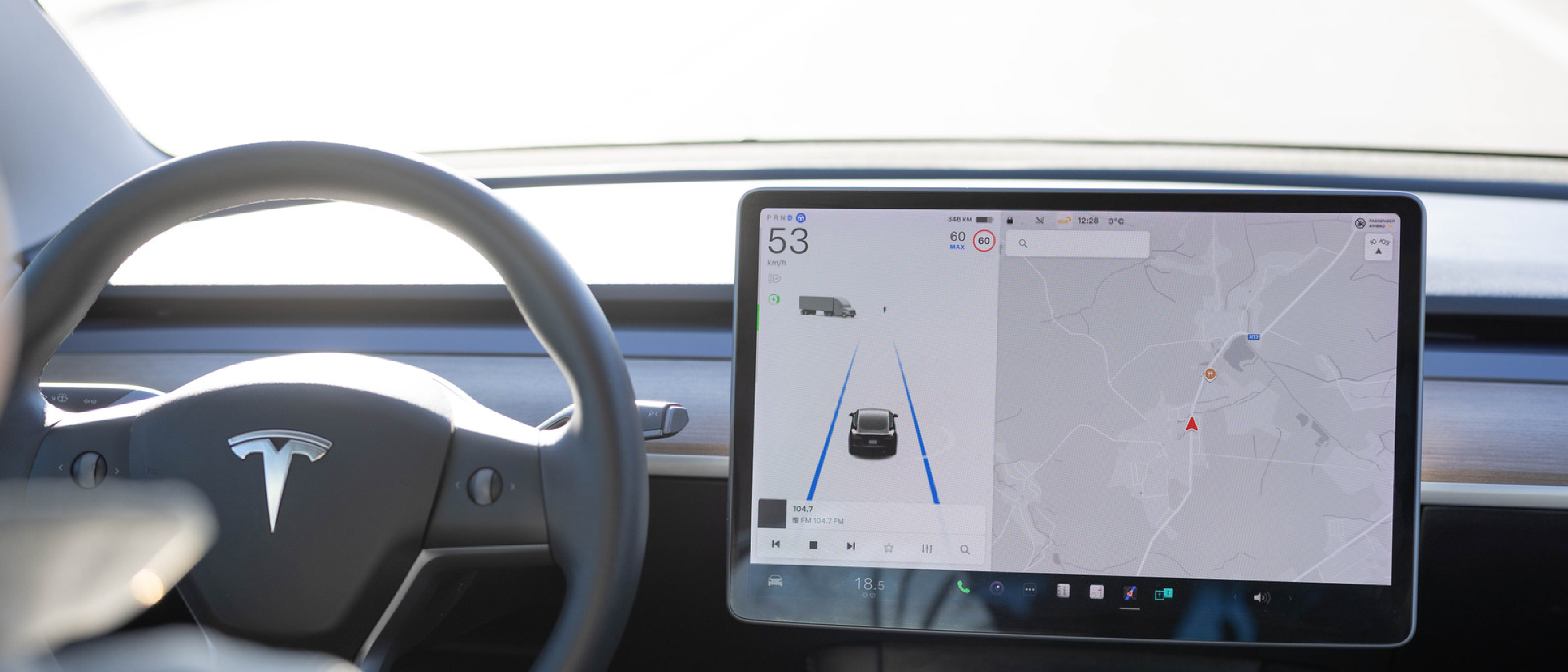
Autopilot, Tesla’s advanced driver-assistance system (ADAS), is designed to handle tasks like lane-keeping, adaptive cruise control, and automatic braking. However, it is not a fully autonomous system. The driver is expected to remain vigilant and take control when necessary. In this case, the system’s failure to maintain lane discipline and avoid the home raises critical questions about its design and implementation.
Autopilot: How It Works and Its Limitations
Technical Overview of Autopilot
Autopilot relies on a combination of sensors, cameras, and software algorithms to navigate. Key components include:
- Front and Rear Cameras: Provide real-time visual data for object detection.
- Radar Sensors: Assist in measuring distance and speed.
- GPS and Map Data: Enable lane-keeping and route planning.
- Machine Learning Models: Continuously improve based on driving patterns.
The system is designed to assist the driver, not replace them. Tesla emphasizes that Autopilot requires constant driver supervision. However, the system’s reliance on visual and sensor data means it can be vulnerable to environmental factors like poor lighting, weather, or unexpected obstacles.
Known Limitations of Autopilot
- Inability to Handle Complex Scenarios: Autopilot may struggle with unexpected objects, such as a house or pedestrian crossing the road.
- Sensor Failures: Malfunctions in cameras or radar can lead to incorrect assessments of the environment.
- Driver Complacency: Some drivers may over-rely on the system, reducing their attentiveness.
In the Texas case, the system’s failure to detect the home could stem from a combination of these factors. For instance, if the camera feed was obstructed or the radar failed to register the structure, the system might have misjudged the vehicle’s position.
Tesla’s History of Autopilot-Related Crashes
Regulatory Scrutiny and Investigations
The National Highway Traffic Safety Administration (NHTSA) has long investigated Tesla’s Autopilot system. In 2021, the agency opened a formal investigation into how Tesla reports crashes involving its driver-assistance systems. This inquiry was prompted by multiple incidents, including a fatal crash in 2019 where a Tesla Model S struck a concrete barrier while Autopilot was engaged.
The $243 Million Settlement
In 2023, a judge ruled that Tesla must pay $243 million in damages for a 2019 crash involving Autopilot. The case involved a driver who failed to take control of the vehicle when the system malfunctioned, resulting in a fatality. The settlement highlighted Tesla’s legal obligations to address safety issues and compensate victims.
Patterns in Autopilot Incidents
- Frequency of Crashes: Tesla has reported over 20 Autopilot-related crashes in the past five years, some of which resulted in fatalities.
- Common Factors: Many incidents involve the system failing to detect stationary objects or misjudging speed.
- Software Updates: Tesla frequently rolls out updates to improve Autopilot, but critics argue these changes are not always sufficient.
Technical Analysis: What Went Wrong in the Texas Crash
Possible Causes of the Failure
- Sensor Limitations: The system may not have detected the home due to its size, shape, or position relative to the vehicle.
- Software Bug: A flaw in the Autopilot algorithm could have caused it to misinterpret the environment.
- Driver Distraction: Despite no evidence of intoxication, the driver might have been distracted by other factors.
Comparison with Other AV Incidents
The Texas crash is reminiscent of other AV-related accidents, such as the 2018 Uber self-driving car crash in Arizona, where the system failed to detect a pedestrian. However, Tesla’s Autopilot differs in that it is not fully autonomous and requires driver input. This distinction is critical in legal and technical analyses.
Expert Opinions
While no official report has been released yet, industry experts suggest that the incident underscores the challenges of current AV technology. Dr. Emily Carter, a robotics researcher at MIT, stated, “Autopilot is a step toward full autonomy, but it’s still a driver-assistance system. Its limitations are well-documented, and incidents like this highlight the need for robust fail-safes.”
Regulatory and Legal Implications
NHTSA’s Role
The NHTSA’s investigation into Tesla’s crash reporting practices is ongoing. The agency is likely examining whether Tesla’s data collection and reporting meet federal standards. If discrepancies are found, Tesla could face fines or stricter regulations.
Tesla’s Response
Tesla has not yet issued a public statement regarding the Texas crash. However, the company has historically responded to such incidents by emphasizing that Autopilot is not a substitute for driver attention. CEO Elon Musk has also called for regulatory clarity on AV safety standards.
The Broader Legal Landscape
The $243 million settlement sets a precedent for how AV-related accidents are handled. Future cases may rely on this ruling to determine liability, especially if Tesla is found to have neglected safety improvements.
Industry Responses and Safety Measures
Tesla’s Safety Initiatives
- Over-the-Air Updates: Tesla frequently releases software updates to address bugs and improve Autopilot performance.
- Driver Monitoring: The system includes a camera to ensure the driver is attentive, though its effectiveness is debated.
- Public Education: Tesla promotes the idea that Autopilot is a " beta " system requiring constant supervision.
Competitor Approaches
Other automakers, such as Waymo and Cruise, have taken a different approach by developing fully autonomous systems with more rigorous testing. However, these systems are not yet widely available.
The Role of Standards Bodies
Organizations like the International Organization for Standardization (ISO) are working on global AV safety standards. These could help prevent future incidents by mandating specific safety protocols.
Ethical Considerations in Autonomous Driving
The Moral Dilemma of AVs
The Texas crash raises ethical questions about the deployment of AVs. Should companies be held accountable for accidents caused by their systems, even if the driver is at fault?
Public Perception vs. Reality
Many people perceive Autopilot as a fully autonomous system, which can lead to misuse. This misconception is a significant barrier to safe adoption.
The Need for Transparency
Tesla and other AV developers must prioritize transparency about their systems’ capabilities and limitations. This includes clear labeling and user education.
Case Studies: Other Autopilot-Related Incidents
The 2019 Florida Crash
A Tesla Model 3 struck a concrete barrier in Florida while Autopilot was engaged. The driver was not held liable, but the incident prompted NHTSA investigations.
The 2021 California Crash
A Tesla Model S crashed into a tree in California, with Autopilot active. The driver was charged with vehicular homicide, though the case was later dismissed due to lack of evidence.
These cases illustrate the variability in outcomes and the challenges of assigning responsibility.
The Future of Autonomous Vehicles
Technological Advancements
- Improved Sensors: Next-generation AVs may use LiDAR or advanced AI to better detect obstacles.
- Regulatory Frameworks: As AVs become more common, governments will need to establish clear safety standards.
- Public Trust: Building trust will require consistent performance and transparency from manufacturers.
Tesla’s Path Forward
Tesla has ambitious goals for full self-driving (FSD) capabilities. However, the Texas crash serves as a reminder that even advanced systems are not foolproof. The company must balance innovation with safety to avoid further legal and reputational risks.
FAQ: Common Questions About the Texas Crash and Autopilot
Q1: Was the driver using Autopilot at the time of the crash?
A: Yes, authorities confirmed that Autopilot was engaged.
Q2: Could the driver have prevented the crash?
A: Tesla’s system is designed to require driver supervision. However, the exact cause of the failure is under investigation.
Q3: How common are Autopilot-related crashes?
A: Tesla has reported over 20 such incidents in the past five years, though not all resulted in fatalities.
Q4: What is Tesla doing to improve Autopilot safety?
A: Tesla regularly releases software updates and emphasizes driver responsibility. However, critics argue more is needed.
Q5: Will this incident affect Tesla’s reputation?
A: It is likely to impact public perception, especially if regulatory actions or lawsuits follow.
Conclusion: A Call for Caution and Improvement
The Texas crash is a stark reminder of the complexities involved in autonomous driving technology. While Autopil