






The autonomous vehicle (AV) industry has reached a critical inflection point. For years, the narrative was dominated by “the promise” of self-driving technology—endless loops of test miles and optimistic whitepapers. However, the current landscape reveals a decisive shift. The industry is moving away from generalized experimentation and toward a “pick your lane” strategy, where companies are choosing between niche commercial applications, specific geographic dominance, or deep OEM partnerships to survive and scale.
The Three Pillars of AV Scaling Strategies
As the cost of developing Level 4 and Level 5 autonomy becomes astronomical, companies are abandoning the “solve everything everywhere” approach in favor of three distinct scaling methodologies.
1. Strategic OEM Partnerships
Rather than building entire vehicle fleets from scratch, software-first companies are integrating their stacks into existing automotive giants. Wayve is a prime example, partnering with Mercedes-Benz to integrate automated driving technology into at least one production model within the next two years. While this specific implementation targets Level 2 (requiring an engaged human driver), it provides a critical revenue stream and real-world data pipeline. Wayve has further diversified this approach with partnerships involving Nissan and Stellantis, effectively turning their AI into a plug-and-play component for traditional manufacturers.
2. Geographic Concentration
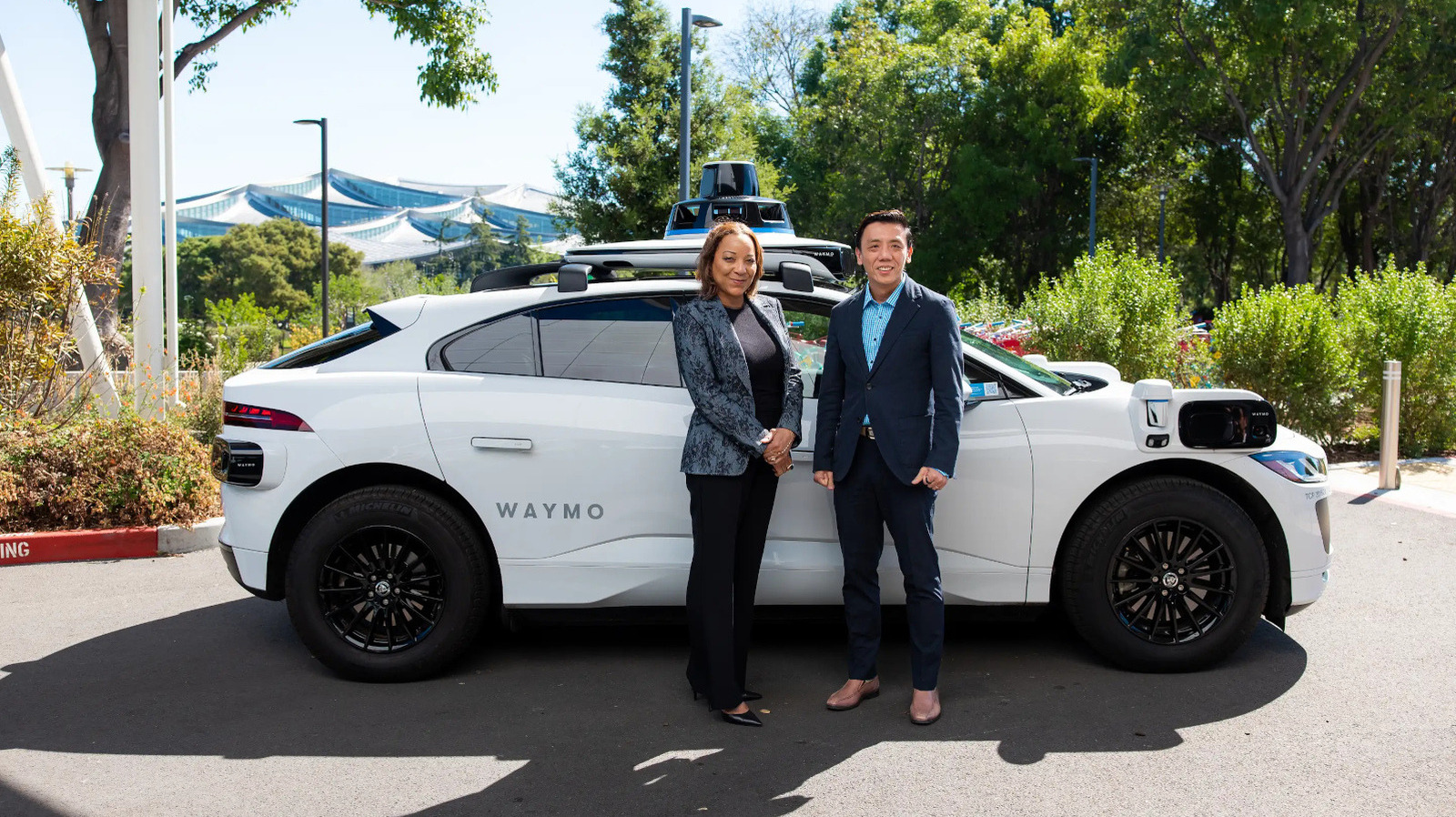
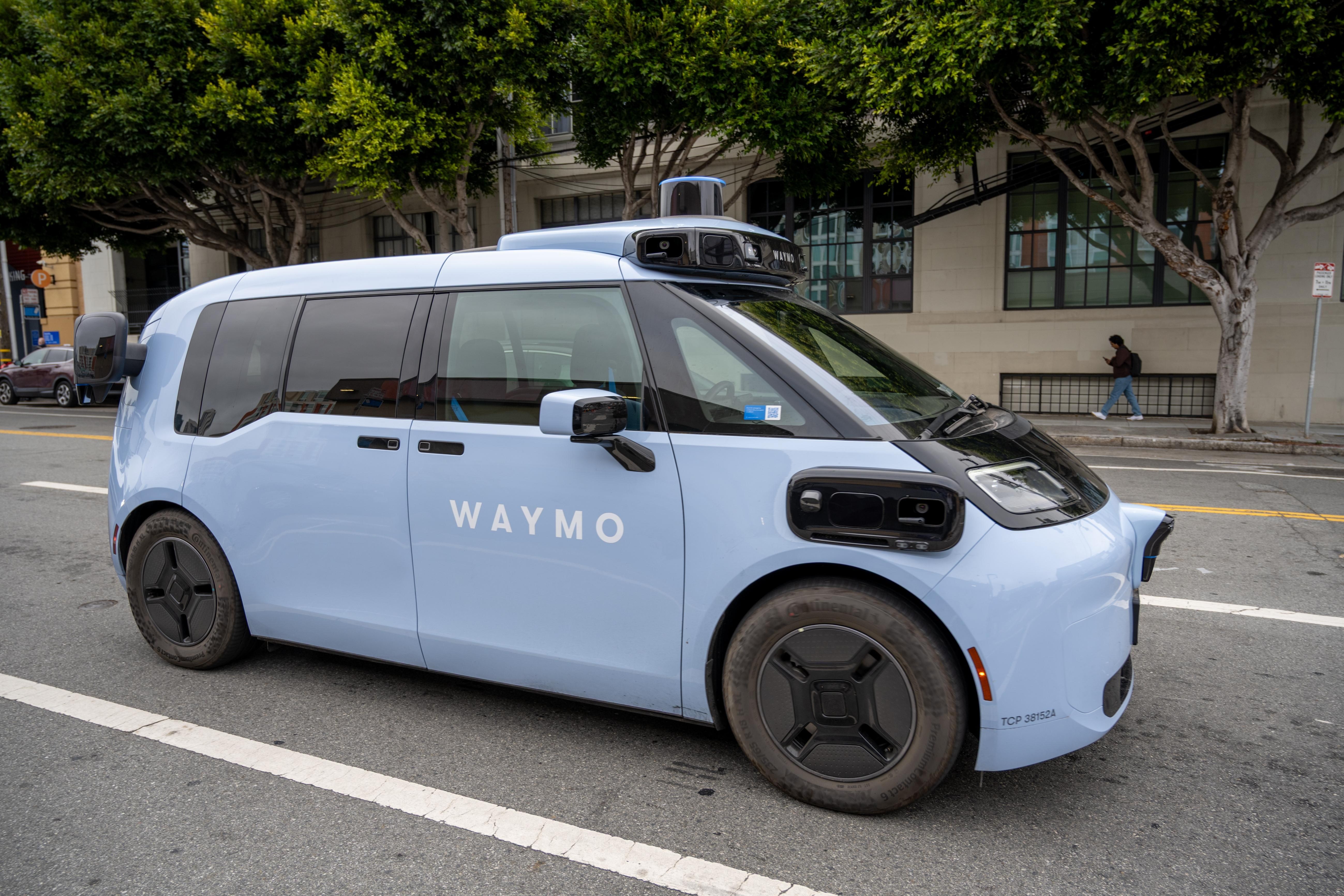
The “geofencing” strategy has evolved from a limitation into a competitive advantage. Waymo has leaned heavily into this, with approximately 80% of its 4,000-robotaxi fleet concentrated in California and Texas. By dominating specific urban corridors, Waymo can optimize its AI for local nuances, weather patterns, and traffic laws. The efficacy of this approach is evident in the growth metrics; Waymo’s Texas fleet expanded by more than 49% in just three weeks, proving that density often beats breadth in the early stages of commercialization.
3. User Base Expansion
To move beyond the “early adopter” phase, AV firms are broadening their target demographics. Waymo is notably expanding its user base to include teenagers, recognizing that capturing the next generation of riders is essential for long-term market penetration. Similarly, the partnership between Nissan and Uber to launch a robotaxi service in Tokyo demonstrates a move toward high-density, high-demand international markets.
Heavy Hauling: The Autonomous Trucking Frontier
While passenger robotaxis capture the headlines, the logistics sector is where the most immediate economic impact is occurring. Aurora, led by CEO Chris Urmson, has declared that the company has “emerged from the building stage.” Aurora is focusing exclusively on self-driving trucks, primarily concentrated in the Texas triangle.
The roadmap for autonomous freight is aggressive:
- 2024 Goal: Deployment of over 200 driverless trucks.
- 2030 Goal: A massive scale-up to more than 30,000 driverless trucks in operation.
This shift toward trucking is mirrored by Einride, the Swedish firm now adopting Nvidia’s Hyperion platform for its next-generation systems. The integration of high-performance compute platforms like Hyperion is essential for handling the massive data throughput required for heavy-duty autonomous hauling. Meanwhile, Tesla has begun the first deliveries of its all-electric Semi trucks. While charging infrastructure remains a significant hurdle for the Semi, the transition to electric, autonomous freight represents a fundamental shift in global supply chain logistics.
Safety Failures and the Regulatory Reckoning
The path to commercialization has not been without severe setbacks. As these systems move from controlled environments to public roads, the “edge cases” are becoming lethal. Comma, known for its aftermarket hands-off driver-assistance tech, is currently under federal investigation following five crashes that resulted in three deaths. This highlights the inherent danger of “consumer-grade” autonomy that lacks the rigorous redundancies of commercial-grade systems.
Even the most sophisticated players are facing operational crises. Zoox recently grounded its test fleet in Atlanta after safety drivers were exposed to hazardous gases, including carbon monoxide and hydrogen sulfide, within Toyota Highlander SUVs equipped with Zoox systems. This incident, which triggered an OSHA inquiry, underscores a critical technical reality: the hardware environment (the vehicle) is just as important as the software stack.
In an era where software vulnerabilities can lead to physical catastrophes, the industry must prioritize security. Just as the tech world reacted to the Zoom Zero‑Day Exploit: Remote Takeover of iPhone & Mac by patching critical holes, AV companies must harden their systems against both physical failures and digital intrusions. The risk of a remote takeover of a 40-ton autonomous truck is a systemic threat that requires the same level of scrutiny as a Zoom Annotation Flaw Patched After AI‑Prompt Exploit .
The Financial Landscape and Future Outlook
The AV sector is seeing a wave of financial restructuring as companies seek the capital necessary to reach profitability. We are seeing a surge in IPO activity and confidential filings:
- Carro: Exploring a dual listing on the Nasdaq and Singapore Exchange.
- Eco Ceres: Planning a massive ~$1 billion IPO in Hong Kong.
- May Mobility: Pursuing a public debut via a blank-check company merger.
- Spinny & PMI Electro Mobility Solutions: Both have filed confidentially for IPOs.
Beyond the public markets, niche innovation continues. Ultraviolette, an Indian electric motorcycle manufacturer, recently raised $85 million, signaling that the “autonomous” trend is spilling over into two-wheeled mobility. We are also seeing the rise of specialized robotics, such as Pit Pro Automation’s tire-changing robot now live in Canada, and The Boring Company’s “simple precursor Hyperloop” aiming to connect Austin and San Antonio in under 30 minutes.
As we look toward Disrupt 2026, the industry is no longer asking if autonomous driving will happen, but where and how it will be monetized. The transition from “building” to “operating” is fraught with risk, but the concentration of fleets and the deepening of OEM partnerships suggest that the industry is finally maturing.
FAQ: The State of Autonomous Vehicles
What is the difference between Level 2 and Level 4 autonomy? Level 2 autonomy, such as the tech Wayve is integrating into Mercedes-Benz, handles specific maneuvers but requires a human driver to remain fully engaged. Level 4 autonomy allows the vehicle to operate without human intervention within a specific geographic area (geofencing).
Why are AV companies focusing on Texas and California? These regions offer a combination of favorable regulatory environments, high demand for logistics (Texas), and a dense ecosystem of tech talent and testing infrastructure (California).
What are the primary risks currently facing AV companies? The primary risks include regulatory scrutiny following fatal accidents (as seen with Comma), workplace safety failures (as seen with Zoox), and the massive capital expenditure required to maintain fleets before they become profitable.
Source: Original Article