






The Legislative Landscape of Online Harm Protection
In recent years, the United States has seen a surge of bipartisan bills aimed at curbing digital abuse, deep‑fake manipulation, and platform‑enabled exploitation. The core thrust of these proposals is to eliminate forced arbitration clauses that keep victims out of public courts, especially when the alleged harm involves minors.
Key elements of the emerging framework include:
- Mandatory opt‑out rights for any user under 18 who wishes to pursue a civil claim.
- Statutory definitions of “online harm” that encompass deep‑fake creation, non‑consensual image distribution, and grooming behaviors.
- Enhanced enforcement powers for state attorneys general to investigate platform‑level negligence.
The Senate Judiciary subcommittee’s recent hearing is a direct response to the growing pressure from consumer‑advocacy groups and child‑protection NGOs, who argue that arbitration clauses effectively grant tech companies a legal shield.
The Senate Judiciary Hearing: Spotlight on Roblox
On Tuesday, the Senate Judiciary subcommittee convened a high‑profile hearing titled “Ending Forced Arbitration for Online Harms.” While the hearing addressed a broad range of platforms, Roblox emerged as the immediate focal point.
Roblox, a user‑generated content platform popular with children aged 8‑15, has long required users to accept a standard Terms of Service (ToS) that includes an arbitration clause. Critics contend that:
- Minors are signing away their right to sue without fully understanding the legal ramifications.
- The clause is enforced even when the user is under ten, a demographic that cannot legally consent to arbitration.
- The platform’s moderation tools have been deemed insufficient to prevent grooming attempts, leading to allegations that the arbitration clause is used to sidestep accountability.
During the hearing, senators questioned Roblox executives about the age‑verification mechanisms, the transparency of their dispute‑resolution process, and the company’s cooperation with law‑enforcement investigations. No formal legislative language was introduced at the session, but the subcommittee signaled that a comprehensive bill could be drafted before the close of 2026.
Technical and Legal Mechanics of Forced Arbitration
How Arbitration Clauses Are Embedded
Most consumer‑facing platforms embed arbitration language deep within lengthy ToS agreements. The clause typically states:
“Any dispute arising out of or related to your use of the service shall be resolved exclusively through binding arbitration, and you waive your right to a jury trial or class action.”
From a technical standpoint, the clause is not a separate code module but a contractual term that is enforced by the platform’s backend when a user initiates a dispute. The platform’s support portal may automatically route the complaint to a third‑party arbitration provider, often without notifying the user of the option to opt out.
Legal Precedent and the Arbitration Exception
The Federal Arbitration Act (FAA) has historically favored arbitration, but recent court decisions (e.g., AT&T Mobility v. Concepcion, 2024) have begun to carve out exceptions when the consumer is a minor. The Senate hearing referenced these cases, arguing that the FAA should not apply when the contract was signed by a child under the age of legal capacity.
Platform‑Level Mitigations
Roblox and similar services can implement technical safeguards to reduce reliance on arbitration:
- Real‑time age verification using AI‑driven document scanning.
- Automated content moderation pipelines that flag grooming language patterns.
- Transparent dispute dashboards that allow users to view the status of their claim and request a court filing.
These measures not only improve user safety but also reduce the legal risk of being accused of “forcing arbitration on minors.”
Why It Matters: Protecting Minors and Platform Accountability
The Human Cost
When a child is groomed on a platform, the trauma extends beyond the immediate incident. Victims often face:
- Long‑term psychological effects such as anxiety and trust issues.
- Barriers to justice when arbitration clauses prevent them from accessing public courts.
- Limited recourse if the arbitration award is confidential, leaving other users unaware of systemic failures.
The Policy Rationale
Legislators argue that public litigation serves a deterrent function. When platforms know they can be sued in open court, they are more likely to invest in robust safety features. Forced arbitration, by contrast, creates a “quiet settlement” environment where harmful practices can persist unchecked.
Industry Precedent
The hearing’s focus on Roblox could set a precedent for other child‑centric platforms, such as Discord’s gaming communities or Snapchat’s AR filters. If the Senate’s proposed legislation passes, it would compel all platforms that host minors to either eliminate forced arbitration or provide a clear, age‑appropriate opt‑out mechanism.
Industry Impact and Potential Responses
Immediate Business Implications
- Legal Costs: Companies may face a surge in litigation expenses as users opt for court proceedings.
- Product Roadmaps: Engineering teams will need to prioritize age‑verification and moderation tools, potentially diverting resources from feature development.
- Investor Sentiment: Firms that are perceived as non‑compliant could see a dip in valuation, especially if they operate in the high‑growth “kids‑tech” sector.
Competitive Landscape
Platforms that already eschew arbitration clauses—such as certain open‑source gaming ecosystems—could gain a competitive edge. Conversely, services that rely heavily on arbitration for cost control may need to re‑evaluate their risk models.
Cross‑Industry Lessons
The hearing’s concerns echo challenges faced in other domains:
- Security: The Zoom Zero‑Day Exploit: Remote Takeover of iPhone & Mac highlighted how hidden vulnerabilities can be weaponized when disclosure is limited. Similarly, hidden arbitration clauses conceal platform liability.
- Content Policy: YouTube’s recent crackdown on AI‑generated “slop” content (YouTube Fights AI Slop with New Monetization Rules) shows how platforms can shift policy quickly when public pressure mounts.
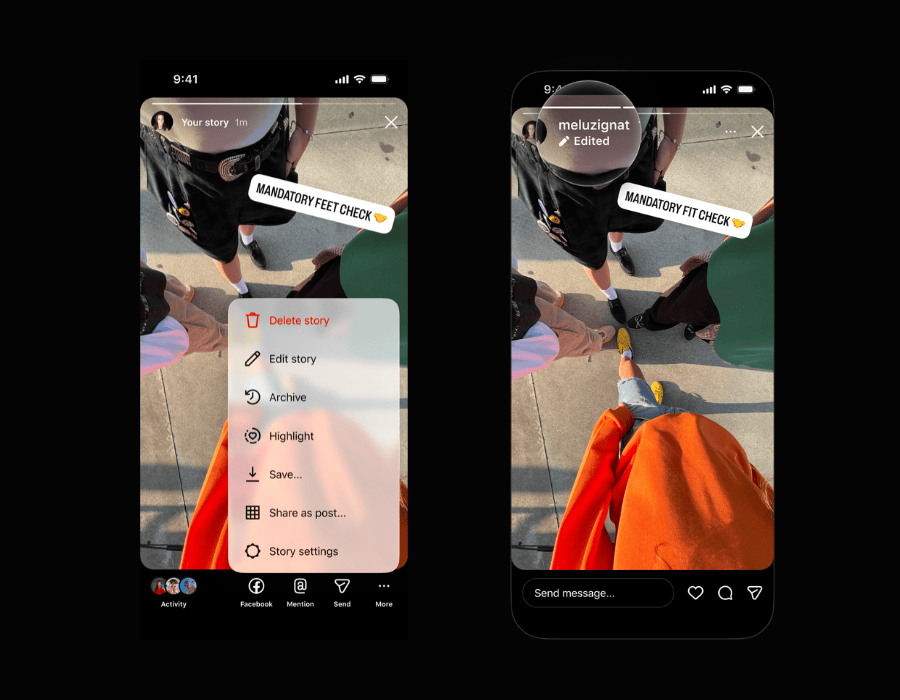
- User Experience: Instagram’s post‑story editing feature (Instagram Now Lets You Edit Stories After Posting) demonstrates that user‑centric updates can be rolled out rapidly, a lesson Roblox could apply to its safety tools.
Potential Corporate Strategies
- Voluntary Arbitration Reform: Companies may pre‑empt legislation by offering a “court‑first” option for minors, thereby preserving goodwill.
- Third‑Party Audits: Engaging independent auditors to certify moderation efficacy can serve as a public trust signal.
- Insurance Products: Cyber‑risk insurers might develop “online‑harm liability” policies that cover court costs, encouraging platforms to adopt more transparent dispute processes.
Future Outlook and Policy Recommendations
Legislative Timeline
If the Senate subcommittee’s recommendations are incorporated into a full bill, the expected enactment window is late 2026. The bill will likely include:
- A universal opt‑out clause for users under 18.
- Mandatory reporting of arbitration outcomes to a federal database.
- Stiffer penalties for platforms that fail to provide adequate age‑verification.
Technological Roadmap
To align with the anticipated legal environment, platforms should consider:
- AI‑driven behavioral analytics that detect grooming patterns in real time.
- Secure, privacy‑preserving identity verification (e.g., zero‑knowledge proofs) to confirm age without storing sensitive documents.
- Open‑source moderation frameworks that allow community scrutiny and rapid iteration.
Recommendations for Stakeholders
- Lawmakers: Draft clear definitions of “online harm” and ensure the bill does not unintentionally stifle innovation in safe‑by‑design technologies.
- Platform Executives: Conduct a compliance audit of all existing arbitration clauses, prioritize removal for under‑18 users, and publicize safety upgrades.
- Parents & Guardians: Advocate for platforms that provide transparent dispute mechanisms and educate children about the implications of signing ToS agreements.
Frequently Asked Questions
Q1: Does the proposed legislation apply to all online platforms? A: The intent is broad, targeting any service that collects personal data from minors and enforces arbitration clauses. However, the final bill may include carve‑outs for purely informational sites with no user‑generated content.
Q2: Can a minor still choose arbitration if they want to? A: The legislation aims to give minors the right to opt out, not to force them into court. Users can still elect arbitration voluntarily, but they must be presented with a clear, age‑appropriate choice.
Q3: How will this affect existing lawsuits against Roblox? A: Ongoing cases may be transferred to public courts if the arbitration clause is deemed unenforceable for minors. New claims filed after the law’s effective date will automatically follow the updated dispute‑resolution pathway.
Q4: What technical steps can platforms take right now? A: Implement real‑time age verification, upgrade AI moderation for grooming detection, and redesign the
redesign the user‑support workflow to surface dispute options before a claim is submitted. This includes:
- Dynamic consent screens that appear when a minor initiates a report, clearly explaining the difference between arbitration and court filing.
- Escalation pathways that automatically route high‑risk grooming reports to a dedicated safety team and, where appropriate, to law‑enforcement liaison units.
- Transparent outcome logs that publish anonymized arbitration results in a publicly accessible registry, allowing researchers and regulators to spot systemic issues.
Immediate Action Checklist for Platform Operators
| ✅ Action | Description | Timeline |
|---|---|---|
| Audit ToS language | Identify every clause that mandates arbitration for users under 18. | 30 days |
| Introduce opt‑out UI | Add a clear, age‑appropriate toggle in the account settings. | 60 days |
| Deploy AI‑based grooming detector | Leverage transformer‑based language models trained on verified grooming datasets. | 90 days |
| Partner with third‑party verification | Integrate services that can confirm age via government‑issued IDs without storing raw data. | 120 days |
| Publish a transparency report | Disclose the number of arbitration requests, court filings, and outcomes quarterly. | 180 days |
By following this roadmap, platforms can not only comply with forthcoming legislation but also demonstrate a genuine commitment to child safety.
Potential Legal Challenges and Industry Pushback
While the legislative momentum is strong, several legal hurdles could shape the final shape of the law:
- First‑Amendment Concerns – Critics argue that mandating public litigation may chill free‑speech protections for platforms that host user‑generated content. Courts will need to balance safety objectives against expressive rights.
- Preemption by Federal Arbitration Law – The FAA remains a powerful shield for contract enforcement. Plaintiffs may challenge the new statutes on preemption grounds, prompting a likely Supreme Court review.
- International Jurisdiction – Roblox operates globally, and many users reside outside the United States. Reconciling U.S. arbitration reforms with foreign data‑privacy regimes (e.g., GDPR) will require nuanced cross‑border compliance strategies.
Industry groups, including the Internet Association, have already begun drafting model arbitration reforms that aim to preserve some dispute‑resolution efficiencies while granting minors a clear opt‑out. The outcome of these negotiations will influence whether the final bill adopts a hybrid approach or a complete ban on forced arbitration for minors.
Broader Implications for the Tech Ecosystem
Shifts in Platform Business Models
- From “Freemium” to “Safety‑First” – Companies may start marketing robust safety features as a differentiator, similar to how privacy became a selling point after GDPR.
- Insurance‑Driven Risk Management – Cyber‑liability insurers are likely to offer lower premiums to platforms that can demonstrate compliance with the new arbitration standards and age‑verification protocols.
- Community‑Moderated Governance – Expect a rise in user‑governed safety councils, where parent and teen representatives help shape moderation policies, providing a layer of accountability beyond corporate boards.
Innovation Opportunities
- Zero‑Knowledge Age Proofs – Emerging cryptographic techniques allow users to prove they are over a certain age without revealing personal identifiers, aligning privacy with compliance.
- Explainable AI for Moderation – Regulators will favor models that can provide human‑readable rationales for why a piece of content was flagged, facilitating due‑process in dispute resolution.
- Decentralized Dispute Platforms – Blockchain‑based arbitration services could offer transparent, tamper‑proof records of dispute outcomes, satisfying both legal and public‑interest demands.
Conclusion
The Senate Judiciary subcommittee’s hearing has placed Roblox at the epicenter of a national conversation about how we protect children online while preserving due‑process rights. The push to eliminate forced arbitration for minors is more than a legal tweak; it signals a paradigm shift toward greater transparency, accountability, and user empowerment across the digital ecosystem.
For platforms, the message is clear: adapt now or face a wave of litigation, regulatory scrutiny, and potential market penalties. By investing in age‑verification technology, AI‑driven moderation, and open dispute mechanisms, companies can not only comply with impending law but also build trust with the very users—children and parents—that sustain their growth.
The next few months will be decisive. As lawmakers refine the bill, industry stakeholders must stay engaged, contribute to policy discussions, and accelerate the rollout of safety‑centric features. The ultimate goal is a safer internet where victims of online harm can seek justice openly, and platforms are incentivized to act responsibly before harm occurs.
Frequently Asked Questions (continued)
Q5: Will existing arbitration awards be reopened under the new law? A: The legislation is expected to include a retroactive review provision allowing courts to vacate arbitration awards that were compelled from minors under the age of legal capacity. Affected parties will have a limited window—typically 180 days after the law’s effective date—to file a motion for reconsideration.
Q6: How will the law affect non‑U.S. users of U.S. platforms? A: The bill primarily targets users physically located in the United States. However, many platforms will adopt a global compliance model to avoid fragmented user experiences, extending the opt‑out and age‑verification requirements to all jurisdictions where they operate.
Q7: What role will state attorneys general play once the law is enacted? A: State AGs will receive expanded investigative authority, including the power to issue subpoenas for internal arbitration records and to impose civil penalties on platforms that fail to provide the mandated opt‑out mechanisms or that neglect reasonable age‑verification practices.
Q8: Are there any exemptions for educational or nonprofit platforms? A: Early drafts of the bill propose limited exemptions for non‑commercial educational tools that do not monetize user data. Nonetheless, any platform that collects personal information from minors for advertising or revenue‑generating purposes will remain subject to the full suite of requirements.
Q9: How can parents verify that a platform complies with the new standards? A: Companies will be required to publish a compliance badge on their website and within the app, linked to a publicly accessible audit report. Parents can click the badge to view the latest verification of age‑check processes, arbitration opt‑out options, and safety‑incident statistics.
Source: Original Article