




Overview of T‑Mobile’s 5‑Gigabit Fiber Offering
On November 3 2026, T‑Mobile announced a bold entry into the ultra‑high‑speed broadband market: a 5‑gigabit symmetric fiber service priced at $90 per month. The plan, marketed as “5 Gig,” promises both downstream and upstream speeds of 5 Gbps, a bandwidth level previously reserved for enterprise‑grade connections. Crucially, the price is locked in for ten years, provided the subscriber remains on autopay and does not upgrade to a faster tier during that period.
The launch expands T‑Mobile’s existing fiber portfolio, which already includes 1 Gbps and 2 Gbps tiers. By adding a 5 Gbps option, the carrier positions itself against incumbents such as Comcast, AT&T, and Verizon, all of which have been gradually rolling out multi‑gigabit plans in select markets. The new service is available immediately in all markets where T‑Mobile already operates a full‑fiber footprint, and prospective customers can verify availability through the company’s website.
Technical Breakdown of the 5‑Gig Service
100 % Fiber‑to‑the‑Home Architecture
T‑Mobile’s 5 Gig plan relies on a true fiber‑to‑the‑home (FTTH) architecture. Unlike hybrid fiber‑coaxial (HFC) deployments that still depend on copper for the final leg, FTTH eliminates the last‑mile bottleneck entirely. This design yields:
- Symmetrical speeds: Uploads match downloads, essential for cloud backups, remote work, and high‑resolution video conferencing.
- Lower latency: Pure fiber reduces round‑trip times to sub‑10 ms in most residential scenarios, improving real‑time gaming and VR experiences.
- Future‑proofing: The fiber plant can support higher speeds with only equipment upgrades at the central office, extending the service’s lifespan.
Modem and ONT Requirements
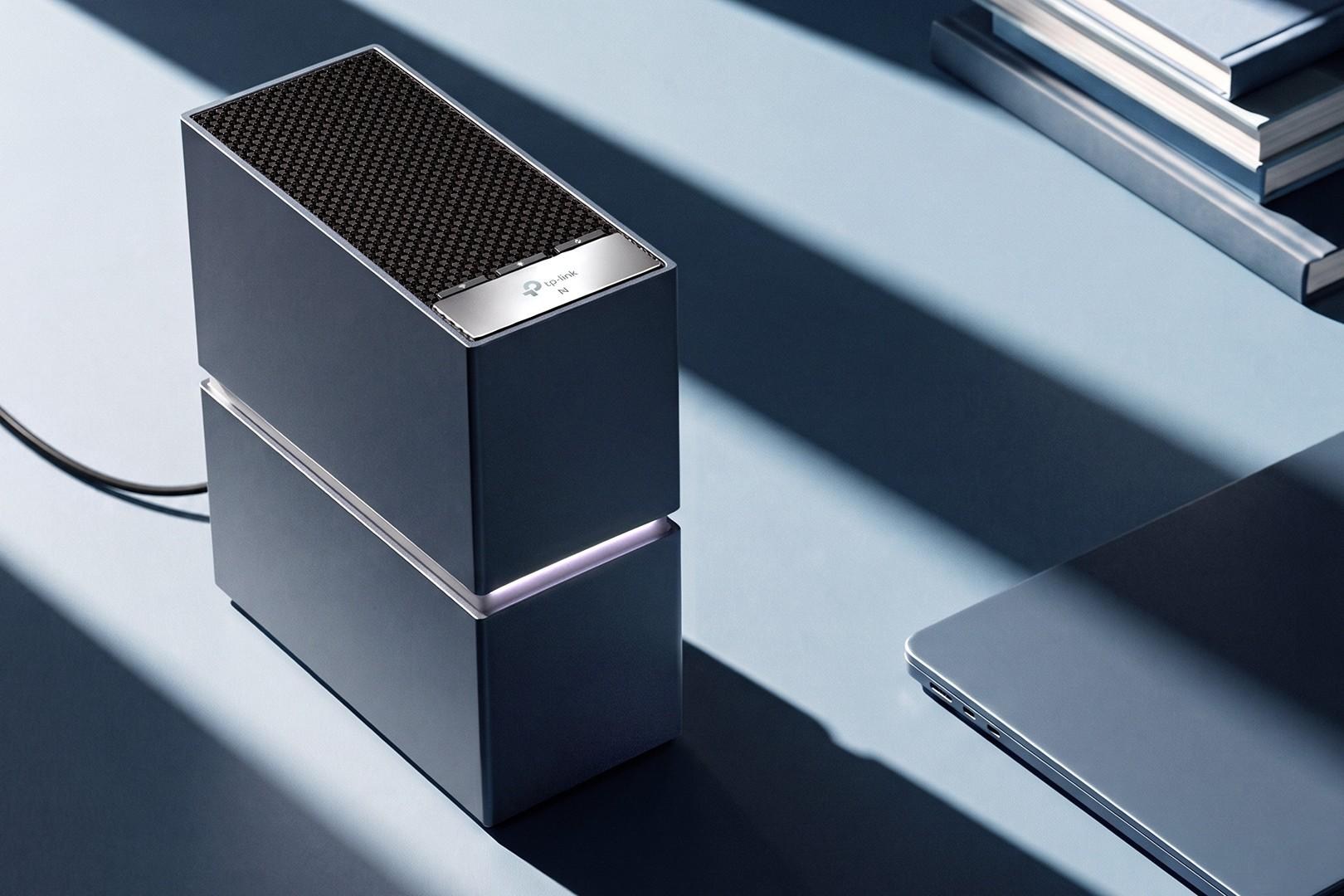
To unlock the full 5 Gbps, customers need a DOCSIS‑3.1‑compatible ONT (Optical Network Terminal) that supports 10 Gbps Ethernet interfaces. T‑Mobile supplies a proprietary ONT at no additional cost for the first year, after which a modest equipment fee applies. The ONT connects to a high‑performance router—either the subscriber’s own or a T‑Mobile‑branded model—via a 10 Gbps Ethernet port. For users with older routers, the ONT’s dual‑port design allows a 1 Gbps fallback while preserving the 5 Gbps capability for future upgrades.
Network Management and QoS
T‑Mobile has implemented a tiered Quality‑of‑Service (QoS) policy that prioritizes latency‑sensitive traffic (e.g., VoIP, gaming) over bulk transfers. The policy is enforced at the edge router level, ensuring that even during peak usage periods, high‑priority packets experience minimal jitter. Additionally, the carrier employs dynamic bandwidth allocation (DBA) to balance load across its fiber nodes, a technique borrowed from enterprise‑grade passive optical networks (PON).
Security Considerations
With higher upstream capacity, the attack surface expands. T‑Mobile’s network includes built‑in DDoS mitigation and automatic firmware updates for ONTs. The company also recommends that users enable WPA3 on their Wi‑Fi networks and consider a dedicated firewall appliance for advanced threat protection. For a deeper look at network‑related security challenges, see the recent analysis of the Zoom Zero‑Day Exploit: Remote Takeover of iPhone & Mac, which underscores the importance of securing high‑speed connections.
Why It Matters for Consumers and Enterprises
Empowering Remote Work and Learning
The pandemic accelerated the shift to remote work and online education. While 1 Gbps was sufficient for most video calls, the surge in AI‑driven tools—large language models, real‑time transcription, and collaborative design platforms—demands higher upstream bandwidth. A 5 Gbps symmetric connection enables multiple concurrent high‑definition streams, large file uploads, and low‑latency interaction with cloud‑based AI services without degradation.
Enabling Next‑Gen Smart Homes
Modern homes host dozens of IoT devices: security cameras, smart thermostats, voice assistants, and mesh Wi‑Fi nodes. Each device contributes to aggregate bandwidth consumption, especially when video analytics run locally or in the cloud. The 5 Gig plan provides ample headroom for a fully connected home, ensuring that a single device’s bandwidth spike (e.g., a 4K security camera) does not impact other services.
Competitive Pricing and Long‑Term Cost Predictability
A $90 monthly price point, locked for ten years, offers a rare level of cost certainty in an industry known for frequent price hikes. For families on tight budgets, the guarantee eliminates the fear of surprise bill increases. Moreover, the introductory promotion—two months of bill credits and $300 in virtual prepaid cards—effectively reduces the first‑year cost by roughly 15 %.
Business Use Cases
Small and medium‑size businesses (SMBs) often rely on residential‑grade broadband due to cost constraints. The 5 Gig plan bridges the gap between consumer and enterprise services, allowing SMBs to host their own virtual private servers, run high‑throughput backups, and support remote employees with enterprise‑level performance—all without the premium price tag of dedicated business fiber.
Industry Impact and Competitive Landscape
Disrupting the Gigabit Arms Race
Historically, the “gigabit race” has been dominated by cable operators leveraging DOCSIS‑3.1 upgrades. T‑Mobile’s pure‑fiber approach sidesteps the limitations of coaxial infrastructure and forces competitors to accelerate their FTTH deployments. In markets where T‑Mobile already holds a strong wireless presence, the bundled fiber offering creates a compelling cross‑sell opportunity, potentially increasing churn for rivals.
Influence on Pricing Models
The ten‑year price guarantee could set a new benchmark for consumer confidence. If competitors adopt similar guarantees, the market may shift from short‑term promotional pricing to longer‑term value propositions. This could also pressure regulators to scrutinize price‑lock clauses, ensuring they remain transparent and free of hidden fees.
Synergy with Emerging Technologies
High‑speed symmetric fiber is a prerequisite for emerging services such as cloud gaming (e.g., Xbox Cloud Gaming, PlayStation Plus), 8K streaming, and real‑time VR collaboration. T‑Mobile’s network can serve as the backbone for these services, encouraging content providers to target the carrier’s subscriber base. Additionally, the bandwidth supports edge‑computing deployments, where data processing occurs close to the user to reduce latency.
Potential Challenges
- Infrastructure Investment: Expanding FTTH to underserved areas requires substantial capital. T‑Mobile must balance the rollout cost against the relatively modest monthly price.
- Customer Acquisition: Convincing existing cable customers to switch may be hindered by contract lock‑ins and perceived installation hassles.
- Regulatory Oversight: The ten‑year guarantee may attract attention from consumer protection agencies, especially if price adjustments occur due to “network management practices” or “equipment upgrades” as noted in the fine print.
Comparison with Competing Offers
| Provider | Max Speed | Symmetrical? | Monthly Price (Auto‑Pay) | Price Guarantee |
|---|---|---|---|---|
| T‑Mobile | 5 Gbps | Yes | $90 | 10 years |
| Comcast Xfinity | 2 Gbps | No (asymmetric) | $115 | None |
| Verizon Fios | 1 Gbps | Yes | $99 | 2 years (optional) |
| AT&T Fiber | 5 Gbps |
| AT&T Fiber | 5 Gbps | Yes | $120 | None (subject to annual review) | | Google Fiber | 2 Gbps | Yes | $99 | None | | Spectrum | 1 Gbps | No (asymmetric) | $89 | None (promotional pricing only) |
Note: Prices reflect the most recent publicly advertised rates for new residential customers on autopay, excluding taxes, fees, and equipment charges.
Customer Experience and Installation Process
Ordering and Activation
Prospective subscribers can order the 5 Gig plan directly through T‑Mobile’s website or via its retail stores. The checkout flow prompts users to enter their address, after which an automated availability check confirms FTTH coverage. If the address is eligible, the system schedules a technician visit within 7‑10 business days.
During the installation, the technician runs a fiber splice from the nearest distribution node to the home’s optical network terminal (ONT). The process typically takes 1‑2 hours, after which the ONT is powered up and a brief provisioning script registers the service on T‑Mobile’s network. Customers receive a welcome email containing:
- Their account number and login credentials.
- A PDF guide for configuring the supplied ONT and recommended router settings.
- Details on the two‑month bill credit and the $300 virtual prepaid card redemption process.
Post‑Installation Support
T‑Mobile offers 24/7 phone and chat support for fiber customers, with a dedicated “Fiber Care” team handling technical issues. The company also provides a self‑service portal where users can:
- View real‑time bandwidth usage.
- Run speed tests from the ONT.
- Request firmware updates for the ONT or router.
- Manage the ten‑year price guarantee status and opt‑out of autopay (which would void the guarantee).
Potential Drawbacks and Considerations
| Issue | Explanation |
|---|---|
| Equipment Costs After First Year | While the ONT is free for the first 12 months, a $49 annual equipment fee applies thereafter. Users who prefer a third‑party ONT must purchase a compatible model, potentially increasing upfront costs. |
| Limited Availability in Rural Areas | T‑Mobile’s FTTH footprint is still concentrated in urban and suburban markets. Rural customers may not have access to the 5 Gig service for the foreseeable future. |
| Price Guarantee Caveats | The guarantee is contingent on staying on autopay and not upgrading to a higher‑speed tier. Any equipment upgrades (e.g., switching to a Wi‑Fi 7 router) that incur a fee are excluded from the guarantee. |
| Potential Network Management Practices | As disclosed in the fine print, T‑Mobile reserves the right to implement traffic shaping during extreme congestion events, which could affect latency‑sensitive applications. |
| Router Compatibility | To fully exploit 5 Gbps, users need a router with a 10 Gbps Ethernet WAN port and Wi‑Fi 6E/7 capabilities. Many legacy routers will bottleneck at 1 Gbps, requiring an upgrade. |
Future Outlook
Expansion Plans
T‑Mobile has hinted at extending its 5 Gig footprint to additional metropolitan areas in 2027, leveraging its ongoing fiber build‑out program. The carrier aims to reach 15 million FTTH households by 2029, a target that would place it among the top three U.S. fiber providers by coverage.
Integration with 5G Fixed Wireless
In markets where fiber deployment is cost‑prohibitive, T‑Mobile plans to complement its FTTH network with 5G Fixed Wireless Access (FWA) that can deliver up to 1 Gbps symmetric speeds. While not a direct substitute for 5 Gbps, the hybrid model could serve as a stepping stone for customers awaiting full fiber rollout.
Impact on Emerging Services
The availability of affordable, symmetric multi‑gigabit connections is expected to accelerate adoption of:
- Cloud gaming: Services like NVIDIA GeForce NOW and Xbox Cloud Gaming will benefit from reduced latency and higher throughput.
- Remote XR (Extended Reality): High‑resolution VR/AR streaming requires both upstream and downstream bandwidth; the 5 Gig plan meets these demands.
- Edge AI: Real‑time inference workloads that process video streams locally before sending results to the cloud will see performance gains.
Conclusion
T‑Mobile’s introduction of a 5‑gigabit symmetric fiber plan at a $90 monthly price, coupled with a ten‑year price guarantee, marks a significant shift in the residential broadband landscape. By delivering enterprise‑grade speeds to consumers at a competitive price, the carrier challenges traditional cable and incumbent fiber providers to rethink their pricing and service models.
For tech‑savvy households, remote workers, and SMBs seeking high‑performance connectivity without the premium enterprise price tag, the 5 Gig plan offers a compelling value proposition—provided the user is prepared to invest in compatible networking equipment and resides within the carrier’s FTTH coverage area.
As the market continues to evolve, the true test will be T‑Mobile’s ability to scale its fiber infrastructure while maintaining the promised price stability. If successful, the ten‑year guarantee could become a new industry standard, ushering in an era of greater transparency and consumer confidence in broadband pricing.
Frequently Asked Questions (FAQ)
Q: Do I need to sign a long‑term contract to receive the ten‑year price guarantee? A: No. The guarantee is tied to staying on autopay and not upgrading to a higher‑speed tier. You can cancel at any time, but the guarantee will be voided upon cancellation.
Q: What happens if I exceed my data usage? A: The 5 Gig plan includes unlimited data. However, T‑Mobile reserves the right to apply reasonable network management practices during periods of extreme congestion, as outlined in the service agreement.
Q: Can I keep my existing router? A: You can, but to achieve the full 5 Gbps speed you’ll need a router with a 10 Gbps Ethernet WAN port and Wi‑Fi 6E or Wi‑Fi 7 support. Older routers will limit you to 1 Gbps or less.
Q: Is the $300 virtual prepaid card a one‑time credit? A: Yes. The $300 credit is issued as a virtual prepaid card after the first billing cycle, provided you do not cancel the service within the first 12 months.
Q: How does the 5 Gig plan compare to T‑Mobile’s 2 Gbps offering? A: Both plans are symmetric and use the same FTTH architecture. The 5 Gig plan offers three times the bandwidth, making it suitable for multiple concurrent high‑definition streams, large file transfers, and advanced home‑office setups, whereas the 2 Gbps tier is sufficient for typical streaming and gaming needs.
Q: Will the price guarantee apply if I add additional services (e.g., TV, phone)? A: The guarantee applies only to the fiber broadband component. Adding bundled services may affect the overall bill but will not alter the guaranteed $90 monthly rate for the 5 Gig plan itself.
Q: Are there any hidden fees? A: Aside from the optional equipment fee after the first year and standard taxes/fees, T‑Mobile’s promotional materials disclose no additional recurring charges. Always review the final price breakdown before confirming your order.
Source: Original Article