




Why the Relaunch Matters for VR Fitness
When Supernatural first launched in 2020, it quickly earned a reputation as a “killer app” alongside Beat Saber, proving that immersive experiences could be more than games—they could be daily wellness tools. The abrupt pause of new content earlier this year left a noticeable gap in the VR fitness ecosystem, especially for users who had built routines around the app’s guided workouts, music‑driven sessions, and visually striking environments.
The early‑access relaunch signals three critical shifts:
Consumer Confidence Restored – By returning as an independent entity, Supernatural demonstrates resilience and a commitment to its community. CEO James Senior’s quote, “It’s not every day you get to make a comeback, but thanks to the Supernatural community, that’s exactly what we’re doing,” underscores a user‑first philosophy that can rekindle trust after the hiatus.
Meta’s Platform Strategy – Meta has been courting high‑engagement content to justify the cost of its headsets. Reviving Supernatural aligns with Meta’s broader push to position VR as a mainstream lifestyle platform rather than a niche gaming peripheral.
Market Differentiation – While other fitness apps rely on 2D video or AR overlays, Supernatural’s fully 3‑D environments and real‑time motion tracking keep it distinct. The relaunch re‑establishes that differentiation at a time when new entrants (e.g., mixed‑reality treadmill integrations) are emerging.
Technical Breakdown of the New Offering
Supernatural’s early‑access version introduces a suite of features that blend software engineering, cloud services, and hardware optimization. Below is a deeper look at the technical components that power the experience.
Subscription Architecture
- Pricing Model – $20/month or $200/year, identical to the 2020 launch, simplifying migration for legacy users.
- Backend – Leveraging Meta’s GraphQL API for subscription validation, with Stripe handling payment processing. The system supports household sharing (up to four users per headset) via a token‑based entitlement model that ties a single purchase to multiple device profiles.
Content Delivery Pipeline
- Workouts – Thousands of pre‑recorded sessions are stored in an Amazon S3 bucket, delivered through a CDN with edge caching to minimize latency. New workouts are added weekly via an automated CI/CD pipeline that ingests motion‑capture data, syncs audio tracks, and publishes to the CDN.
- Music Integration – Hundreds of tracks are licensed through a partnership with major labels. Audio files are encoded in Ogg Vorbis for low‑bandwidth streaming while preserving high fidelity for the immersive experience.
Virtual Environment Rendering
- Glacial Lake World – Built with Unity’s HDRP (High Definition Render Pipeline), the environment uses real‑time ray tracing on supported Meta Quest Pro hardware, delivering realistic reflections on water surfaces. For lower‑spec headsets, the engine falls back to baked lighting to maintain 90 fps performance.
- Future Environments – The roadmap includes procedural generation tools that will allow designers to create new worlds without manual asset placement, reducing time‑to‑market for fresh scenery.
Real‑Time Workout Platform (Beta)
- Networking Stack – Utilizes Meta’s Photon Realtime SDK for low‑latency peer‑to‑peer connections. The platform synchronizes avatar positions, heart‑rate data (via external sensors), and workout metrics in sub‑second intervals.
- Security – End‑to‑end encryption ensures that personal health data transmitted between participants remains private, complying with GDPR and HIPAA guidelines where applicable.
Mobile Companion App (In Development)
- Cross‑Platform Sync – Planned to run on iOS and Android, the companion will use Firebase for real‑time data sync, allowing users to view progress, set goals, and receive push notifications about new workouts.
- Analytics – Aggregated metrics will feed into Supernatural’s recommendation engine, which uses a lightweight collaborative‑filtering algorithm to suggest workouts based on user history and community trends.
Industry Impact and Competitive Landscape
Supernatural’s comeback arrives at a pivotal moment for VR hardware and software vendors.
Headset Adoption
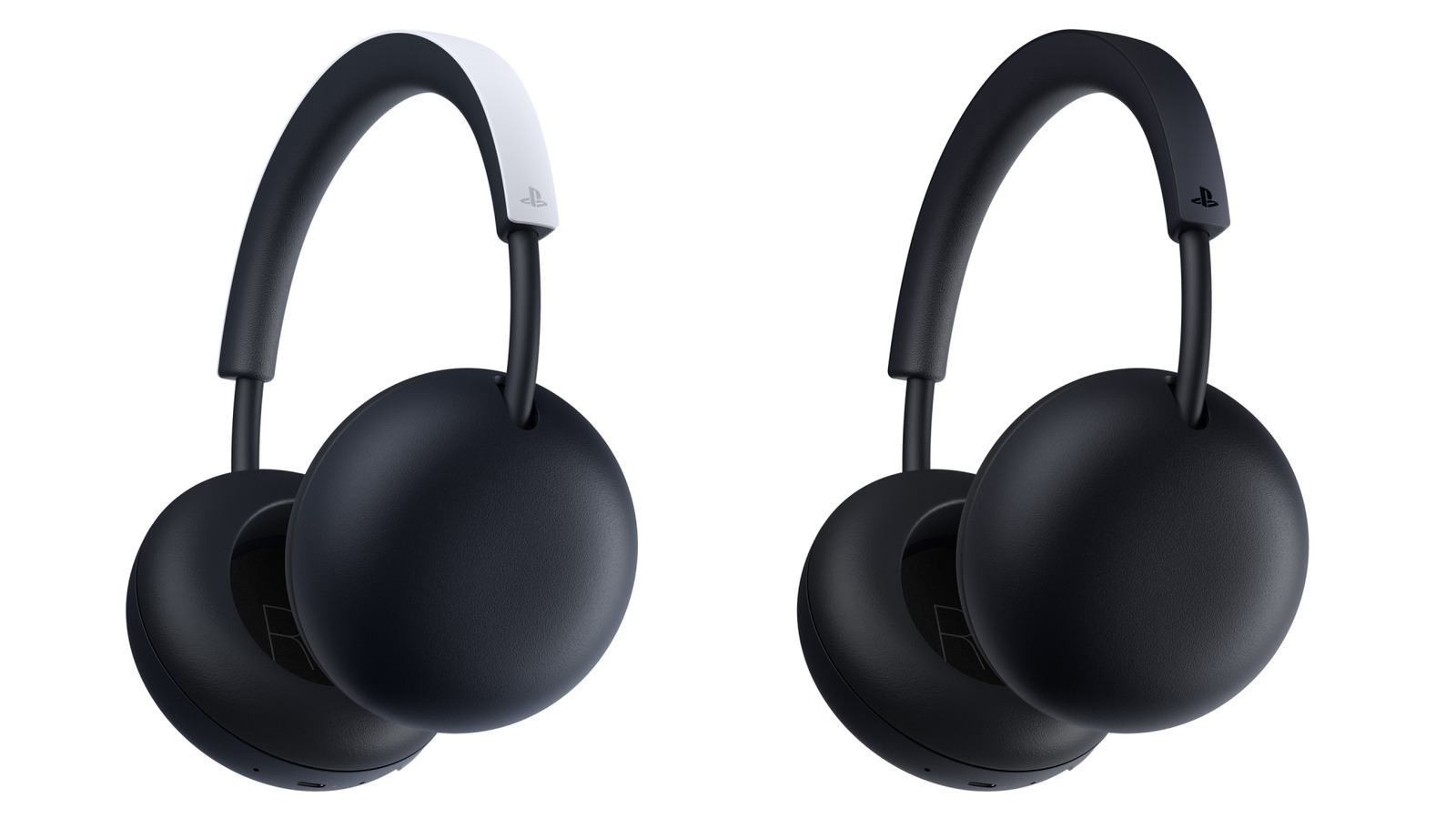
Meta’s Quest line remains the most widely owned VR headset, but competition from Sony’s PlayStation Pulse headset is heating up. The Pulse’s launch, detailed in a recent article, emphasizes higher resolution displays and integrated haptic feedback, which could attract fitness‑focused users seeking richer visual fidelity. Supernatural’s early‑access launch on Meta devices positions the app to capture the existing user base while keeping an eye on cross‑platform expansion.
*Read more about Sony’s new headset here: https://ltdeveloperblogs.github.io/posts/sonys-playstation-pulse-headset-arrives-on-november-19-for-100*
Music Licensing Trends
The inclusion of hundreds of licensed tracks mirrors a broader industry trend where music streaming rights are becoming a core component of immersive experiences. Apple’s recent redesign of its music logo, explored in another blog post, highlights how major brands are rethinking visual identity to align with audio‑centric platforms. Supernatural’s curated playlists demonstrate that high‑quality music remains a decisive factor in user retention for fitness apps.
*Insights on music branding: https://ltdeveloperblogs.github.io/posts/theres-a-new-apple-music-logo-and-it-looks-like-ripples-in-water*
Gaming Business Strategies
The gaming sector has seen significant consolidation, exemplified by EA’s decision to shut down BioWare and shift resources. While Supernatural operates in a different niche, the move underscores the importance of sustainable revenue models and community engagement. By maintaining a subscription price point that matches its original launch and offering household sharing, Supernatural avoids the pitfalls of over‑monetization that have plagued other services.
*Industry context: https://ltdeveloperblogs.github.io/posts/ea-is-shutting-down-bioware-and-cutting-around-400-jobs*
Future Outlook: What’s Next for Supernatural?
The roadmap outlined by CEO James Senior hints at several strategic priorities:
- Full Release of Real‑Time Workout Platform – Once the beta proves stable, the feature will likely become a core differentiator, enabling “virtual group classes” that mimic boutique studio experiences.
- Expansion to Additional Headsets – While the current launch is Meta‑only, the technical architecture (Unity‑based, cloud‑agnostic) suggests a relatively straightforward port to other platforms, including the PlayStation Pulse.
- Enhanced Personalization – Leveraging the mobile companion’s analytics, Supernatural could introduce AI‑driven workout recommendations, adaptive difficulty scaling, and injury‑prevention alerts.
- Community‑Driven Content – The “back‑catalog favorites” rollout indicates a willingness to resurrect popular legacy workouts based on user voting, a model that could evolve into user‑generated content pipelines.
If these initiatives materialize, Supernatural could solidify its status as the premier VR fitness ecosystem, bridging the gap between entertainment and health.
Frequently Asked Questions
Q: Do I need a new Meta headset to use the relaunched Supernatural?
A: No. The app is compatible with all existing Meta Quest and Quest Pro devices that meet the 90 fps performance baseline.
Q: How does household sharing work?
A: A single subscription can be linked to up to four user profiles on the same headset. Each profile retains its own points, badges, and fitness streaks.
Q: Will my old points and streaks be restored?
A: Yes. Returning members automatically receive a transfer of pre‑existing points, badges, and streak data during the account migration process.
Q: When will the real‑time workout platform be publicly available?
A: It is currently in testing. Supernatural has not announced a specific launch date, but the team aims for a rollout later this year.
Q: Is there a free trial period?
A: The early‑access release does not include a free trial; however, Meta occasionally offers promotional bundles that may include a limited‑time subscription.
Q: Can I use external heart‑rate monitors with Supernatural?
A: Yes. The app supports Bluetooth HR sensors, and data is displayed in‑session and synced to the upcoming mobile companion app.
Supernatural’s return marks a decisive moment for VR fitness, blending robust technical execution with a community‑centric business model. As the ecosystem evolves, the app’s ability to innovate—through real‑time social workouts, cross‑device integration, and data‑driven personalization—will determine whether it remains a “killer app” or becomes a nostalgic footnote.
Source: Original Article