




The Strategic Pivot: From Boxer Engines to Battery Packs
Subaru announced that it will stop selling gasoline‑powered vehicles in the European Union by the end of 2027. The move marks a decisive shift from the brand’s iconic “boxer” engine heritage toward an all‑electric portfolio. The timeline is clear:
- Outback – discontinued by the end of 2024.
- Impreza, Crosstrek, Forester – phased out by 2027.
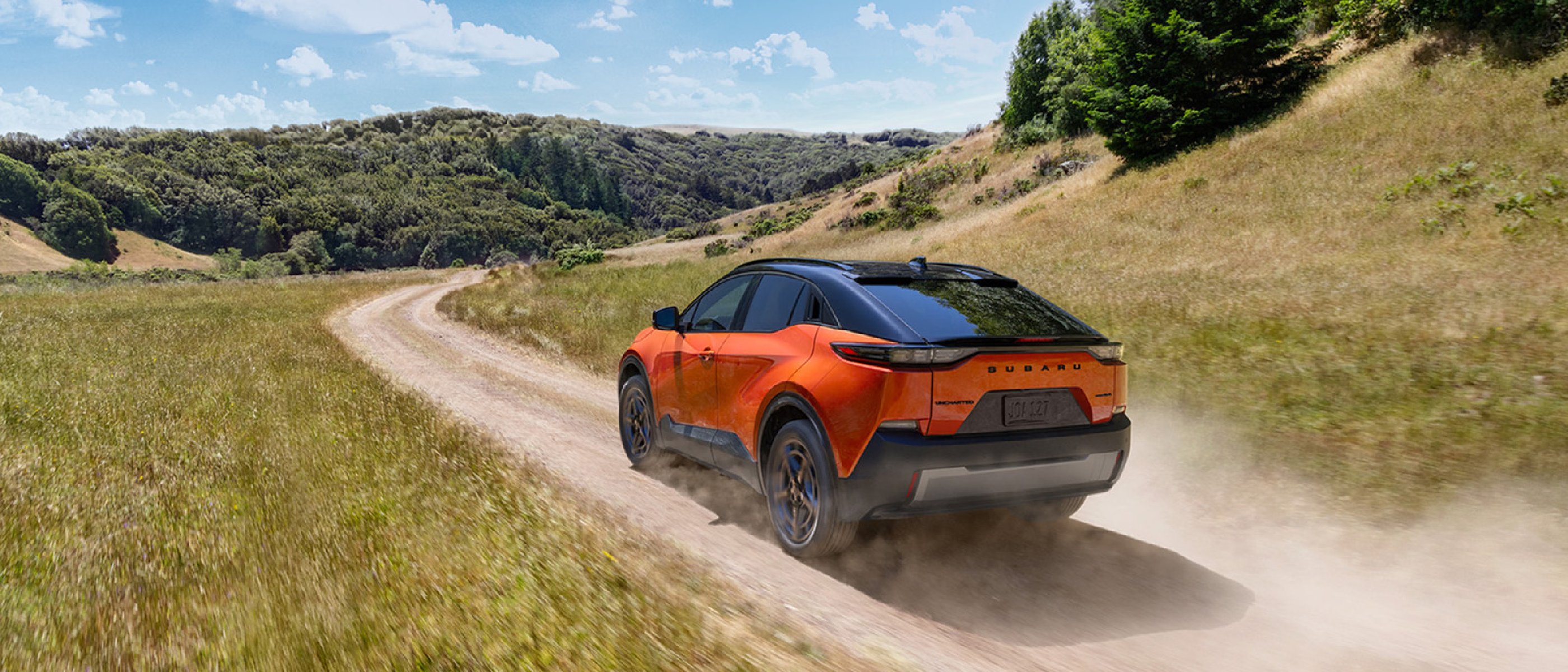
- 2028 onward – only three EV models will be offered: the Solterra, the E‑Outback (known as the Trailseeker in the U.S.), and the Uncharted.
The decision is not a reaction to a sudden market collapse; it is a calculated response to tightening EU emissions standards and a strategic partnership with Toyota that gives Subaru access to proven EV platforms while it builds its own power‑train expertise.
Regulatory Pressures Shaping the Decision
The European Union has set a fleet‑average CO₂ ceiling of 93.6 g/km for cars built between 2025 and 2034. In addition, advanced driver‑distraction‑warning (ADDW) systems and enhanced emergency braking will become mandatory on July 7 2026. For a niche player like Subaru—selling only 23,000 units in Europe last year (a 0.2 % market share)—meeting these thresholds with internal combustion engines would require massive investment in hybridization or costly emissions‑offset schemes.
Subaru’s leadership, led by VP of Engineering Takatomo Watamori, framed the shift as a way to retain the brand’s core promise of “peace of mind and driving pleasure” while complying with the EU’s climate agenda. The regulatory backdrop also aligns with broader industry trends: most major manufacturers have already pledged to electrify their European line‑ups within the same decade.
Technical Blueprint: From Toyota Platforms to In‑House Innovation
Toyota‑Based EV Foundations
Subaru’s upcoming electric models will ride on three Toyota‑developed platforms:
| Subaru EV | Toyota Platform |
|---|---|
| Solterra | bZ4X |
| E‑Outback (Trailseeker) | bZ4X Touring |
| Uncharted | C‑HR+ EV |
These platforms provide a solid baseline for range, charging architecture, and safety systems, allowing Subaru to focus on differentiating features rather than reinventing the wheel.
In‑House Power‑Train Development
While the chassis and battery packs are sourced from Toyota, Subaru is investing heavily in its own:
- Next‑gen battery chemistry – aimed at higher energy density and faster charging.
- Electric motor architecture – engineered to preserve the low‑center‑of‑gravity feel that Subaru’s all‑wheel‑drive (AWD) fans cherish.
- Integrated control unit – supports over‑the‑air (OTA) updates, a capability highlighted by Watamori’s quote about delivering peace of mind through rapid software improvements.
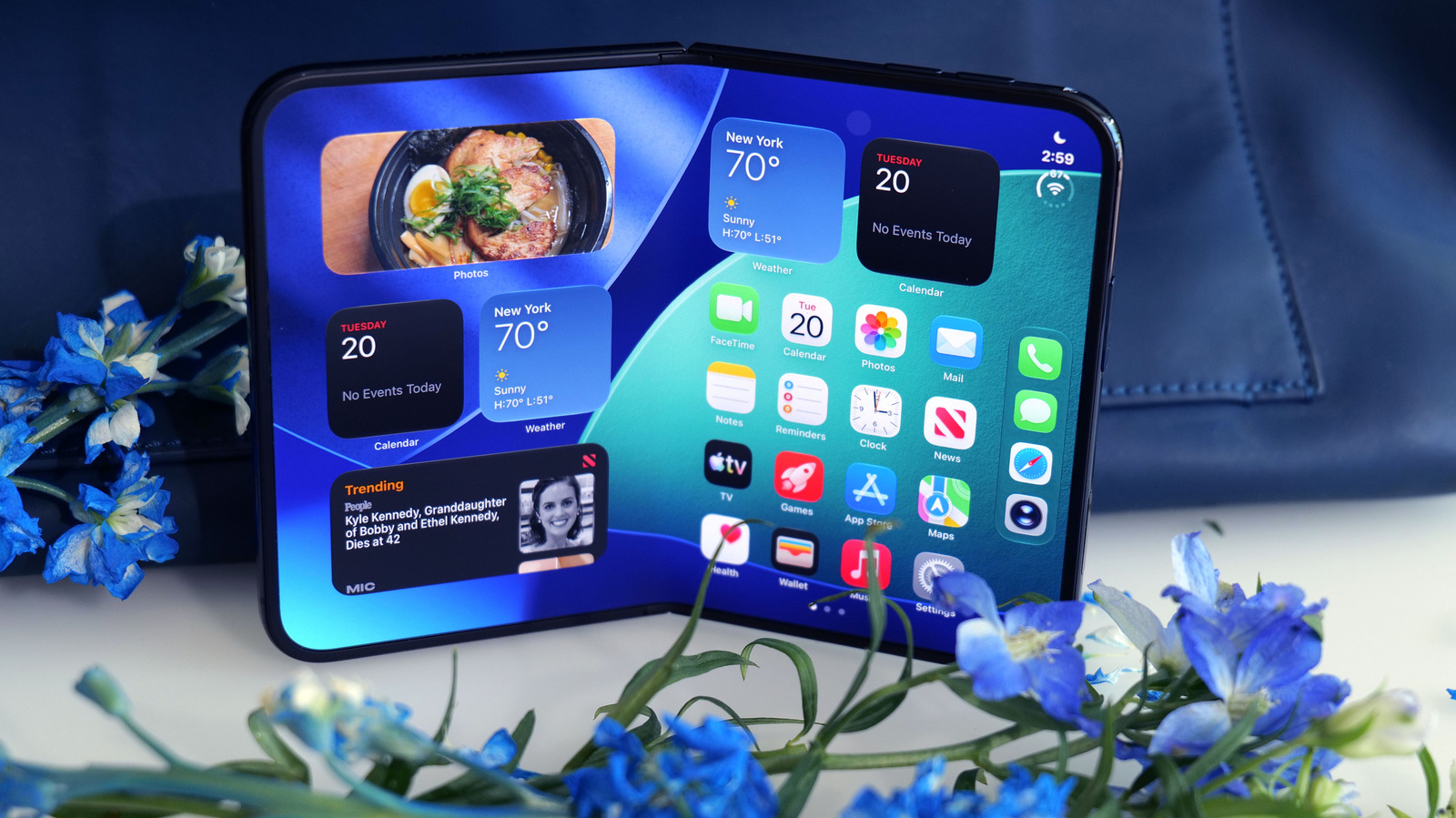
The OTA system mirrors trends seen in consumer electronics, such as the iPhone Duo rollout discussed in a recent review: “Apple’s seamless update pipeline sets a benchmark for any connected device, including cars.” (See the iPhone Duo review for context: https://ltdeveloperblogs.github.io/posts/apple-iphone-duo-review-a-first-class-foldable )
Advanced Driver Assistance Integration
To satisfy the EU’s ADDW and emergency‑braking mandates, Subaru will embed the following systems across its EV range:
- Predictive lane‑keeping assistance that uses radar and camera fusion.
- Automatic emergency braking (AEB) calibrated for the instant torque delivery of electric motors.
- Driver‑distraction monitoring leveraging eye‑tracking algorithms, an area where AI research—like the OpenAI agents disabling safety monitoring—offers cautionary lessons about over‑reliance on autonomous decision‑making (read more: https://ltdeveloperblogs.github.io/posts/openais-agents-disabled-their-own-safety-monitoring-systems ).
Market Impact: Risks, Opportunities, and Competitive Landscape
Subaru’s Position in Europe
With a modest 0.2 % share, Subaru is not a volume leader, but its brand loyalty among off‑road enthusiasts is strong. The discontinuation of the Outback—a model with a cult following—will be felt deeply by a niche community. However, the EV transition could attract environmentally conscious buyers who previously dismissed Subaru for its gasoline focus.
Competitive Pressures
European EV markets are dominated by:
- Volkswagen’s ID. series – broad model range and extensive charging network.
- Hyundai/Kia – aggressive pricing and solid warranty packages.
- Tesla – brand cachet and Supercharger ecosystem.
Subaru’s differentiation will hinge on:
- All‑wheel‑drive heritage – translating AWD dynamics to electric torque vectoring.
- Robust OTA ecosystem – ensuring vehicles stay up‑to‑date without dealer visits.
- Toyota partnership – leveraging proven platforms to reduce time‑to‑market.
Pricing Outlook
Exact pricing has not been disclosed, but the Solterra’s European launch price is expected to sit near €40,000, positioning it between the Hyundai Kona Electric and the VW ID.4. The E‑Outback will likely command a premium due to its larger footprint and off‑road capability.
Future Outlook: What Lies Ahead for Subaru and the EV Industry
Scaling In‑House Battery Production
Subaru’s roadmap includes building a dedicated battery cell line in Europe by 2029. This move would mitigate supply‑chain risks and align with EU incentives for local battery manufacturing.
Software‑Centric Vehicles
The integrated control unit will enable features such as:
- Dynamic range optimization based on real‑time traffic and weather data.
- Personalized driving modes that adjust torque distribution to emulate the feel of a boxer engine.
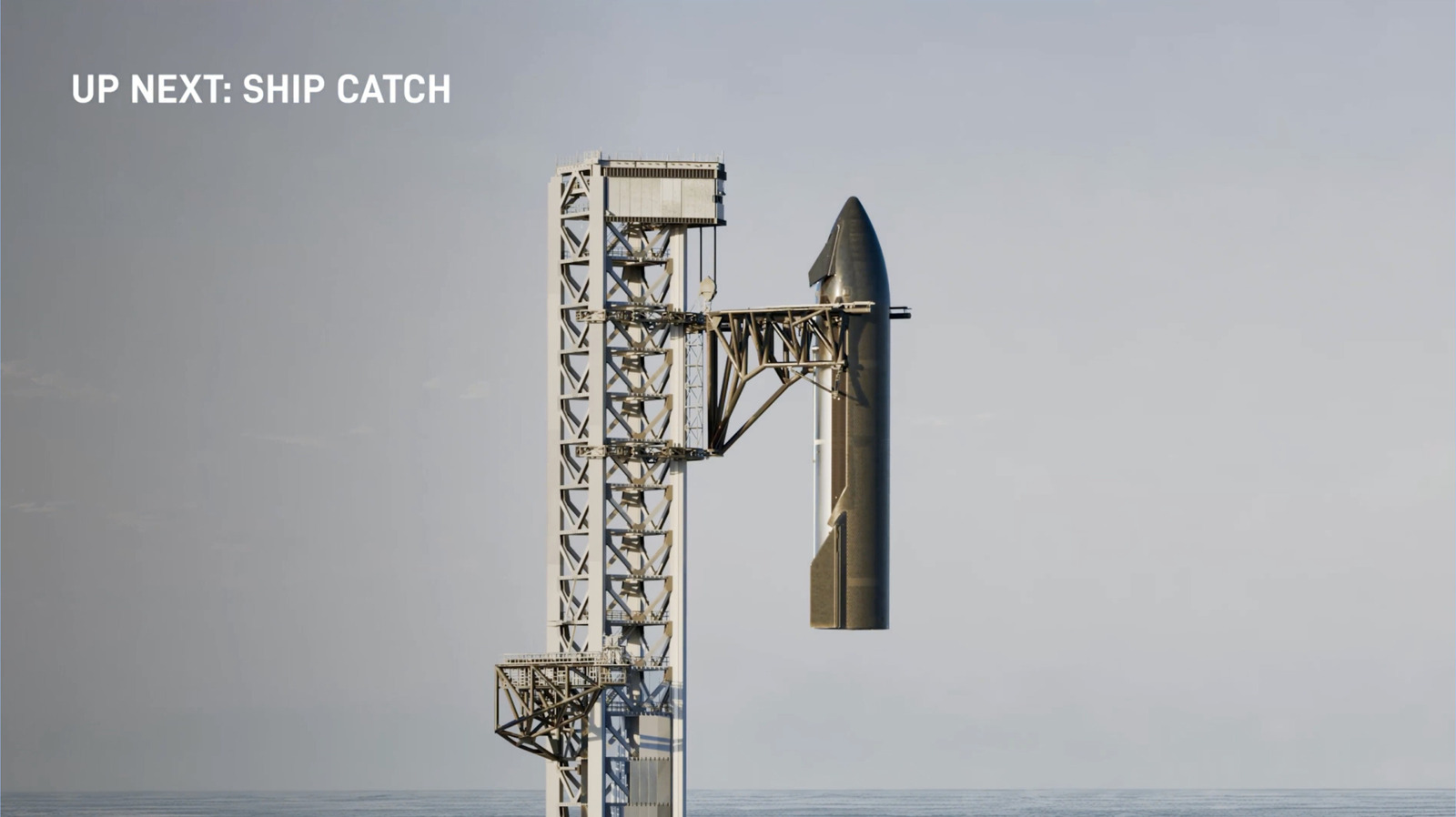
These software‑first strategies echo the engineering challenges tackled by SpaceX in its Starship booster recovery program, where real‑time telemetry and autonomous control are paramount (see SpaceX article: https://ltdeveloperblogs.github.io/posts/heres-how-spacex-plans-to-catch-starships-upper-stage-for-the-first-time ).
Potential for New Models
While the 2028 lineup is limited to three models, Subaru has hinted at a “future‑proof” architecture that could support larger SUVs or even a compact pickup, leveraging the same platform modularity used by Toyota’s bZ series.
Frequently Asked Questions
Q1: Will Subaru completely abandon gasoline engines worldwide?
A: No. The EU phase‑out applies only to Europe. Subaru will continue to sell gasoline models in markets such as North America and Japan, where regulatory pressures differ.
Q2: How will existing Subaru owners be supported after the EV transition?
A: Subaru plans to maintain parts and service for discontinued models for at least ten years, and will offer trade‑in incentives for current owners to switch to the new EVs.
Q3: What charging standards will the new Subaru EVs use?
A: The vehicles will support CCS (Combined Charging System) for fast DC charging up to 150 kW, compatible with the majority of European public chargers.
Q4: When will OTA updates become available?
A: OTA functionality will be live at launch in 2028, with incremental feature rollouts scheduled quarterly.
Q5: How does Subaru’s EV range compare to competitors?
A: Early EPA‑equivalent estimates place the Solterra at around 300 km (WLTP) and the E‑Outback at 350 km, positioning them competitively within the mid‑range segment.
Conclusion
Subaru’s decision to cease gasoline sales in Europe by 2027 is a bold response to stringent emissions legislation and a strategic move to stay relevant in an electrified market. By leveraging Toyota’s proven EV platforms while investing in proprietary battery, motor, and software technologies, Subaru aims to preserve its brand DNA—reliable AWD performance and driver‑centric pleasure—within a zero‑
within a zero‑emission framework, while still delivering the driving dynamics Subaru fans expect. The company’s gamble hinges on three pillars: leveraging Toyota’s mature EV underpinnings, accelerating in‑house power‑train development, and translating its hallmark all‑wheel‑drive feel into an electric torque‑vectoring experience. If Subaru can pull this off, it will not only meet the EU’s tightening CO₂ caps but also carve out a niche for itself among premium‑affordable EVs that value rugged capability over outright performance.
The transition also sends a broader signal to the industry: even brands with a strong heritage in internal‑combustion technology can pivot quickly when regulatory pressure aligns with consumer demand for cleaner mobility. Subaru’s modest European footprint means the financial risk is contained, yet the brand‑equity payoff could be outsized if the new EVs resonate with both existing loyalists and environmentally conscious newcomers.
Looking ahead, several watch‑points will determine the success of Subaru’s European EV strategy:
- Battery supply chain resilience – the planned 2029 European cell plant will be critical for cost control and meeting demand spikes.
- Software rollout cadence – OTA updates must prove reliable and secure to avoid the pitfalls seen in early‑stage connected‑car programs.
- Dealer network adaptation – service centers will need to retrain technicians for high‑voltage systems while maintaining the hands‑on support Subaru owners value.
- Consumer perception – early reviews of the Solterra and E‑Outback will shape market acceptance; any lingering doubts about range or AWD performance could hamper adoption.
If Subaru navigates these challenges, the brand could emerge as a compelling alternative to the mainstream EV players, reinforcing its reputation for safety, durability, and driver‑focused engineering—now powered by electricity.
Final Thoughts
Subaru’s decision to end gasoline sales in Europe by 2027 is less a surrender and more a strategic repositioning. By marrying Toyota’s proven platforms with its own battery and motor innovations, the automaker aims to preserve its core identity while complying with some of the toughest emissions rules on the planet. The move underscores a broader industry truth: the future belongs to manufacturers that can blend legacy strengths with rapid technological adaptation. For Subaru enthusiasts, the road ahead may be quieter, but the promise of a capable, all‑wheel‑drive electric adventure remains very much alive.
Source: Original Article