



Background of the Project
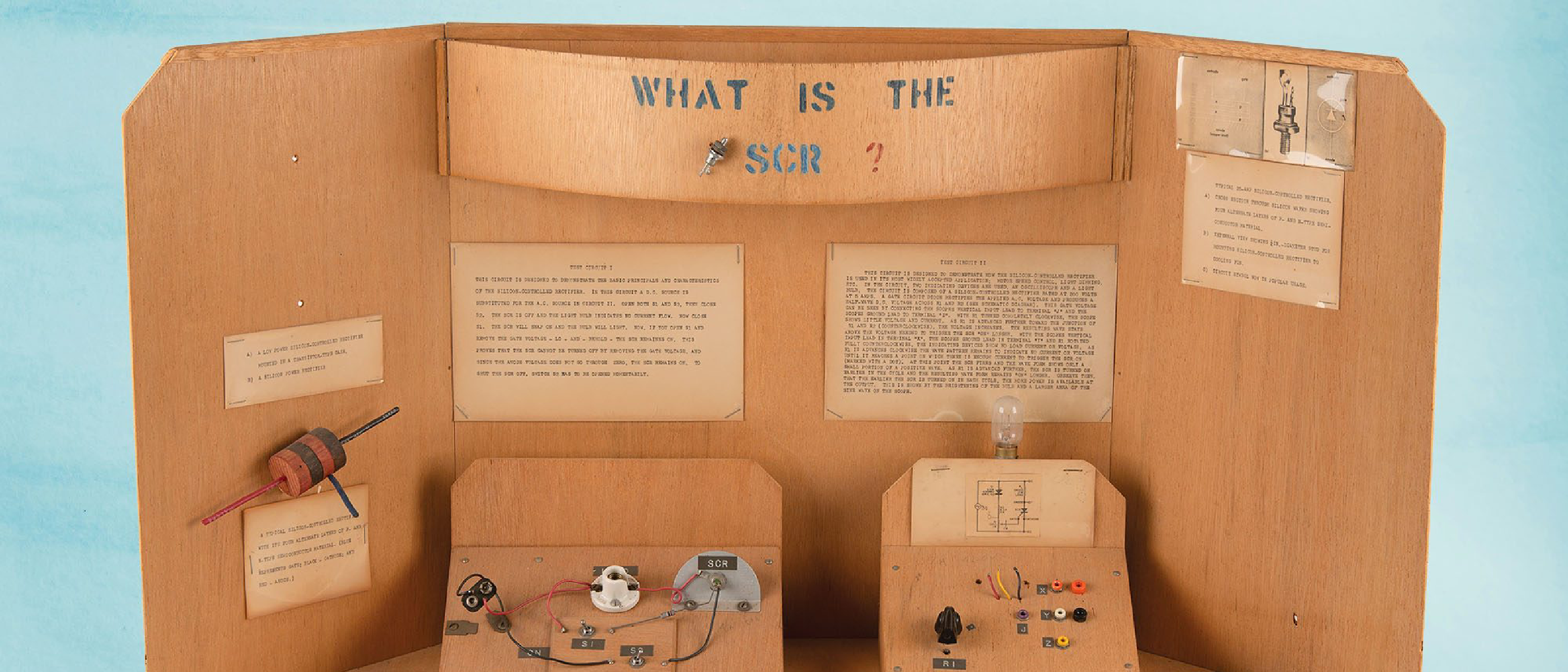
In the spring of 1965, a teenage Steve Jobs entered his 8th‑grade science fair in Los Altos, California, with a modest yet ambitious experiment: two demonstration circuits designed to illustrate basic electronic principles. The project also included a handwritten warning note addressed to his teachers, a glimpse into the early mindset of a future tech visionary. After the fair, the project was never displayed publicly; instead, it stayed on the Jobs family property for more than six decades, tucked away in a garage shelf that witnessed the birth of Apple, the rise of the personal computer, and the evolution of the smartphone.
The recent decision to place the artifact in Apple’s 50th‑anniversary auction marks the first time the project has left the family’s private collection. The auction, featuring over 200 items ranging from original Macintosh prototypes to rare Apple memorabilia, positions Jobs’ school‑age experiment alongside the company’s most iconic products, underscoring the narrative that great innovation often begins with simple curiosity.
Technical Anatomy of the Circuits
Although the project predates the microprocessor era, its two circuits demonstrate a surprisingly sophisticated grasp of analog electronics for a middle‑school student:
Circuit A – Light‑Sensitive Switch
This board uses a photoresistor (LDR) wired in series with a small incandescent bulb. When ambient light falls below a threshold, the resistance spikes, dimming the bulb. Jobs annotated the schematic with a hand‑drawn equation, effectively describing a rudimentary voltage divider. The design foreshadows the light‑sensor integration later seen in the iPod’s click wheel and the iPhone’s ambient light sensor.Circuit B – Audio Amplifier Prototype
Constructed around a single transistor (a 2N2222 NPN), the second circuit amplifies a low‑level audio signal from a miniature microphone. The layout includes a coupling capacitor and a simple bias network, mirroring the building blocks of the first Apple I audio output stage. Jobs’ note beside the board reads, “Don’t let the teachers hear the noise – it’s too loud,” hinting at an early awareness of signal integrity and user experience.
The accompanying warning note, written in a hurried cursive, reads: “Do not touch the wires – they may shock you.” While the warning is literal, it also reflects Jobs’ later obsession with safety and design clarity, principles that would become hallmarks of Apple’s product philosophy.
Why the Auction Matters to Collectors and Industry
Historical Significance
Collectors of technology memorabilia value provenance above all else. The fact that this project remained untouched on the Jobs family property adds an unbroken chain of custody, a rarity in the auction world. Its inclusion in a high‑profile Apple celebration amplifies its desirability, positioning it as a tangible link between the company’s humble origins and its current market dominance.
Market Dynamics
Auction houses have reported a surge in demand for “founder artifacts” over the past decade. Items such as Bill Gates’ early software licenses and Elon Musk’s first SpaceX prototype have fetched multi‑million dollar prices. While no price is disclosed for Jobs’ project, its presence among 200 curated pieces suggests a valuation strategy that leverages scarcity, narrative, and the cultural cachet of Apple’s golden anniversary.
Brand Reinforcement
Apple’s decision to showcase the project is a strategic branding exercise. By highlighting Jobs’ early tinkering, the company reinforces the mythos that great products stem from curiosity, experimentation, and a willingness to “think different.” This narrative resonates with developers, designers, and consumers who view Apple as more than a hardware vendor—a cultural institution.
For a deeper look at how Apple leverages brand narratives in regulatory contexts, see the analysis of Apple’s response to EU ATT rules: https://ltdeveloperblogs.github.io/posts/the-eight-changes-apple-is-making-to-app-tracking-transparency-in-europe .
Impact on Apple’s Brand Narrative
Apple has long cultivated a story that blends design elegance with a rebellious spirit. The auction of Jobs’ 8th‑grade project serves as a visual anchor for that story, reminding audiences that the company’s DNA includes hands‑on experimentation. This aligns with Apple’s current marketing emphasis on “creativity for everyone,” a message that gains authenticity when backed by a genuine artifact from the founder’s youth.
Moreover, the auction provides Apple with a platform to engage the collector community, a segment that often overlaps with high‑net‑worth investors and tech enthusiasts. By curating a collection that spans the company’s entire lifespan, Apple subtly signals its confidence in the enduring value of its heritage—an implicit reassurance for shareholders and partners alike.
Future Outlook: Preservation and Valuation of Tech Artifacts
Preservation Challenges
Preserving analog electronics from the 1960s presents unique challenges. Oxidation of copper traces, degradation of electrolytic capacitors, and the brittleness of early plastics can compromise an artifact’s integrity. Conservation experts will likely employ low‑temperature vacuum sealing and controlled humidity environments to stabilize the circuits. The warning note, written on acid‑free paper, may require archival framing to prevent yellowing.
Emerging Valuation Models
Traditional auction pricing relies on comparable sales, but tech artifacts often lack precedents. Analysts are beginning to incorporate “cultural impact scores” that weigh factors such as media coverage, founder prominence, and relevance to product line evolution. As more founder‑related items enter the market, we can expect a more data‑driven approach to pricing, similar to the methodologies used in the art world.
Potential for Digital Replication
Given the growing interest in NFTs and digital provenance, there is a possibility that Apple or third‑party platforms will create a certified digital twin of the project. Such a token could grant owners virtual access to the schematics, high‑resolution scans, and even interactive simulations of the circuits. This would open a new revenue stream while preserving the physical artifact from handling.
For context on how digital exploits are reshaping consumer software security, refer to: https://ltdeveloperblogs.github.io/posts/peacock-is-the-latest-streaming-service-to-increase-prices-details-here .
FAQ
Q1: Where will the auction be held and how can I participate?
A: The auction is being conducted by a major auction house in partnership with Apple. Bidders can register online through the house’s official portal, which will open a week before the scheduled sale date.
Q2: Is the project functional, or is it purely a display piece?
A: The circuits are still operational, though they have not been powered in decades. Conservation teams plan to test them under controlled conditions before the auction to verify functionality.
Q3: How does this item compare to other Apple memorabilia in terms of value?
A: While exact figures are undisclosed, founder‑related items typically command premium prices. The project’s unique provenance and early‑stage engineering make it a standout piece within the 200‑item collection.
Q4: Could the project influence future Apple product designs?
A: Direct influence is unlikely, but the symbolic value reinforces Apple’s narrative of grassroots innovation, which continues to inspire internal design philosophies.
Q5: Will Apple release detailed documentation of the project after the auction?
A: Apple has hinted at publishing a short documentary that explores the project’s history and its place in the company’s legacy, likely to be released on Apple TV+ later this year.
Source: Original Article